Homemade Peanut Butter Recipe
This post may contain affiliate links.
Read our Disclaimer.
Leave a Comment ★★★★★
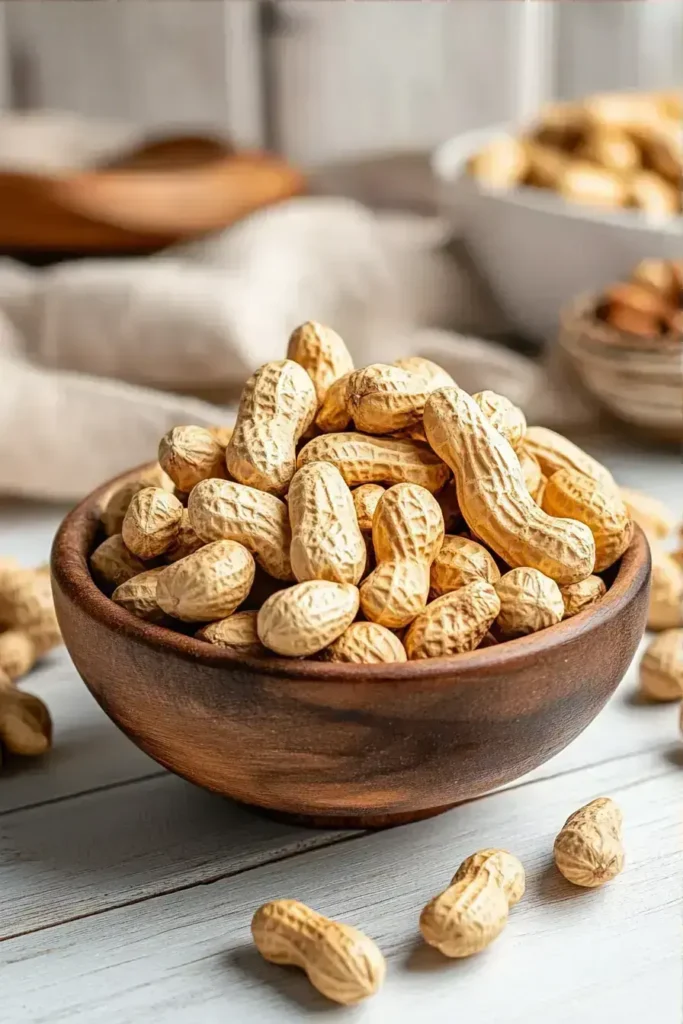
Making your own Peanut Butter at home is one of the simplest joys of cooking, connecting you to generations of kitchen wisdom. This traditional recipe transforms simple roasted peanuts into creamy, rich homemade peanut butter with just a few ingredients and minutes of effort.
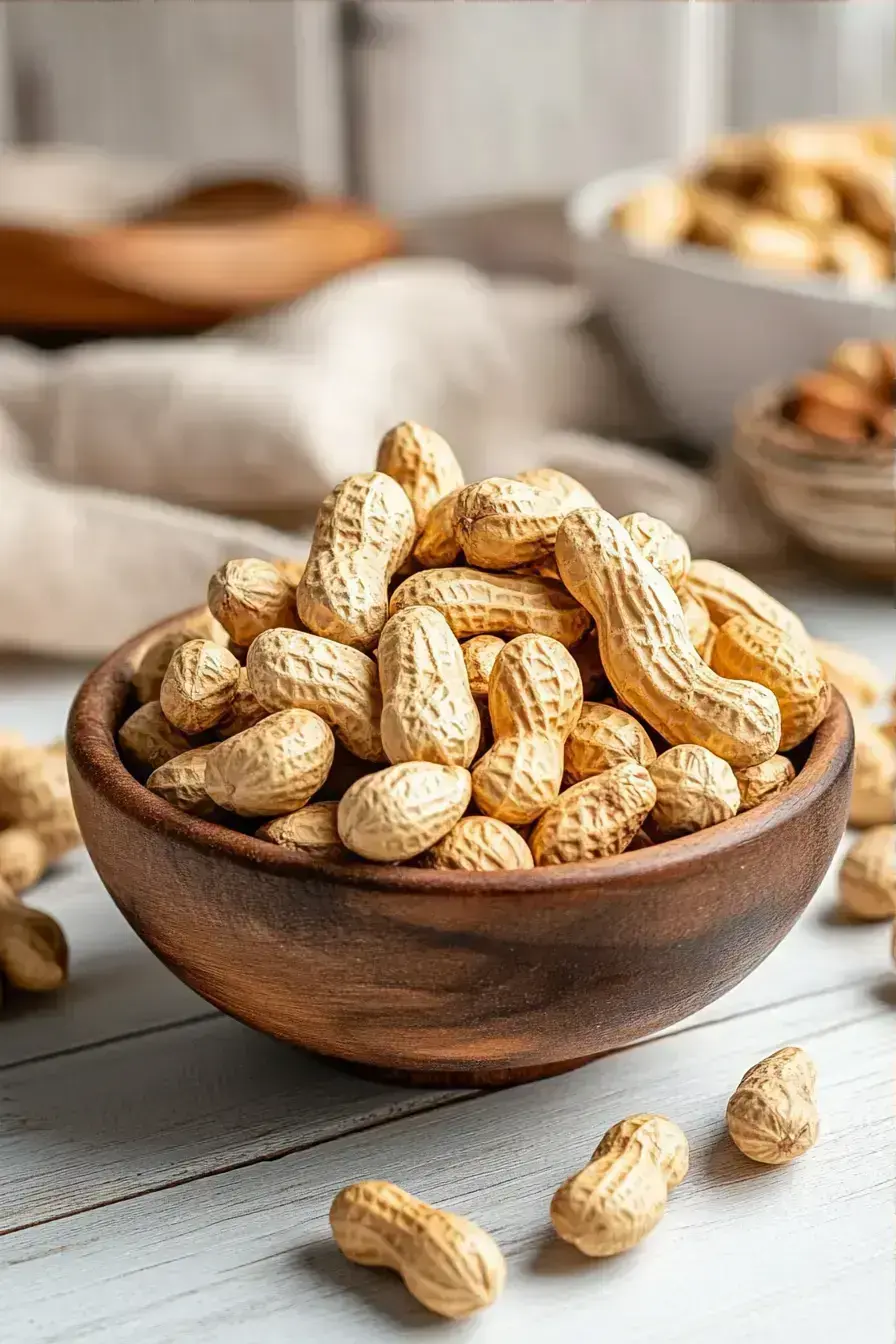
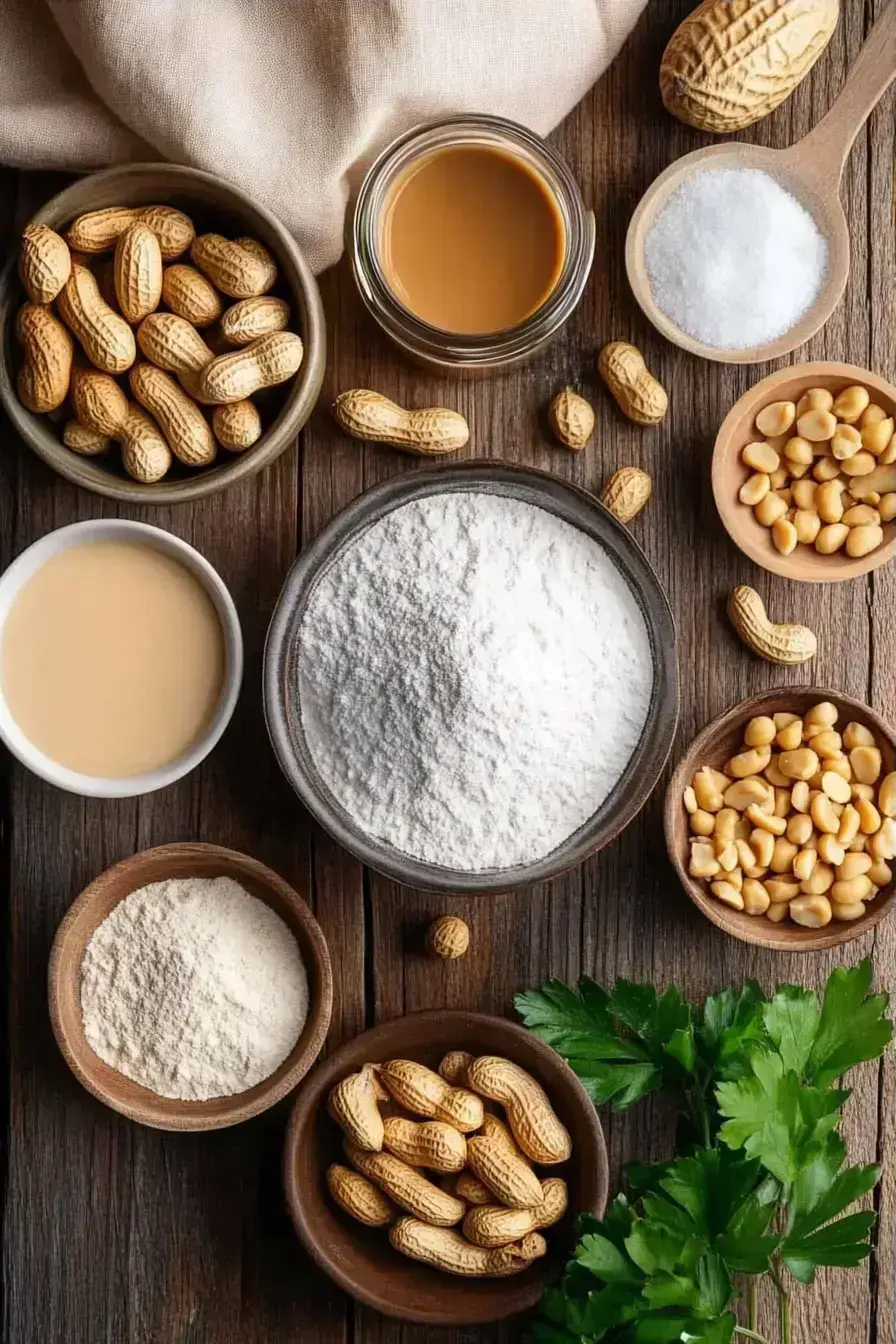
My dear, one of the beautiful things about this peanut butter recipe is how quickly it comes together. In just 5 minutes of prep and 5 minutes of processing, you’ll have a fresh jar ready.
This total time of about 10 minutes makes it perfect for a last-minute spread for sandwiches or a quick snack. It’s faster than a trip to the store. For another quick treat, you might love our peanut butter smoothie on busy mornings.
In our family, we believe good food should be shared with everyone at the table. For those watching their sugar intake, this DIY nut butter recipe is wonderfully adaptable.
You can easily make a delicious sugar-free version by simply omitting the honey. The natural sweetness of the roasted peanuts often satisfies on its own. For a low glycemic option, a tiny pinch of a natural sweetener like stevia can be blended in instead.
Over the years, I’ve learned a few tricks that make all the difference. Here is my generational wisdom for you.
This natural peanut butter is not just delicious; it’s a wholesome choice. It’s a good source of plant-based protein and healthy fats, which help keep you satisfied.
It also provides essential nutrients like vitamin E and magnesium. Compared to many store-bought versions, your homemade batch has complete control over sodium and added sugars. For another nutritious option, our peanut butter granola is a family favorite. You can learn more about the health aspects of nuts from reputable sources like the Harvard T.H. Chan School of Public Health. And if you love baking, these peanut butter cookies are a delightful treat.
If you prefer a lighter version, it’s easily done. Simply skip the optional oil. The peanuts will release their natural oils during blending, still creating a wonderfully spreadable consistency.
For an even richer nutrient profile, you could add a tablespoon of flaxseed or chia seeds during the last minute of processing. It’s a simple way to add fiber and omega-3s.
I remember my grandchildren gathered around the kitchen island, waiting for warm toast slathered with freshly made peanut butter. The aroma fills the whole house with love.
Beyond the classic sandwich, swirl it into oatmeal, use it as a dip for apple slices, or make a savory satay sauce. It’s the heart of so many dishes. For a special dessert, it’s perfect in peanut butter blossoms or as a base for chocolate chip cookies.
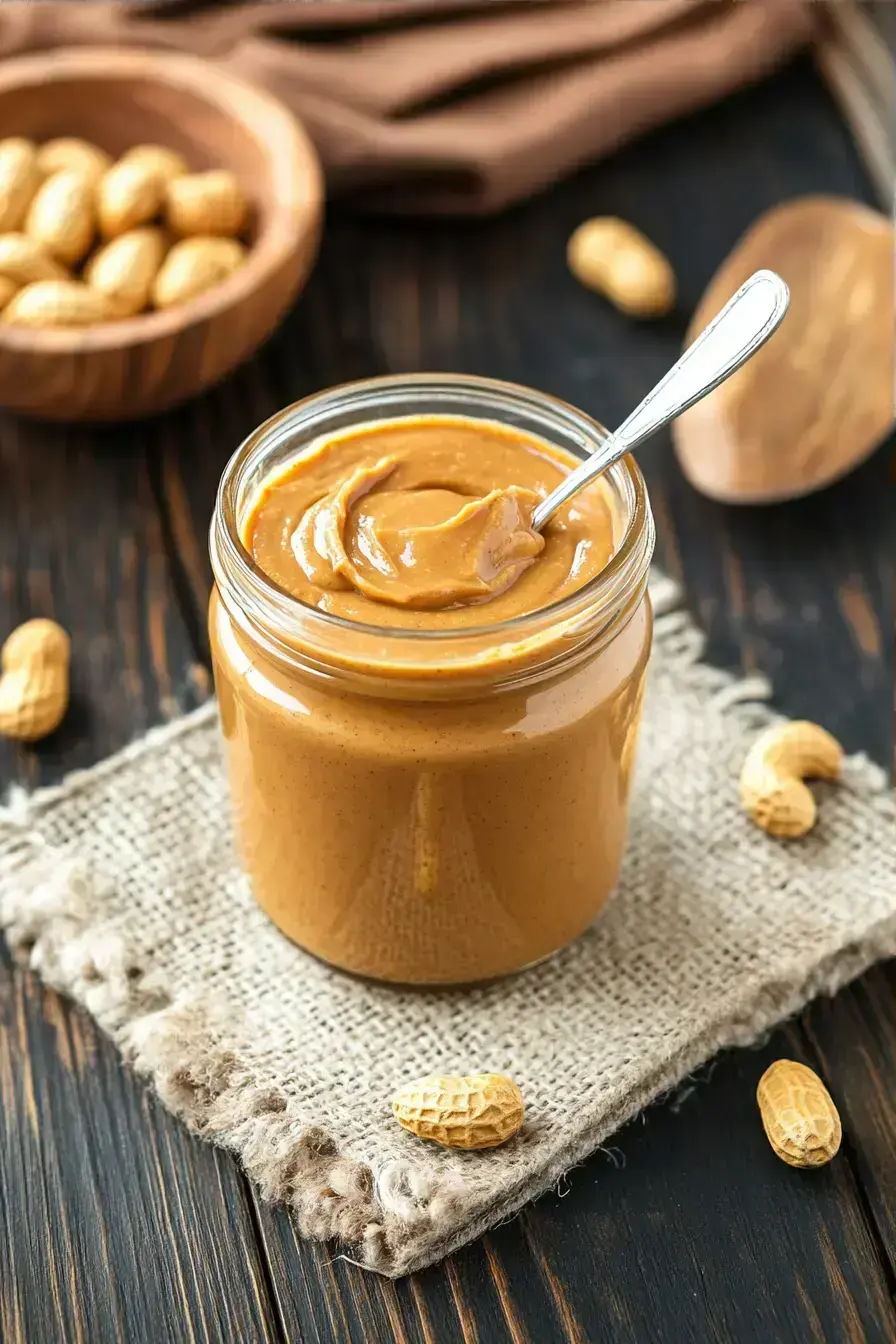
Even with a simple recipe, a little guidance helps. Here’s how to avoid common stumbles, so your homemade peanut butter turns out perfectly every time.
Why is my peanut butter not getting creamy? Impatience is the usual culprit. The mixture will look crumbly, then form a ball, and finally smooth out. Keep processing. For more baking tips that require patience, see our Oreo brownie recipe.
How can I prevent it from being too salty? Always start with unsalted peanuts. You can always add salt, but you can’t take it out. Taste after blending before adding the full amount.
Why did my peanut butter become hard in the fridge? This is natural due to the oils solidifying. Just let it sit at room temperature for 15 minutes before using. It will soften perfectly. For storing other treats, chocolate lasagna has similar tips. The Clean Plates website also has great storage advice for homemade foods.
I learned these lessons the hard way, so you don’t have to. Trust the process, my dear.
My nonna stored everything in beautiful glass jars lined up in the cellar. Your peanut butter deserves the same care.
Transfer it to a clean, airtight glass jar. It will keep well in the refrigerator for up to a month. The natural oils may separate over time; just give it a good stir before using. For a fantastic way to use it up, try our monster cookie brownies.
Making peanut butter from scratch is a small act that carries so much meaning. It connects you to the simple, honest food of the past.
I hope you feel the love in every step. Share it with your family, create new memories, and enjoy the pure taste of your creation. From our table to yours, this homemade peanut butter is made with love. For more kitchen adventures, try your hand at this peanut butter cookie, the delightful peanut butter blossom cookies, or the festive Valentine’s Day Oreo pops.
If you loved the satisfaction of making your own peanut butter, you’ll adore creating these other delightful treats. They’re all about that same feeling of homemade joy.
Chocolate Brownie Trees – A festive and fun bake that will delight everyone at your table.
Cookie Monster Ice Cream – A playful, no-churn ice cream that’s a hit with kids and adults alike.
Your fresh peanut butter will stay fresh in an airtight container in the refrigerator for up to one month. Always use a clean spoon to prevent spoilage. The natural oils may separate, which is normal; just stir well before using.
Absolutely. For crunchy peanut butter, simply reserve about 1/4 cup of the chopped peanuts. Blend the rest until smooth, then stir in the reserved chunks by hand for that perfect texture.
A little oil on top is natural as the natural peanut oils separate. This is a sign of pure, natural peanut butter. Simply stir it back in. If you added optional oil, you can use less next time.
A high-speed blender like a Vitamix works very well. A standard blender may struggle unless you make a larger batch. A powerful food processor is generally the best tool for this peanut butter recipe.

Welcome to Mac Recipes! I'm here to prove that amazing home-cooked meals don't need to be complicated. From weeknight dinners to weekend treats, I create recipes that fit into your busy life—delicious, doable, and always worth making.
More About Me