Homemade Cookie Crust
This post may contain affiliate links.
Read our Disclaimer.
Leave a Comment ★★★★★
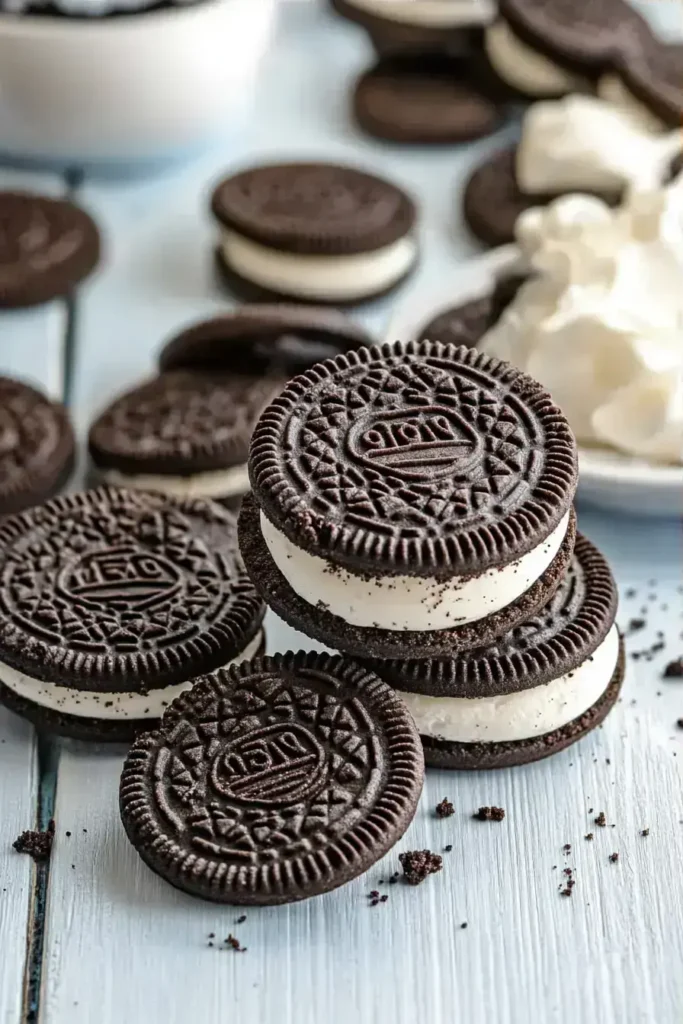
Creating the perfect Oreo Pie Crust is a chef’s secret to elevating any no-bake dessert, and this easy recipe delivers professional results with minimal effort. Whether you’re making a classic cheesecake or a creamy icebox pie, this homemade Oreo crust provides a rich, chocolatey foundation that holds together beautifully.
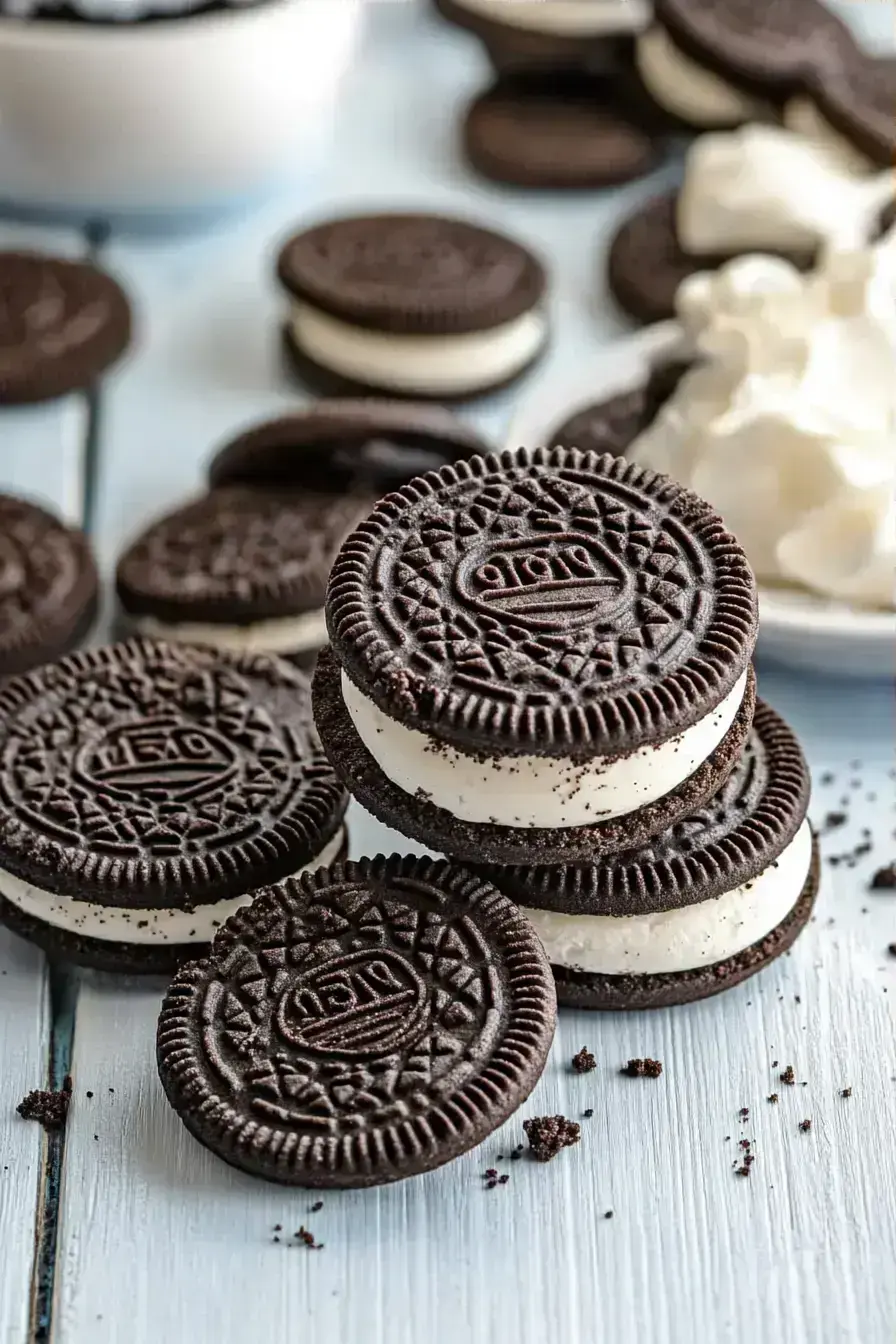
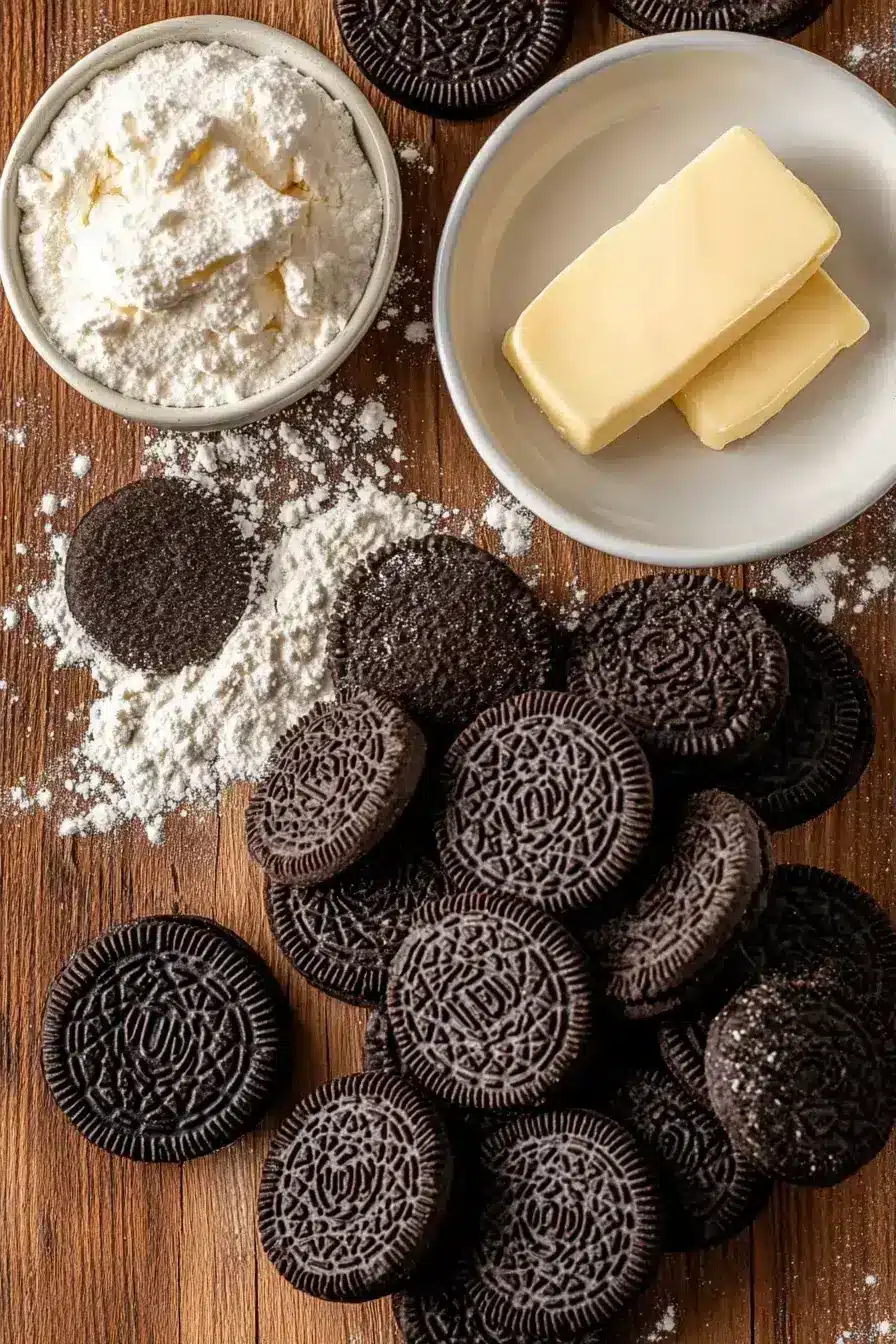
One of the best aspects of this homemade Oreo crust is how quickly it comes together. With just 10 minutes of prep time and 10 minutes in the oven, you’ll have a professional-quality base ready in about 20 minutes total.
This quick timeline makes it ideal for last-minute desserts or when you need a reliable chocolate lasagna foundation without the fuss. The hands-on work is minimal, giving you more time to focus on creating spectacular fillings.
As a chef, I believe everyone should enjoy great desserts. For a lower sugar version, you can seek out sugar-free chocolate sandwich cookies. Alternatively, consider reducing the overall portion size of your final pie to help with glycemic control.
Another chef’s secret is to balance sweetness by pairing this crust with fillings that use natural sweeteners like stevia or erythritol. Remember, technique matters more than exact ingredients when adapting recipes for specific dietary needs.
After years in professional kitchens, I’ve perfected these techniques for the best Oreo Pie Crust. Everything in place makes the process smoother.
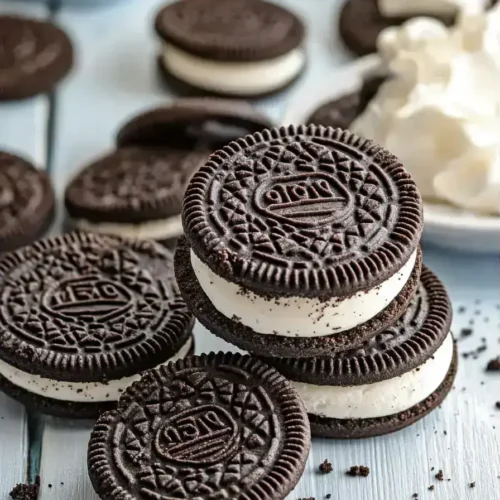
While this crust is a treat, it does contain beneficial antioxidants from the dark cocoa in Oreos. Compared to traditional pie crusts, this version provides more iron and a slight amount of fiber from the cookie crumbs.
Portion control is key to enjoying desserts mindfully. A thinner crust layer can help reduce overall sugar intake while still delivering that satisfying chocolate crunch. For a pumpkin pie with more nutrients, consider this as your base.
Remember that treats like this Oreo brownie can be part of balanced eating when enjoyed occasionally. The USDA FoodData Central provides reliable nutritional information for informed choices.
For a lower-fat version, you can reduce the butter by about one-third and add a tablespoon of applesauce to maintain binding. The texture will be slightly softer but still functional for most no-bake applications.
Another option is to use reduced-fat Oreo cookies, though I find the texture difference minimal. This approach works well when you’re planning a rich filling like in this deep dish brownie recipe where the crust plays a supporting role.
I remember serving this crust at a summer gathering with a light lemon cream filling, and guests couldn’t believe something so simple tasted so elegant. The contrast between the dark chocolate base and bright filling was unforgettable.
For restaurant technique at home, try pairing your Oreo Pie Crust with a fluffy chocolate mousse or a tart raspberry curd. The bitterness of the crust balances sweet fillings perfectly. Consider serving individual portions in mason jars for a charming presentation.
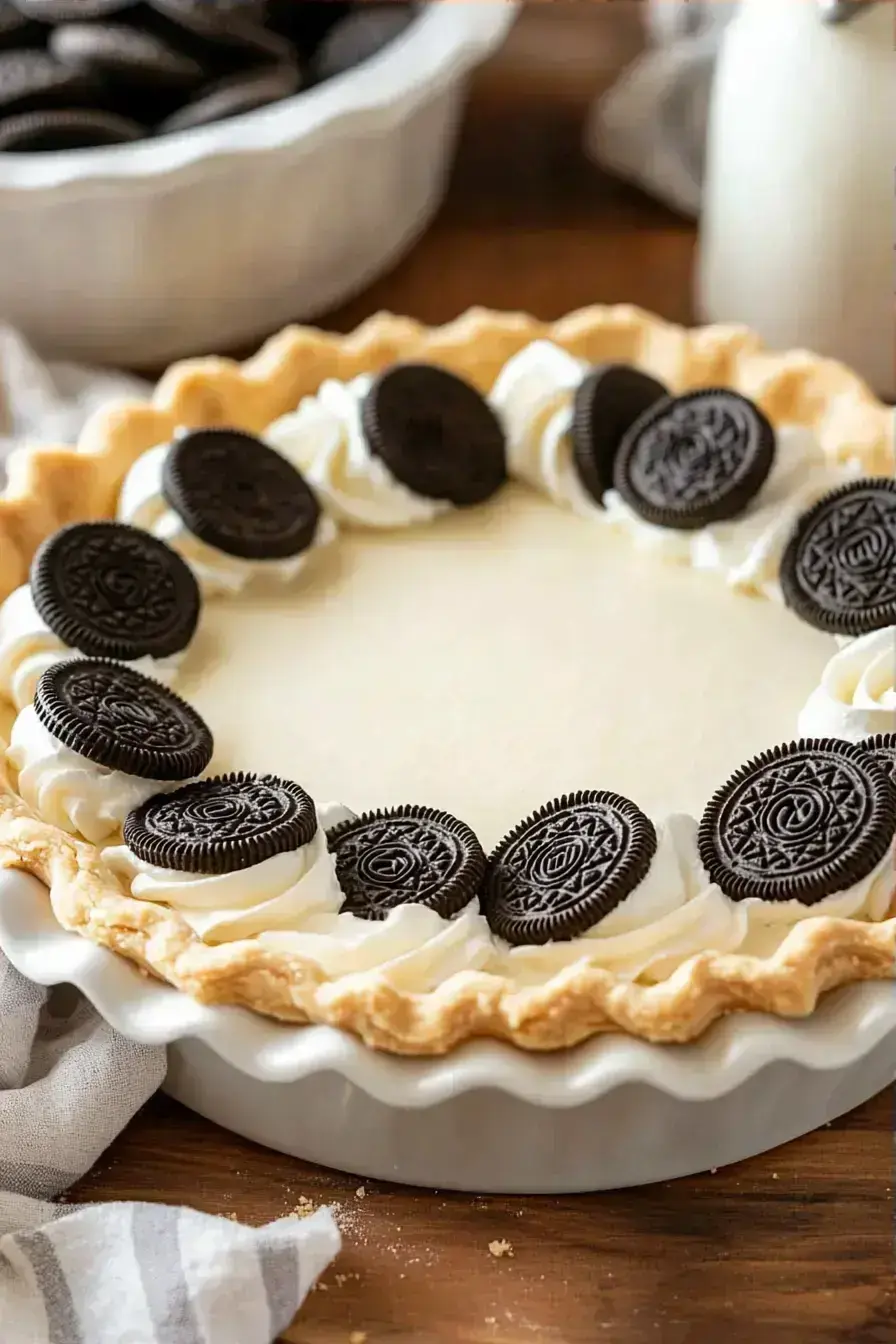
This crust also makes an excellent base for Cookie Monster ice cream pies or a simple coconut cream pie with toasted coconut topping.
Many home cooks wonder why their crust falls apart or tastes too bland. The secret is in the technique and ingredient ratios.
One common issue is under-measuring the butter. Too little fat won’t properly bind the crumbs, leading to a crust that crumbles when sliced. Conversely, too much butter makes the crust greasy and heavy. The perfect ratio is just enough butter to hold the mixture together when squeezed.
Another mistake is uneven pressing. Use the flat bottom of a measuring cup to apply even pressure across the entire pie dish. This prevents thick edges and thin centers that bake unevenly. I learned this technique working alongside pastry chefs who insisted on uniform thickness for professional results.
Don’t overbake your Oreo Pie Crust! Since the cookies are already cooked, you’re just setting the butter and toasting the crumbs slightly. Ten minutes at 350°F is usually perfect. For more baking guidance, check out this pecan pie muffins recipe that shares similar principles.
Finally, avoid using stale cookies. Fresh Oreos provide the best flavor and texture. If you need storage advice, the FoodSafety.gov website offers excellent guidelines for ingredient freshness.
I often make multiple crusts during the holiday season and freeze them for impromptu gatherings. This preparation method has saved me countless times when unexpected guests arrive.
For short-term storage, keep your baked Oreo cookie crust covered at room temperature for up to 2 days. For longer storage, wrap tightly in plastic wrap and freeze for up to 3 months. Thaw at room temperature before filling.
If you’ve already filled your pie, refrigeration is necessary for most fillings. The crust may soften slightly but will still provide that satisfying texture contrast. This approach works well for desserts like Boston cream pie where the crust plays a structural role.
I’ve taught hundreds of home cooks how to master this fundamental technique, and the joy on their faces when they achieve that perfect slice is why I love teaching. This recipe represents the bridge between home cooking and professional pastry work.
Whether you’re making a simple pudding pie or an elaborate layered dessert, this Oreo Pie Crust provides the reliable foundation you need. The technique matters more than the ingredients, and once mastered, you can adapt it endlessly.
Consider using this crust for mummy Oreo balls bases or as a layer in chocolate brownie trees. For festive occasions, it makes wonderful Valentine’s Day Oreo pops bases. And if you love classic flavors, try it with this homemade apple pie filling for a surprising twist. Your journey to perfect Oreo Pie Crust starts with this reliable method.
If you loved mastering this fundamental technique, you might enjoy these other indulgent creations that showcase chocolate in delicious ways.
Churro Cheesecake – A delightful fusion of cinnamon-sugar crust and creamy cheesecake filling that’s surprisingly simple to make.Absolutely! For a no-bake Oreo crust, simply press the crumb-butter mixture into your pie dish and refrigerate for at least 2 hours until firm. This method works perfectly for refrigerated desserts like cheesecakes or icebox pies. The crust will be slightly softer than baked but holds its shape well when chilled.
You’ll need about 24 regular Oreos to yield 1½ cups of crumbs for a standard 9-inch pie crust. I recommend buying a 14.3-ounce package since it contains approximately 36 cookies, giving you some extra for testing consistency. Always measure your crumbs after processing for the most accurate results.
A soggy Oreo Pie Crust typically results from too much butter or a wet filling added before the crust cooled completely. Ensure your melted butter measures exactly ¼ cup and allow the baked crust to cool fully before adding any filling. For no-bake versions, make sure your filling is thoroughly chilled before assembly.
Yes! This method works with any crisp cookie like graham crackers, vanilla wafers, or ginger snaps. Adjust the butter slightly based on the cookie’s fat content. The technique remains the same—finely crush, mix with binder, and press firmly. Each cookie will impart its unique flavor to your final dessert.

Welcome to Mac Recipes! I'm here to prove that amazing home-cooked meals don't need to be complicated. From weeknight dinners to weekend treats, I create recipes that fit into your busy life—delicious, doable, and always worth making.
More About Me