Homemade Italian Seasoning Blend
This post may contain affiliate links.
Read our Disclaimer.
Leave a Comment ★★★★★
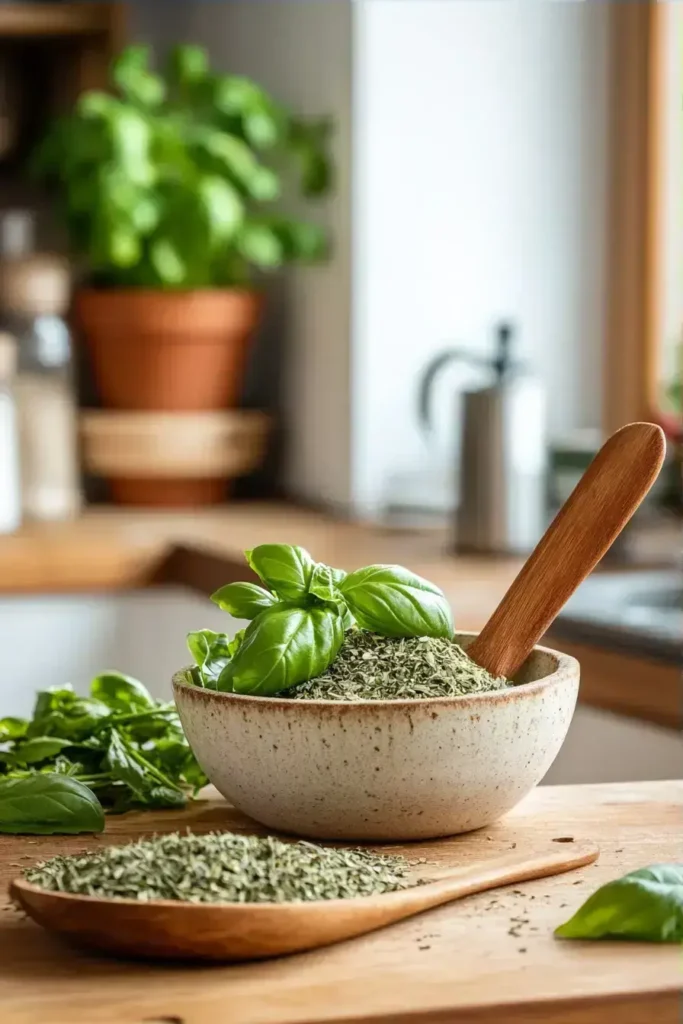
Making your own Italian Seasoning blend at home is one of the simplest ways to elevate your cooking with professional, restaurant-quality flavor. This Homemade Spice Blend gives you complete control over the ingredients, ensuring a fresher, more vibrant taste than store-bought versions.
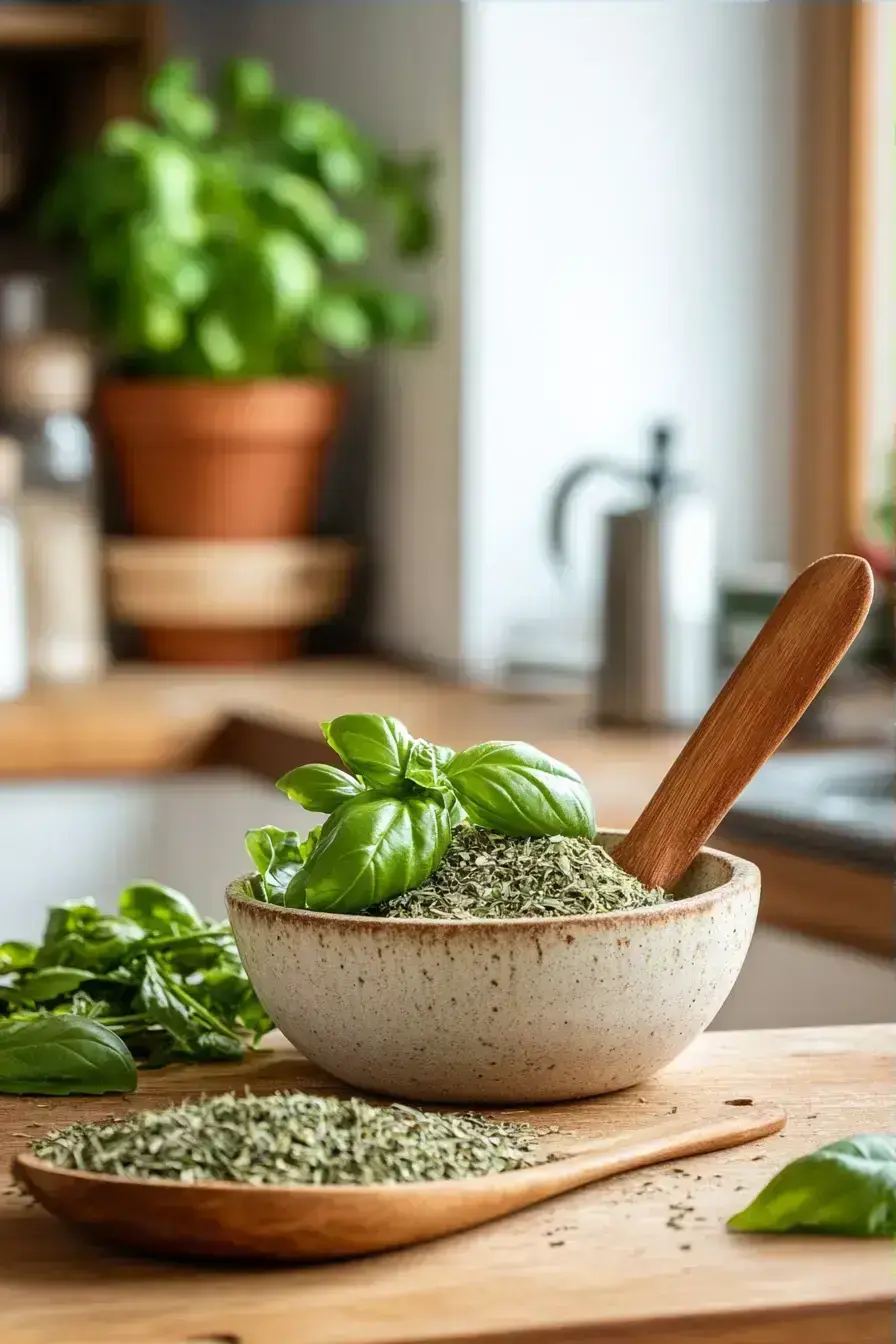
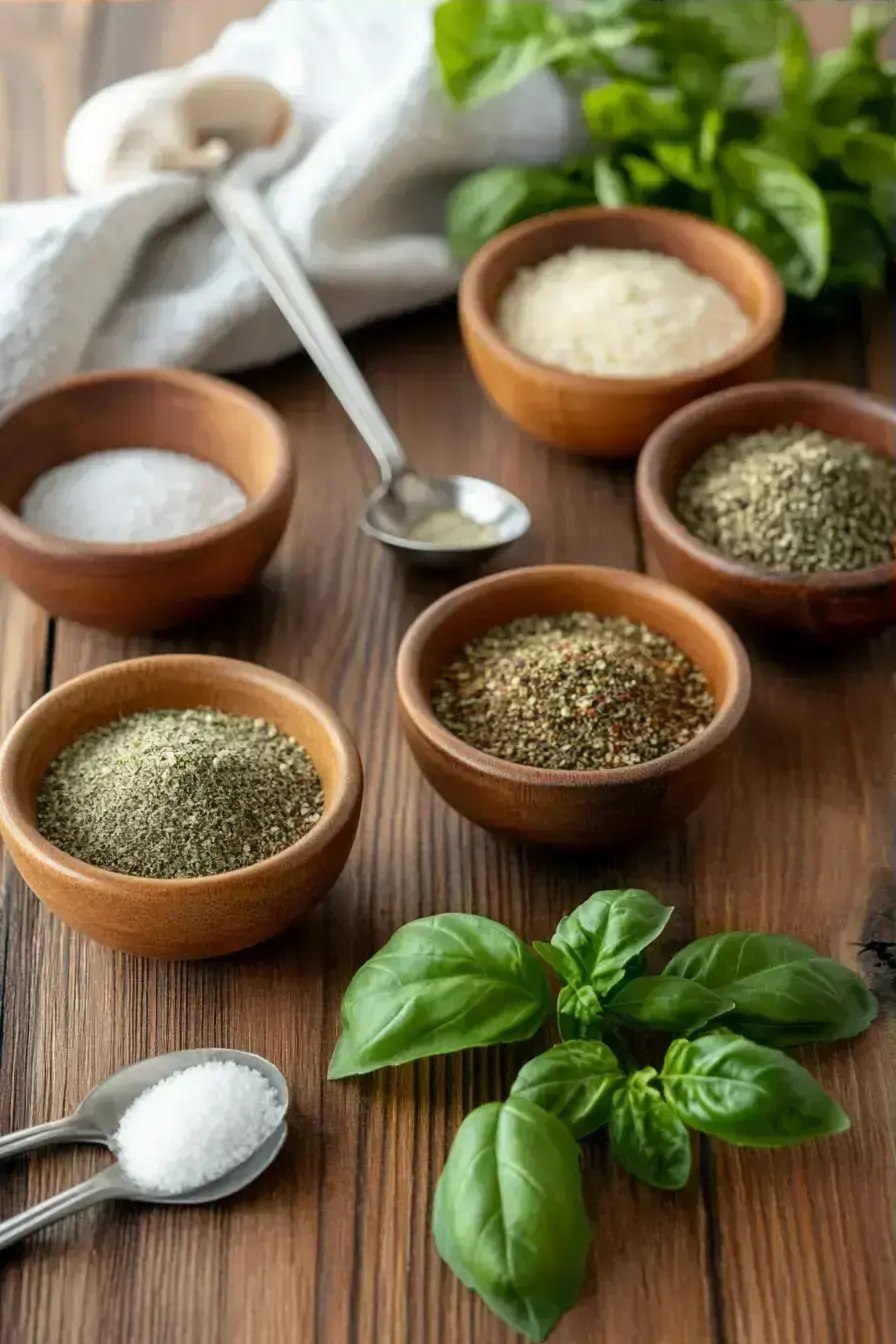
One of the best parts of this Italian Seasoning recipe is how quickly it comes together. With a total time of just 5 minutes, you can have a professional-quality spice blend ready before your pasta water even boils.
This makes it the perfect last-minute solution for enhancing weeknight dinners, like my quick Grilled Chicken Caprese. Since there’s no cooking involved, the process is all about accurate measuring and thorough mixing.
You’ll spend about 5 minutes on prep, and that’s it. This efficiency is a chef’s secret for always having vibrant flavor on hand.
This homemade blend is naturally a great option for those managing their diet, as you control every ingredient. It is inherently sugar-free and low in sodium, making it an excellent choice for a sugar-conscious lifestyle.
For those looking to reduce heat, simply omit the Red Pepper Flakes. The blend remains incredibly flavorful. Because it’s a dry mix, it’s also naturally gluten-free. Always ensure your individual dried herb containers are certified if cross-contamination is a concern.
As a chef, I always emphasize that technique matters, even with something as simple as a spice mix. Here are my top tips for getting the most out of your Homemade Spice Blend.
Creating your own Italian Seasoning isn’t just about flavor; it’s a step toward healthier cooking. Dried herbs are concentrated sources of antioxidants and can help reduce the need for excess salt in your dishes.
Oregano, for instance, is particularly rich in antioxidants. By using this blend to flavor meals like Spinach Artichoke Chicken, you add depth without empty calories. This approach to cooking aligns well with a health-conscious lifestyle, much like the principles behind creating a balanced Homemade Taco Seasoning.
For more information on the benefits of herbs and spices, a great resource is the NCBI database on herbal medicine.
This blend is already quite light, but you can tailor it further. If you’re watching your sodium intake, this recipe is ideal as it contains no added salt. You can confidently use it to add flavor to steamed vegetables or lean proteins.
For an even more aromatic profile without any changes to calorie content, consider adding a teaspoon of dried lemon zest to the mix. It brightens up the flavor beautifully.
I love having this blend ready to go for a quick dinner upgrade. It transforms simple ingredients into something special. One of my favorite weeknight moves is to generously sprinkle it over chicken breasts before roasting.
It’s also the star flavor in classics like Chicken Parmesan. Don’t forget to use it beyond main courses; a pinch stirred into olive oil makes an incredible bread dip, perfect alongside Cheesy Garlic Bliss Bread.
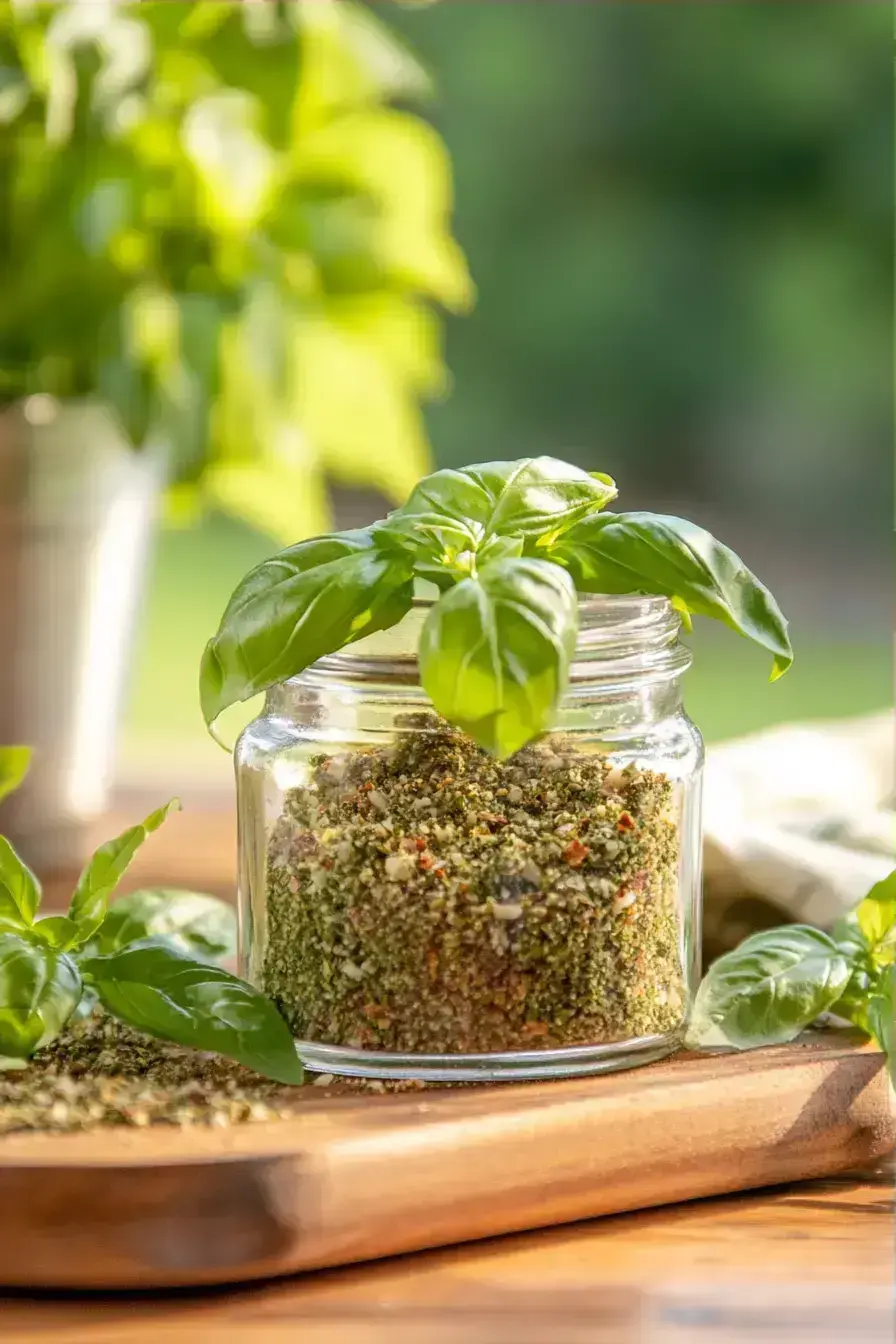
Even a simple recipe has pitfalls. The most common mistake is using stale herbs. If your dried herbs have been in the cabinet for over a year, their flavor will be weak, resulting in a bland Italian Seasoning.
Another error is not mixing the blend thoroughly. You want every scoop to have a uniform distribution of all the herbs and spices. I use a small whisk to ensure it’s perfectly combined. Why does my seasoning clump? Humidity is often the culprit. Always ensure your measuring spoons are completely dry.
For dishes that cook longer, like a slow-simmered sauce for Traditional Italian Meatballs, you can add the herbs early. For quicker-cooking items, add the seasoning at the end to preserve its delicate aroma. A great reference for cooking techniques is Epicurious.
I learned the importance of fresh ingredients early in my career, and it makes all the difference in achieving professional results at home.
Proper storage is the secret to keeping your Dried Herbs Mix vibrant. I always transfer my finished blend into a small, dark glass jar with a tight-fitting lid. I keep it in the spice cabinet, far from the stove and any direct sunlight.
This protects the oils in the herbs from degrading due to heat and light. Stored correctly, your Italian Seasoning will maintain its peak flavor for a good six months. For longer-term storage, you can keep it in the freezer.
Once you start using this homemade blend, you’ll wonder how you ever settled for the store-bought kind. The flavor is just that much brighter and more authentic.
It’s the perfect base for so many dishes, from a hearty Garlic Parmesan Chicken Meatloaf to a simple pasta sauce. I encourage you to make a batch this week and experience the difference fresh ingredients make.
It’s also a fantastic gift for food-loving friends. Making this Italian Seasoning is a small step that pays off in big flavor every time you cook.
If you love the convenience and flavor of making your own seasonings, you’ll want to try these other versatile blends. They’re perfect for adding a global twist to your weeknight meals.
Hello Fresh Tuscan Heat Spice – A warm, slightly spicy blend perfect for Mediterranean-inspired dishes.
Southwest Spice Blend – Ideal for adding a smoky, chili-like flavor to tacos, fajitas, and grilled meats.
Easy Pickling Spice – The essential mix for creating crisp, flavorful pickled vegetables at home.
Traditional Italian Seasoning is a blend of dried Mediterranean herbs like basil, oregano, thyme, rosemary, and marjoram. It often includes savory elements like garlic powder and onion powder, and sometimes a touch of red pepper flakes for heat. The exact ratios can vary, but this combination creates the classic flavor profile.
Fresh herbs have a different moisture content and potency than dried. This specific Homemade Spice Blend is designed for dried herbs, which have a concentrated flavor and long shelf life. If you want to use fresh herbs, it’s best to add them individually to dishes rather than trying to make a shelf-stable blend.
When stored correctly in an airtight container in a cool, dark place, your homemade Italian Seasoning will maintain its best flavor for about 6 months. After that, the herbs will gradually lose their potency, though the blend will still be safe to use.
While both are herb blends, Italian Seasoning typically focuses on basil, oregano, and marjoram. Herbes de Provence is a French blend that usually includes lavender and savory, giving it a distinct floral and earthy character that is different from the Mediterranean profile of Italian seasoning.

Welcome to Mac Recipes! I'm here to prove that amazing home-cooked meals don't need to be complicated. From weeknight dinners to weekend treats, I create recipes that fit into your busy life—delicious, doable, and always worth making.
More About Me