Winter Salad with Roasted Squash
This post may contain affiliate links.
Read our Disclaimer.
Leave a Comment ★★★★★
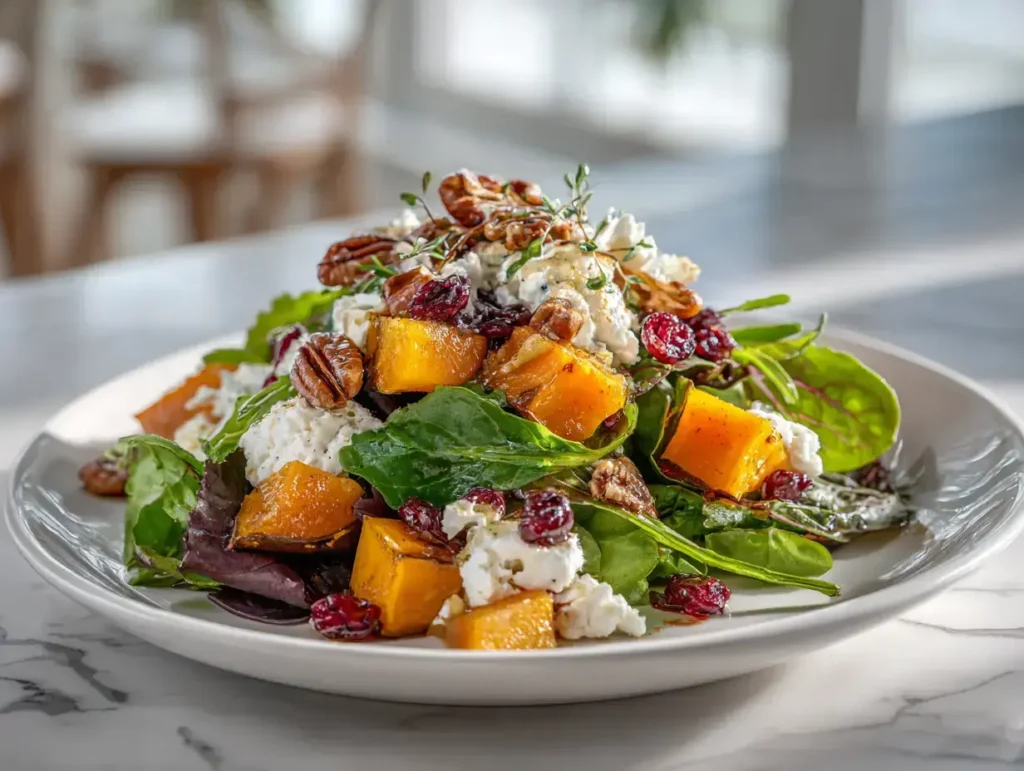
Creating a Winter Salad that brings restaurant-quality flavor to your table is simpler than you think, focusing on balancing hearty roasted vegetables with bright, fresh ingredients for a truly satisfying meal. This guide walks you through a systematic approach that ensures professional results every time, perfect for a healthy seasonal salad or a festive holiday gathering.
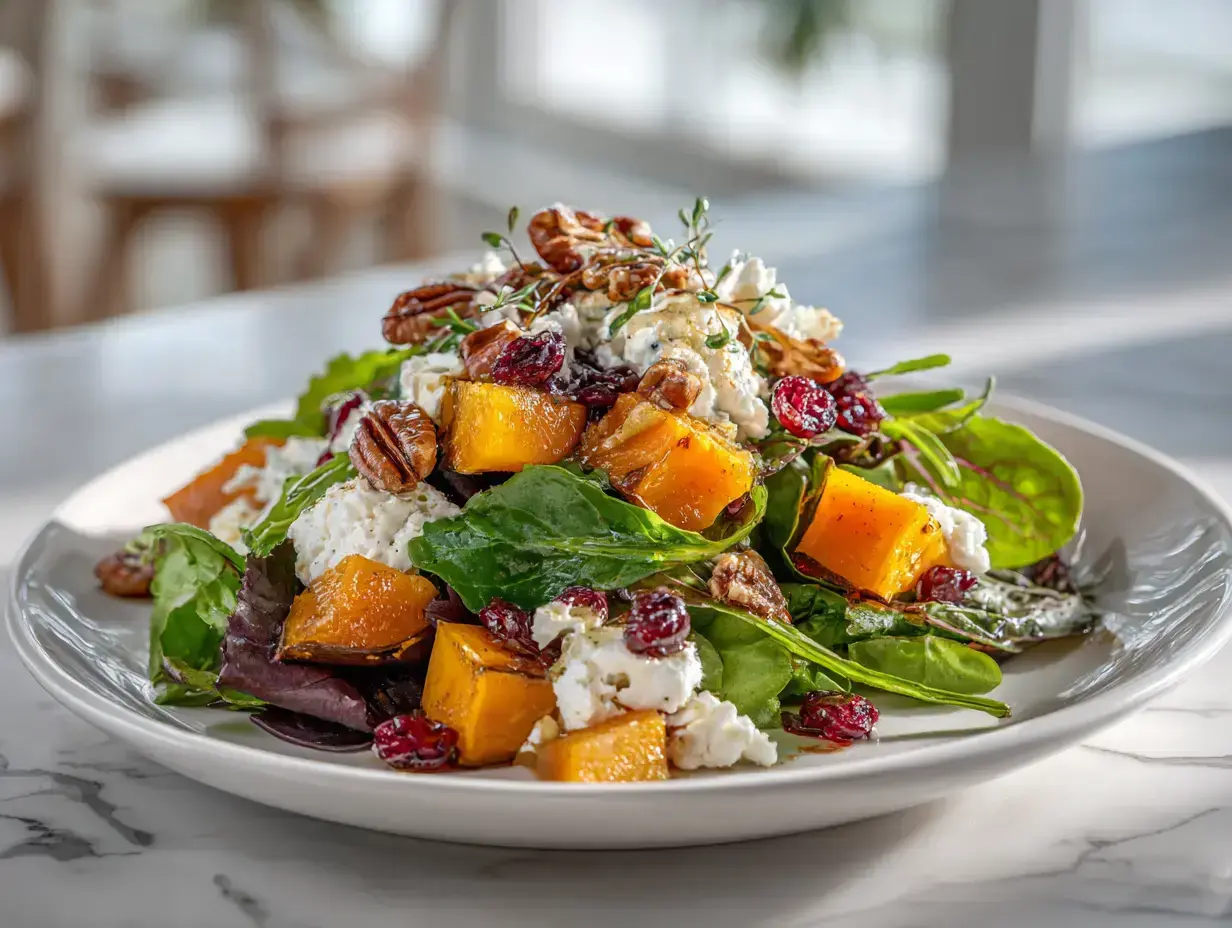
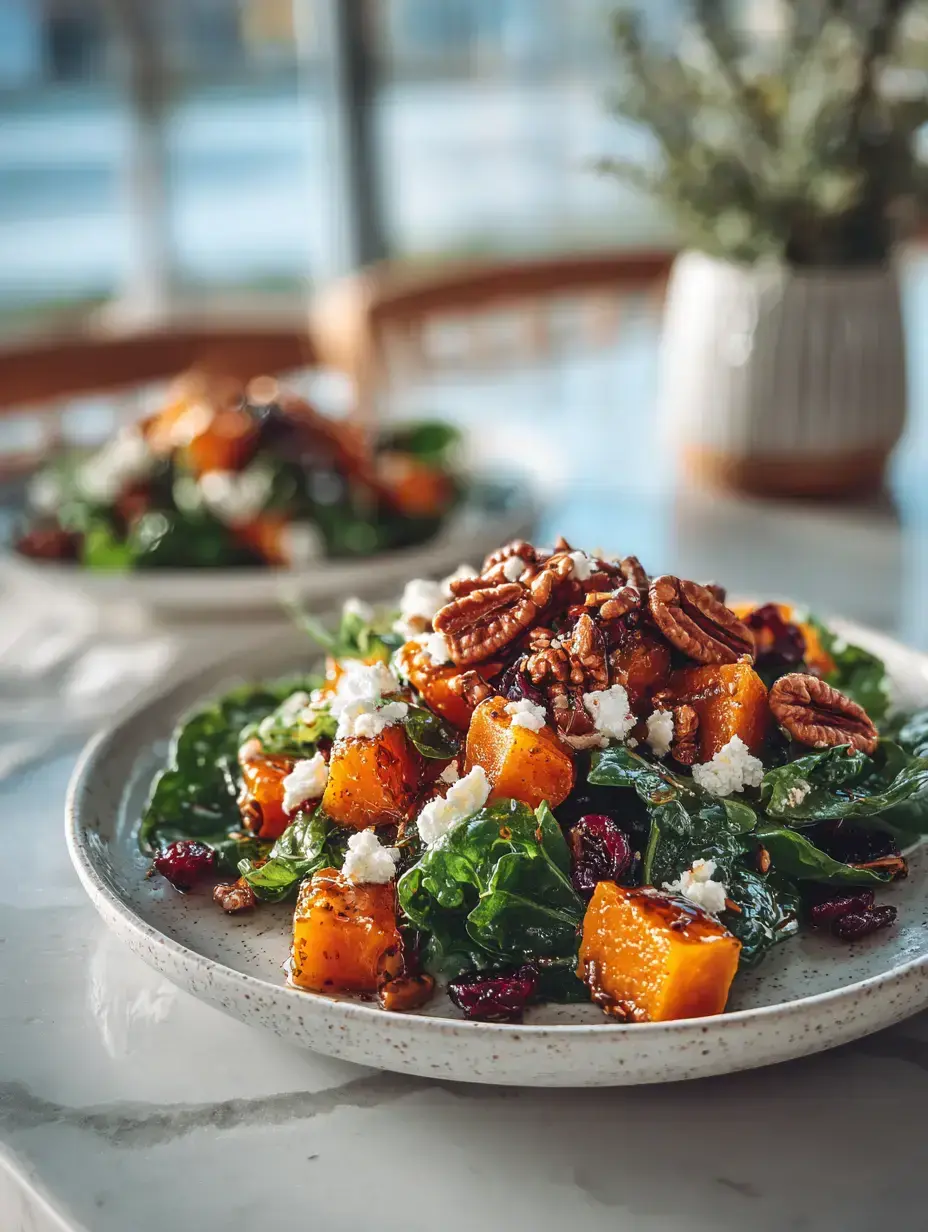
As a professional chef, I appreciate recipes that respect your time while delivering maximum flavor. This quick winter salad comes together in just 40 minutes total, making it an ideal easy winter salad for busy weeknights.
With only 15 minutes of active prep work, you can have your butternut squash roasting while you prepare the other components. The 25-minute cook time is mostly hands-off, giving you time to set the table or prepare a simple main course like roasted Brussels sprouts to complete your meal.
What makes this seasonal salad recipe particularly efficient is the parallel preparation. While the squash roasts, you can toast the pecans, mix the dressing, and prepare the greens. This organized approach is what I teach in cooking school to help home cooks create restaurant-quality meals without stress.
Many of my cooking students ask how to make this healthy winter salad work for specific dietary needs, particularly those monitoring sugar intake. The great news is that this recipe is naturally adaptable for various preferences.
For a lower glycemic index option, you can replace the honey in the dressing with a sugar alternative like stevia or xylitol. The dried cranberries contribute natural sweetness, but you could reduce the quantity or opt for unsweetened varieties. Portion control is another simple way to enjoy this fall salad recipe while managing carbohydrate intake, as the roasted squash provides valuable nutrients along with its natural sugars.
After teaching countless salad-making classes, I’ve discovered a few chef secrets that transform a good winter salad into an exceptional one. These professional tips will help you achieve restaurant technique at home.
This healthy seasonal salad isn’t just delicious—it’s packed with nutritional benefits that support overall wellness during the colder months. The combination of ingredients provides a powerful array of vitamins, minerals, and antioxidants.
Winter greens like kale and spinach are rich in vitamins A, C, and K, along with iron and folate. Butternut squash offers substantial vitamin A from beta-carotene, which supports immune function—particularly valuable during winter. The pecans contribute healthy monounsaturated fats and magnesium, while the goat cheese provides protein and calcium. For another nutrient-packed side, consider my roasted broccoli which offers similar health benefits.
This winter salad with squash delivers approximately 8 grams of fiber per serving, supporting digestive health and helping you feel satisfied longer. The combination of fiber, healthy fats, and protein makes this an exceptionally balanced meal. According to the Harvard Healthy Eating Plate, meals should emphasize vegetables, healthy fats, and whole grains, which aligns perfectly with this recipe. For more vegetable-focused ideas, my pan-fried Brussels sprouts offer another approach to getting your daily vegetables.
If you’re looking to reduce calories or fat content while maintaining flavor, this autumn salad adapts beautifully to a lighter approach. Simple modifications can create a version that’s equally satisfying but lower in calories.
Reduce the olive oil in the dressing by half and supplement with vegetable broth or citrus juice. You could also omit the cheese entirely or use a smaller amount of a strongly flavored variety like Parmesan. For another light vegetable dish that doesn’t compromise on taste, try my roasted garlic cabbage steaks which offer big flavor with minimal ingredients.
I always tell my students that we eat with our eyes first, and presentation matters even for casual meals. Serving this winter salad bowl with attention to detail elevates the entire dining experience.
Arrange the greens as a base on individual plates or a large platter. Scatter the warm roasted squash strategically, allowing some pieces to remain visible rather than tossing everything together. Sprinkle the pecans, cranberries, and goat cheese evenly across the top for visual appeal. I love serving this harvest salad family-style with a beautiful wooden bowl and salad tongs—it encourages sharing and conversation. For a complete meal, pair it with honey roasted carrots and a simple protein.
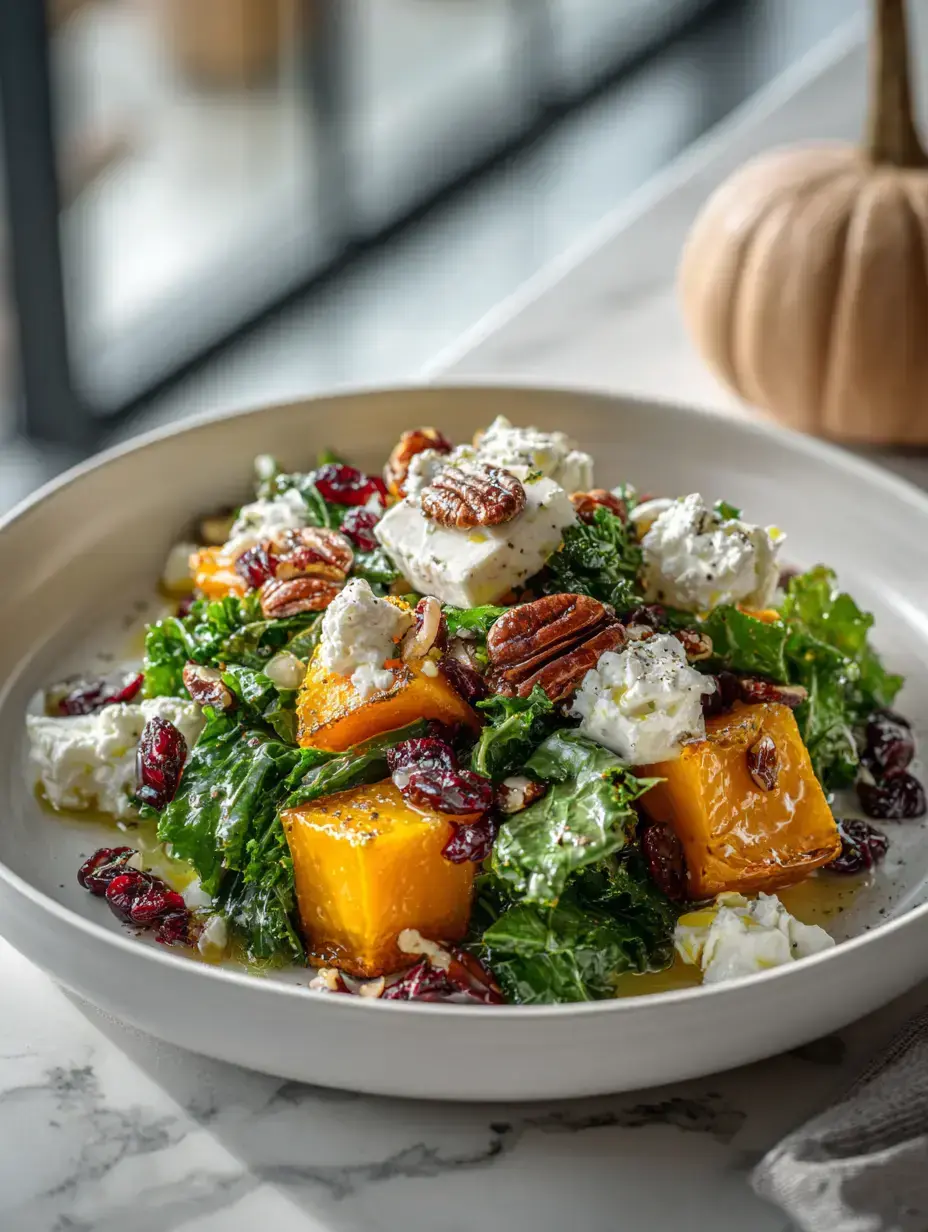
Consider your serving temperature carefully. This warm winter salad is best enjoyed when the squash is still slightly warm but not piping hot, as extreme heat can wilt the delicate greens. For another elegant presentation idea, my braised leeks and peas demonstrates how simple techniques can create impressive results.
Over years of teaching, I’ve seen the same simple mistakes prevent home cooks from achieving salad perfection. Recognizing these common pitfalls will help you create the best winter salad possible.
One frequent error is overcooking the squash until it becomes mushy. Remember that caramelized edges with a tender interior provide the ideal texture contrast. Another mistake is adding warm squash directly to cold greens, which can cause wilting. Let the squash cool for about 5 minutes before assembling your winter salad with squash.
Many people underseason their dressings, resulting in a bland final dish. Taste your dressing and adjust the balance of sweet, salty, and acidic elements before adding it to the salad. For more seasoning guidance, my creamy vegetable casserole discusses how to layer flavors effectively. According to America’s Test Kitchen, seasoning should happen in stages rather than all at once.
Finally, don’t overlook the importance of toasting nuts. Raw pecans lack the depth of flavor that toasted nuts provide. For another recipe that demonstrates proper technique with nuts and seeds, check out my vegetable grain bowl which uses similar principles.
Proper storage extends the life of your leftovers and maintains quality. With a few simple techniques, you can enjoy this easy winter salad for days after preparation.
Store components separately whenever possible. Keep the dressing in a sealed jar, the toasted pecans in an airtight container, and the washed greens in a produce bag with a paper towel to absorb excess moisture. The roasted squash can be refrigerated for up to 4 days. When ready to enjoy, reassemble individual portions rather than mixing everything together at once. For another dish with excellent storage properties, my bruschetta demonstrates how component-based preparation maintains freshness.
This recipe represents everything I love about seasonal cooking—it’s adaptable, nourishing, and celebrates the best ingredients winter has to offer. I developed this particular combination after years of seeking the perfect balance between hearty satisfaction and fresh brightness in cold-weather salads.
Whether you’re preparing a simple family dinner or entertaining guests, this winter salad delivers restaurant-quality results with home kitchen simplicity. The systematic approach ensures success even if you’re new to seasonal cooking. For more inspiration on creating complete meals, explore my labneh and burrata appetizer which pairs beautifully with this salad. If you’re planning a holiday menu, my easy Thanksgiving vegetables and classic Thanksgiving sides offer complementary dishes that round out your table.
Remember, technique matters more than fancy ingredients when creating memorable meals. This approachable Winter Salad proves that with a little organization and attention to detail, you can achieve professional results in your own kitchen. I encourage you to try this recipe and discover how satisfying seasonal cooking can be.
If this winter salad has inspired you to embrace seasonal cooking, here are more comforting recipes that celebrate the best of cold-weather ingredients. Each dish follows the same principle of balancing flavor, nutrition, and approachable technique.
Authentic Greek Salad – A classic combination of crisp vegetables, briny olives, and tangy feta cheese that’s refreshing year-round.
Heartier greens like kale, spinach, radicchio, and escarole hold up best in a winter salad. Their sturdy texture won’t wilt immediately when paired with warm ingredients like roasted squash. I recommend massaging kale with a bit of dressing to soften its fibrous leaves before assembling your salad.
Yes, you can prepare components 1-2 days in advance. Store the dressing, roasted squash, toasted nuts, and greens separately. Combine everything just before serving to maintain optimal texture. This make-ahead approach makes this winter salad perfect for holiday entertaining or meal prep.
Grilled chicken, roasted chickpeas, flaked salmon, or hard-boiled eggs all complement this winter salad beautifully. For a vegetarian option, add cooked quinoa or lentils. The robust flavors stand up well to protein additions without becoming overwhelmed.
Ensure roasted vegetables have cooled slightly before adding to greens. Dress the salad just before serving, and consider serving dressing on the side. Using hearty winter greens that are thoroughly dried after washing also helps prevent sogginess in your salad.

Welcome to Mac Recipes! I'm here to prove that amazing home-cooked meals don't need to be complicated. From weeknight dinners to weekend treats, I create recipes that fit into your busy life—delicious, doable, and always worth making.
More About Me