Simple Vanilla Cake Baking
This post may contain affiliate links.
Read our Disclaimer.
Leave a Comment ★★★★★
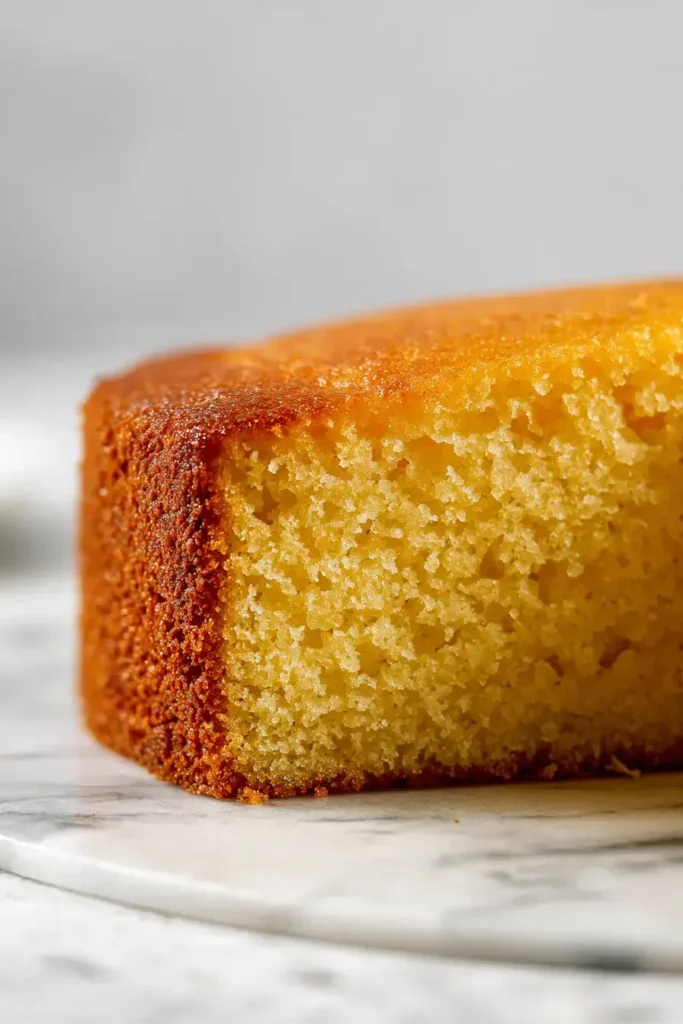
Creating the perfect Vanilla Cake is a fundamental skill for any home baker, and this classic recipe delivers professional results every time. With a focus on technique and quality ingredients, I’ll guide you through a systematic method that ensures a moist, tender crumb and that beloved, rich vanilla flavor.
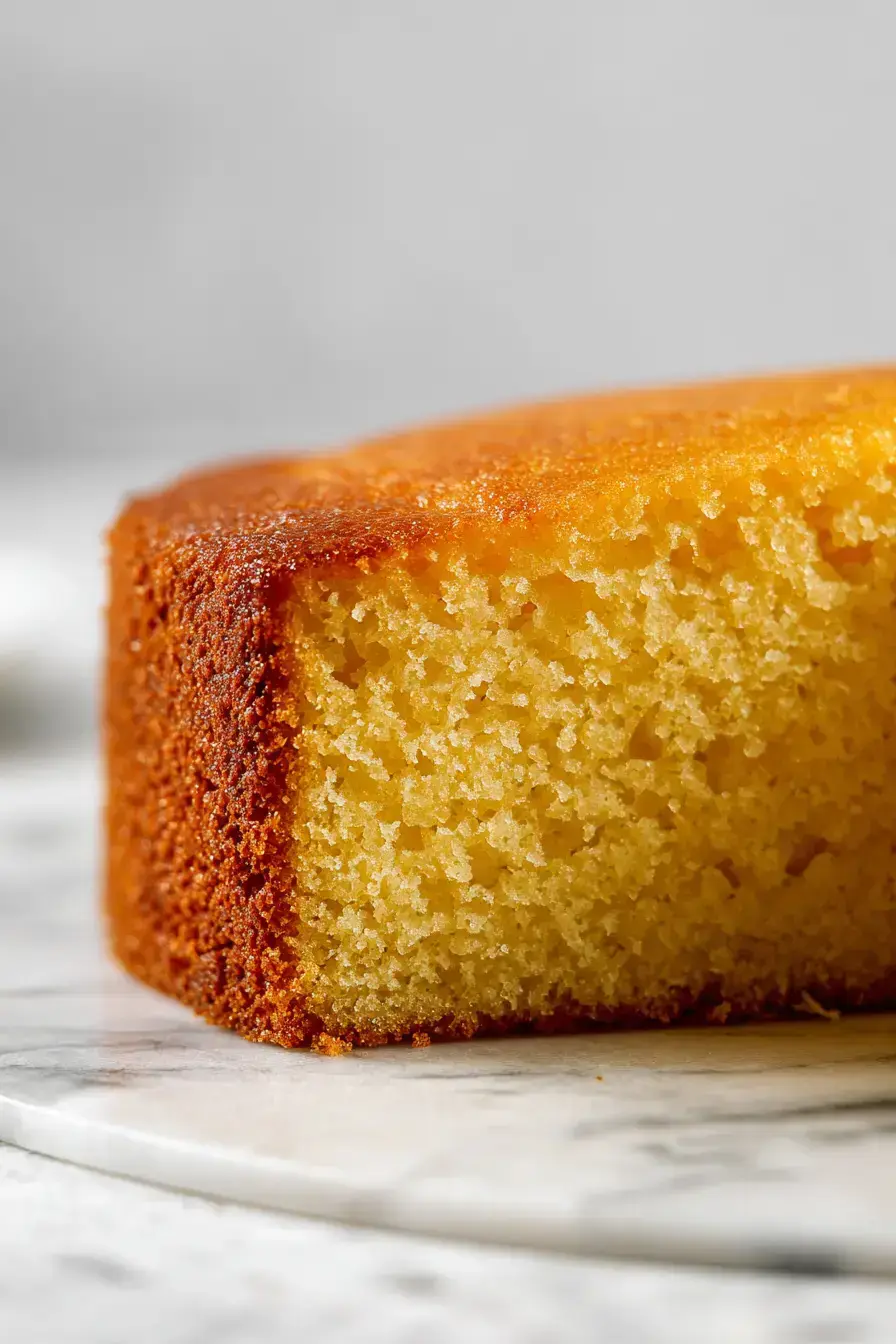
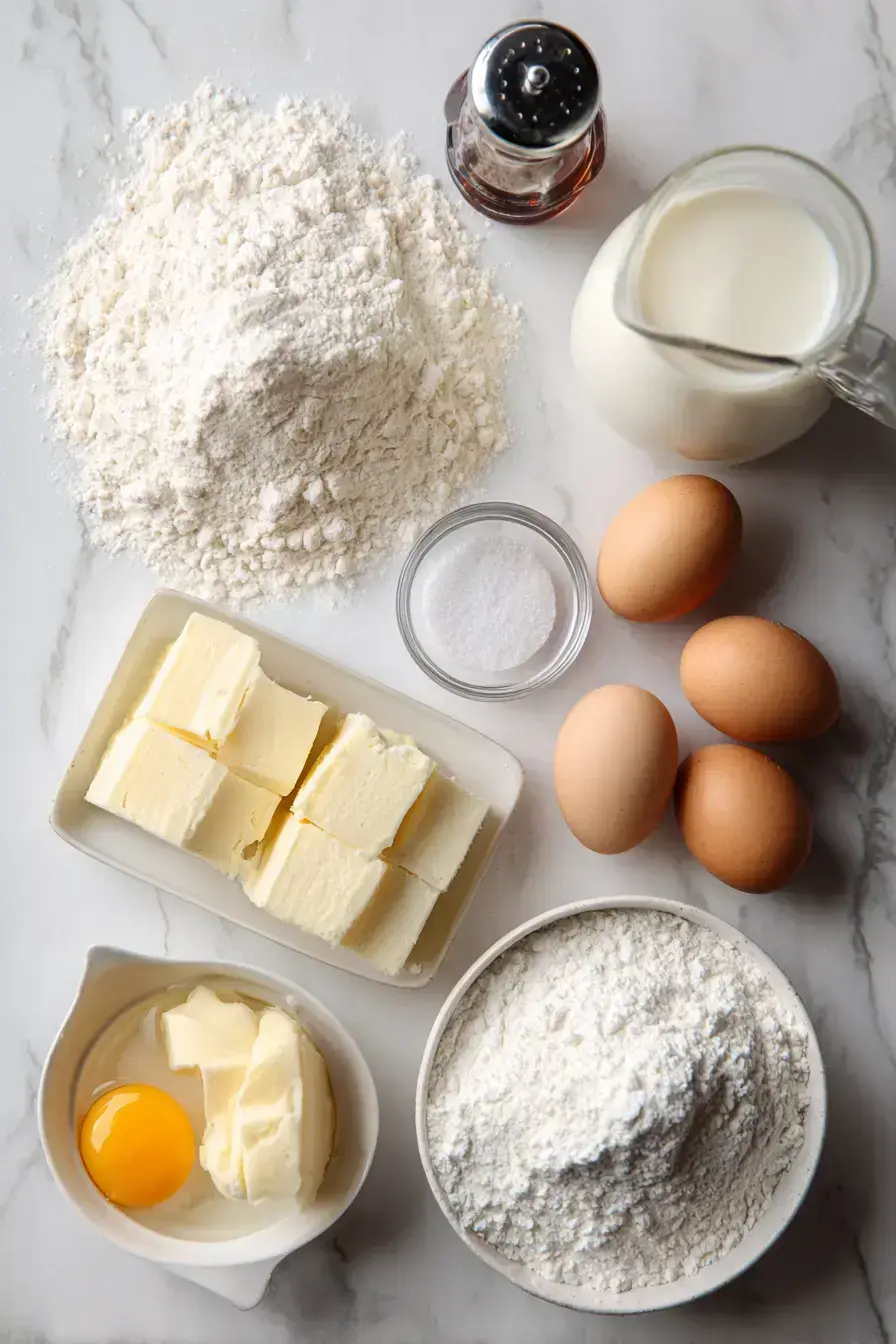
You’ll be delighted by how quickly this Homemade Vanilla Cake comes together. With just 20 minutes of active prep time, you can have your batter ready for the oven. The baking time is a straightforward 25 to 30 minutes, bringing your total time to under an hour.
This efficient timeline makes it an ideal project for a weekend baking session or even a weeknight treat. Compared to more complex layer cakes, this recipe streamlines the process without sacrificing quality. The key is having all your ingredients measured and at room temperature before you begin, which I’ll emphasize in the steps. For another fantastic cake that’s ready in about the same time, check out my simple blueberry cake.
As a chef, I believe everyone should be able to enjoy a great cake. If you’re sugar conscious or managing dietary needs, a few simple tweaks can make this recipe more accessible. The goal is to maintain that delightful texture while adjusting the sweetness to your preference.
Consider using a natural sugar alternative like stevia or xylitol in place of granulated sugar. You can also reduce the overall sugar by up to 25% without drastically altering the cake’s structure. Another option is to focus on portion control, enjoying a smaller slice alongside fresh berries for a more balanced, low glycemic index dessert.
After teaching countless baking classes, I’ve gathered the most common questions and solutions. Here are my top tips to ensure your Vanilla Cake is a masterpiece.
When you bake a Classic Vanilla Cake from scratch, you have complete control over the ingredients. A single slice provides energy primarily from carbohydrates, with a moderate amount of fat from the butter. Using quality ingredients like real butter and eggs contributes to the cake’s richness and nutritional profile.
Eggs are a good source of protein and essential vitamins. While this is certainly a treat, enjoying it as part of a balanced diet is perfectly reasonable. For a fruit-forward dessert option with similar comfort-food appeal, my strawberry icebox cake is a fantastic choice. If you’re interested in the science of baking, resources like the King Arthur Baking resource library offer great insights. For another classic layer cake, explore my German chocolate cake recipe.
If you’re looking to lighten up this Birthday Cake Recipes staple, a few strategic swaps can make a difference. You can replace half the all-purpose flour with white whole wheat flour for a fiber boost. For reduced fat, substitute half the butter with unsweetened applesauce, though this will slightly change the texture.
Reducing the sugar by a quarter cup is often successful without compromising sweetness too much. For a naturally lighter cake option that doesn’t require adaptation, my lemon blueberry cake is a wonderful alternative.
I love serving this cake as the centerpiece of a celebration. A simple dusting of powdered sugar lets the flavor shine, while a dollop of freshly whipped cream adds elegance. For a truly decadent treat, a generous pour of my vanilla custard and berry compote transforms it into a special occasion dessert.
Pair slices with fresh berries or a scoop of vanilla bean ice cream. A cup of coffee or a glass of cold milk are the perfect accompaniments. This cake also serves as a superb base for a layered celebration cake. For another stunning layered dessert, you might enjoy my carrot cake trifle.
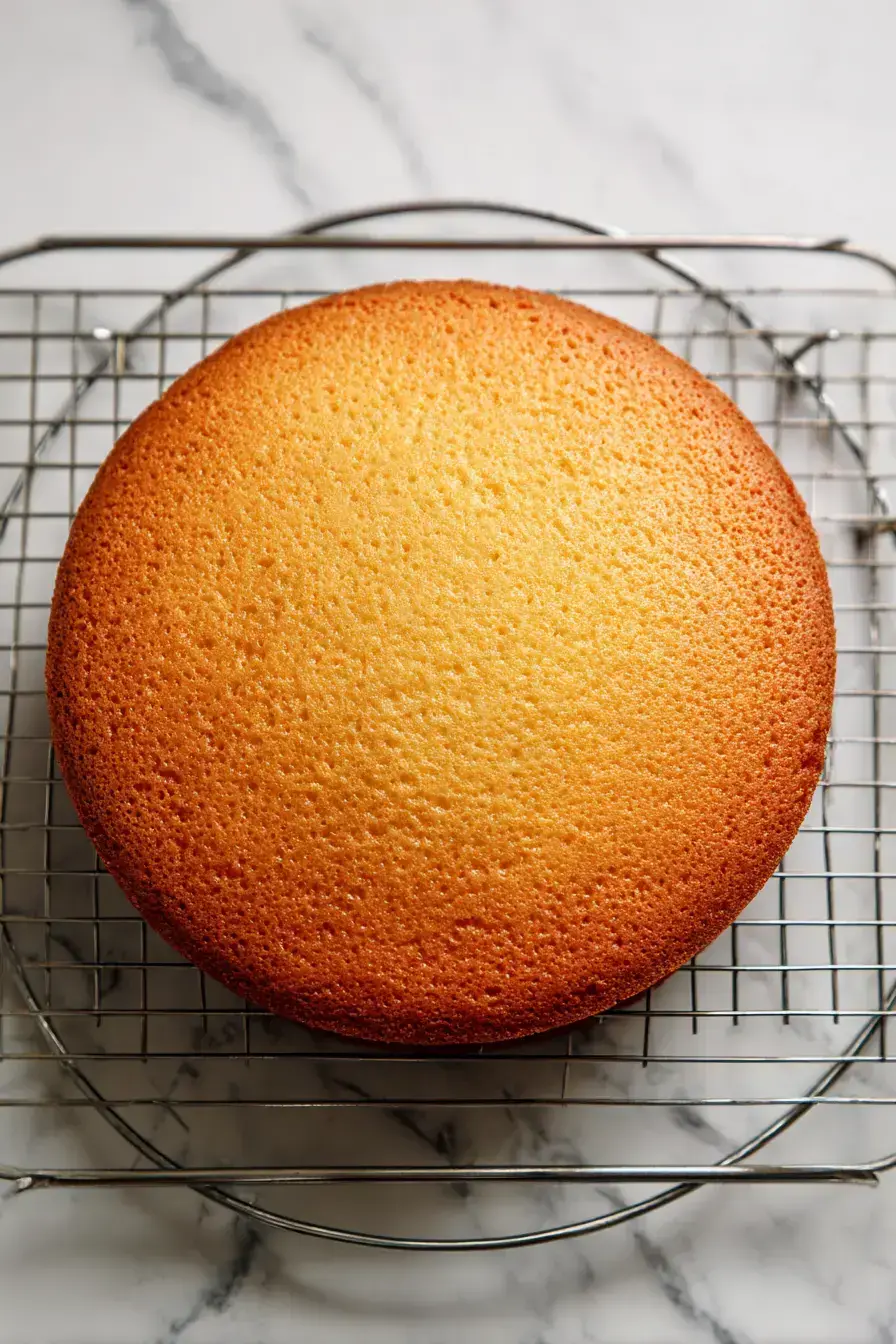
Why is my cake dense? This usually happens when the butter and sugar aren’t creamed long enough. Cream for a full 3-4 minutes until pale and fluffy to incorporate air. How do I prevent a dry cake? Overbaking is the main culprit. Start checking at the 25-minute mark with a toothpick.
Why did my cake sink in the middle? Often, this is due to underbaking or opening the oven door too early. Ensure your oven is properly preheated and avoid peeking for the first 20 minutes. Another common issue is using cold ingredients, which prevents proper emulsification. I remember one baking class where a student’s cake was tough simply because the eggs were straight from the fridge. Taking the extra time to bring everything to room temperature makes all the difference. For more troubleshooting on rich cakes, see tips for my red velvet cake. For general baking advice, the Betty Crocker tips section is helpful. And for a different type of cake altogether, learn from the process of making purple velvet cake.
This cake brings back memories of my grandmother’s kitchen, where a cake under a glass dome was a permanent fixture. To keep your cake moist, store it in an airtight container at room temperature for up to 3 days. For longer storage, you can freeze the unfrosted layers tightly wrapped in plastic wrap and then foil for up to 3 months.
Thaw overnight in the refrigerator before serving. If you’ve frosted the cake, it’s best to freeze the entire assembled cake on a tray until solid, then wrap it well. This same method works great for other moist cakes like my Hawaiian carrot pineapple cake.
This recipe is more than just a list of ingredients; it’s a reliable technique that will build your confidence in the kitchen. The satisfaction of pulling a perfectly golden, fragrant Vanilla Cake from your own oven is unmatched. It’s the kind of foundational recipe that becomes a family tradition.
I encourage you to give it a try this weekend. Once you master this base, you can explore so many variations. It’s the perfect dessert for any gathering. If you love this, you might also enjoy my pineapple upside-down cake for a fruity twist, or my Boston cream pie for another classic. For a fun cupcake version, the method translates well to my pumpkin chocolate chip cupcakes. And for a truly unique nutty topping, consider a garnish of vanilla pecan pralines. This truly is a Simple Vanilla Cake that delivers professional results every time.
If you loved mastering this classic, your baking adventure is just beginning. Here are more beloved recipes that use similar techniques for stunning results.
The secret to a moist Vanilla Cake lies in two key factors: proper creaming of butter and sugar to incorporate air, and the correct ratio of fat (butter) to liquid (milk and eggs). Using room temperature ingredients ensures they emulsify properly, creating a tender crumb that retains moisture. Avoid overbaking, as this is the primary cause of dryness.
Absolutely. Using a vanilla bean will give your Vanilla Cake a more intense and complex flavor. Split one vanilla bean pod lengthwise and scrape the seeds into the batter along with the wet ingredients. You can add the empty pod to your sugar canister to make vanilla sugar for future use.
If your cake didn’t rise, check that your baking powder is fresh. Old leavening agents lose potency. Also, ensure you didn’t overmix the batter after adding the flour, as this deflates the air bubbles created during creaming. An oven that isn’t fully preheated can also hinder the initial rise.
The most reliable test for a finished Vanilla Cake is the toothpick test. Insert a toothpick into the center of the cake; it should come out with a few moist crumbs attached, but no wet batter. The edges of the cake will also start to pull away slightly from the sides of the pan.

Welcome to Mac Recipes! I'm here to prove that amazing home-cooked meals don't need to be complicated. From weeknight dinners to weekend treats, I create recipes that fit into your busy life—delicious, doable, and always worth making.
More About Me