Texas Style Pinto Beans
This post may contain affiliate links.
Read our Disclaimer.
Leave a Comment ★★★★★
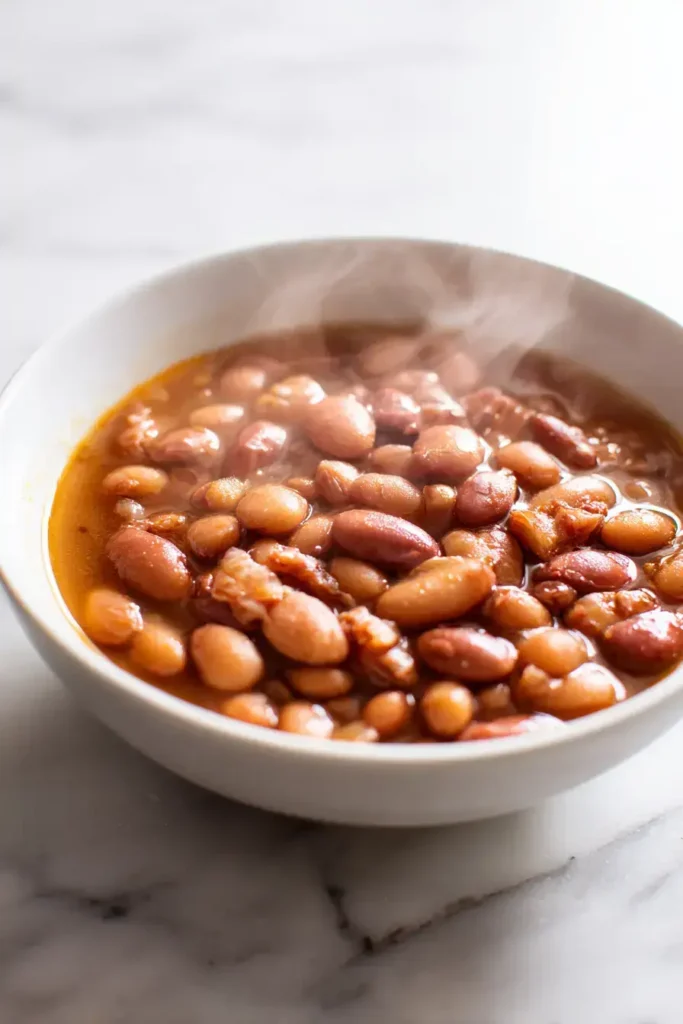
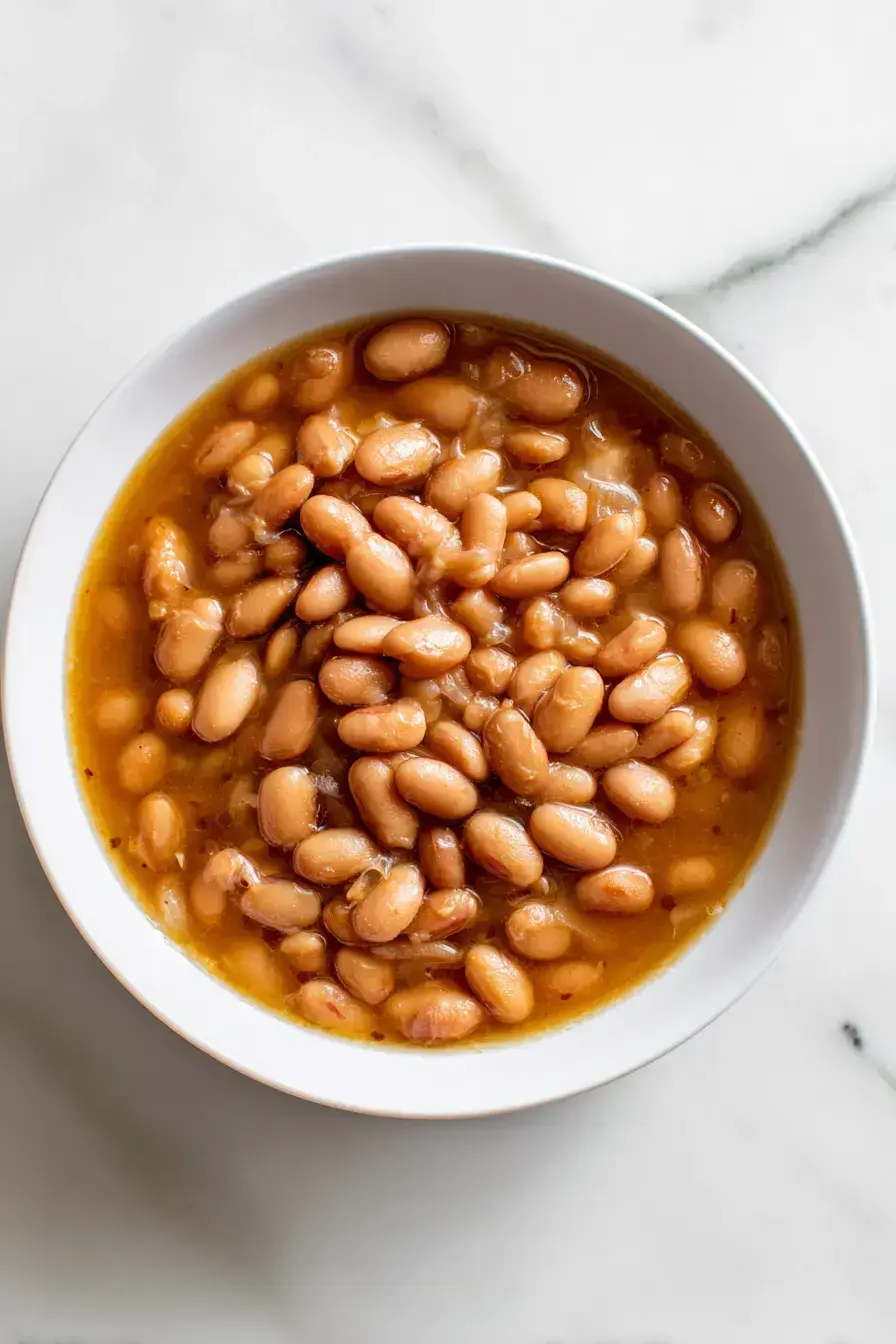
Mastering the art of Traditional Tejano Pinto Beans brings authentic South Texas flavor to your kitchen with minimal fuss.
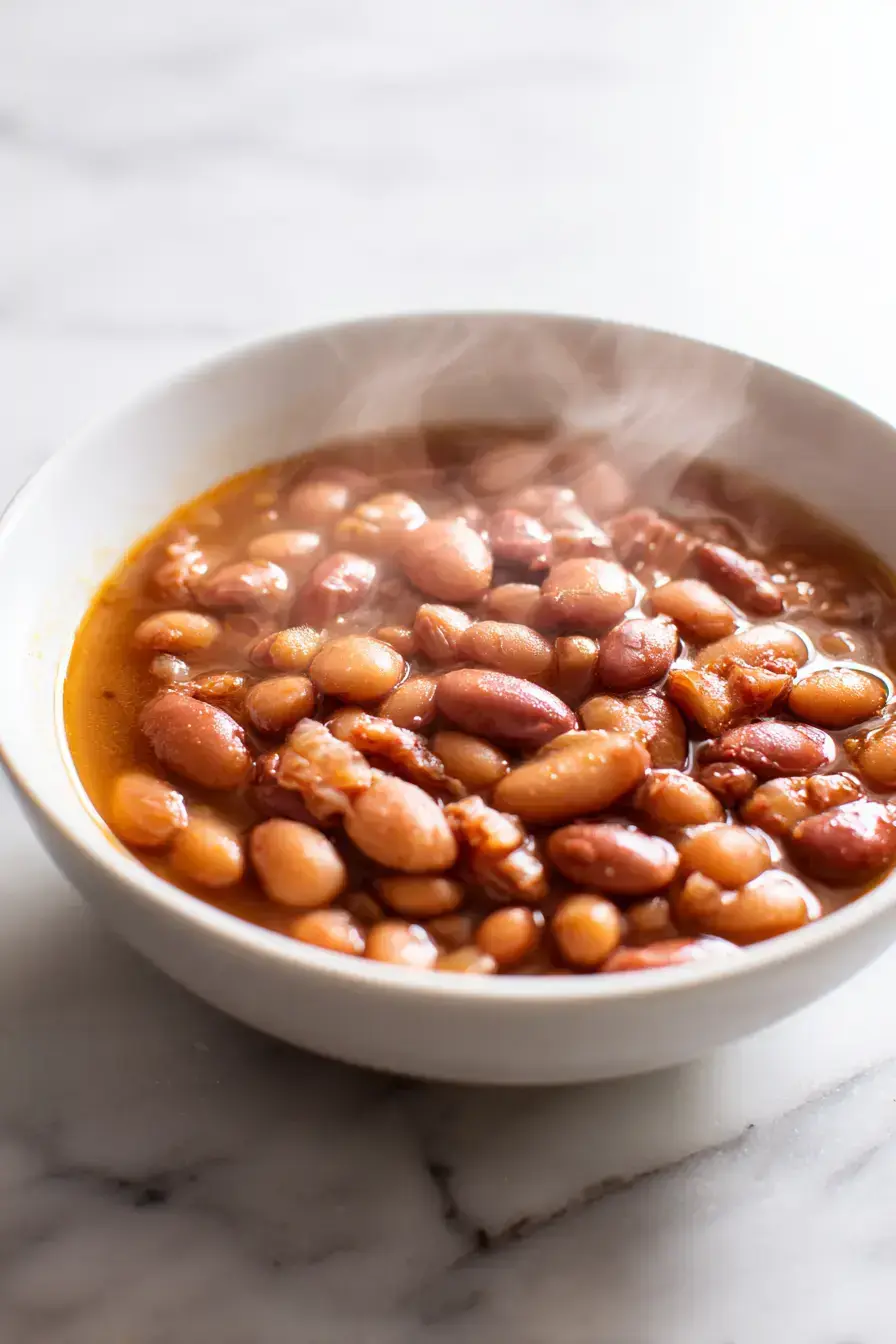
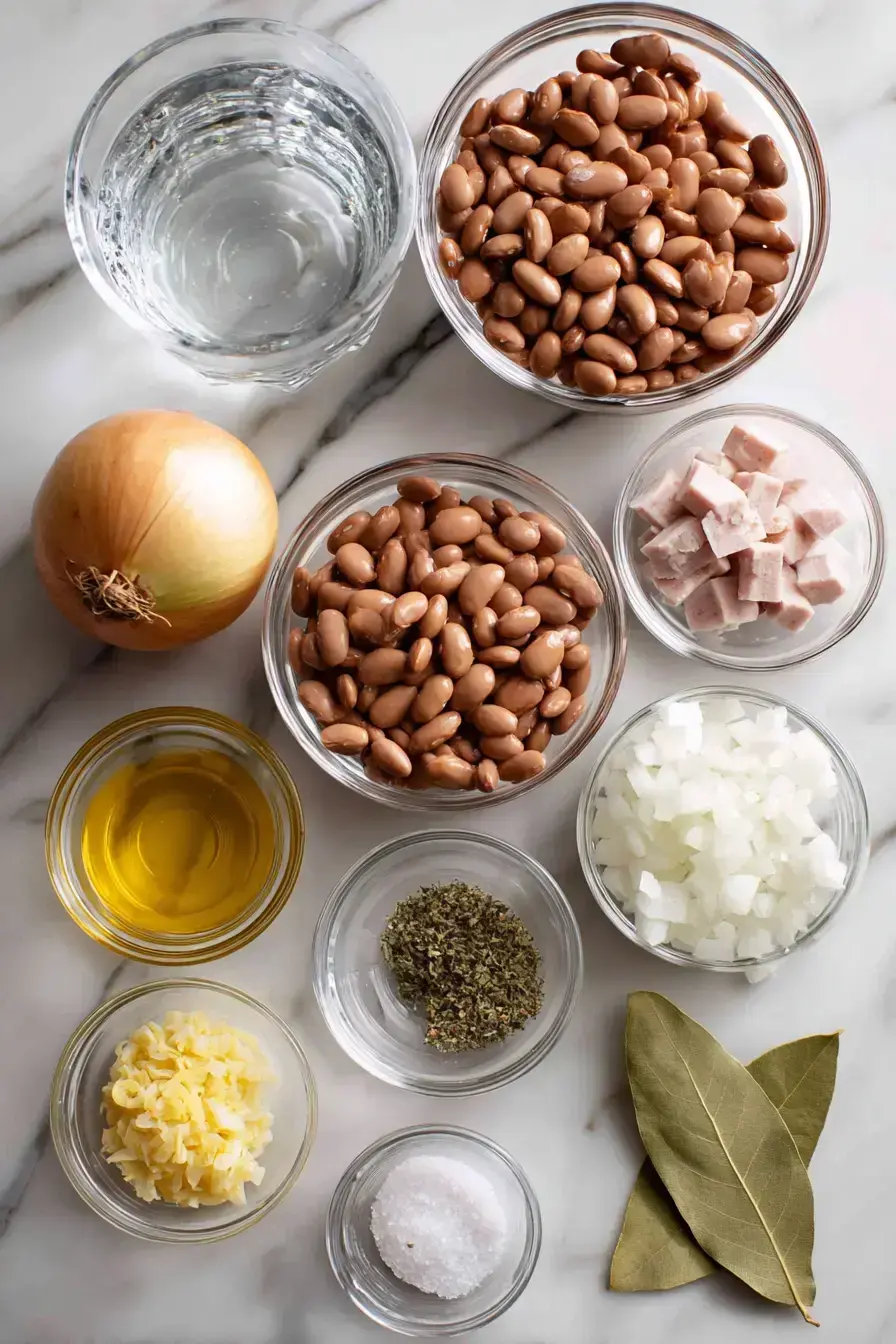
I want to reassure you that while these beans require a gentle simmer, the active prep is surprisingly quick. You’ll need just 15 minutes to get everything into the pot.
From there, the beans will simmer for about 2 to 2 1/2 hours, filling your home with an incredible aroma. This hands-off time is when the magic happens, as the beans become tender and the broth thickens. The total time is roughly 2 hours and 45 minutes, perfect for a leisurely weekend cooking project.
This method is far more forgiving than you might think. If you love the convenience of slow cooker meals, you’ll appreciate this stovetop technique that delivers similar results.
As a chef, I believe everyone should be able to enjoy classic dishes. For those managing sugar intake or following a diabetic-friendly diet, these beans are a great option. They are naturally low in sugar and have a favorable glycemic impact.
To make this recipe even more sugar-conscious, you can omit the salt pork if needed. The beans are still wonderfully flavorful from the aromatics and spices. For an extra boost of fiber, which is great for glycemic control, consider serving them with a side of non-starchy vegetables.
After making countless pots of beans, I’ve learned a few tricks that make all the difference. Here are my top professional tips to ensure your Authentic Tejano Beans are perfect every single time.
These Traditional Tejano Pinto Beans are not just delicious; they’re a nutritional powerhouse. Pinto beans are an excellent source of plant-based protein and fiber, which promotes digestive health and helps you feel full and satisfied.
This dish is also rich in essential minerals like iron and magnesium. Compared to many other sides, these Homemade Pinto Beans are lower in fat, especially if you opt for a leaner cut of pork or a vegetarian adaptation. For another fiber-rich meal, check out my hearty lentil soup.
Incorporating legumes like pinto beans into your diet is a great way to support a healthy lifestyle. They are a staple in many balanced bowl meals. For more detailed nutritional information on legumes, you can refer to reputable sources like the USDA’s MyPlate guidelines.
If you’re looking for a lighter take on this classic, it’s easily adaptable. For a lower-fat version, simply omit the salt pork altogether and use a tablespoon of olive oil to sauté the onions and garlic.
You’ll still get incredible flavor from the cumin, oregano, and garlic. Boost the vegetable content by stirring in some diced tomatoes or bell peppers at the end of cooking. This lighter version pairs wonderfully with cilantro lime rice for a complete meal.
I love serving these beans family-style in a beautiful clay pot, just like my abuela used to do. The presentation is part of the experience, making a simple meal feel special.
These Slow Cooked Beans are incredibly versatile. They’re a perfect side for beef tacos or sizzling chicken fajitas. For a truly authentic plate, serve them alongside warm corn tortillas, Mexican rice, and a fresh salsa. They also make a fantastic, protein-packed main course over a bed of rice.
Even experienced cooks can run into issues with beans. Let’s tackle the most common problems so your Texas Style Beans turn out perfectly.
Why are my beans tough? This usually happens if the water is boiling too vigorously instead of maintaining a gentle simmer. A low, steady heat is key for creamy beans.
How can I prevent mushy beans? Avoid overcooking them. Start checking for tenderness at the 2-hour mark. They should mash easily against the side of the pot but still hold their shape. For another forgiving soup recipe, see my easy lentil soup.
Why is the flavor bland? Seasoning at the right time is crucial. Adding salt too early can hinder cooking, but forgetting to salt adequately at the end is a common oversight. Taste and adjust just before serving. For more tips on building flavor, The Food Lab’s bean guide is an excellent resource.
I remember one time I rushed the soaking process and ended up with unevenly cooked beans. It taught me that patience is the secret ingredient. Now, I always give the beans the time they need.
These beans are a meal prep dream. I often make a double batch to ensure I have delicious meals ready for the week. Let the beans cool completely before storing them.
Transfer them to an airtight container and refrigerate for up to 5 days. They also freeze exceptionally well for up to 3 months. I like to freeze them in portion-sized containers for easy thawing. Reheat gently on the stove with a little added water or broth. They are fantastic stirred into a quick Tuscan white bean soup.
I encourage you to try this recipe. There’s something deeply satisfying about creating a classic dish from scratch. The smell alone is worth the effort.
This recipe is a foundation you can build on. Once you master it, you can experiment with different spices and additions. I promise, the result—a pot of creamy, flavorful Traditional Tejano Pinto Beans—is absolutely worth it. For more bean-inspired dishes, try my sweet potato black bean salad, a quick vegan burrito, or a comforting summer chili. If you enjoy skillet meals, don’t miss this flavorful orzo skillet.
If you loved this recipe, you’ll enjoy these other hearty and flavorful dishes that are perfect for any night of the week.
Spicy Vegan Burrito – A fiesta of flavors wrapped in a warm tortilla for a satisfying plant-based meal.
Traditional Tejano Pinto Beans are a staple of South Texas cuisine, known as Tex-Mex. They are slow-simmered pinto beans flavored with aromatic ingredients like onion, garlic, cumin, and often salt pork, resulting in a creamy, flavorful dish distinct from other Mexican bean preparations.
The main difference often lies in the seasoning and cooking style. Authentic Tejano Beans, or Tex-Mex beans, typically feature a prominent cumin flavor and are slow-cooked until very creamy. Some regional Mexican bean dishes might use different spices like epazote or have a brothier consistency.
The secret to perfect Homemade Pinto Beans is a gentle, long simmer. This low-and-slow cooking allows the beans to become tender and the flavors to meld beautifully. Also, salting the beans only after they are cooked prevents them from becoming tough.
For this specific recipe, soaking is not required. We use a long simmering method that hydrates and cooks the beans perfectly. Soaking can reduce cooking time, but for these Traditional Tejano Pinto Beans, the unsoaked method yields a fantastic texture and rich broth.

Welcome to Mac Recipes! I'm here to prove that amazing home-cooked meals don't need to be complicated. From weeknight dinners to weekend treats, I create recipes that fit into your busy life—delicious, doable, and always worth making.
More About Me