Easy Spanish Breakfast Omelette
This post may contain affiliate links.
Read our Disclaimer.
Leave a Comment ★★★★★
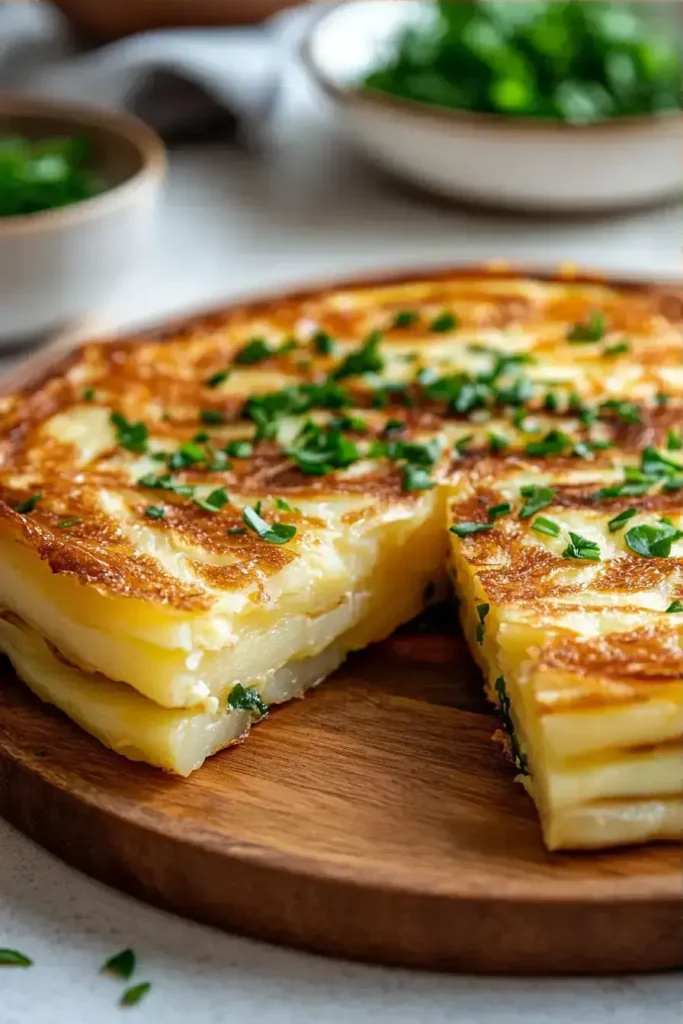
Mastering the Spanish Omelette is a rewarding culinary achievement that brings a taste of Spanish tapas bars right to your kitchen. This Traditional Spanish Tortilla is surprisingly simple, relying on technique and quality ingredients for a dish that’s perfect for breakfast, lunch, or a light dinner. Let’s build your skills with a systematic, chef-approved approach.
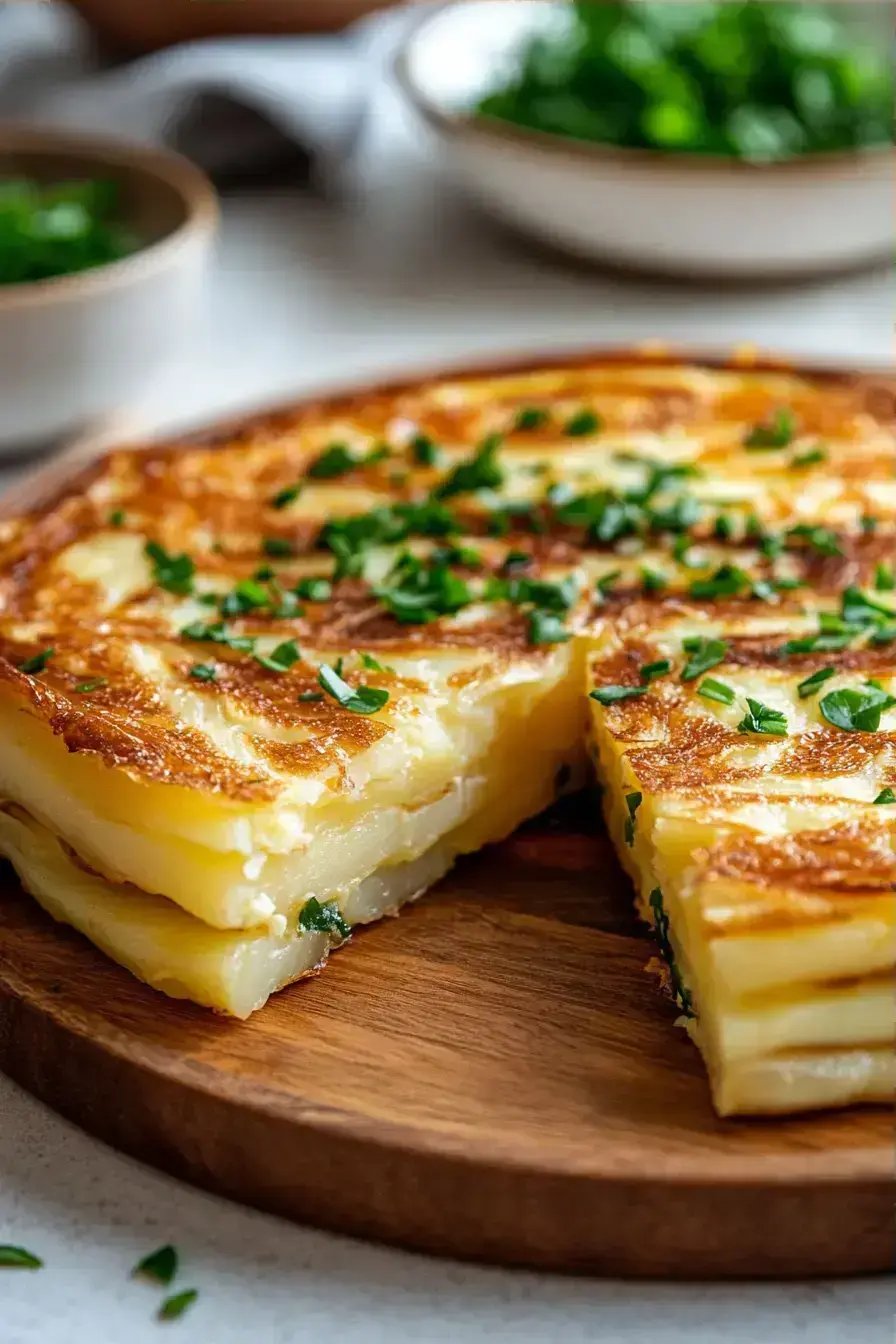
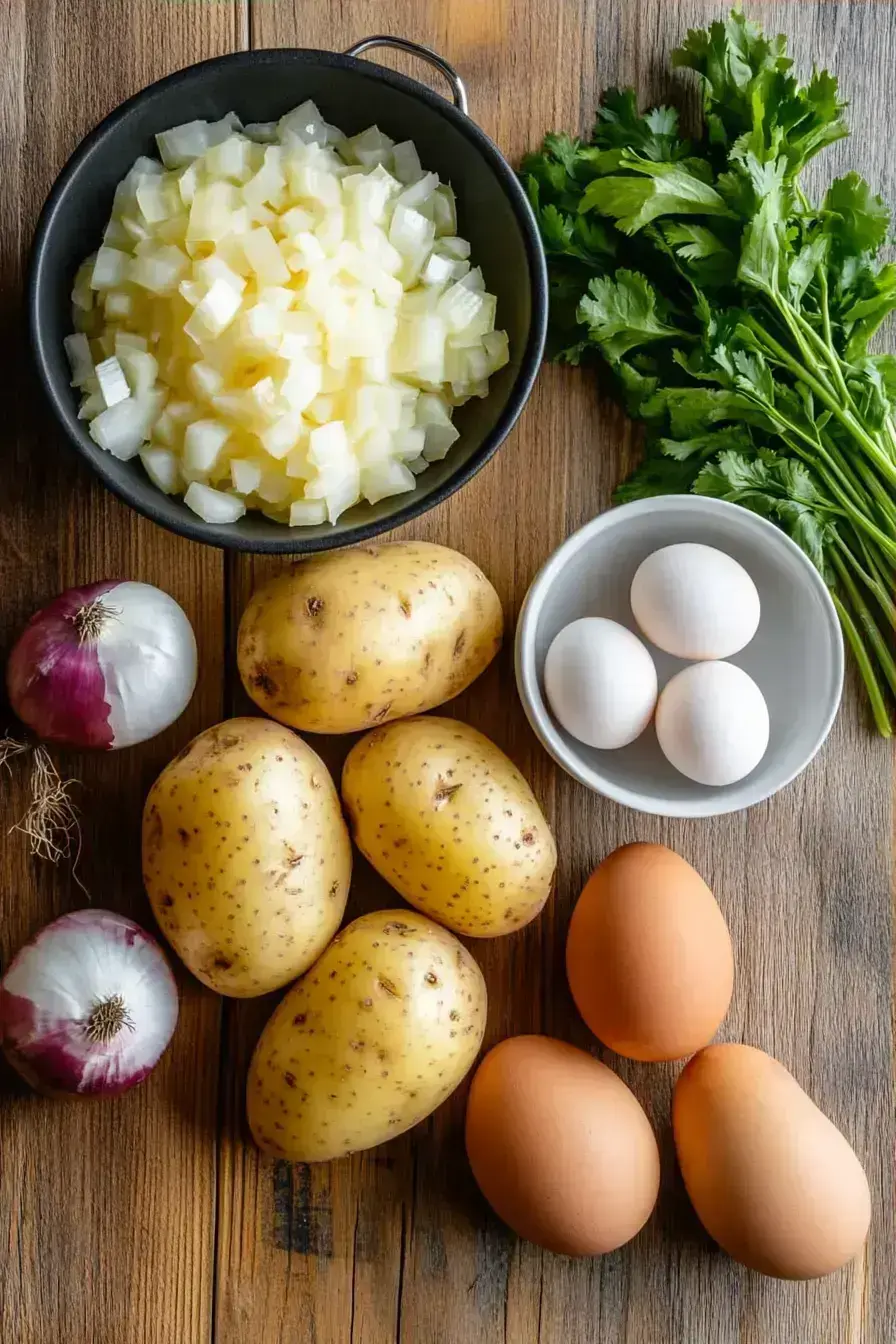
As a chef, I appreciate a recipe with clear timing, and this one is wonderfully efficient. With just 15 minutes of prep and 30 minutes of cooking, you’ll have a complete Egg Potato Dish ready in under 45 minutes. This makes it ideal for a weekend brunch or a surprisingly quick weeknight dinner.
The active time is minimal. While the potatoes and onions gently cook in the olive oil, you can whisk the eggs and prepare a simple side salad. It’s a meal-prep friendly recipe that rewards a little patience with incredible flavor. For another egg-based dish that’s ready even faster, check out my quick egg muffins.
This Spanish Omelette is naturally quite adaptable. For those monitoring their intake, the recipe is already low in sugar and can be part of a balanced, diabetic-friendly meal when paired with non-starchy vegetables. The primary carbohydrates come from the potatoes, so portion control is key for glycemic control.
You can easily make a low-sugar version by ensuring no other sweet ingredients are added. For a lower-fat option, use a non-stick skillet and reduce the olive oil slightly, though the traditional method uses oil for both cooking and flavor. Always consult with a healthcare provider for personalized blood sugar friendly dietary advice.
After teaching this recipe for years, I’ve pinpointed the small details that make a big difference. Here are my top chef secrets for restaurant technique at home.
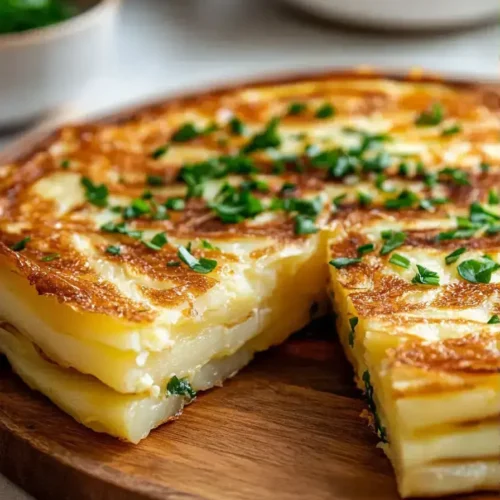
This Traditional Spanish Tortilla is not just delicious; it’s also nourishing. Eggs are an excellent source of high-quality protein and essential vitamins like B12 and choline. The potatoes provide energy-giving carbohydrates and are a good source of potassium.
When cooked properly in olive oil, this dish incorporates heart-healthy monounsaturated fats. Compared to many breakfast options, this Potato Onion Omelette is more satiating and nutrient-dense. For a deeper dive into the benefits of a plant-focused meal, the American Heart Association has great resources on cooking oils. If you enjoy this, you might also like my cheesy baked eggs for another protein-packed start to your day.
If you’re looking to lighten things up, a few simple swaps can do the trick. Use a high-quality non-stick skillet to reduce the amount of olive oil needed by about a tablespoon. You can also incorporate egg whites; try using 3 whole eggs and 3 egg whites for a lower-cholesterol version.
Adding vegetables like spinach or roasted red peppers can increase the fiber content without adding many calories. For a completely different diabetic-friendly breakfast idea, my overnight oats are a fantastic make-ahead option.
I love serving this Spanish Omelette tapas-style, cut into small cubes and speared with toothpicks for a party. For a full meal, a simple green salad with a sharp vinaigrette cuts through the richness perfectly. A glass of dry sherry or a crisp Spanish white wine completes the experience.
It’s also fantastic for brunch alongside other dishes. The beauty of this Egg Potato Dish is its versatility. It’s equally at home on a fancy platter or wrapped in foil for a picnic.
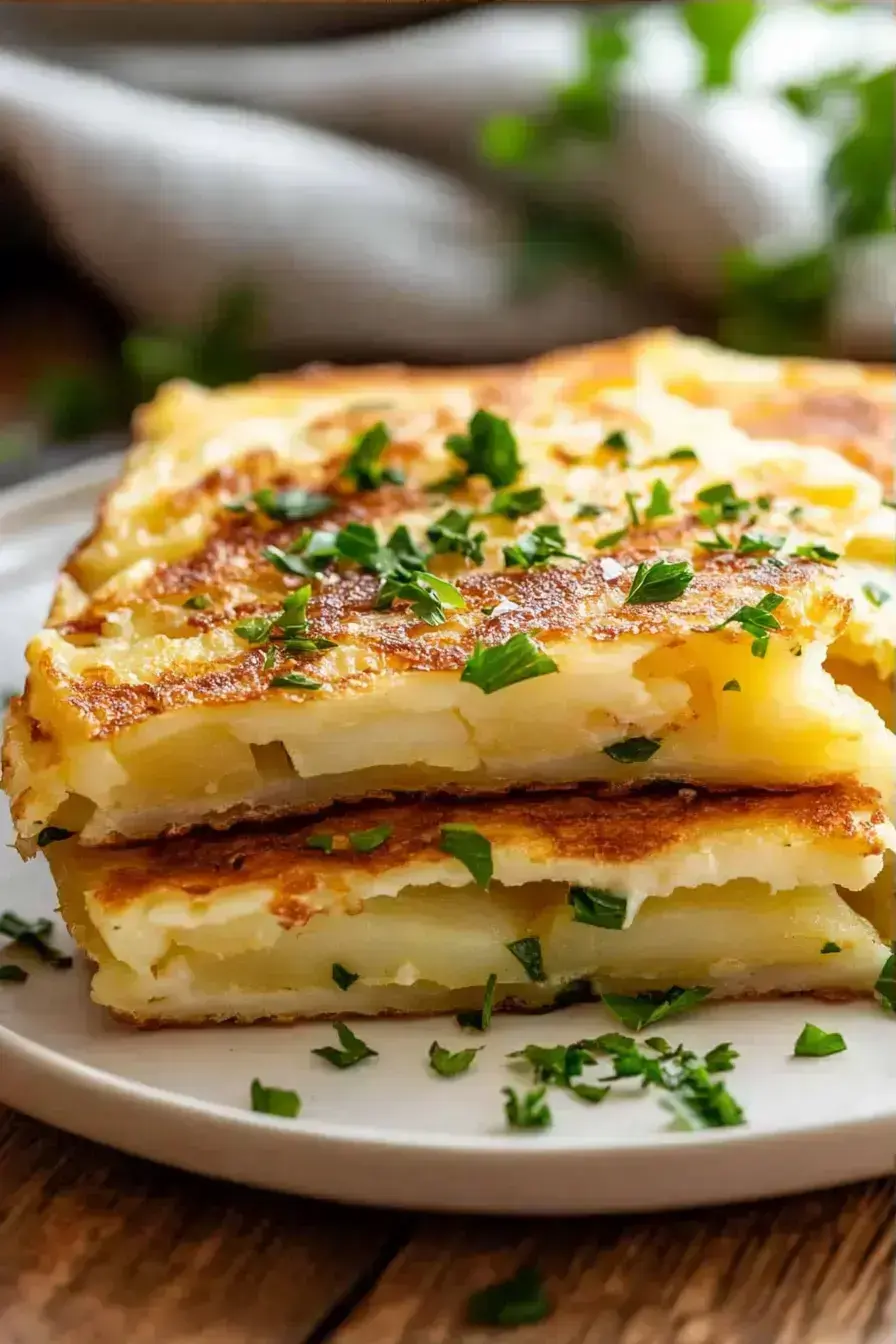
Many home cooks struggle with a few key areas. First, slicing the potatoes too thickly. They should be about 1/8-inch thick so they cook through and become tender without browning. Second, rushing the initial cooking of the potatoes and onions. This step is about gentle confit, not frying.
The most common fear is the flip. My secret? Use a plate that is slightly larger than your skillet. Invert with confidence, and the omelette will land perfectly. If it breaks, don’t worry—it will still taste incredible! For more tips on perfecting egg dishes, see this guide on cooking techniques from Serious Eats. I also find that using a reliable non-stick pan, like for my protein waffles, builds confidence for recipes like this.
I remember the first time I successfully flipped a Classic Tortilla Española; the feeling of accomplishment was almost as good as the taste. It’s a technique that, once mastered, you’ll use forever.
This dish is a meal-prepper’s dream. Once cooled completely, wrap the Spanish Omelette tightly in plastic wrap or store it in an airtight container in the refrigerator for up to 3 days. I often make one on a Sunday to have slices ready for quick lunches.
You can enjoy it cold, which is traditional in Spain, or reheat it gently. To reheat, place a slice in a non-stick skillet over low heat with a lid until warmed through. Avoid the microwave, as it can make the eggs rubbery. For another great make-ahead breakfast, my vegan breakfast burritos freeze beautifully.
This recipe demystifies a classic, allowing you to create something truly special with simple ingredients. The process is meditative, and the result is deeply satisfying. Whether you’re cooking for yourself or for a crowd, this Spanish Omelette is a testament to how technique matters.
I encourage you to give it a try this weekend. For more culinary inspiration, explore my banana oat pancakes or this hearty pumpkin French toast casserole. Once you master this fundamental Spanish Omelette, you’ll have a go-to recipe for life.
If you enjoyed mastering this classic, you might be ready to try your hand at other satisfying morning meals. Here are a few more recipes to build your breakfast repertoire.
The main difference lies in the technique and ingredients. A Spanish Omelette specifically features slow-cooked potatoes and onions as its core components, and it is uniquely flipped during cooking. A frittata is more of a general egg dish with various mix-ins and is typically finished in the oven or under a broiler without flipping.
While flipping creates the authentic, evenly cooked exterior of a Traditional Spanish Tortilla, you can finish it under a broiler if you’re nervous. Simply place the skillet under a preheated broiler for a few minutes until the top is set and golden. The texture will be slightly different, but it will still be delicious.
Waxy potatoes like Yukon Gold are ideal for a Spanish Omelette because they hold their shape well and have a creamy texture when cooked. Russet potatoes can be used, but they may break down more easily, resulting in a less defined structure for your Potato Onion Omelette.
A Spanish Omelette is incredibly versatile. It is commonly served warm or at room temperature. In Spain, it is also very traditional to eat it cold, making it a perfect picnic or packed lunch item. Try it different ways to see what you prefer!

Welcome to Mac Recipes! I'm here to prove that amazing home-cooked meals don't need to be complicated. From weeknight dinners to weekend treats, I create recipes that fit into your busy life—delicious, doable, and always worth making.
More About Me