Easy Spanish Breakfast Omelette
This post may contain affiliate links.
Read our Disclaimer.
Leave a Comment ★★★★★
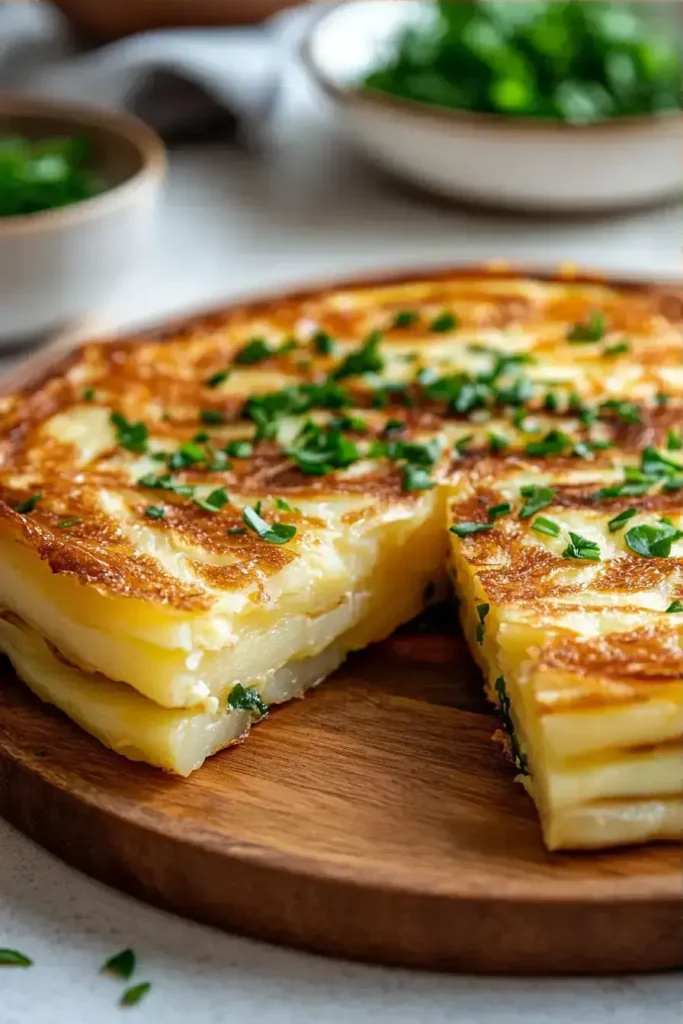
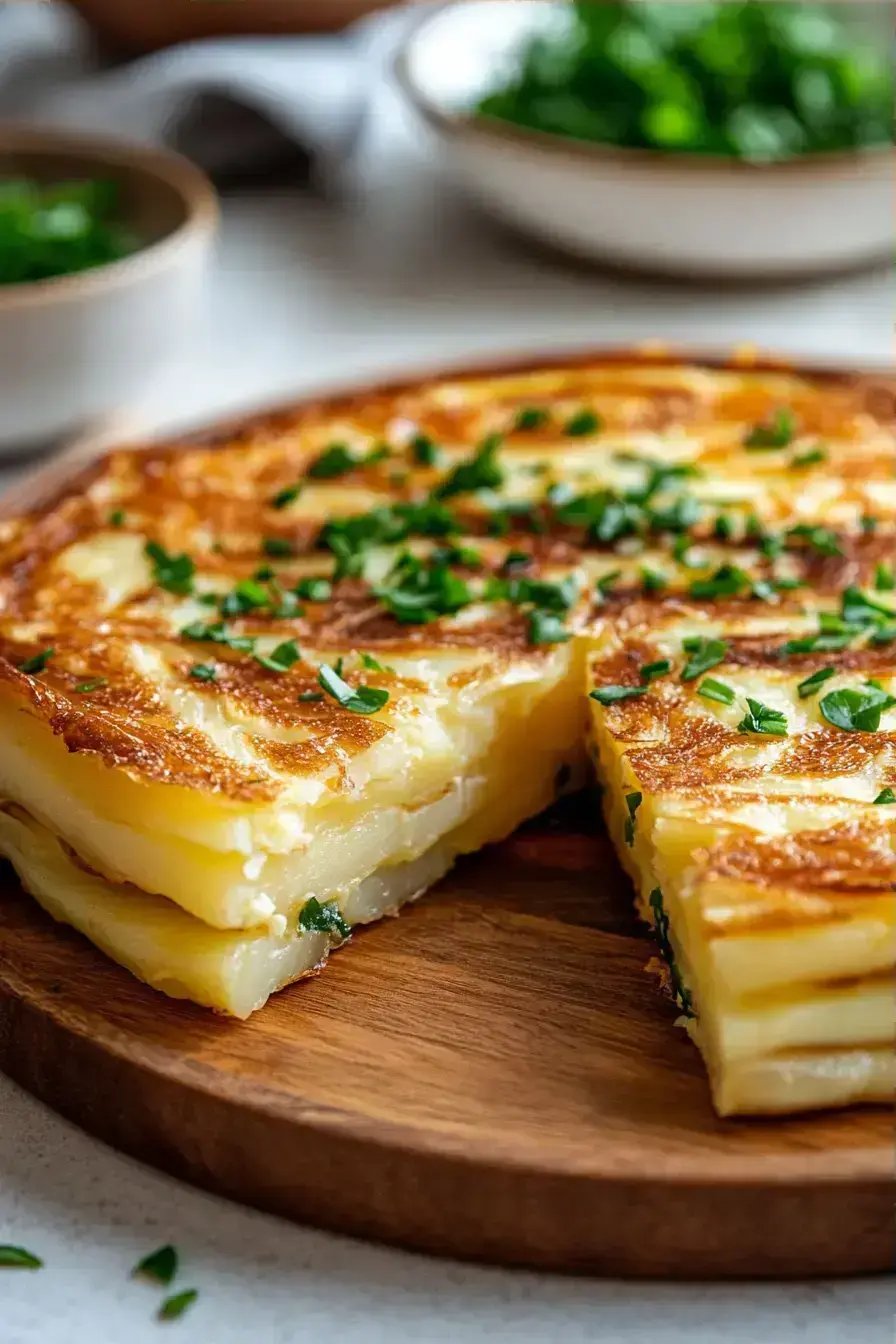
Making a perfect Spanish Omelette is a fundamental skill for any home cook looking to master classic, satisfying egg dishes. This Traditional Spanish Tortilla is surprisingly simple, requiring just a handful of ingredients to create a meal that’s perfect for breakfast, lunch, or a light dinner. I’ll guide you through the chef-approved techniques that guarantee professional results every time.
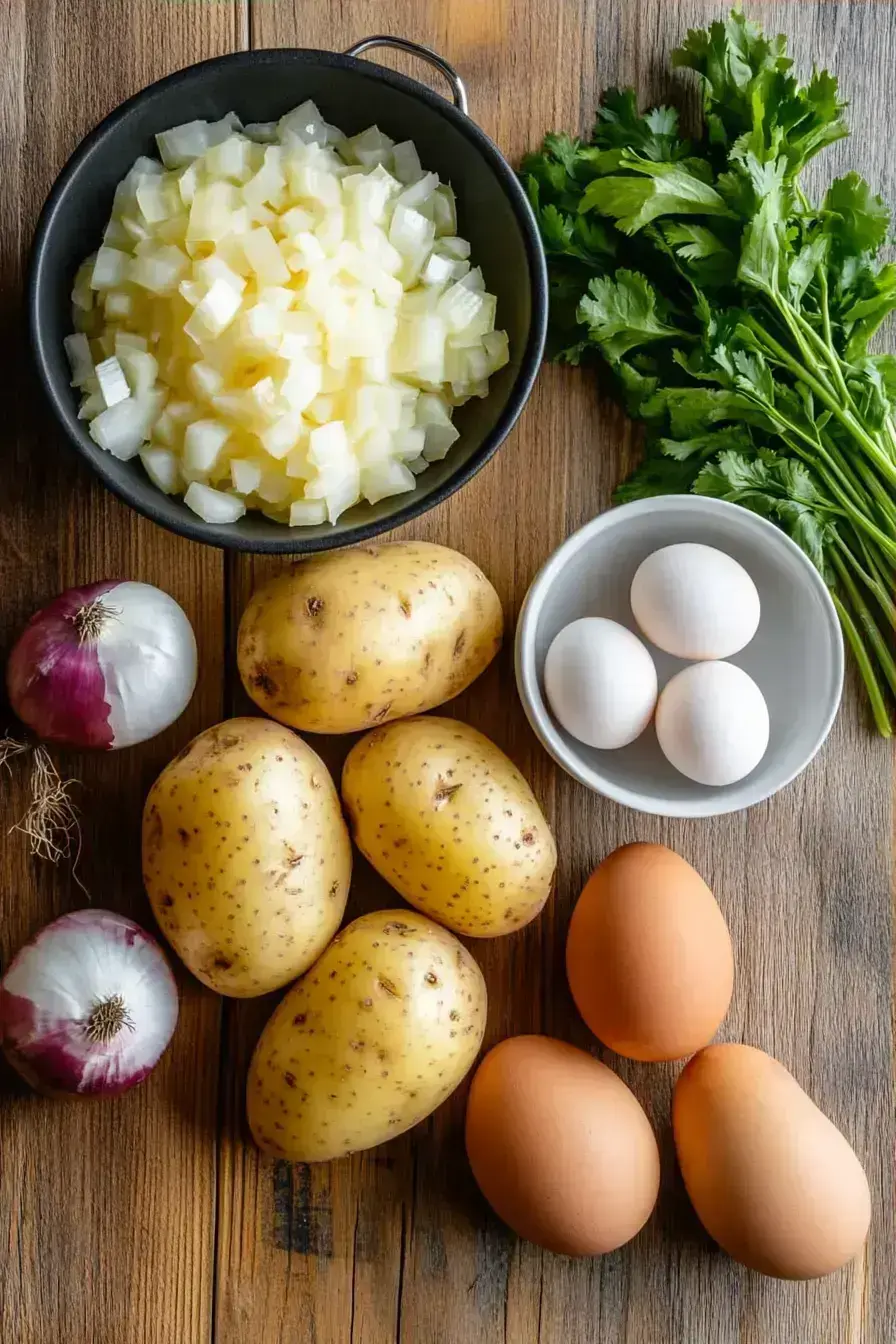
Many home cooks are pleasantly surprised by how manageable the timing is for this Spanish Omelette. With a total time of just 45 minutes, it’s completely achievable for a weeknight dinner. The prep work is a quick 15 minutes, which gives you time to perfect your knife skills on the potatoes and onion.
The 30-minute cook time is mostly hands-off, allowing the potatoes to become tender and soak up the olive oil’s flavor. This method is far more efficient than many assume. If you love recipes that fit into a busy schedule, you might also enjoy my quick breakfast casserole for another time-saving option.
As a chef, I believe great food should be accessible. This Potato Onion Omelette is naturally quite adaptable. For those managing sugar intake, the recipe is inherently a low sugar option, with carbohydrates coming primarily from the potatoes. To make it even more diabetic-friendly, you could use sweet potato for a lower glycemic index.
Portion control is another excellent strategy for glycemic control. Serving a smaller wedge alongside a large green salad creates a balanced meal. Remember, the eggs provide high-quality protein, which helps promote satiety and stable energy levels.
After teaching this recipe for years, I’ve gathered the most impactful tips to ensure your success. The secret is in the technique, not just the ingredients.
Flavor Swap: For a richer depth, use a smoked paprika instead of black pepper. It adds a warm, authentic Spanish flavor.
Diet Tweak: Make it vegetarian-friendly by ensuring your ingredients are fresh. For a heartier meal, add a cup of chopped spinach with the potatoes.
Texture Fix: The key to the perfect texture is slicing the potatoes thinly and evenly. Use a mandoline if you have one for professional, consistent results.
Storage Tip: This omelette reheats beautifully. Store slices in an airtight container and reheat gently in a skillet. For another great make-ahead egg dish, check out my savory egg muffins. You can also explore a vegan frittata for a plant-based alternative.
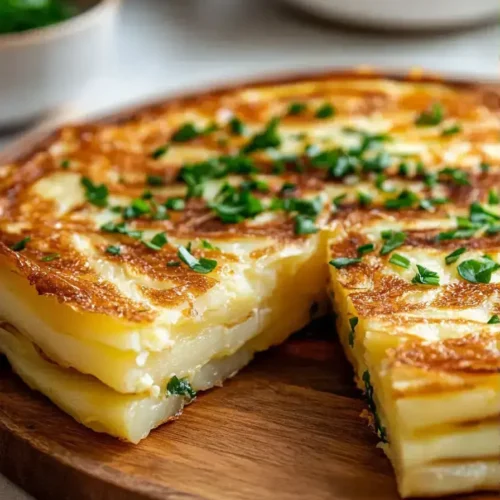
This Spanish Omelette isn’t just delicious; it’s a nourishing meal. Eggs are a fantastic source of high-quality protein and essential nutrients like choline, which supports brain health. The potatoes provide energy-sustaining complex carbohydrates and a surprising amount of potassium.
When cooked in quality olive oil, this dish includes heart-healthy monounsaturated fats. Compared to many breakfast options, this Egg Potato Dish is more balanced and satisfying. For a deeper dive into healthy egg-based meals, see my guide to cheesy baked eggs. The American Heart Association offers great insights on choosing cooking oils. Another excellent option is my vegan breakfast burritos for a different nutritional approach.
If you’re looking to reduce the fat content, you can successfully lighten this recipe without sacrificing flavor. Reduce the olive oil to 1/4 cup and use a well-seasoned non-stick skillet. You can also incorporate egg whites; try using 3 whole eggs and 4 egg whites.
Adding vegetables like zucchini or bell peppers increases volume and nutrients for fewer calories. For another light and flavorful breakfast idea, my vegan breakfast pitas are a great choice. The key is to focus on fresh, high-quality ingredients.
I love serving this Spanish Omelette warm or at room temperature, which makes it incredibly versatile. For a traditional Spanish tapas experience, cut it into small squares and serve with a simple aioli for dipping. It’s the centerpiece of a relaxed, communal meal.
For a hearty breakfast, serve a large wedge alongside a crisp salad dressed with a lemony vinaigrette. The acidity of the salad beautifully cuts through the richness of the omelette. It also pairs wonderfully with a tangy tomato bread. For a completely different breakfast sandwich experience, you have to try my vegan breakfast sandwiches. Another fantastic side is my savory breakfast skillet.
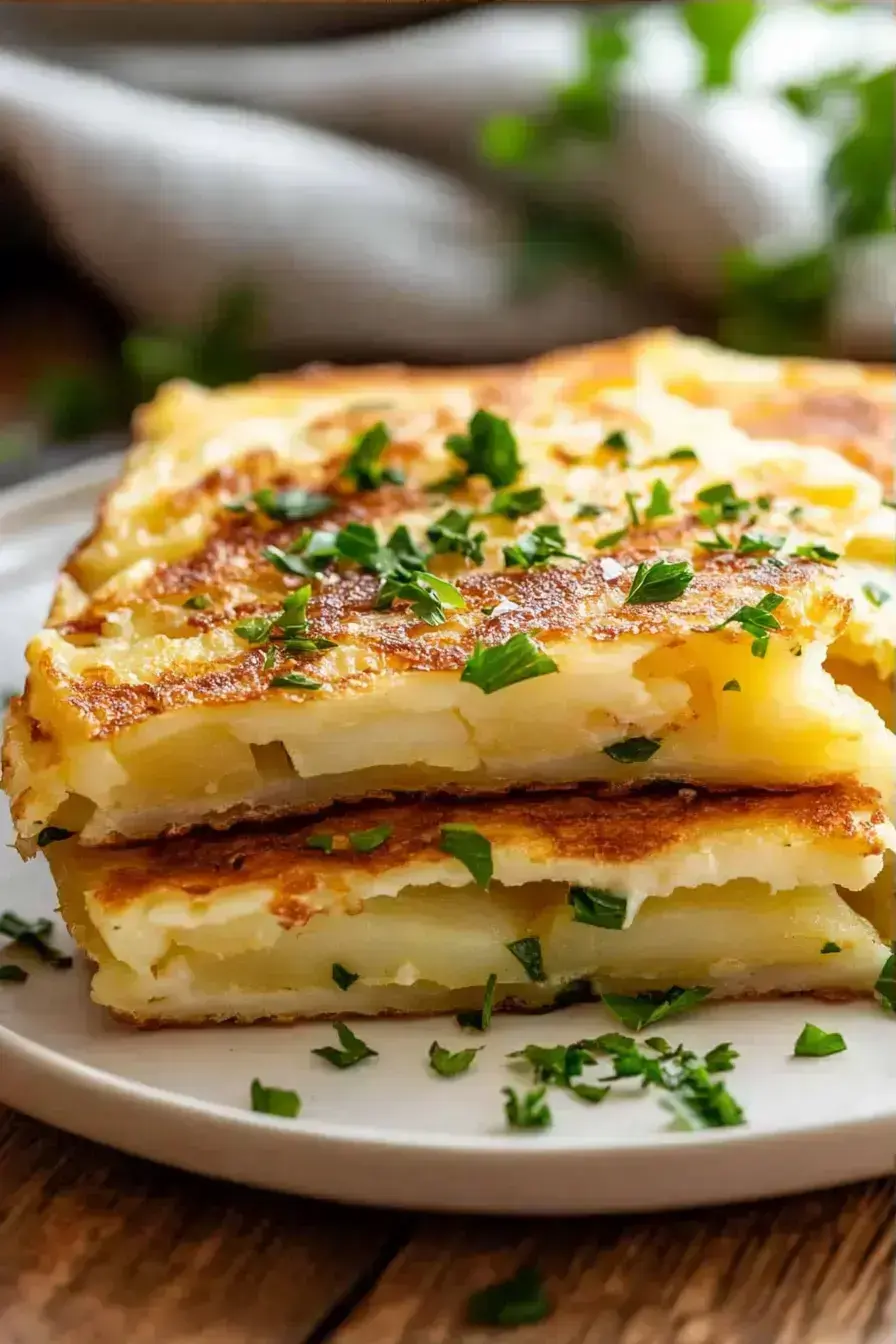
Even experienced cooks can run into a few hurdles with this recipe. The most common issue is a soggy omelette, which usually happens if the potatoes aren’t cooked enough before adding the eggs. Ensure they are completely tender.
Another frequent question is, “Why does my omelette break when I flip it?” The answer is patience. Wait until the edges are fully set and the top is just slightly runny. Using a plate that’s larger than your skillet makes the flip much safer. For troubleshooting other egg dishes, my vegan breakfast toast guide has useful tips. Readers often find great advice on Serious Eats for technical details. I also recommend my pink pancake recipe for a fun, flip-free breakfast.
I remember the first time I successfully flipped a Traditional Spanish Tortilla—it felt like a real chef’s milestone. That moment of confidence is what I want for every home cook.
This Spanish Omelette is a fantastic make-ahead dish. Once cooled completely, store it whole or in slices in an airtight container in the refrigerator for up to 3 days. I find the flavors meld and improve overnight.
For longer storage, you can freeze it for up to a month. Wrap slices tightly in plastic wrap and then aluminum foil. Thaw overnight in the fridge before reheating. The best way to reheat is in a dry non-stick skillet over low heat until warmed through. This method restores the texture far better than a microwave. For another great make-ahead breakfast, my overnight oats are a perfect no-cook option.
Mastering this Spanish Omelette is more than just learning a recipe; it’s about building foundational cooking skills. The technique of gently cooking ingredients and the confidence to flip an omelette will serve you in countless other dishes.
I encourage you to try this recipe this weekend. It’s a rewarding process that ends with a delicious, impressive meal. Once you’ve mastered it, you’ll find yourself making it again and again. For more breakfast inspiration, explore my banana oat pancakes, my hearty protein waffles, or my indulgent pumpkin French toast casserole. This Spanish Omelette truly is a classic worth having in your repertoire.
If you enjoyed this recipe, you’re sure to find a new favorite in this collection of comforting morning meals. Each one is designed to bring restaurant-quality flavor to your kitchen.
Pumpkin French Toast Casserole – A make-ahead spiced casserole perfect for a festive brunch.
A Spanish Omelette, or Tortilla Española, is distinctly different. It’s thicker and heartier, featuring sliced potatoes and onions cooked slowly in olive oil before being bound with eggs. A regular omelette is typically thinner, cooked quickly, and often folded over fillings.
The Spanish Omelette is done when the edges are set and pull away from the pan, and the center is just firm but still moist. A classic test is to insert a knife or toothpick into the center; it should come out clean.
Absolutely! While potatoes and onions are traditional, bell peppers, spinach, or zucchini are excellent additions. Just ensure any added vegetables are cooked until tender before mixing with the eggs to prevent excess moisture in your Spanish Omelette.
A Spanish Omelette is incredibly versatile. It is delicious served warm, right after cooking, but it is also a staple of Spanish tapas bars served at room temperature. Many people believe the flavors are best after it has cooled slightly.

Welcome to Mac Recipes! I'm here to prove that amazing home-cooked meals don't need to be complicated. From weeknight dinners to weekend treats, I create recipes that fit into your busy life—delicious, doable, and always worth making.
More About Me