Asian Style Salmon
This post may contain affiliate links.
Read our Disclaimer.
Leave a Comment ★★★★★
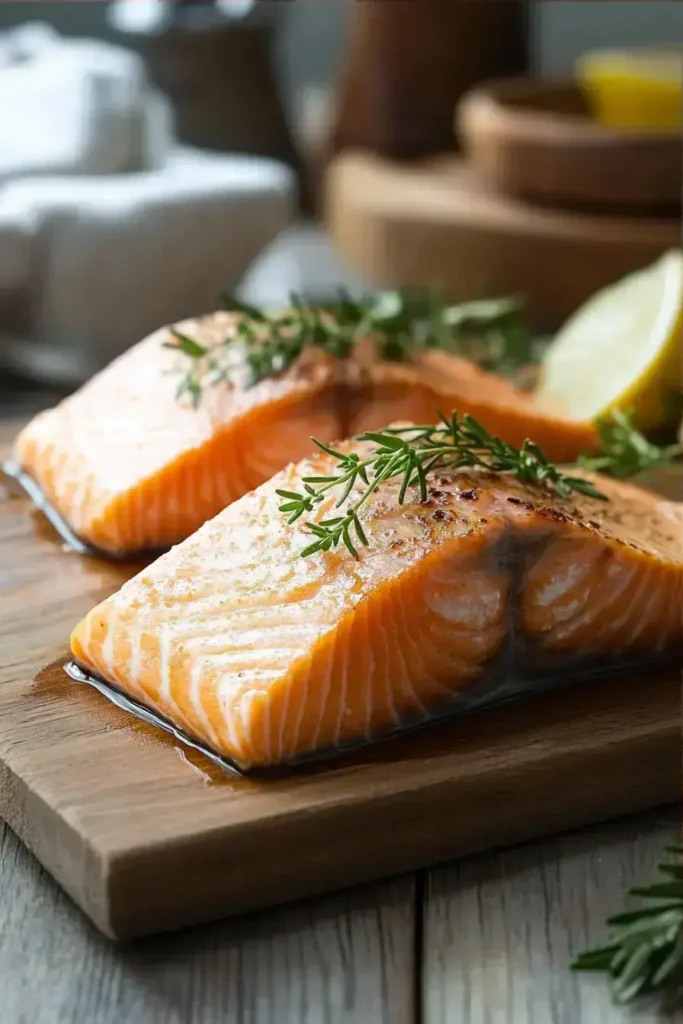
Soy Salmon delivers bold Asian-inspired flavor with minimal effort, making it the perfect healthy weeknight dinner. This easy baked salmon recipe combines savory soy sauce, sweet honey, and aromatic ginger for a meal that’s ready in under 30 minutes. You’ll love how this simple marinade transforms ordinary salmon into an extraordinary, globally-inspired dish.
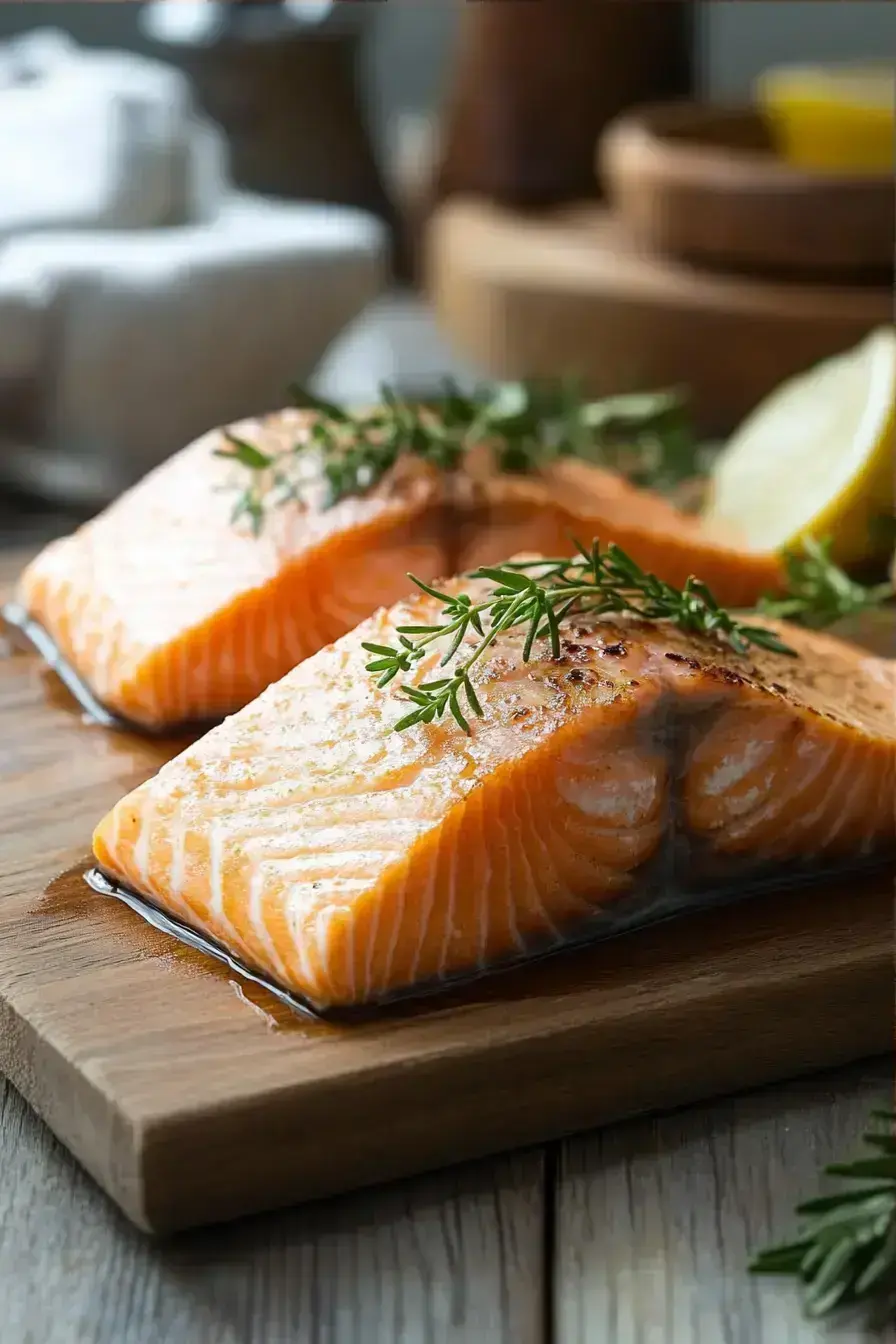
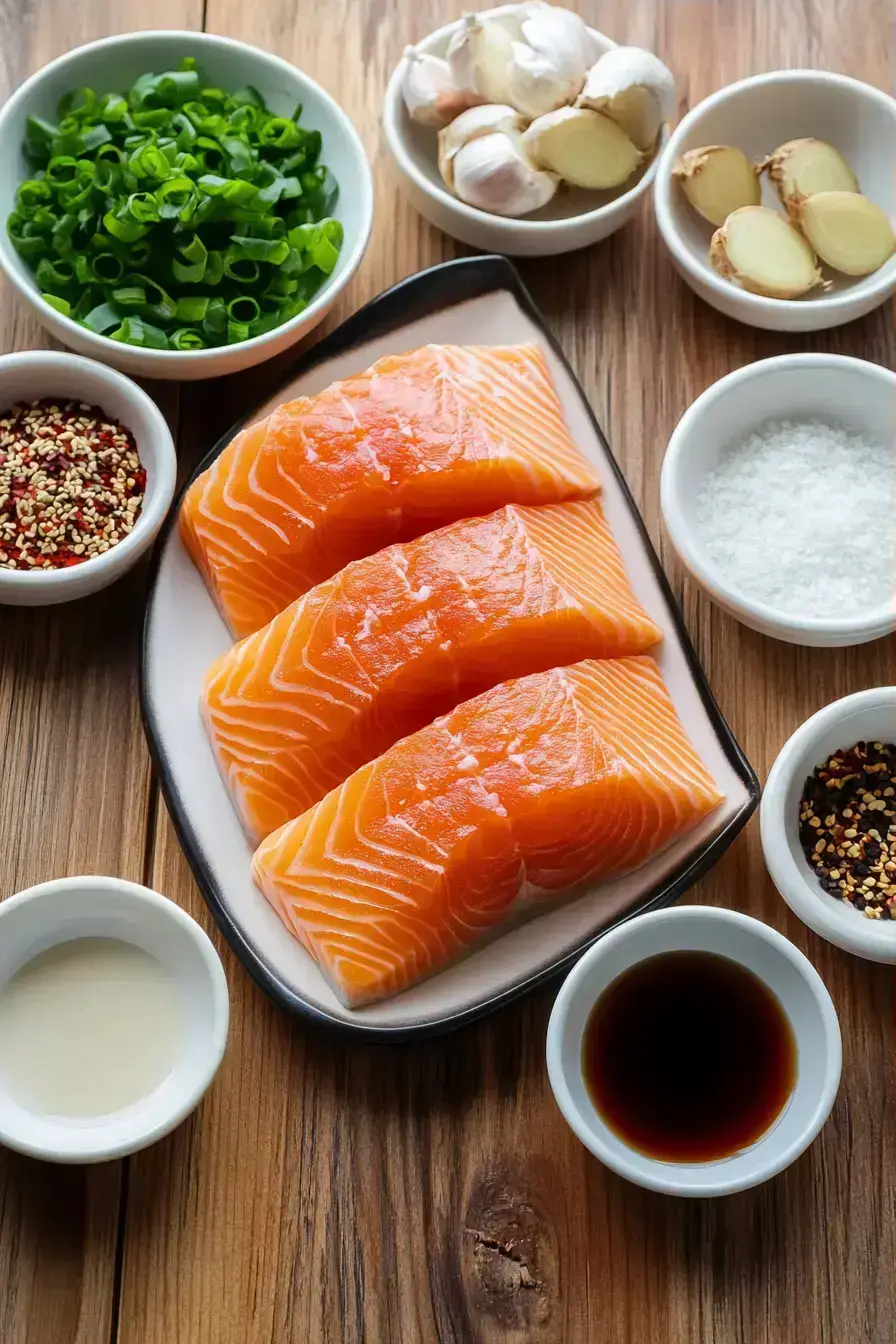
I love how this Soy Salmon respects your busy schedule while delivering restaurant-quality flavor. The active prep time is just 10 minutes, which means you can have this healthy salmon meal prepped and marinating while you finish up your workday or help with homework.
The actual cooking time is only 12-15 minutes in a 375°F oven, making this one of my go-to quick recipes for hectic weeknights. Since the salmon marinates while the oven preheats, the total hands-on time is incredibly efficient. Compared to other baked salmon recipes that require longer cooking, this version gets you to the dinner table faster without sacrificing flavor.
What makes this timing work so well is the simplicity of the ingredients and method. There’s no complicated technique involved, just straightforward mixing and baking. The marinade does all the work for you, infusing the salmon with incredible flavor while you attend to other tasks.
As someone who enjoys cooking for friends with various dietary needs, I’ve found several easy adaptations for this recipe. For those watching their sugar intake, you can easily make this a low-sugar version that’s still full of flavor.
For a diabetic-friendly approach, try replacing the honey with a natural sugar alternative like stevia or xylitol. You could also reduce the honey by half and add a touch of orange zest for natural sweetness. Another option is to use coconut aminos instead of soy sauce, which has a lower glycemic index while still providing that savory umami flavor.
Portion control is another simple way to manage carbohydrate impact. Serve your soy salmon with non-starchy vegetables like steamed broccoli or a fresh green salad rather than rice. The salmon itself is naturally low in carbohydrates, making it an excellent choice for blood sugar management when paired wisely.
After testing this recipe countless times, I’ve discovered a few tricks that make all the difference. These small adjustments will help you achieve restaurant-quality results every time you make this Asian salmon dish.
Flavor Swap: If you’re out of fresh ginger, use 1 teaspoon of ginger paste or ½ teaspoon of ground ginger. The flavor profile will still be fantastic, though fresh ginger gives the brightest taste. For a different twist, try adding a teaspoon of miso paste to the marinade for extra umami depth.
Diet Tweak: To make this gluten-free, simply use tamari instead of soy sauce. The flavor is nearly identical, and it makes this healthy salmon meal accessible to more people. I often make this swap when cooking for friends with gluten sensitivities.
Texture Fix: For extra crispy edges, pat your salmon fillet completely dry before marinating. This helps the sauce adhere better and creates a nicer surface texture. If you love crispy skin, try my sheet pan salmon method for achieving perfect crispiness.
Storage Tip: Leftover soy salmon makes incredible fish tacos or salad toppings. Flake the cold salmon over mixed greens with a light sesame dressing for a quick lunch. For reheating, gently warm in a 300°F oven for 10 minutes to prevent drying out.
This Soy Salmon isn’t just delicious—it’s packed with nutrients that support overall health. Salmon is renowned for its high-quality protein and omega-3 fatty acids, which are essential for heart and brain health. The combination of ingredients in this recipe creates a nutritional powerhouse that tastes incredible.
The omega-3s in salmon help reduce inflammation throughout the body, while the protein content keeps you feeling satisfied longer. Ginger and garlic both contain powerful antioxidants and anti-inflammatory compounds. When you choose wild-caught salmon, you’re getting even higher levels of these beneficial nutrients compared to farmed varieties.
This meal provides substantial amounts of vitamin D, selenium, and B vitamins, all crucial for maintaining energy levels and supporting immune function. Compared to other healthy salmon preparations, this recipe uses minimal added sugar and focuses on whole-food ingredients. The American Heart Association recommends eating fish like salmon at least twice weekly for cardiovascular benefits.
By baking instead of frying, we preserve the nutritional integrity of the salmon while avoiding excess oil. The marinade ingredients like sesame oil and rice vinegar contribute their own health benefits, creating a synergistic effect that makes this Asian-inspired dish as nourishing as it is flavorful.
If you’re looking to reduce calories or fat content, this recipe adapts beautifully to lighter preparations. The marinade already uses relatively light ingredients, but a few simple tweaks can make it even leaner.
For a lower-calorie version, reduce the honey to one tablespoon and increase the rice vinegar to two tablespoons. This maintains the sweet-tangy balance while cutting sugar content. You could also use a sugar-free sweetener if that aligns with your dietary goals.
Another option is to increase the vegetable content by serving the salmon over a large bed of steamed greens or zucchini noodles. This bulks up the meal with fiber and nutrients while naturally reducing the portion size of the richer components. The sesame oil could be halved if you’re watching fat intake, though it does contribute valuable flavor.
For those monitoring sodium, using reduced-sodium soy sauce and skipping the additional salt in garnishes keeps this dish heart-healthy. The great thing about this recipe is that it remains flavorful even with these adjustments, proving that healthy eating doesn’t mean sacrificing taste.
I remember the first time I served this dish to friends who claimed they didn’t like fish—they became instant converts. The key to serving soy salmon is choosing complementary sides that enhance rather than overwhelm the delicate flavors. The presentation should be as inviting as the aromas filling your kitchen.
For a traditional Asian meal, serve your salmon over jasmine rice with steamed broccoli or bok choy. The fluffy rice absorbs the delicious marinade, while the crisp vegetables provide textural contrast. If you’re feeling adventurous, try it with roasted asparagus or honey roasted carrots for a colorful plate.
For a lighter option, flake the cooked salmon over a salad of mixed greens with a light sesame-ginger dressing. The warm salmon slightly wilts the greens, creating a wonderful temperature contrast. This makes an excellent lunch option that feels special but comes together quickly.
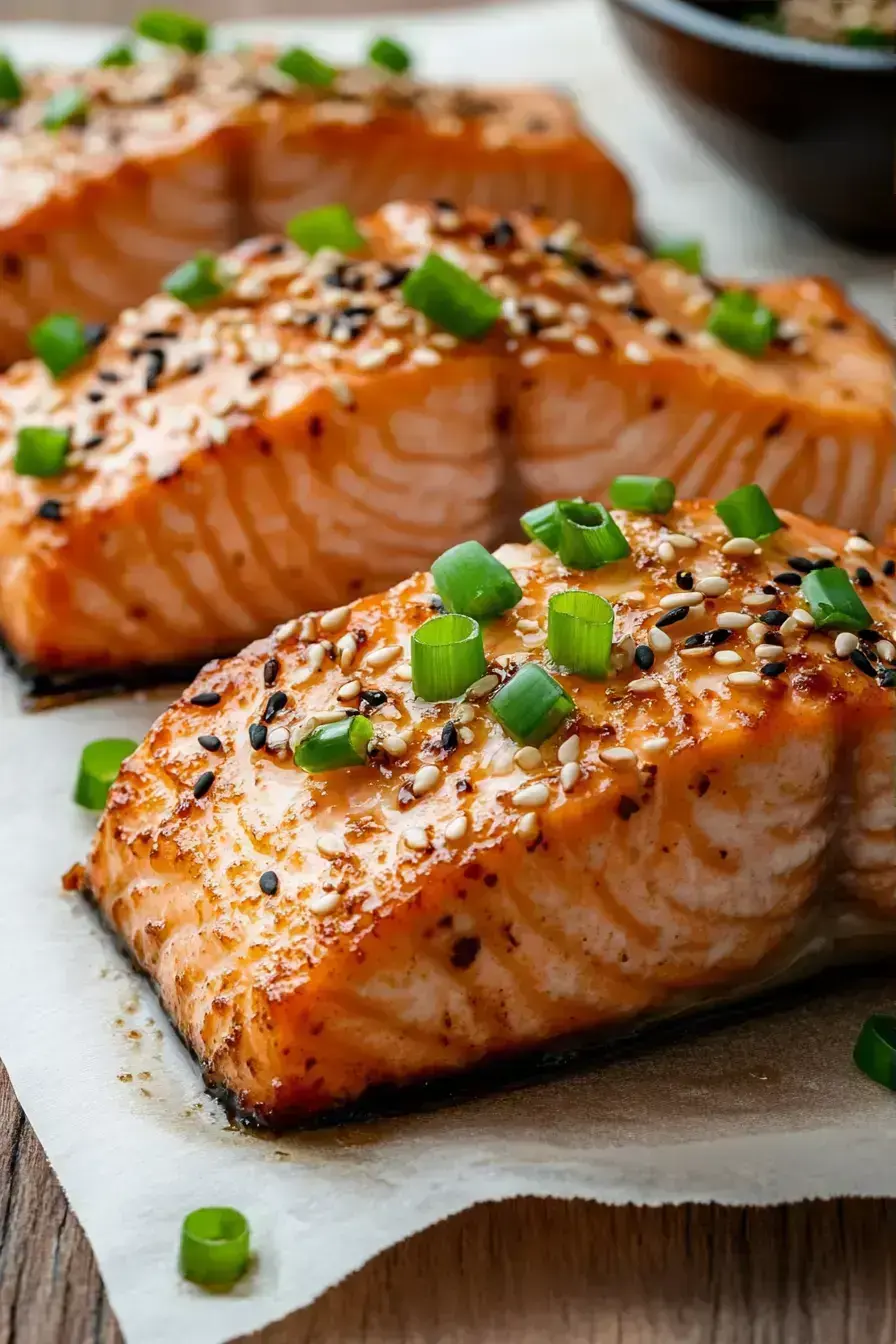
When entertaining, I like to garnish with extra sliced green onions and toasted sesame seeds for visual appeal. A wedge of lime on the side allows guests to add a bright citrus note if they prefer. The beautiful glazed appearance of the salmon makes it look far more complicated than it actually is, which is always a bonus when hosting.
Over the years, I’ve made—and seen—plenty of mistakes with marinaded salmon. Learning from these errors will help you achieve perfect results every time you prepare this easy salmon dinner.
Over-marinating: Salmon is delicate and can become mushy if left in acidic marinades too long. Thirty minutes to two hours is ideal—overnight marinating will break down the protein too much. If you’re short on time, even 15 minutes will impart good flavor.
Not reserving marinade: Always set aside some marinade before adding the raw salmon. This allows you to create a delicious sauce to drizzle over the cooked fish. Boiling the reserved marinade kills any bacteria, making it safe for serving.
Overcooking: Salmon continues cooking after removal from oven. Pull it out when it reaches 135-140°F internally, and it will come to the safe 145°F during resting. Overcooked salmon becomes dry and loses its delicate texture. Use an instant-read thermometer for perfect results every time.
Wrong baking temperature: Too high heat can cause the honey in the marinade to burn before the salmon cooks through. 375°F provides the ideal balance between cooking the fish properly and creating a beautiful glaze. If you notice excessive browning, tent with foil partway through baking.
I learned these lessons through trial and error, but you can benefit from my experience. Remember that even if you make a mistake, fish is forgiving and will likely still taste wonderful. The USDA provides guidelines for safe fish cooking temperatures if you want to be extra certain.
My favorite memory involves serving slightly over-marinated salmon to my grandmother, who declared it “exceptionally tender” rather than criticizing my timing error. Sometimes what we perceive as mistakes turn into happy accidents in the kitchen.
I often make a double batch of this recipe since leftovers are incredibly versatile. Proper storage ensures your delicious creation stays fresh and safe to enjoy later in the week.
Store leftover soy salmon in an airtight container in the refrigerator for up to 3 days. I recommend separating the salmon from any rice or vegetables if you’ve already combined them, as this helps maintain better texture. The salmon can also be flaked and used cold in salads or wraps.
For longer storage, soy salmon freezes remarkably well. Place cooled portions in freezer-safe containers or bags, removing as much air as possible. Frozen soy salmon will maintain quality for up to 2 months. Thaw overnight in the refrigerator before reheating gently.
When reheating, avoid the microwave if possible, as it can make the fish rubbery. Instead, warm it in a 300°F oven for 10-15 minutes or until heated through. You can also flake cold salmon into fried rice or omelets without reheating it first.
This Soy Salmon recipe represents everything I love about global home cooking—big flavor, simple techniques, and nourishing ingredients. I developed this version after traveling through Southeast Asia and falling in love with the balance of salty, sweet, sour, and spicy flavors characteristic of the region’s cuisine.
What makes this recipe special is its adaptability. You can make it as written for a spectacular dinner party centerpiece, or simplify it for a busy Tuesday night. The ingredients are accessible enough to find in any supermarket, yet exotic enough to feel like a culinary adventure. Every time I make this dish, it transports me back to those vibrant food markets and the incredible meals I enjoyed there.
If you enjoy this cooking style, you might love exploring other Asian-inspired dishes like grilled tofu or crispy honey garlic tofu. For more quick protein options, try my sheet pan chicken or crispy garlic chicken. And if you’re a salmon lover like me, don’t miss my smoked salmon preparation for special occasions.
This soy salmon has become a staple in my kitchen because it delivers restaurant-quality results with home-kitchen simplicity. The marriage of flavors creates something greater than the sum of its parts, proving that sometimes the best meals are also the easiest. I hope this recipe brings as much joy to your table as it has to mine.
If you enjoyed this Asian-inspired salmon, you might appreciate these other internationally influenced recipes that bring bold flavors to your weeknight rotation.
Honey Garlic Chicken Thighs – Sweet and savory glazed chicken with crispy skin and tender meat.
Marry Me Tofu – A flavorful plant-based option with rich tomato sauce and Italian herbs.
Roasted Sweet Potatoes – Caramelized sweet potatoes with warm spices perfect as a side or main.
Low-sodium soy sauce works best for Soy Salmon because it provides flavor without overwhelming saltiness. Traditional soy sauce can be too salty for the delicate fish. Tamari is an excellent gluten-free alternative with similar flavor profile.
Marinate your salmon for 30 minutes to 2 hours for optimal flavor. The acidic components in the marinade can begin to break down the fish if left longer. For best results, don’t exceed 2 hours marinating time.
Yes, thaw frozen salmon completely in the refrigerator before marinating. Pat it dry thoroughly to ensure the marinade adheres properly. Frozen salmon works well in this Soy Salmon recipe once properly thawed.
Steamed rice, roasted vegetables, or Asian-style slaw complement Soy Salmon beautifully. The simplicity of the sides allows the salmon to shine. Try broccoli, bok choy, or snap peas for authentic pairings.

Welcome to Mac Recipes! I'm here to prove that amazing home-cooked meals don't need to be complicated. From weeknight dinners to weekend treats, I create recipes that fit into your busy life—delicious, doable, and always worth making.
More About Me