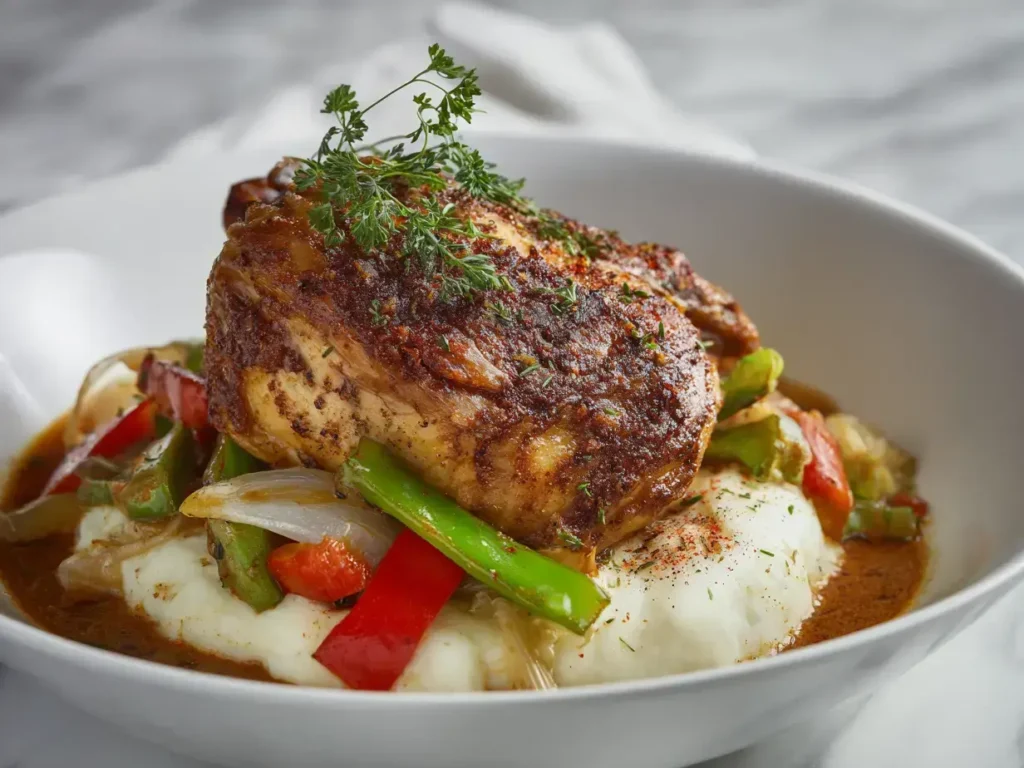
This Smothered Chicken is a quintessential Southern comfort dish, where tender, browned chicken simmers in a rich, aromatic gravy until fall-apart tender. It requires just a handful of pantry staples, transforming them into a deeply satisfying family meal in about ninety minutes. I love how it fills the kitchen with the most inviting scent of savory herbs and slow-cooked onions, promising a dinner that feels like a warm embrace.
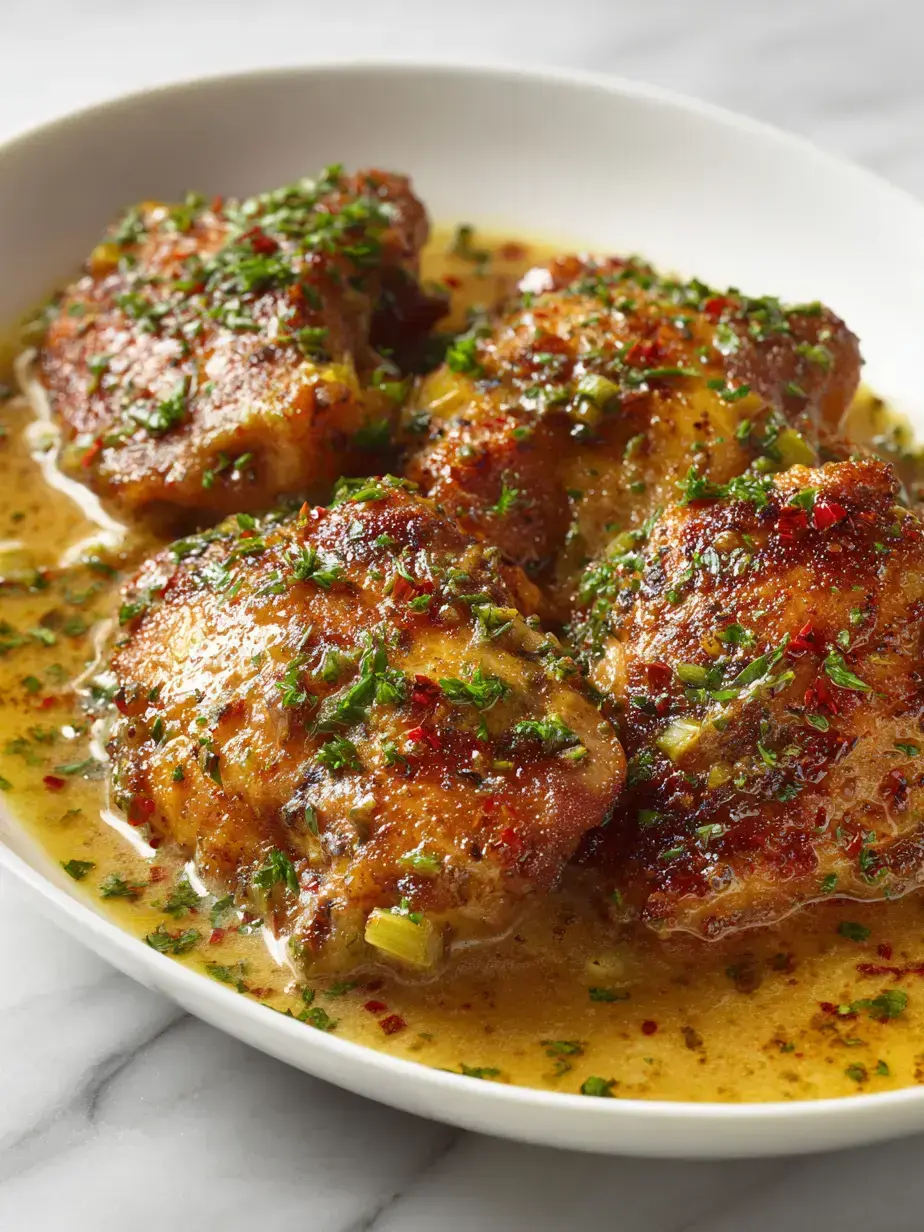
My first taste of proper Smothered Chicken was on a trip to Savannah, where the humid air seemed to carry the scent of slow-cooked onions and thyme from every kitchen window. It instantly reminded me of the cozy, enveloping comfort of my Chicken Pot Pie, but with a soulful, Southern accent. This recipe has become my go-to for Sunday suppers, where its simmering gravy pairs beautifully with simple sides. I often serve it alongside creamy mashed potatoes or a wedge of Cheesy Garlic Bliss Bread to soak up every last drop of that incredible sauce.
Why This Smothered Chicken Recipe Shines
- One-Pan Wonder: Everything from browning the chicken to simmering the gravy happens in a single skillet, minimizing cleanup.
- Deep, From-Scratch Flavor: Building a roux from the pan drippings creates a gravy with incredible depth you can’t get from a jar.
- Family-Friendly Comfort: The tender chicken and savory gravy are a classic combo that appeals to both kids and adults alike.
- Meal Prep Hero: The flavors meld and improve overnight, making it an ideal make-ahead dish for busy weeks.
What You’ll Need for Perfect Smothered Chicken
Be sure to see the recipe card below for the full listing of ingredients, instructions, notes, and estimated nutritional information.
- Bone-in, skin-on chicken pieces: Thighs and drumsticks stay incredibly juicy during the long simmer.
- Kosher salt & black pepper: Freshly ground pepper offers the best aroma for seasoning the flour.
- Garlic powder, onion powder, paprika: This trio forms the essential flavor base for the seasoned flour.
- Cayenne pepper (optional): Just a pinch adds a subtle warmth without overwhelming heat.
- All-purpose flour: Divided use; first for dredging the chicken, then for thickening the gravy.
- Vegetable oil: A neutral oil with a high smoke point is perfect for achieving a crispy sear.
- Unsalted butter: Added after browning to sauté the vegetables, contributing rich flavor to the gravy.
- Yellow onion, celery, green bell pepper: The “holy trinity” of Cajun and Creole cooking, building a flavorful foundation.
- Low sodium chicken broth: Using low sodium allows you to control the salt level of the final dish.
- Fresh parsley: A bright, fresh garnish that adds a pop of color and a hint of freshness.
Smothered Chicken
Learn how to make classic smothered chicken with crispy skin and rich gravy. This Southern comfort food recipe feeds the whole family perfectly.
Prep Time 25 minutes mins
Cook Time 1 hour hr 5 minutes mins
Total Time 1 hour hr 30 minutes mins
Course Dinner
Cuisine Southern
Servings 4 servings
Calories 580 kcal
Chicken and Seasoning
- 2.5 pounds bone-in, skin-on chicken pieces such as thighs and drumsticks
- 1 tsp kosher salt plus more to taste
- 1/2 tsp black pepper freshly ground, plus more to taste
- 1 tsp garlic powder
- 1/2 tsp onion powder
- 1/2 tsp paprika
- 1/4 tsp cayenne pepper optional
- 1/2 cup all-purpose flour divided
- 1/4 cup vegetable oil or other high-smoke point oil
Gravy and Aromatics
- 4 tbsp unsalted butter
- 1 medium yellow onion finely chopped
- 1 stalk celery chopped
- 1/2 medium green bell pepper finely chopped
- 3 cups low sodium chicken broth
- 2 tbsp fresh parsley finely chopped, for garnish
Pat the chicken pieces very dry with paper towels. In a shallow dish or large bowl, whisk together 1/4 cup of the all-purpose flour, 1 teaspoon of kosher salt, 1/2 teaspoon of black pepper, 1 teaspoon of garlic powder, 1/2 teaspoon of onion powder, 1/2 teaspoon of paprika, and the 1/4 teaspoon of cayenne pepper, if using. Dredge each chicken piece in the flour mixture, ensuring it’s evenly coated, then shake off any excess. Set the dredged chicken aside on a plate.
Heat the vegetable oil in a large, heavy-bottomed skillet or Dutch oven over medium-high heat until shimmering. Carefully add the chicken pieces, skin-side down, in a single layer, working in batches if necessary to avoid overcrowding the pan. Cook for 5 to 7 minutes per side, turning once, until the chicken is deeply golden brown and crispy. The chicken will not be cooked through at this point. Remove the browned chicken to a clean plate and set aside. Pour off all but 1 tablespoon of the oil from the skillet.
Reduce the heat to medium. Add the 4 tablespoons of unsalted butter to the skillet, allowing it to melt. Add the finely chopped yellow onion, celery stalk, and green bell pepper to the pan. Cook, stirring occasionally, for 6 to 8 minutes, or until the vegetables have softened and the onion is translucent.
Sprinkle the remaining 1/4 cup of all-purpose flour over the softened vegetables. Cook, stirring constantly, for 2 to 3 minutes, creating a light brown roux. This helps to cook out the raw flour taste and will thicken your gravy.
Gradually whisk in the 3 cups of low sodium chicken broth, a little at a time, incorporating it fully before adding more. Continue whisking until the gravy is smooth and lump-free. Bring the gravy to a gentle simmer, stirring constantly, then season it with additional salt and black pepper to taste. The gravy should start to thicken to a coating consistency.
Return the browned chicken pieces to the skillet, nestling them into the simmering gravy. Ensure the chicken is mostly submerged. Reduce the heat to low, cover the skillet, and simmer for 30 to 35 minutes, or until the chicken is cooked through, tender, and easily pulls away from the bone. An instant-read thermometer inserted into the thickest part of the chicken (avoiding the bone) should register 165 degrees Fahrenheit.
Remove the skillet from the heat. Carefully transfer the chicken pieces to serving plates. Taste the gravy and adjust seasonings one last time if needed. Spoon the rich gravy generously over the chicken. Garnish with the 2 tablespoons of finely chopped fresh parsley before serving.
For a richer flavor, you can substitute some of the chicken broth with buttermilk. Let the chicken rest after browning for crispier skin.
Keyword chicken gravy, comfort food, Smothered Chicken
Creative Ways to Customize Your Dish
- Creamy Mushroom Version: Sauté sliced cremini mushrooms with the onions for an earthy, rich twist.
- Spicy Cajun Style: Add a teaspoon of Cajun seasoning to the flour and use andouille sausage.
- Herb-Infused Gravy: Stir in a teaspoon of fresh thyme or rosemary along with the parsley at the end.
My Pro Tips for Perfect Results Every Time
- Pat Chicken Dry: Thoroughly drying the skin with paper towels is the secret to achieving a beautifully crispy, non-soggy sear.
- Don’t Crowd the Pan: Brown the chicken in batches to ensure each piece gets a deep golden crust, which adds tremendous flavor to the gravy, much like when making a perfect Chicken Parmesan.
- Cook the Roux: After sprinkling the flour over the veggies, stir constantly for a full two minutes to cook out the raw flour taste.
- Whisk Gradually: Add the broth slowly while whisking continuously to create a perfectly smooth, lump-free gravy.
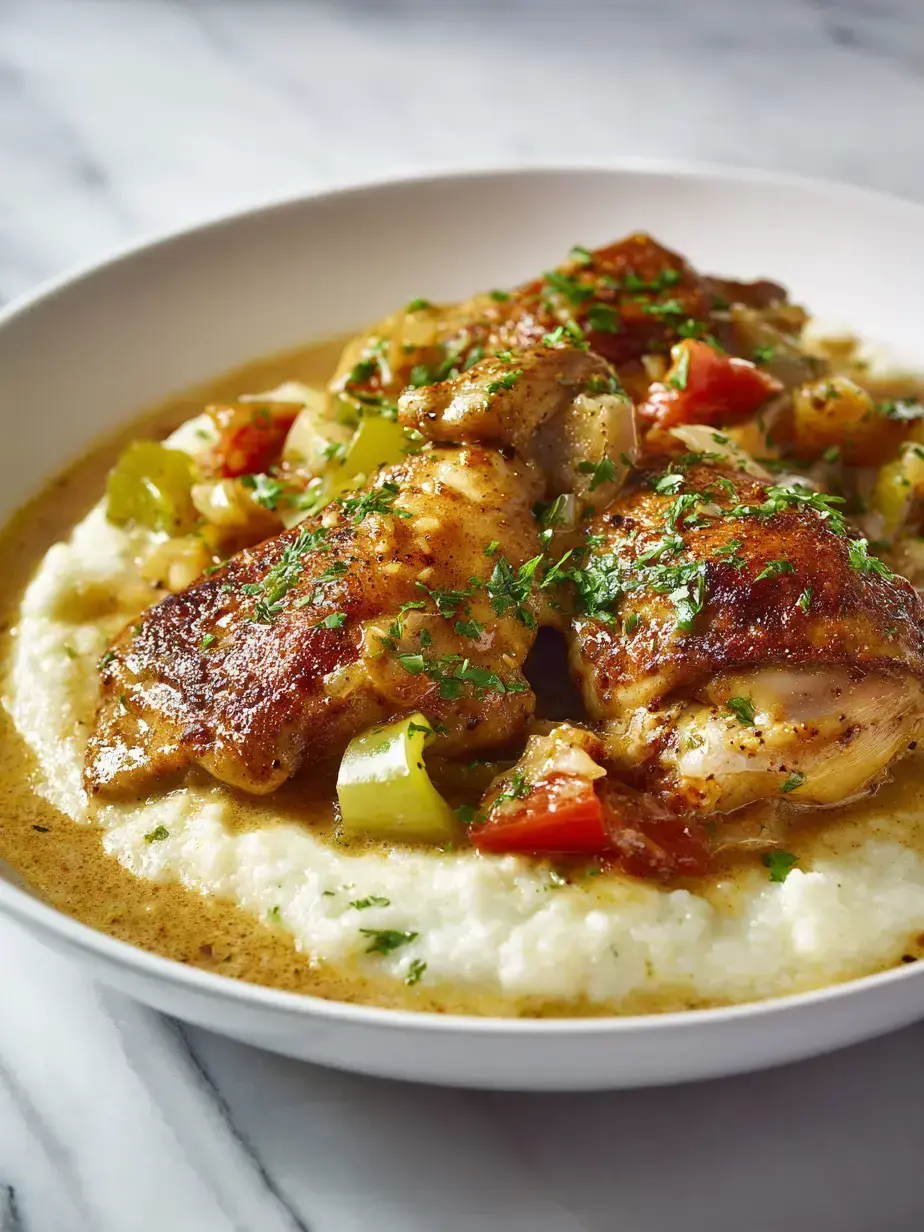
Storing and Reheating Your Feast
- Store: Cool completely and store in an airtight container in the refrigerator for up to 4 days. The gravy may thicken when chilled.
- Freeze: Freeze portions in airtight containers for up to 3 months. Thaw overnight in the refrigerator before reheating.
- Reheat: Gently warm in a covered skillet over low heat, adding a splash of broth to loosen the gravy, until heated through.
- Make-Ahead Tip: You can dredge and brown the chicken up to a day ahead, then proceed with the recipe when ready to cook, similar to prepping for Stuffed Bell Peppers.
Frequently Asked Questions
What is the difference between smothered chicken and fried chicken?
The main difference is the cooking method. Fried chicken is fully cooked by frying until crispy, while smothered chicken is only browned in oil, then finished by simmering in a gravy. This creates a more tender, saucy dish compared to the crispiness of traditional fried chicken.
Can I use boneless chicken for smothered chicken?
Yes, you can use boneless, skinless chicken thighs or breasts. However, reduce the final simmering time to 15-20 minutes to prevent the meat from becoming dry, as boneless cuts cook much faster than bone-in pieces.
Why is my smothered chicken gravy lumpy?
Lumpy gravy usually happens when the liquid is added too quickly. The key is to whisk the broth in gradually, starting with a small amount to create a smooth paste with the roux before adding the rest. If lumps form, you can strain the gravy.
How can I make my smothered chicken gravy thicker?
If your gravy is too thin, create a slurry by mixing one tablespoon of flour with two tablespoons of cold water. Whisk this into the simmering gravy and cook for a few more minutes until it reaches your desired consistency.
More Cozy Dinners to Try
Why This Smothered Chicken Will Become a Favorite
This recipe delivers the kind of soul-warming comfort that turns an ordinary weeknight into something special. The combination of crispy-skinned chicken and its rich, homemade gravy is a timeless pairing that never fails to please a crowd. I hope it brings as much cozy satisfaction to your table as it does to mine.