Sheet Pan Lasagna With Ricotta
This post may contain affiliate links.
Read our Disclaimer.
Leave a Comment ★★★★★
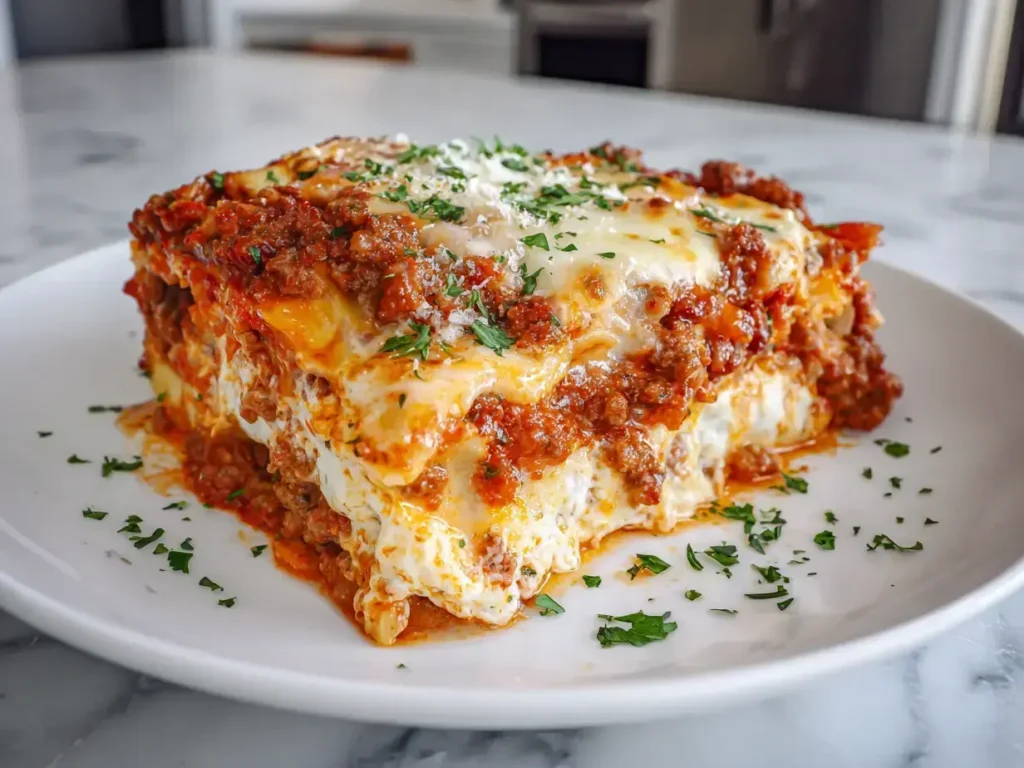
Do you sometimes yearn for the deep, comforting flavors of a classic lasagna but simply don’t have hours to spend in the kitchen? I know I certainly do. Standing at the stove, layering a heavy dish, and the seemingly endless bake time can turn a labor of love into just plain labor. That’s exactly why I fell head over heels for this incredibly easy sheet pan lasagna. This recipe is a total game-changer, delivering all the cheesy, saucy, meaty goodness of the Italian classic in a fraction of the time. We’re talking about a one-pan wonder that simplifies your dinner routine without sacrificing an ounce of flavor.

This method uses a simple rimmed baking sheet, which gives the noodles more surface area to crisp up around the edges while the center stays wonderfully tender. The result is a perfect homemade sheet pan lasagna with incredible texture in every single bite. It’s the ultimate solution for busy weeknights, potlucks, or when you need to feed a hungry crowd without a fuss. Let’s get started on creating your new favorite quick sheet pan lasagna.
Table of Contents
This amazing recipe completely reimagines a traditional favorite for the modern home cook. First, the speed is truly unmatched. Because we use a large, shallow pan, the heat distributes evenly and cooking time drops dramatically. You get a beautifully baked lasagna in about half the time of a standard deep-dish version. Furthermore, the clean-up is an absolute dream since everything comes together on a single pan.
This easy sheet pan lasagna is the hero of hectic evenings. You can go from pulling ingredients out of the fridge to pulling a golden, bubbly masterpiece out of the oven in well under an hour. The no-boil noodles are a massive time-saver, eliminating a whole pot and a step from your process. It’s the perfect solution when you need a comforting game day dinner that doesn’t keep you tied to the kitchen all afternoon.
Don’t let the simplicity fool you; the flavor profile is absolutely phenomenal. The Italian sausage infuses the sauce with a robust, garlicky depth, while the combination of ricotta, mozzarella, and Parmesan creates that iconic, cheesy sheet pan lasagna pull we all crave. The sheet pan method also gives you more of those coveted crispy, caramelized cheese edges and perfectly al dente noodles in every serving.
Gathering high-quality components is the first secret to building the best sheet pan lasagna. Each element plays a crucial role in creating the final, harmonious dish. Using whole-milk dairy and freshly grated cheese, for instance, makes a significant difference in richness and meltability. Let’s break down the key players that make this Italian sheet pan lasagna so memorable.
The heart of any great lasagna is its sauce. We start with ground Italian sausage, which brings a wonderful fennel-spiced flavor that permeates the entire dish. If you prefer a milder taste, sweet Italian sausage works beautifully. For a quick weeknight meal, a good-quality jarred marinara sauce is perfectly acceptable and saves precious time. However, if you have a little extra time, whipping up a simple marinara from scratch is always a rewarding treat.
This layer is what gives lasagna its distinctive creaminess. Whole milk ricotta cheese is non-negotiable for the best texture and flavor. We bind it with an egg to prevent it from becoming watery during baking. Freshly grated Parmesan cheese, rather than the canned powder, melts in seamlessly and adds a sharp, salty punch. Finally, fresh parsley, kosher salt, and black pepper brighten the whole mixture and cut through the richness.
One of the best things about this recipe is its simplicity, which extends to the tools required. You likely have everything you need already in your kitchen drawers. Having the right equipment on hand makes the assembly process smooth and efficient, turning what seems like a complex project into a straightforward and enjoyable task. Let’s look at the essentials for your sheet pan lasagna recipe.
The namesake of the dish, a large rimmed sheet pan (approximately 13×18 inches), is the most important tool. The high edges are crucial for containing the saucy, cheesy goodness without any spills in your oven. I also recommend a light coating of cooking spray to guarantee nothing sticks, making serving and cleanup a breeze. This pan is a workhorse in my kitchen, perfect for everything from this lasagna to a batch of cheesy garlic rolls.
A trusty large skillet is necessary for browning the sausage and simmering the sauce. A wooden spoon is perfect for breaking the meat into small, even crumbles. You will also need a medium mixing bowl and a rubber spatula for combining the ricotta mixture until it’s perfectly smooth. Finally, aluminum foil is key for the first part of baking, as it traps steam and gently cooks the noodles to tender perfection.
Now for the fun part: bringing it all together. This process is wonderfully straightforward and forgiving. Follow these steps closely for a foolproof result every single time. The magic of this one pan lasagna is how the layers build directly on the sheet pan, creating a beautiful, rustic dish that’s packed with flavor. Remember to preheat your oven properly for even cooking from the start.
First, preheat your oven to 375°F (190°C) and prepare your pan with a light coat of cooking spray. Then, brown one pound of ground Italian sausage in a large skillet over medium-high heat. Use your wooden spoon to break it into small pieces as it cooks. Once it’s fully browned and deliciously fragrant, pour in a 24-ounce jar of marinara sauce, give it a good stir, and remove it from the heat. In a separate bowl, mix your ricotta, egg, Parmesan, parsley, salt, and pepper until everything is evenly combined.
Arrange a single layer of six no-boil lasagna noodles on your prepared sheet pan, breaking a few to fill in any gaps. Spread the entire ricotta mixture evenly over the noodles. Next, spoon half of your meat sauce over the ricotta, followed by a generous sprinkle of half your shredded mozzarella. Repeat the layers: remaining noodles, the rest of the meat sauce, and the final layer of mozzarella. Cover the pan tightly with foil and bake for 25 minutes. Remove the foil and bake for another 10-15 minutes until the cheese is golden and bubbly. Let it rest for 10 minutes before slicing.
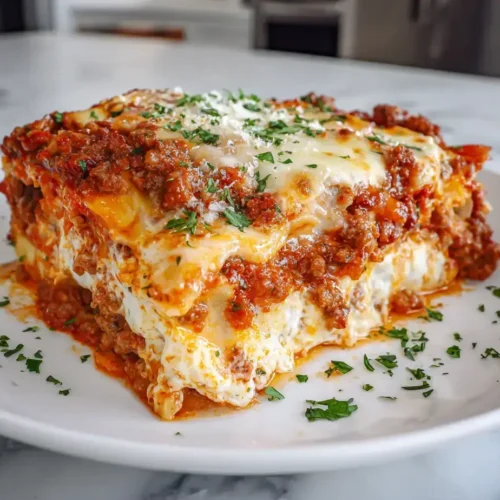
A few small tricks can elevate your lasagna from great to absolute perfection. These are the little things I’ve learned through trial and error in my own kitchen. They help ensure your noodles cook through perfectly, your cheese gets beautifully golden, and your slices hold together when you serve them. Following these tips will give you a restaurant-quality result right at home.
The key to no-boil noodles is adequate moisture and a tight seal during the initial baking phase. Make sure you cover the pan very tightly with aluminum foil; you want to trap all that steam inside to cook the pasta. Don’t be tempted to skip the resting time after baking. This crucial step allows the layers to set firmly, making it much easier to cut neat squares that hold their shape, just like a classic cottage pie needs time to set.
For the ultimate cheesy sheet pan lasagna top, shred your own mozzarella from a block. Pre-shredded cheese contains anti-caking agents that can prevent it from melting as smoothly and beautifully. After removing the foil, keep a close eye on the lasagna. Bake it just until the cheese develops those gorgeous golden-brown spots. If you want more browning, you can even pop it under the broiler for a minute or two at the very end.
This lasagna is a complete meal all on its own, but pairing it with the right sides can turn dinner into a true feast. A crisp, simple salad is the classic accompaniment for a reason—its freshness provides a lovely contrast to the rich, baked pasta. You can also keep the Italian theme going with some fantastic side dishes that complement the flavors beautifully.
You simply can’t go wrong with a light, acidic salad. A simple arugula salad with a lemon vinaigrette or a classic Caesar salad cuts through the richness perfectly. For a heartier side, a slice of warm, crusty garlic bread is ideal for scooping up every last bit of sauce. These sides are family favorites, much like the ones we serve with our chicken Parmesan.
For a lighter option, simple steamed or roasted vegetables like broccoli, green beans, or asparagus make a wonderful addition to the plate. If you’re serving a crowd for a special occasion or holiday, you might also consider a starter like a light soup. A minestrone or a tomato basil soup would pair wonderfully and make the meal feel even more special.
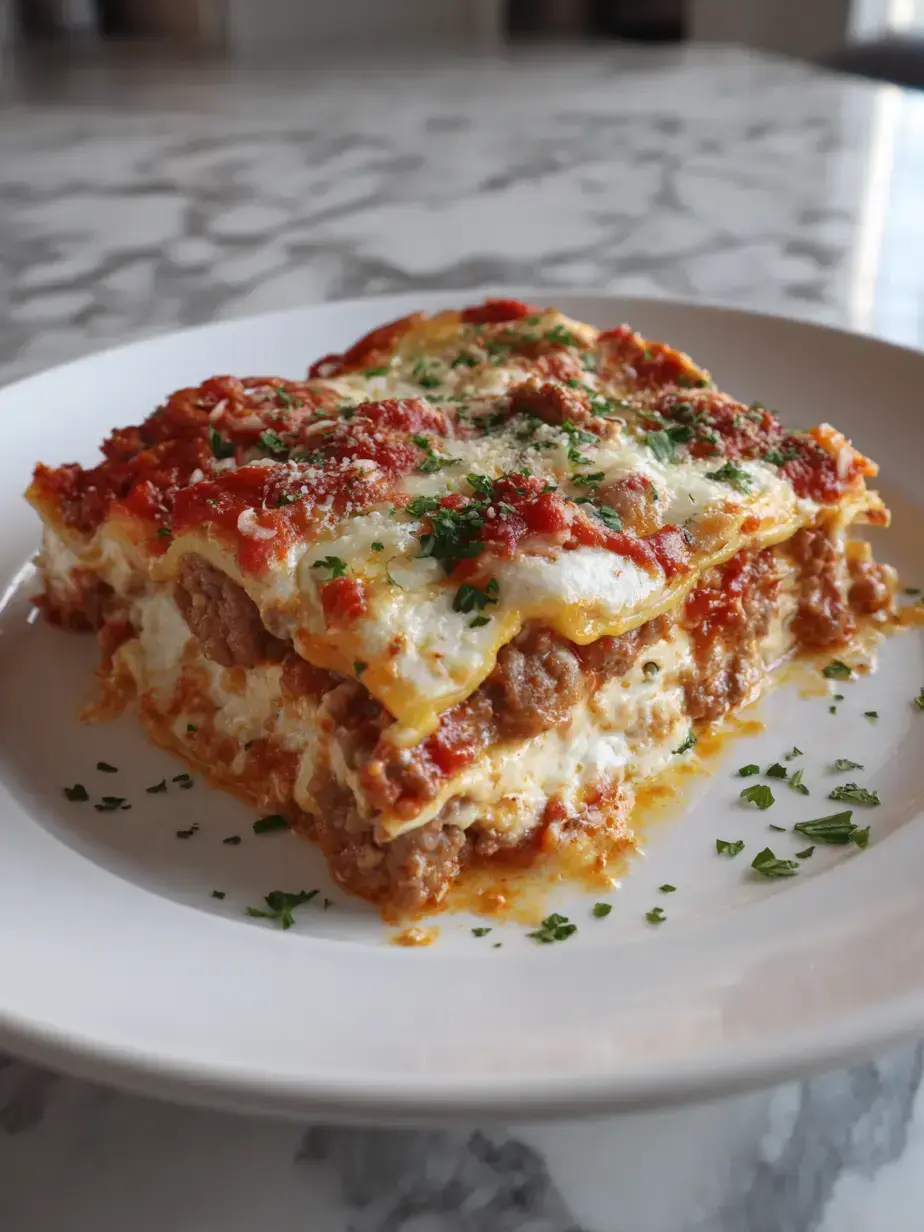
This easy sheet pan lasagna makes fantastic leftovers, often tasting even better the next day after the flavors have had more time to meld. Proper storage is key to maintaining its texture and taste. Whether you’re planning ahead or saving leftovers, these simple methods will ensure your lasagna stays delicious and safe to eat. It’s as easy to store as our popular breakfast casserole.
Once the lasagna has cooled completely to room temperature, cover the sheet pan tightly with plastic wrap or aluminum foil and place it in the refrigerator. It will keep well for up to 3-4 days. For longer storage, you can freeze it. Slice the cooled lasagna into portions, wrap each piece individually in plastic wrap and then foil, and place them in a freezer bag. Frozen, it will maintain its best quality for about 2-3 months.
The best way to reheat your sheet pan lasagna and retain its texture is in the oven. Preheat the oven to 350°F (175°C). Place individual slices or the desired portion in an oven-safe dish, cover with foil, and heat for 15-20 minutes, or until heated through. For a quick single serving, the microwave works in a pinch. Place a slice on a microwave-safe plate and heat on high for 1-2 minutes, though the edges may not be as crispy.
One of the greatest strengths of this recipe is its incredible flexibility. You can easily adapt it to suit different dietary needs, clean out your fridge, or just cater to your family’s personal preferences. Don’t be afraid to get creative and make this recipe your own. It’s a fantastic base for improvisation, much like our versatile vegetable grain bowl.
Transforming this into a fantastic vegetable sheet pan lasagna is wonderfully simple. Simply omit the sausage and sauté a mix of your favorite vegetables instead. Great options include sliced mushrooms, spinach, zucchini, diced bell peppers, and onions. Sauté them until tender before adding your marinara sauce. You can even add a layer of roasted vegetables for extra depth of flavor.
While Italian sausage is our favorite, you can absolutely use ground beef, turkey, or even a mix. For a different flavor profile, try using a spicy sausage or adding some pepperoni slices. Cheese is also easy to swap. Try incorporating some provolone for a sharper flavor or a little fontina for its excellent melting qualities. The possibilities are nearly endless.
Absolutely! You can assemble the entire lasagna, cover it tightly with plastic wrap and then foil, and refrigerate it for up to 24 hours before baking. When you’re ready, bake it directly from the fridge, adding a few extra minutes to the covered baking time if needed.
That’s the beauty of this recipe! The no-boil (or “oven-ready”) lasagna noodles are designed to cook perfectly with the moisture from the sauce and cheese. Just make sure your pan is covered tightly with foil for the first part of baking to create enough steam.
This can happen if the ricotta itself has a higher water content. To prevent this, you can drain your ricotta in a fine-mesh strainer for 15-30 minutes before mixing it with the other ingredients. The egg in the mixture also helps to bind it and prevent separation.
Yes, it freezes very well. Cool the baked lasagna completely, then cut it into individual portions. Wrap each piece tightly in plastic wrap and then foil before placing them in a freezer bag. Thaw overnight in the fridge before reheating.
The most important step is letting the lasagna rest for a full 10 minutes after it comes out of the oven. This allows the layers to set. Use a sharp knife to cut the portions and a sturdy spatula to lift them out of the pan.
I don’t recommend it. Traditional lasagna noodles require pre-boiling and have a different absorption rate. Using them in this specific method would likely result in undercooked pasta or an incorrect sauce-to-noodle ratio.
This sheet pan lasagna truly is a testament to the idea that the best family meals don’t have to be complicated. It captures every bit of the cozy, nostalgic comfort of the dish I grew up with, but in a modern, streamlined form that fits perfectly into our busy lives. I hope this recipe becomes a trusted favorite in your home, creating its own warm memories around your dinner table. So grab your sheet pan, gather your family, and get ready to enjoy the easiest, most delicious lasagna of your life. Don’t forget to share your cooking results and tag us!

Welcome to Mac Recipes! I'm here to prove that amazing home-cooked meals don't need to be complicated. From weeknight dinners to weekend treats, I create recipes that fit into your busy life—delicious, doable, and always worth making.
More About Me