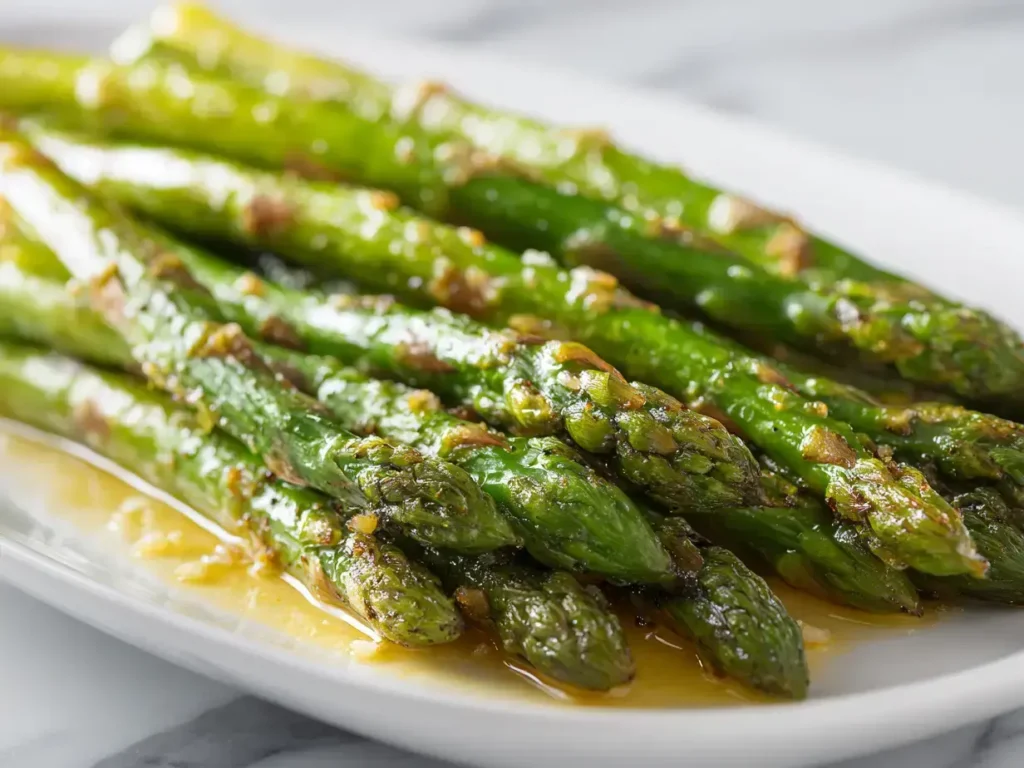
Oven Roasted Asparagus
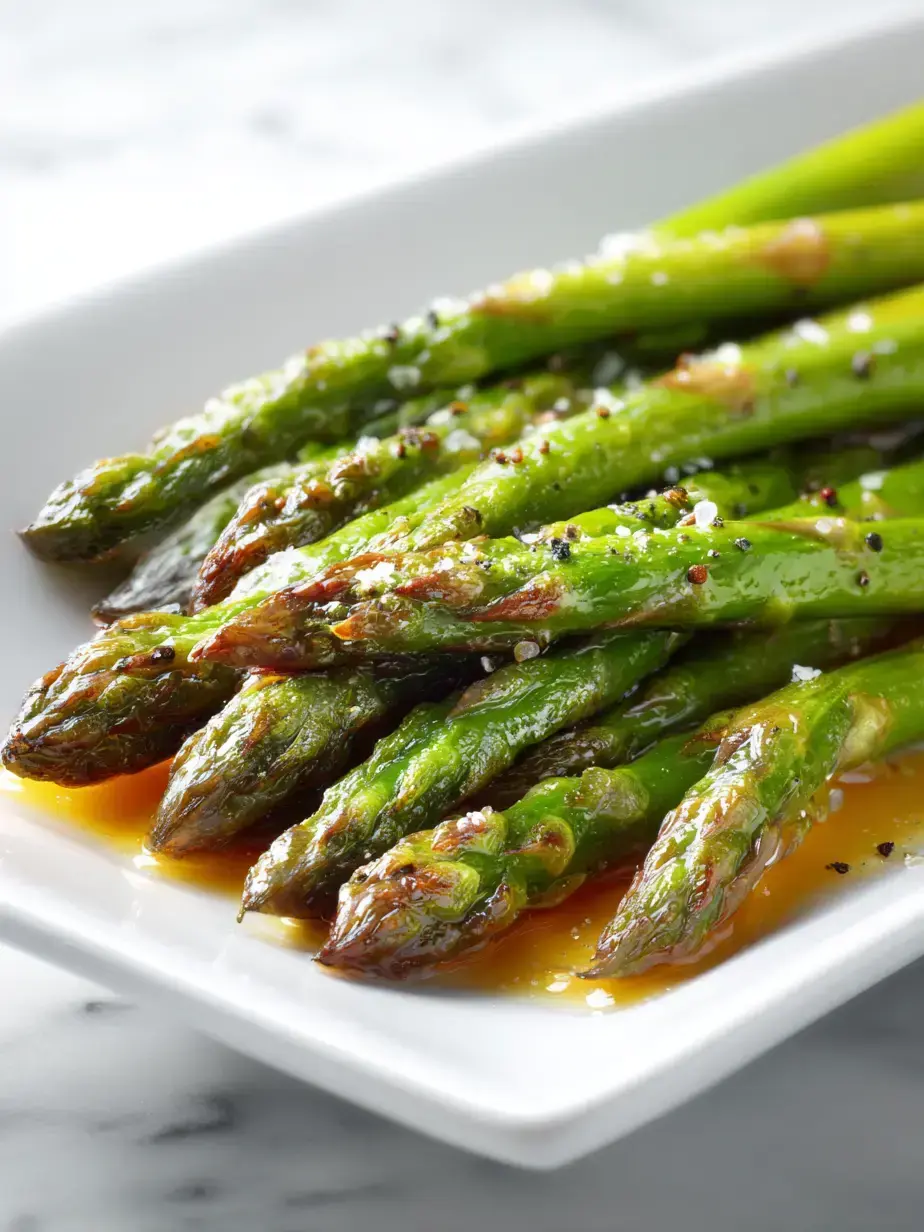
This roasted asparagus recipe transforms simple spears into an elegant side dish with caramelized edges and tender-crisp texture. Using just olive oil, salt, and pepper, it highlights the vegetable’s natural sweetness while remaining incredibly healthy. Perfect for weeknight dinners or special occasions, this versatile dish comes together in under 20 minutes.
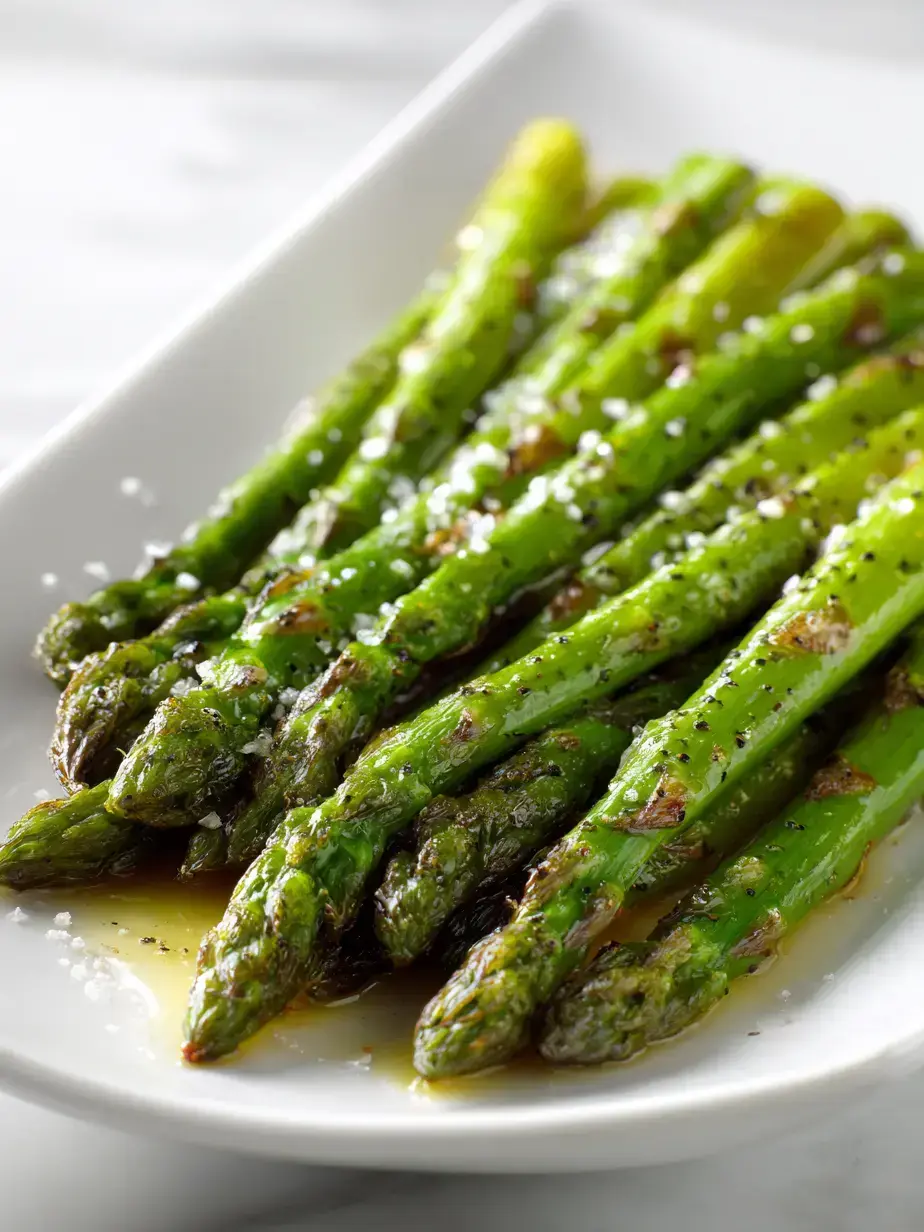
I discovered my love for perfectly roasted vegetables during a springtime visit to the Italian countryside, where local chefs taught me that simplicity often creates the most memorable flavors. This roasted asparagus has become my go-to side dish for everything from casual family dinners to elaborate holiday feasts, particularly when I’m preparing my perfect Thanksgiving turkey. The way the asparagus develops those slightly charred tips while maintaining its vibrant green color never fails to impress guests, and it pairs beautifully with other roasted vegetables like garlic Parmesan roasted broccoli or honey roasted carrots.
Why This Roasted Asparagus Shines
- Effortless Elegance: Transforms humble asparagus into restaurant-quality presentation.
- Quick Preparation: Ready from prep to plate in just 20 minutes.
- Versatile Pairing: Complements everything from fish to hearty meats perfectly.
- Health Conscious: Preserves nutrients while enhancing natural flavors.
What You’ll Need for Perfect Roasted Asparagus
Be sure to see the recipe card below for the full listing of ingredients, instructions, notes, and estimated nutritional information.
- Fresh asparagus spears: Look for firm, bright green stalks with tightly closed tips.
- Olive oil: Extra virgin olive oil adds fruity notes and helps crisp the edges.
- Kosher salt: The larger flakes distribute evenly and enhance natural flavors.
- Freshly ground black pepper: Fresh grinding provides brighter, more aromatic pepper notes.

Perfect Roasted Asparagus
Equipment
- oven
- baking sheet
- mixing bowl
- knife
- cutting board
- measuring spoons
Ingredients
- 1 pound fresh asparagus spears
- 2 tablespoons olive oil
- 1/2 teaspoon kosher salt
- 1/4 teaspoon freshly ground black pepper
Instructions
- Preheat your oven to 400 degrees Fahrenheit. If desired, line a large baking sheet with parchment paper for easier cleanup.
- Rinse the asparagus spears thoroughly under cold water, then pat them completely dry with paper towels. To trim, hold one asparagus spear near its base and bend it until the woody end naturally snaps off. Use this trimmed spear as a guide to cut the ends off the remaining asparagus spears.
- In a large bowl, drizzle the prepared asparagus with 2 tablespoons of olive oil. Toss well to ensure that each spear is lightly and evenly coated.
- Sprinkle 1/2 teaspoon of kosher salt and 1/4 teaspoon of freshly ground black pepper over the asparagus in the bowl. Toss again until the seasonings are thoroughly and evenly distributed.
- Arrange the seasoned asparagus in a single layer on the prepared baking sheet. It is crucial to avoid overcrowding the pan; if necessary, use two baking sheets to ensure the asparagus roasts evenly instead of steaming.
- Roast in the preheated oven for 10 to 15 minutes, or until the asparagus is tender-crisp and slightly browned in spots. The exact cooking time will vary depending on the thickness of your asparagus spears; thinner spears will cook more quickly.
- Carefully remove the baking sheet from the oven. Serve the roasted asparagus immediately as a vibrant and flavorful side dish.
Notes
Ways to Customize Your Asparagus
- Lemon Garlic Twist: Add minced garlic and lemon zest before roasting.
- Parmesan Crusted: Sprinkle grated Parmesan during the last 5 minutes of cooking.
- Spicy Kick: Toss with red pepper flakes for subtle heat.
My Pro Tips for Perfect Results
- Asparagus Selection: Choose spears of similar thickness for even cooking.
- Proper Drying: Pat asparagus completely dry to ensure crispness rather than steaming.
- Single Layer Placement: Avoid overcrowding the pan to achieve proper browning.
- Doneness Test: Asparagus should be tender but still have slight resistance when pierced.
Keeping Your Leftovers Fresh
- Store: Refrigerate in an airtight container for up to 3 days.
- Freeze: Not recommended as texture becomes mushy upon thawing.
- Reheat: Warm in a 350°F oven for 5-7 minutes to restore crispness.
- Make-Ahead Tip: Trim and dry asparagus up to 2 days ahead.
Frequently Asked Questions
How do you know when asparagus is done roasting?
Asparagus is perfectly roasted when it’s tender but still has slight crispness. The spears should bend slightly when lifted, and the tips will become slightly browned and crispy. I always test by piercing with a fork – it should meet slight resistance but not be tough.
Should you soak asparagus before roasting?
No, soaking isn’t necessary and can make the asparagus watery. Simply rinse under cold water and pat thoroughly dry. The key to crispy roasted asparagus is starting with completely dry spears, as excess moisture will steam rather than roast them.
What temperature is best for roasting asparagus?
400°F is ideal for roasting asparagus. This high temperature caramelizes the natural sugars quickly while keeping the interior tender-crisp. If your oven runs hot, you might reduce to 375°F, but I find 400°F gives the perfect balance of browning and cooking through.
Why is my roasted asparagus soggy?
Soggy asparagus usually results from overcrowding the pan or not drying the spears properly. Ensure they’re completely dry before oiling, and arrange in a single layer with space between spears. Also, check your oven temperature – if it’s too low, the asparagus will steam rather than roast.
Other Vegetable Sides You’ll Love
Why This Roasted Asparagus Becomes a Favorite
With its perfect balance of crisp-tender texture and caramelized sweetness, this roasted asparagus recipe demonstrates how simplicity creates the most memorable dishes. It’s versatile enough for weeknight dinners yet elegant enough for holiday tables, making it a go-to vegetable side that consistently delights. Once you experience how four basic ingredients transform into something extraordinary, you’ll understand why this becomes a regular in vegetable rotations.