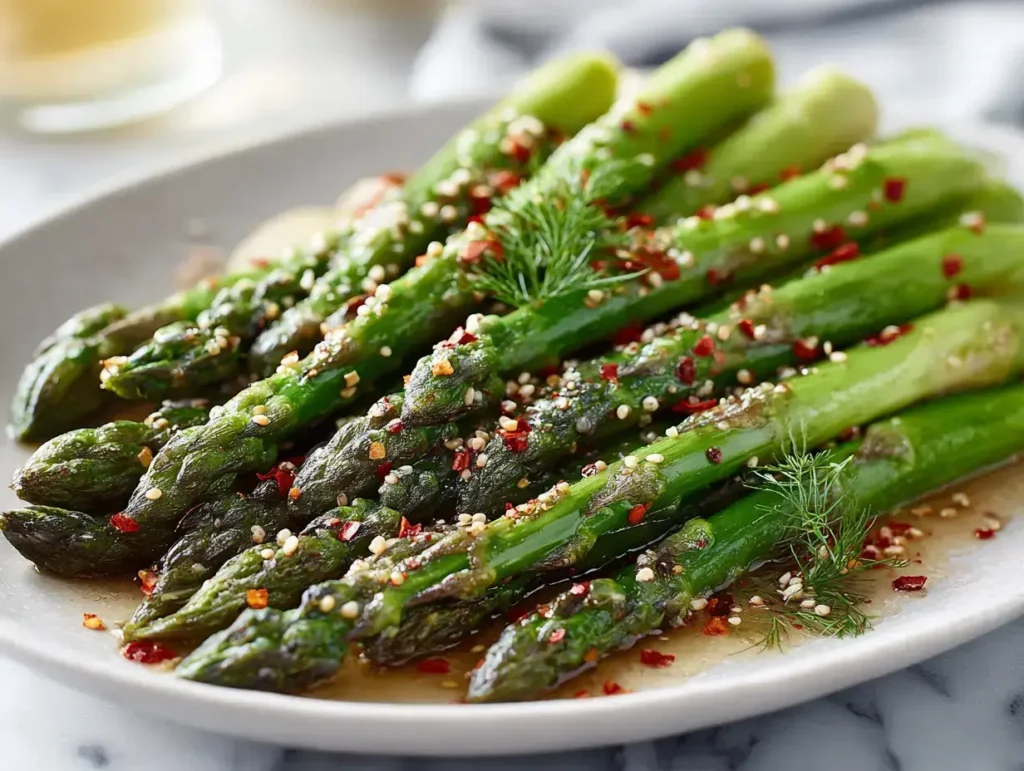
This Pickled Asparagus Recipe transforms fresh spring spears into a crisp, tangy treat that’s perfect for canning. With simple ingredients like garlic and classic pickling spices, this homemade version delivers far more flavor than anything from a store. It’s an ideal project for preserving the season’s bounty and adding a gourmet touch to charcuterie boards or salads.
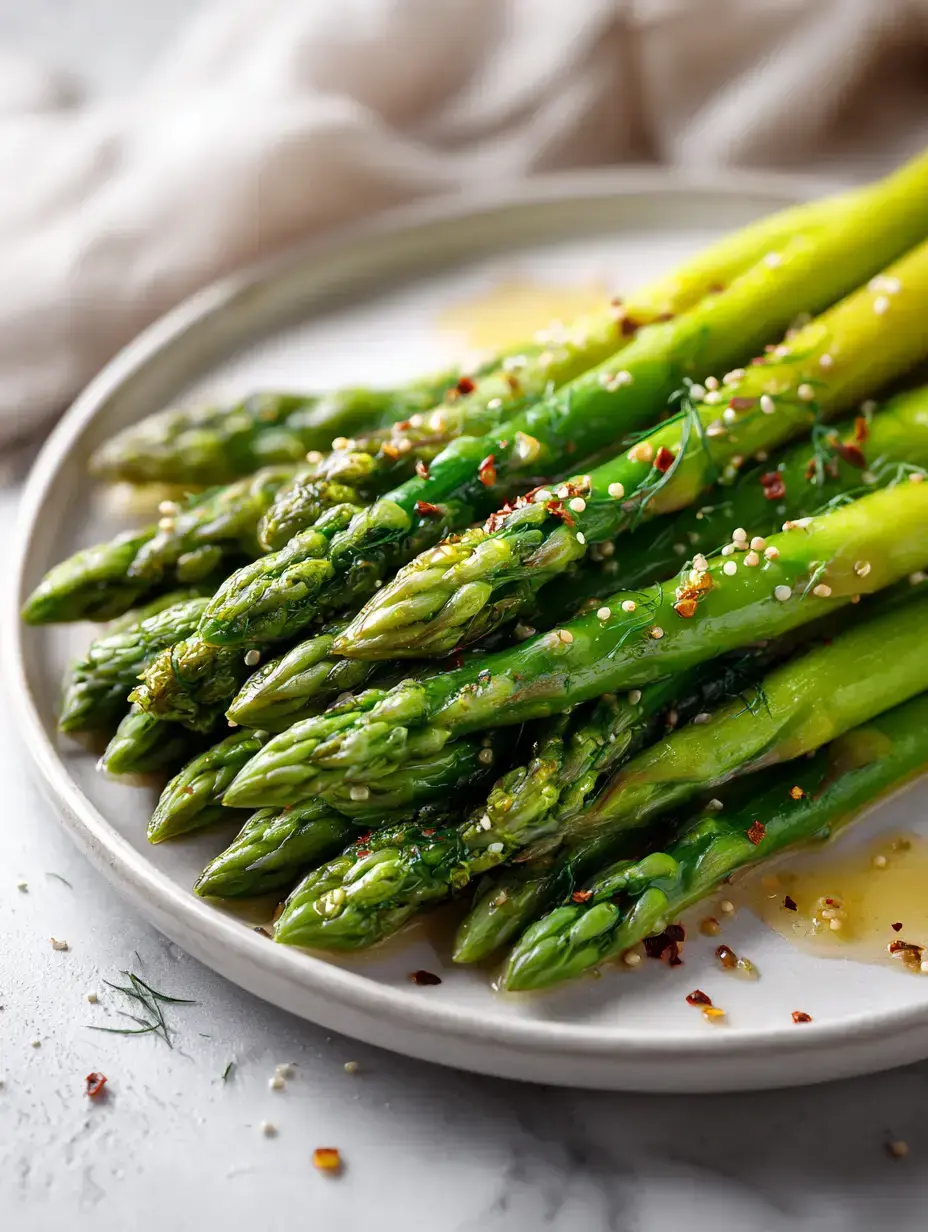
I first fell for pickled asparagus while traveling through the French countryside, where every farmhouse pantry held jars of garden vegetables preserved with local herbs. That memory inspires me each spring when asparagus comes into peak season. I love having these crisp spears on hand to elevate a simple vegetable grain bowl or to serve alongside a warm bowl of creamy potato soup. They add a bright, acidic note that cuts through richer dishes beautifully, making them a staple in my kitchen from season to season.
Why You’ll Love This Homemade Pickle
- Superior Flavor: Fresh spices and garlic create a more complex taste than store-bought versions.
- Perfect Preservation The water bath canning process ensures your asparagus stays crisp and safe for months.
- Incredibly Versatile: Enjoy these spears as a snack, a cocktail garnish, or a vibrant salad ingredient.
- Simple Process: With just 30 minutes of active time, you can create a pantry staple that feels gourmet.
What You’ll Need for Your Pickled Asparagus Recipe
Be sure to see the recipe card below for the full listing of ingredients, instructions, notes, and estimated nutritional information.
- Fresh Asparagus Spears: Choose firm, bright green stalks with tight tips for the best texture.
- Distilled White Vinegar: This provides the sharp, clean acidity essential for safe pickling.
- Water: Helps balance the vinegar’s sharpness in the brine.
- Pickling Salt: Unlike table salt, it contains no additives that could cloud the brine.
- Dill Seed: Offers a classic pickle flavor that pairs wonderfully with asparagus.
- Celery Seed: Adds a subtle, earthy complexity to the spice profile.
- Mustard Seed: Contributes a mild, tangy note that enhances the overall flavor.
- Crushed Red Pepper Flakes: Provides a gentle heat that you can adjust to your preference.
- Garlic: Freshly sliced cloves infuse the brine with a robust, aromatic quality.
Pickled Asparagus Recipe
Learn how to make delicious Pickled Asparagus Recipe at home. This easy canning guide includes fresh asparagus, garlic, and spices for a tangy treat.
Prep Time 15 minutes mins
Cook Time 15 minutes mins
Total Time 30 minutes mins
Course Side Dish
Cuisine American
Servings 4 servings
Calories 25 kcal
- 1 pound fresh asparagus spears
- 2 cups distilled white vinegar
- 2 cups water
- 3 tablespoons pickling salt
- 2 teaspoons dill seed
- 1 teaspoon celery seed
- 1 teaspoon mustard seed
- 1/2 teaspoon crushed red pepper flakes
- 4 cloves garlic peeled and thinly sliced
Thoroughly wash the asparagus spears. Use a knife to trim off the tough, woody ends so the spears are of even length, about 1 inch shorter than the height of your canning jars.
In a large, non-reactive saucepan, combine the distilled white vinegar, water, pickling salt, dill seed, celery seed, mustard seed, and crushed red pepper flakes. Bring the brine to a full boil over medium-high heat, stirring occasionally to dissolve the salt completely.
While the brine heats, tightly pack the trimmed asparagus spears vertically into 2 sterilized pint-sized canning jars. Wedge the thinly sliced garlic cloves evenly between the asparagus spears and the sides of the jars.
Once the brine is boiling, carefully pour the hot liquid into the jars, leaving about 1/2 inch of space at the top to allow for a proper seal. Use a clean butter knife or chopstick to slide down the inside of the jar to release any large air bubbles trapped between the spears.
Wipe the rims of the jars clean with a damp paper towel, then seal them with sterilized lids and rings, tightening the rings only until they are just snug, or “fingertip tight.”
Process the sealed jars in a boiling water bath for 10 minutes to ensure they are safely preserved. Use a jar lifter to carefully remove the hot jars and place them on a wire rack or a towel-lined countertop to cool undisturbed for 12 to 24 hours.
After cooling, check that each lid has sealed by pressing the center; it should not pop back. Store the sealed jars in a cool, dark place for at least 2 weeks before eating to allow the flavors to fully develop.
Store the sealed jars in a cool, dark place for at least 2 weeks before eating to allow the flavors to fully develop.
Keyword canning, pickled asparagus, Pickled Asparagus Recipe
Ways to Customize Your Pickles
- Spicy Kick: Add a whole dried chili pepper to each jar along with the garlic for more heat.
- Herbal Notes: Include a few sprigs of fresh dill or tarragon for a more aromatic pickle.
- Sweet and Tangy: Stir a tablespoon of sugar or honey into the brine for a sweet contrast.
My Pro Tips for Perfect Pickling
- Selecting Asparagus: Use spears of uniform thickness so they pickle evenly and fit neatly in the jars.
- Sterilize Jars: Properly sterilize your jars and lids to prevent contamination and ensure a good seal.
- Pack Tightly: Stand the spears upright and pack them snugly to prevent them from floating in the brine.
- Patience is Key: Allow the jars to rest for at least two weeks before opening for the flavors to fully develop.
How to Store Your Pickled Asparagus
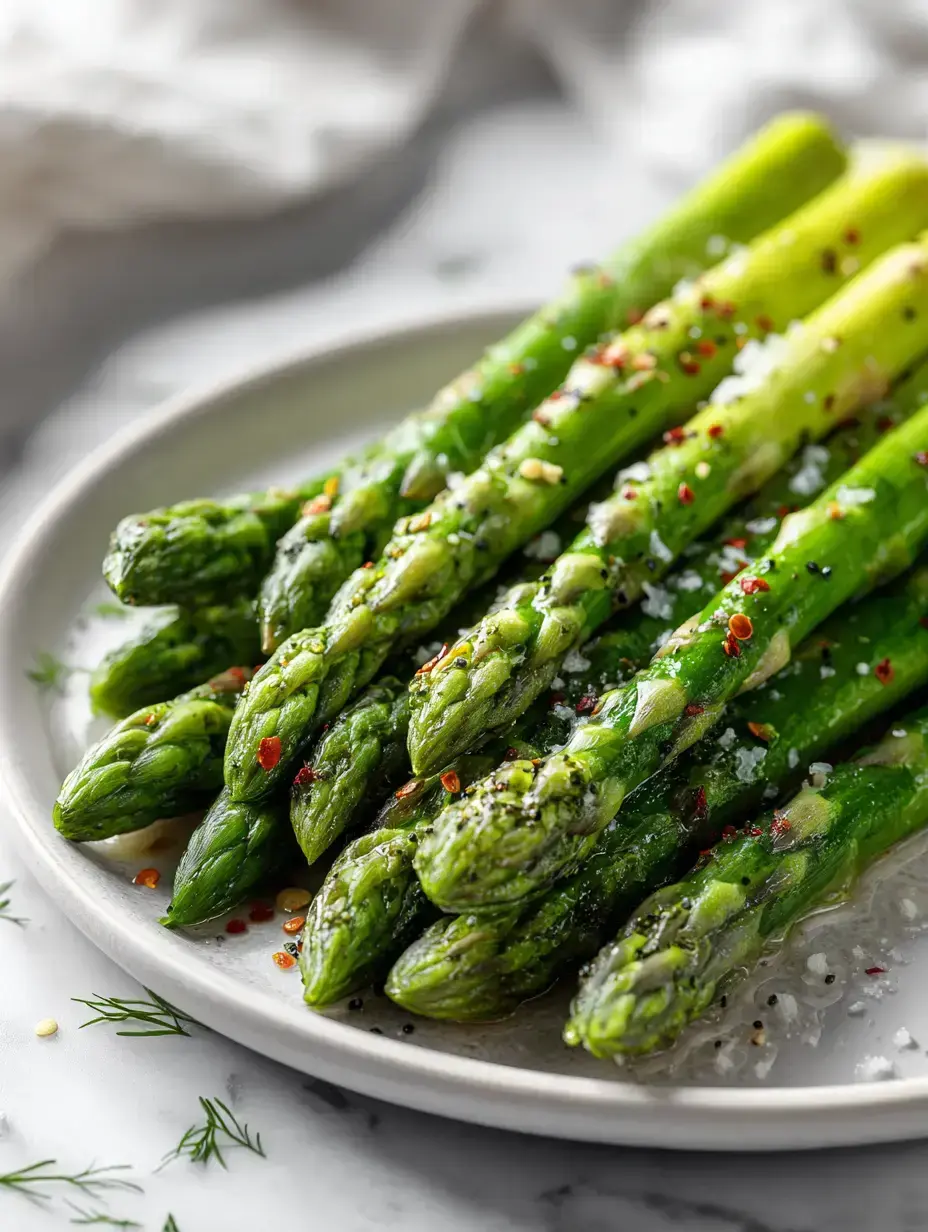
- Store: Keep sealed jars in a cool, dark pantry for up to one year; refrigerate after opening and consume within a month.
- Freeze: Freezing is not recommended for pickled asparagus, as it will become mushy when thawed.
- Reheat: These are meant to be eaten cold or at room temperature; no reheating is necessary or advised.
- Make-Ahead Tip: This recipe is designed for make-ahead preparation; the flavor improves over several weeks.
Frequently Asked Questions
How long does pickled asparagus last?
Properly processed and sealed jars of pickled asparagus can be stored in a cool, dark place for up to one year. Once opened, transfer the jar to the refrigerator and enjoy the contents within one month for the best quality and safety.
Can you eat pickled asparagus raw?
Yes, pickled asparagus is intended to be eaten “raw” straight from the jar, as the pickling process itself preserves and tenderizes it. It’s a delicious, ready-to-eat condiment or snack that requires no further cooking.
Why is my pickled asparagus soft?
Soft pickled asparagus is often caused by overcooking during the water bath processing. Be sure to time the 10-minute processing carefully. Using very fresh, firm asparagus is also crucial for maintaining a crisp texture.
What do you eat pickled asparagus with?
Pickled asparagus is incredibly versatile. It’s fantastic on a bruschetta platter, chopped into potato salad, served with grilled meats, or simply enjoyed as a tangy snack on its own.
More Homemade Pickle Recipes
Why This Pickled Asparagus Recipe Works
With its crisp texture and perfectly balanced brine, this pickled asparagus recipe is a foolproof way to preserve spring’s finest vegetable. It’s surprisingly simple to make and yields a gourmet result that will impress your family and guests. I hope you enjoy making and sharing this timeless preserving project as much as I do.