Lemon Balm Tea Recipe
This post may contain affiliate links.
Read our Disclaimer.
Leave a Comment ★★★★★
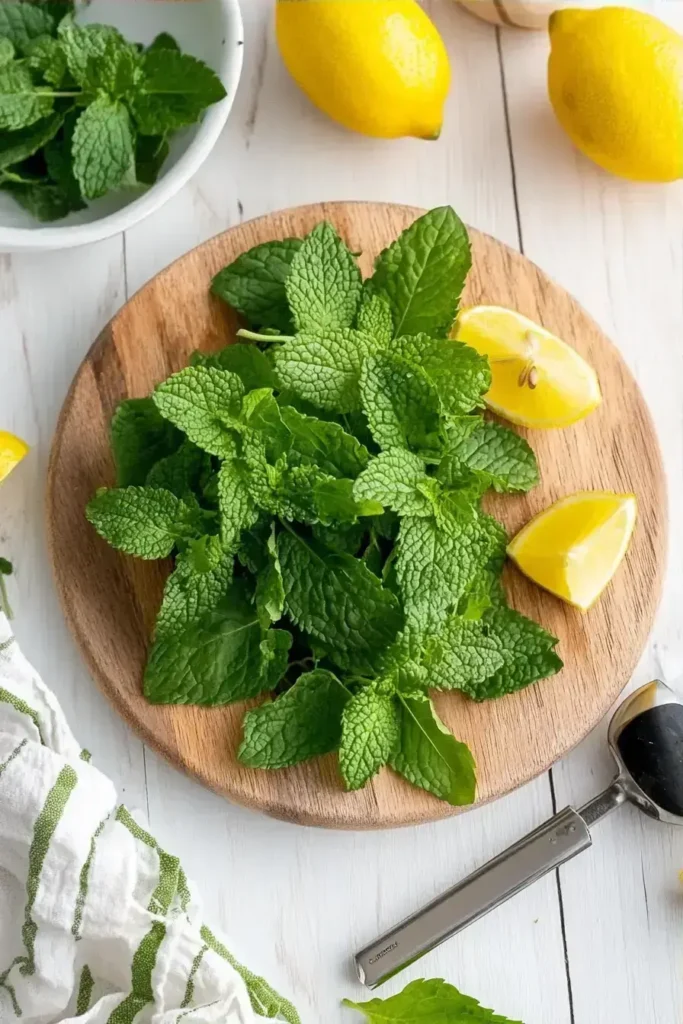
Making a soothing Lemon Balm tea is one of the simplest ways to bring a moment of calm into a busy day. This homemade lemon balm drink requires just a few ingredients and minimal effort, offering a gentle, herbal escape.
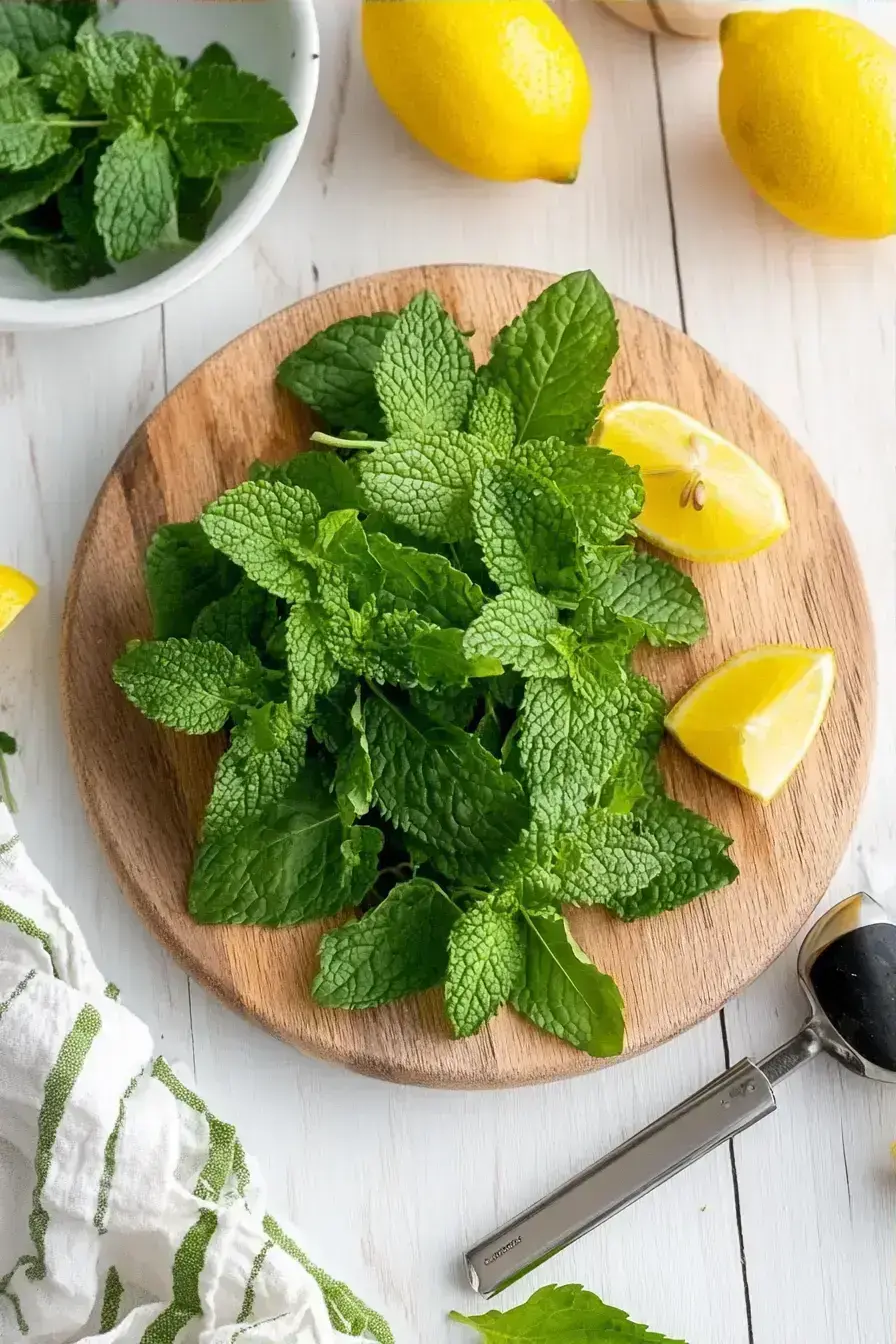
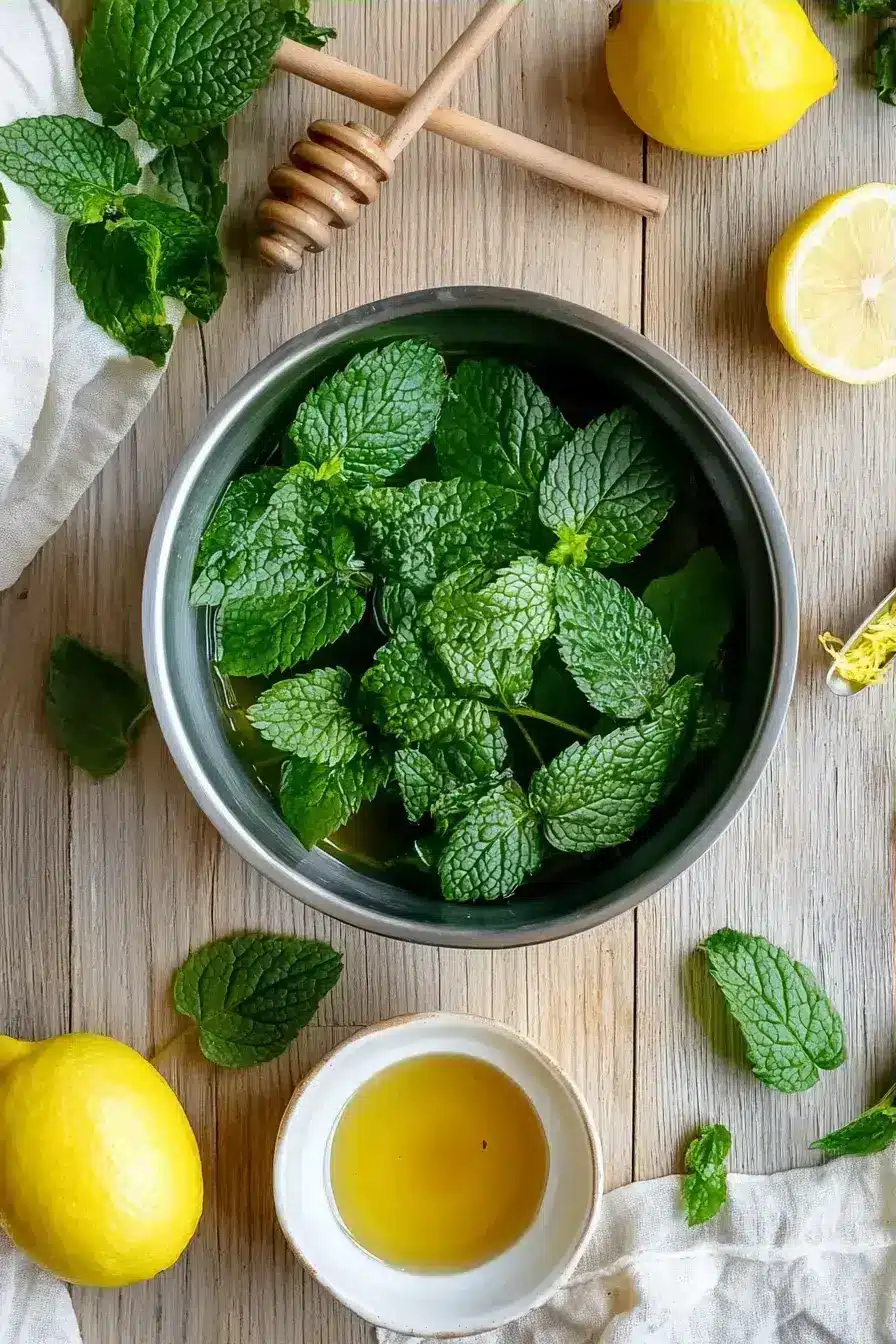
As a busy parent, I love recipes that don’t keep me tied to the stove. This herbal tea recipe is one of my favorites because it comes together so quickly.
With just 5 minutes of prep and 15 minutes of gentle simmering, you’ll have a comforting Lemon Balm tea ready in under 20 minutes total. It’s the perfect last-minute drink to unwind with after a hectic day. For another quick and soothing option, you might enjoy my Greek Lemon Chickpea Soup.
I know many families are sugar-conscious, so it’s easy to make this drink diabetic-friendly. The honey adds sweetness, but you can easily adjust it.
For a low-sugar version, try using stevia or xylitol as a natural sweetener alternative. You can also reduce or omit the honey altogether to make it a no added sugar option, letting the natural flavor of the lemon balm shine through.
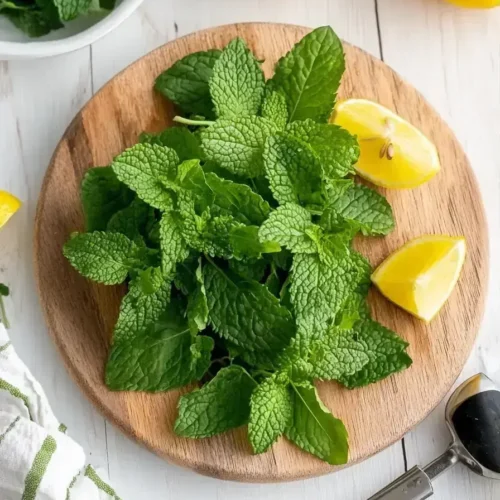
After making this lemon balm tea countless times, I’ve picked up a few tricks. Here are my pro tips to ensure your homemade lemon balm drink turns out perfectly every time.
This calming herbal drink is more than just tasty. Lemon Balm has been used for centuries for its relaxing properties. While I’m not a doctor, many people find a warm cup of this tea helps them unwind.
This honey lemon tea is a good source of antioxidants from the fresh herbs and lemon. It’s also a hydrating alternative to sugary drinks. For another nutrient-packed option, explore this guide to herbal tea benefits. If you’re looking for more wholesome recipes, my One-Pot Lasagna Soup is a family favorite, and my Creamy Wild Rice Soup is incredibly satisfying.
If you’re watching your sugar intake, this recipe is easily adaptable. Simply skip the honey or use a sugar-free alternative like monk fruit sweetener.
The natural mild sweetness of the Lemon Balm itself is often enough for a refreshing drink. You can also add a cinnamon stick while steeping for extra flavor without calories.
I love sipping this tea in the evening after the kids are in bed. It’s my little moment of peace. Serve it warm in a big mug for ultimate coziness.
For a summer treat, chill it completely and pour over ice. A slice of lemon or a sprig of fresh lemon balm makes a beautiful garnish. It pairs wonderfully with a simple biscuit or just some quiet time. For another comforting pairing, my Creamy Potato Soup is a classic choice.
If you’re serving a crowd, this Creamy Roasted Cauliflower Soup is always a hit.
Let’s avoid a few common pitfalls to make sure your lemon balm infusion is perfect. Why is my tea bitter? Usually, it’s because the water was too hot or it boiled for too long.
Always keep the heat at a low simmer after adding the leaves. Another mistake is not rinsing the leaves—give them a quick rinse to remove any dust. For a perfectly smooth result, use a fine-mesh sieve to strain out all the leaves. This attention to detail is similar to what you need for my Brussels Sprouts Cheddar Soup. Remember, steeping time matters; too long can overpower the flavor. For more general cooking tips, this guide to making tea is helpful. I learned the hard way that patience is key!
This tea stores beautifully, which is a lifesaver during a busy week. Let the infused liquid cool to room temperature after straining.
Then, transfer it to a jar or pitcher with a lid and refrigerate. It will keep for up to 3 days. I often make a batch on Sunday to have chilled tea ready for the week ahead. For another great make-ahead recipe, my Potato Leek Soup tastes even better the next day.
I genuinely hope this recipe becomes a cherished part of your routine like it is in mine. It’s a small act of self-care that’s both easy and rewarding.
Whether you need a warm cup to relax or a cool glass to refresh, this versatile Lemon Balm tea has you covered. If you enjoyed this, you might also love my Ginger Chicken Soup for another soothing option. For a comforting classic, try my Chicken Pot Pie Soup. And for a fun twist, my Turkey Taco Soup is always a crowd-pleaser.
Lemon Balm tea has a mild, sweet, and distinctly lemony flavor with subtle minty undertones. It’s not as sharp as a pure lemon tea; it’s much gentler and more herbal. The taste is very soothing and pleasant, making it a great calming herbal drink.
Absolutely! You can use dried lemon balm to make this tea. The general rule is to use one-third the amount of dried herb compared to fresh. So, for this recipe, you would use about 1/3 cup of dried Lemon Balm leaves instead of 1 cup fresh.
Your homemade lemon balm drink will keep well in the refrigerator for up to 3 days. Store it in a sealed jar or pitcher. For the best flavor, I recommend enjoying it within 48 hours. Always give it a quick stir or shake before serving if it has been stored.
In moderate amounts, Lemon Balm tea is generally considered safe for children. However, it’s always best to consult with a pediatrician before introducing new herbal drinks to a child’s diet. You can make a weaker version by using fewer leaves or diluting the finished tea with extra water.

Welcome to Mac Recipes! I'm here to prove that amazing home-cooked meals don't need to be complicated. From weeknight dinners to weekend treats, I create recipes that fit into your busy life—delicious, doable, and always worth making.
More About Me