Fresh Pasta Making
This post may contain affiliate links.
Read our Disclaimer.
Leave a Comment ★★★★★
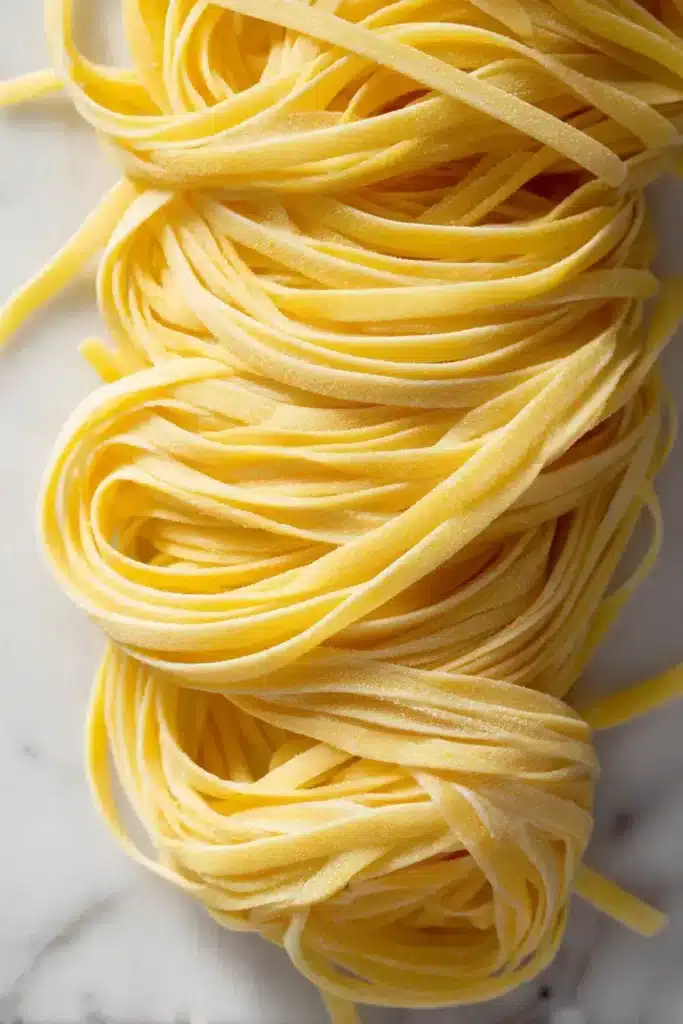
Making Homemade Pasta from scratch is a rewarding culinary skill that delivers superior texture and flavor compared to store-bought varieties. With just a handful of simple ingredients, you can create restaurant-quality noodles right in your own kitchen. This fresh pasta recipe is a foundational technique every home cook should master.
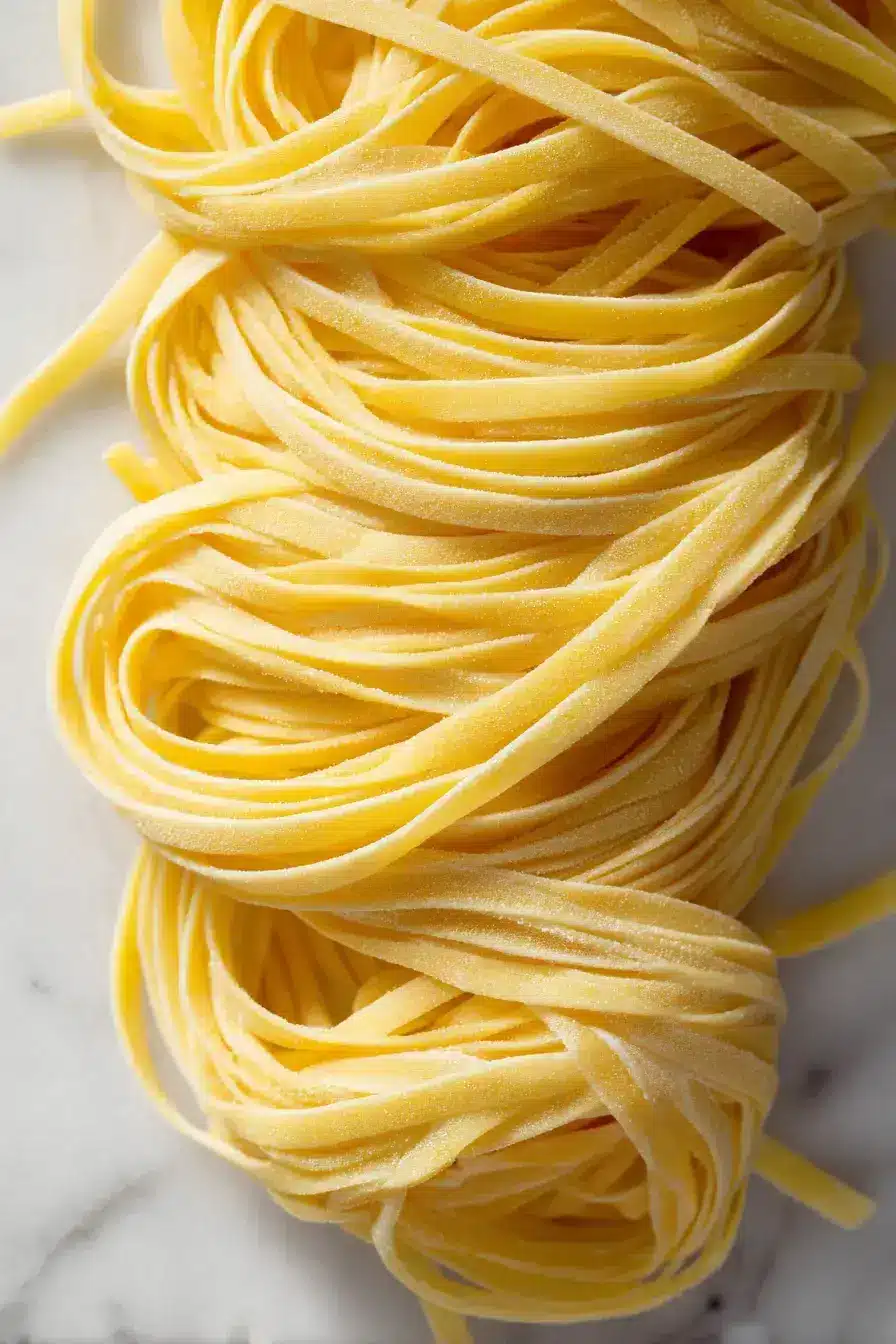
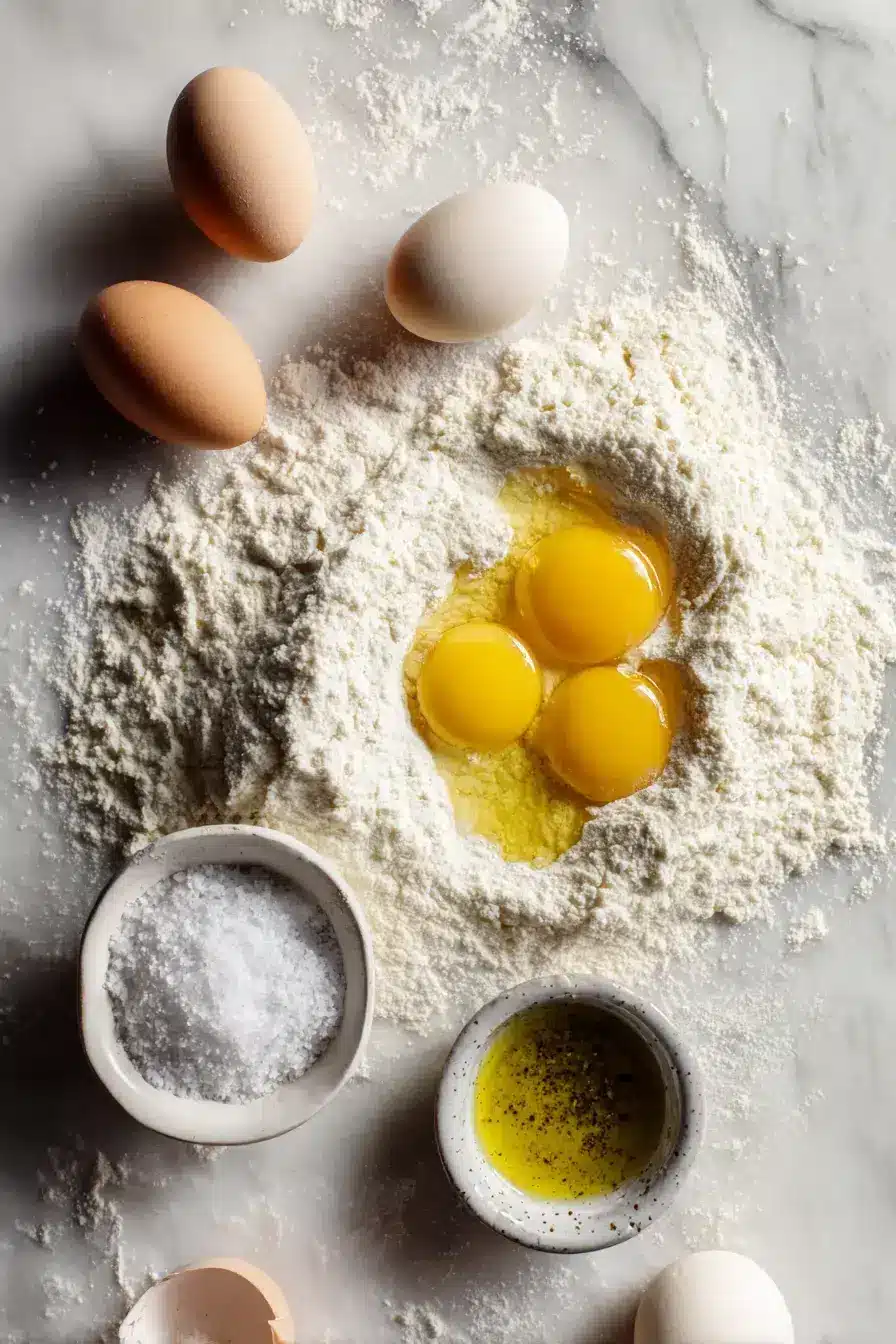
I know 50 minutes of prep time might seem daunting, but most of that is hands-off resting time for the dough. Think of this as a weekend cooking ritual rather than a quick weeknight meal. The active work is only about 20 minutes of kneading and rolling.
The actual cook time for fresh pasta is incredibly fast—just 2-3 minutes in boiling water. Your total time investment is about 53 minutes from start to finish. This from scratch pasta method is perfect for a leisurely Sunday when you want to create something special. For a faster pasta night, try my creamy garlic pasta which uses dried noodles.
When cooking for guests with dietary needs, homemade pasta offers flexibility. For those monitoring carbohydrate intake, portion control is key. A standard serving of this Italian pasta dough is about 2 ounces dry, which provides energy without excessive sugars.
You can also experiment with whole wheat flour blends for added fiber, which may help with glycemic control. For a completely different low-carb alternative, spiralized vegetables make excellent noodle substitutes. Remember to focus on balanced meals with plenty of non-starchy vegetables.
After teaching countless pasta-making classes, I’ve gathered essential tips that guarantee success. Technique matters more than fancy equipment when making homemade noodles.
When you make pasta from scratch, you gain complete control over the nutritional profile. This fresh pasta recipe uses simple, whole ingredients without the preservatives found in some commercial products.
Eggs provide high-quality protein and essential nutrients like choline. The all-purpose flour contributes carbohydrates for energy. Compared to many processed foods, this handmade pasta contains no added sugars. For a nutrient-packed meal, pair your pasta with vegetable-based sauces like this vegan pumpkin pasta.
Portion size is important for balanced eating. A serving of homemade noodles is typically more satisfying than dried pasta, which may help with portion control. For another wholesome pasta dish, try my vegan chickpea pasta. According to the American Heart Association, balancing carbohydrates with proteins and vegetables supports heart health.
If you’re looking to lighten up your pasta dish, consider these simple adjustments. You can replace one egg with two egg whites to reduce fat content while maintaining structure.
Incorporate whole wheat flour for half of the all-purpose flour to increase fiber. For a completely different take on pasta night, spiralized vegetables make excellent low-carb alternatives. Try pairing your homemade noodles with a light tomato sauce instead of cream-based sauces. For inspiration, check out this vegan zucchini carrot pasta recipe.
I remember the first time I served fresh pasta to dinner guests—their faces lit up when they tasted the delicate texture. Presentation matters almost as much as flavor when serving handmade pasta.
Always toss the freshly cooked noodles directly in the sauce with a splash of pasta water. This helps the sauce cling beautifully to each strand. Serve immediately in warm bowls for the best experience. For a heartier meal, try this hearty vegetarian pasta bake. A simple green salad and crusty bread complete the Italian trattoria experience at home. Another excellent pairing is my garlicky greens pasta for a flavorful combination.
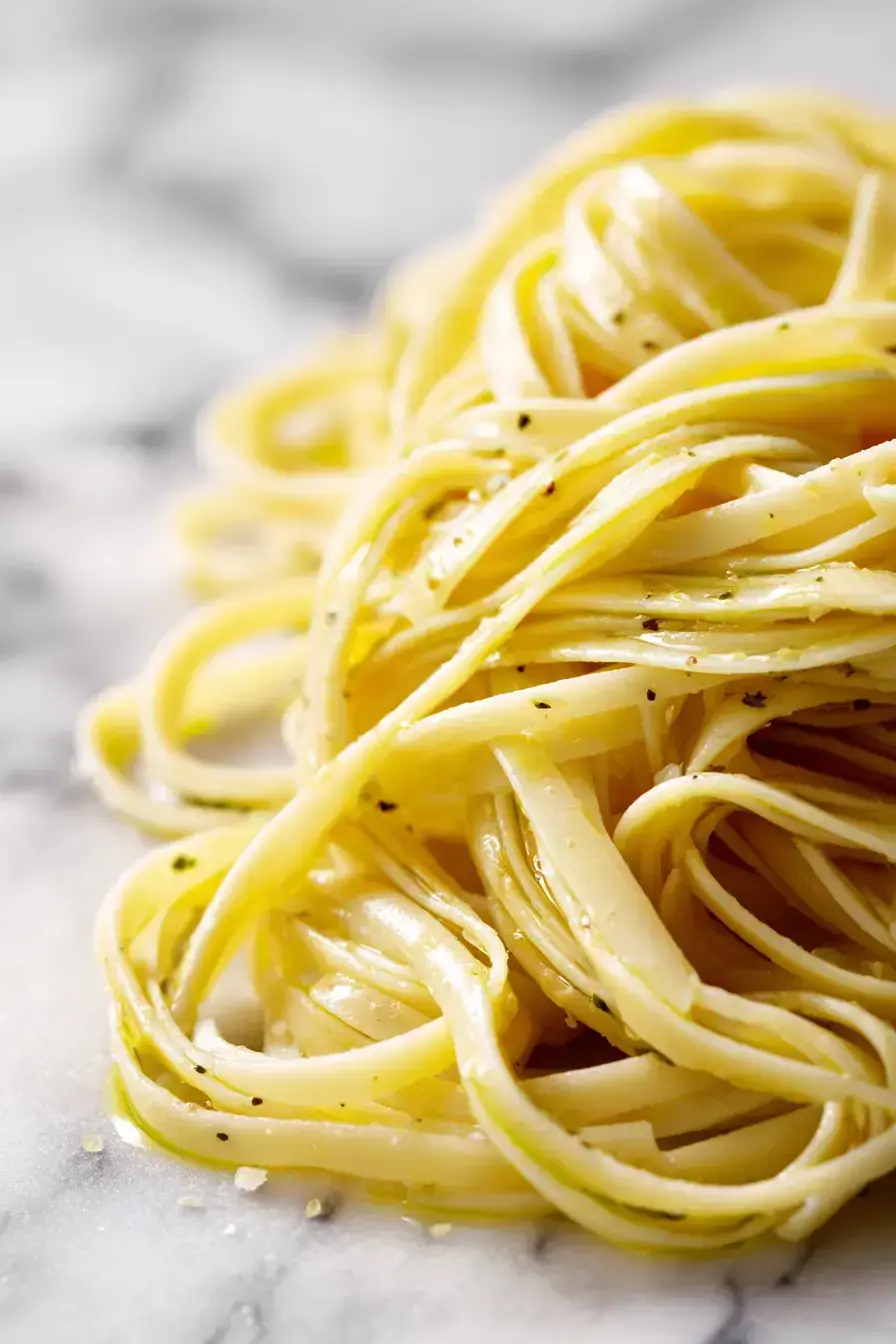
Many home cooks encounter the same issues when first attempting pasta dough. Recognizing these common mistakes will save you frustration and wasted ingredients.
Why is my pasta dough too dry and crumbly? This usually happens when you don’t use enough liquid or the flour measurement was packed. Always fluff your flour before measuring, and add water sparingly if needed.
How to prevent sticky pasta dough? Overworking the dough before resting can develop too much gluten. Let the dough rest properly—this is the chef’s secret to manageable dough. For other pasta dishes that avoid these issues, try slow cooker ravioli lasagna.
Why does my cooked pasta become mushy? Fresh noodles cook much faster than dried—usually 2-3 minutes. Set a timer! Also, ensure your boiling water is generously salted like the sea. For perfectly cooked pasta every time, reference this guide from Bon Appétit. Another great option is sheet pan lasagna which has different cooking requirements.
I’ll never forget my first attempt—I over-kneaded the dough and ended up with tough noodles. Now I teach students to stop when the dough feels smooth and elastic, not rock-hard.
My grandmother taught me to make large batches of pasta dough to freeze for busy weeks. Proper storage ensures your hard work doesn’t go to waste.
For short-term storage, you can keep uncut dough wrapped tightly in plastic for 2-3 days in the refrigerator. For longer storage, freeze the dough in portions. Already cut noodles can be dried on a pasta rack or frozen on a baking sheet before bagging. When reheating cooked pasta, a quick dip in boiling water refreshes it perfectly. For another make-ahead meal, consider veggie baked ziti.
There’s something magical about transforming simple ingredients into silky, tender noodles. I encourage every home cook to try this handmade pasta technique at least once.
The process is meditative and the results are incredibly rewarding. Your family and friends will be impressed when you serve them restaurant-quality pasta from your own kitchen. Once you master this basic dough, you can create endless variations. For more pasta inspiration, try vegan turkey club pasta, vegan broccoli mac, or classic mac and cheese. This Homemade Pasta recipe will become a cherished part of your culinary repertoire.
If you enjoyed making fresh pasta, you’ll love these other comforting recipes that bring restaurant quality to your home kitchen.
Spinach Artichoke Chicken – A creamy, decadent pasta bake that’s perfect for family dinners.All-purpose flour works well for beginner-friendly Homemade Pasta. For more traditional texture, try “00” flour or semolina flour. These create a slightly firmer bite that holds up well to hearty sauces.
Roll your dough until it’s about 1/8-inch thick or until you can almost see your fingers through it. This thinness ensures proper cooking texture and allows the Homemade Pasta to cook evenly in just 2-3 minutes.
Yes, you can create egg-free pasta dough using just flour and water. The texture will be chewier and more like commercial dried pasta. For every egg, substitute with approximately 2 tablespoons of water.
A floury taste usually means the dough wasn’t kneaded sufficiently or the pasta wasn’t cooked long enough. Ensure you knead for the full 8-10 minutes and cook until al dente.

Welcome to Mac Recipes! I'm here to prove that amazing home-cooked meals don't need to be complicated. From weeknight dinners to weekend treats, I create recipes that fit into your busy life—delicious, doable, and always worth making.
More About Me