Fresh Pasta Making
This post may contain affiliate links.
Read our Disclaimer.
Leave a Comment ★★★★★
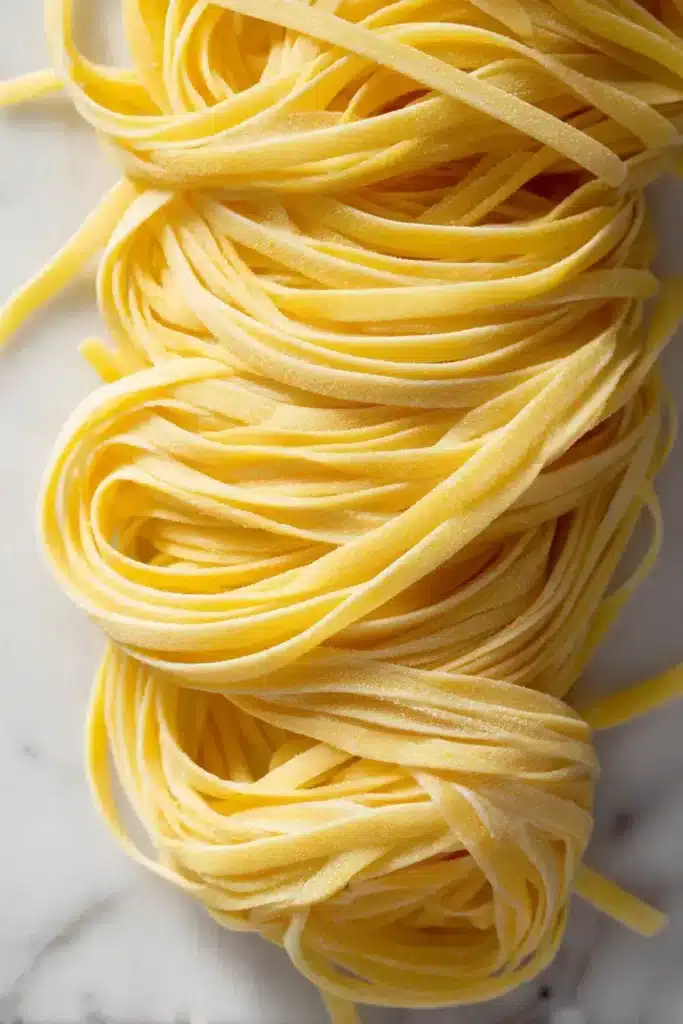
Making Homemade Pasta from scratch is a rewarding culinary skill that transforms simple ingredients into a restaurant-quality meal. This Homemade Pasta recipe guides you through the process with chef techniques for perfect, tender noodles every time. It’s easier than you think and delivers a flavor and texture that dried pasta simply can’t match.
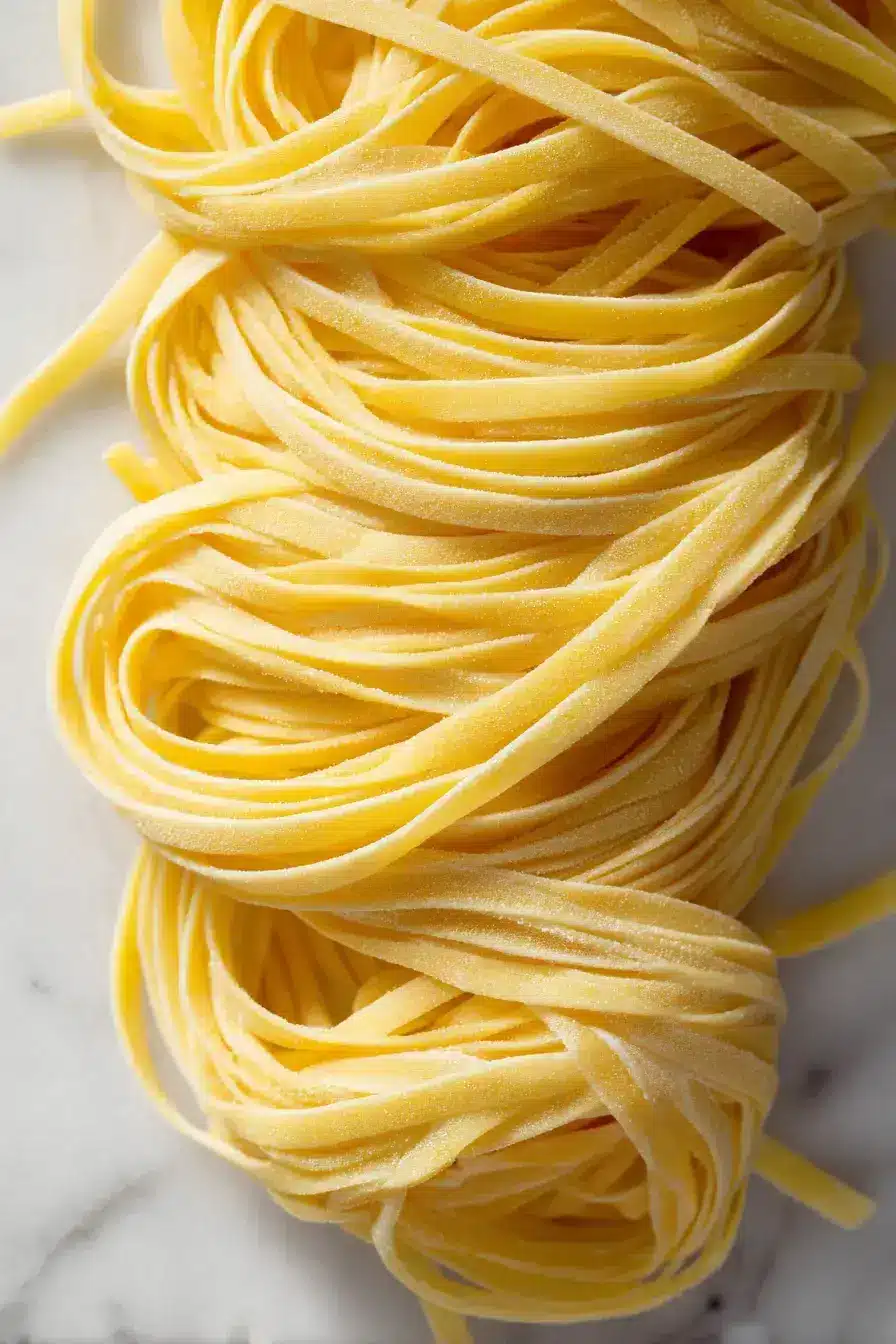
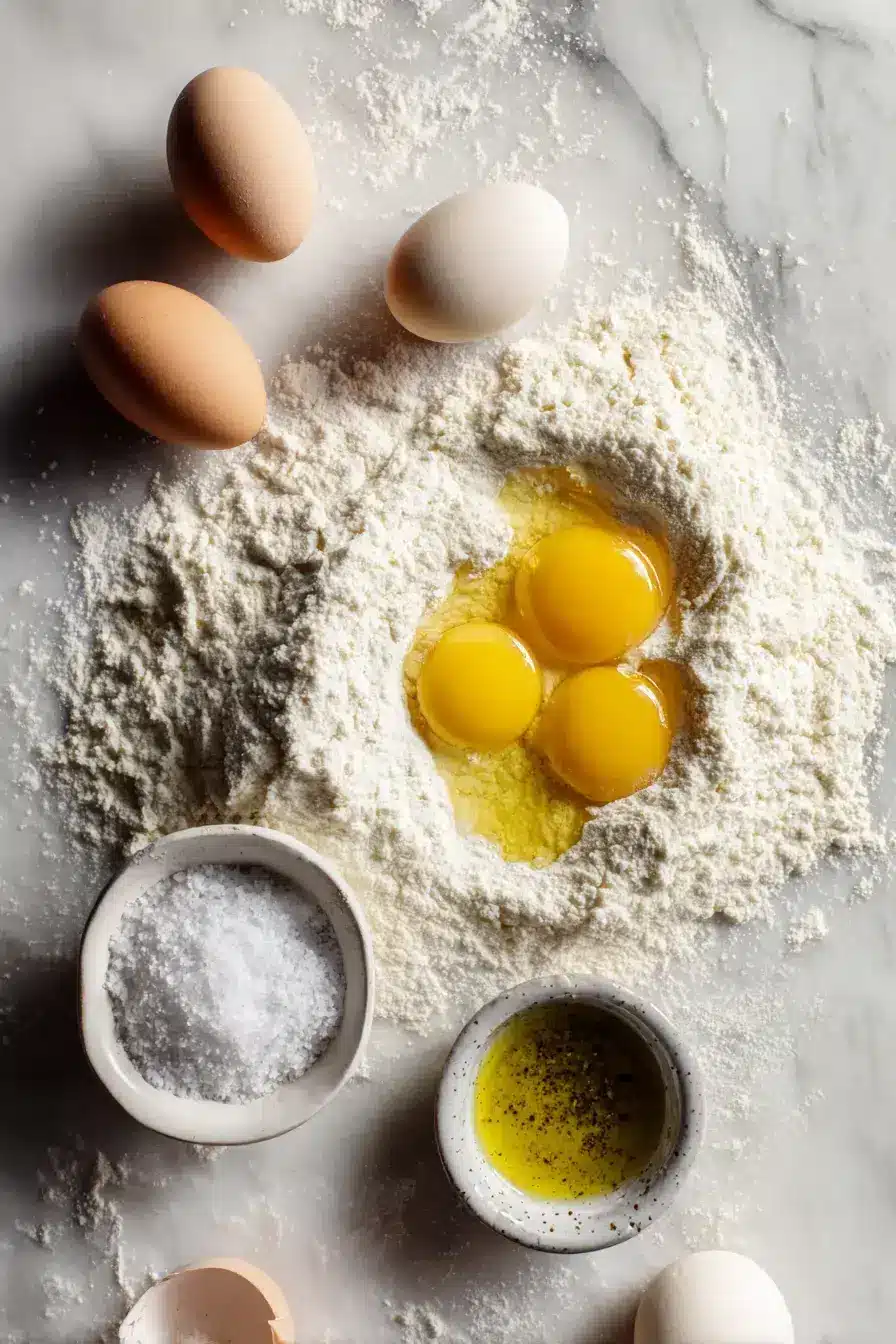
Don’t let the total time intimidate you. Most of the 50-minute prep is hands-off resting, allowing the gluten to relax for easier rolling. The actual active work is about 15 minutes of kneading and shaping.
With a total time of just 53 minutes, this Fresh Pasta Recipe is perfect for a weekend cooking project. The cook time is incredibly fast—just 2-3 minutes in boiling water—so you can go from dough to dinner in under an hour. It’s a more involved process than my quick creamy garlic pasta, but the result is a truly special meal.
As a chef, I believe everyone should be able to enjoy the pleasure of Homemade Pasta. For those managing sugar intake or following a low glycemic diet, this recipe is naturally a great choice. The primary ingredients are flour and eggs, containing no added sugar.
For an even more blood sugar-friendly option, you could experiment by replacing half of the all-purpose flour with whole wheat flour. This increases the fiber content, which can help with glycemic control. Always remember that portion size is key for maintaining a balanced diet.
After teaching countless pasta-making classes, I’ve gathered a few chef secrets that make all the difference. Here’s how to ensure your From Scratch Pasta turns out perfectly every single time.
When you make pasta from scratch, you’re in control of the ingredients, which naturally lends itself to a wholesome meal. This Homemade Pasta is a good source of protein from the eggs and provides energy from the carbohydrates in the flour.
Compared to many boxed varieties, you avoid any preservatives or additives. For a nutrient-packed meal, pair your pasta with a vegetable-rich sauce, like the one in my hearty vegetarian pasta bake. According to resources like the American Heart Association, incorporating whole foods is a cornerstone of a healthy diet. For a creamy yet light sauce option, my vegan spinach alfredo is a fantastic choice.
If you’re looking to lighten things up, you can make a few simple tweaks without sacrificing flavor. Using whole wheat flour for half of the all-purpose flour increases the fiber content, making the dish more filling.
You can also roll the dough slightly thinner to create more servings from the same batch, which naturally reduces the portion size. When it comes to sauces, opt for tomato-based or vegetable-packed options instead of heavy cream sauces. A recipe like vegan pumpkin pasta uses a vegetable base for a creamy, satisfying sauce with less fat.
I love the tradition of serving pasta fresh from the pot, tossed simply with a high-quality sauce. The key is to slightly undercook the pasta, then finish it in the sauce with a splash of the starchy cooking water. This allows the noodles to absorb the flavor and creates a beautifully emulsified sauce that clings to every strand.
For a classic pairing, a simple marinara or a rich ragù is perfection. If you’re feeding a crowd, this pasta is spectacular in a baked dish like sheet pan lasagna. Serve with a crisp green salad and a piece of crusty bread to complete the Italian feast.
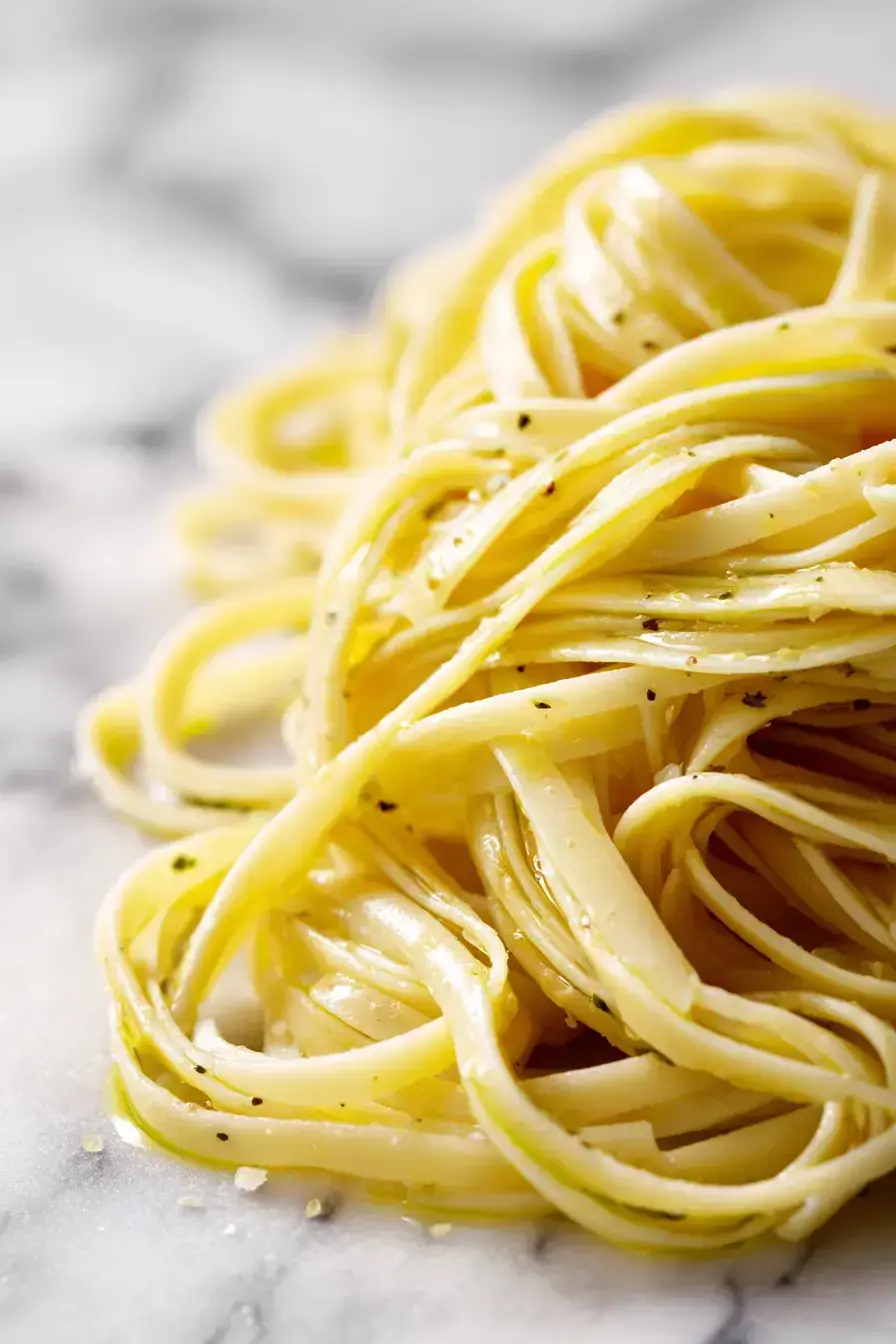
Even experienced cooks can run into a few hurdles with Easy Pasta Making. Here’s how to avoid the most common issues and guarantee success.
I remember the first time I made pasta; I was so impatient I skipped the rest and ended up with a bicep workout instead of a smooth dough. Learning from these small mistakes is all part of the fun!
My grandmother would make huge batches of pasta and dry it on clean sheets all over the house. While you can air-dry your Homemade Noodles completely for pantry storage, I find freezing is the best method for preserving that fresh texture.
To store, arrange the floured, cut noodles in a single layer on a parchment-lined baking sheet. Freeze until solid, then transfer to a freezer bag. They’ll keep for up to 3 months. Cook directly from frozen, adding an extra minute to the boiling time. For a ready-made frozen pasta dish, you might enjoy my slow cooker ravioli lasagna as another convenient option.
There’s something truly magical about turning flour and eggs into a silky, tender dinner. This Homemade Pasta recipe is a foundational skill that will elevate your cooking and impress everyone at your table. The sense of accomplishment is as rewarding as the delicious meal itself.
I encourage you to give it a try this weekend. Once you master the basic dough, you can start creating all sorts of shapes and paired dishes. For another family-friendly pasta favorite, try my classic mac and cheese. If you love the combination of spinach and pasta, my spinach artichoke chicken pasta is a crowd-pleaser. And for a quick, flavorful weeknight option, don’t miss this garlicky greens pasta recipe. I promise, once you taste your own Homemade Pasta, you’ll be hooked.
If you loved making this from-scratch pasta, you’ll adore these other comforting and flavorful pasta dishes. They range from quick weeknight fixes to hearty baked meals.
Absolutely. A rolling pin and a sharp knife are all you need. Roll the dough as thin as possible on a floured surface, then cut it into your desired shapes. It might take a bit more effort, but the result is authentic Handmade Pasta.
You should roll the Homemade Pasta dough to about 1/8-inch thickness, or until you can almost see the outline of your hand through it. This thinness ensures the pasta cooks quickly and has a delicate texture.
A floury taste often means the noodles weren’t cooked in enough vigorously boiling, well-salted water. Use a large pot and plenty of water to give the pasta room to move and rinse off excess starch. Salting the water well is also crucial for flavor.
Yes, this is a perfect versatile dough for ravioli. Just roll two thin sheets, place filling on one, cover with the second sheet, and cut. Ensure the edges are sealed well to prevent filling from leaking during cooking.

Welcome to Mac Recipes! I'm here to prove that amazing home-cooked meals don't need to be complicated. From weeknight dinners to weekend treats, I create recipes that fit into your busy life—delicious, doable, and always worth making.
More About Me