Fresh Italian Pasta Dough
This post may contain affiliate links.
Read our Disclaimer.
Leave a Comment ★★★★★
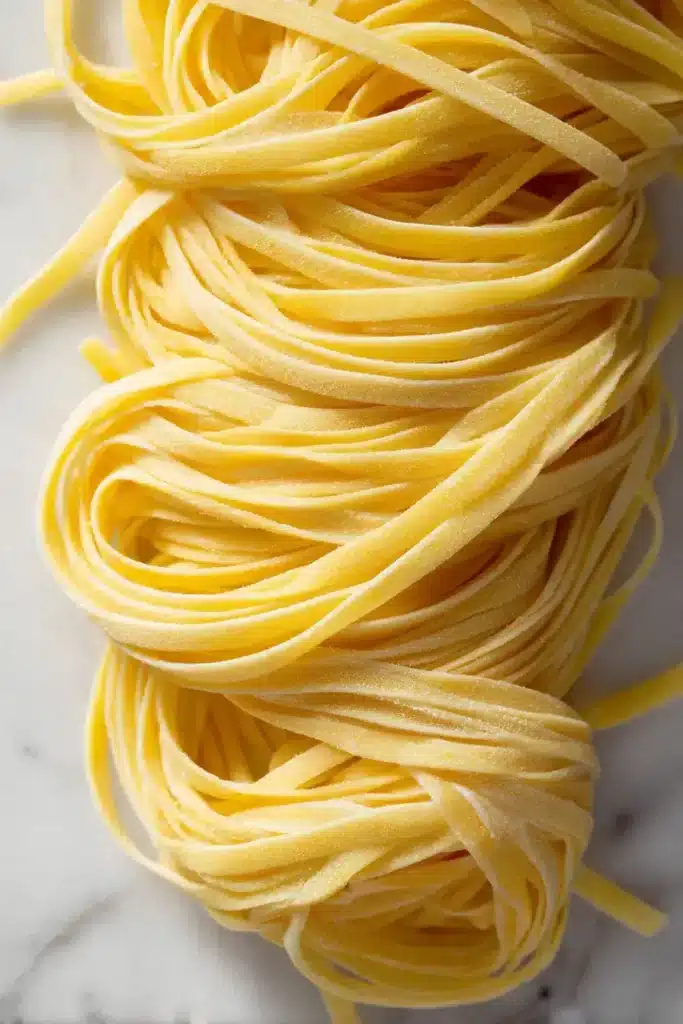
Homemade Pasta is one of those kitchen projects that seems intimidating, but I promise you, it’s absolutely achievable and so rewarding. With just a few simple ingredients and a little bit of hands-on time, you can create fresh pasta recipe that tastes infinitely better than anything from a box.
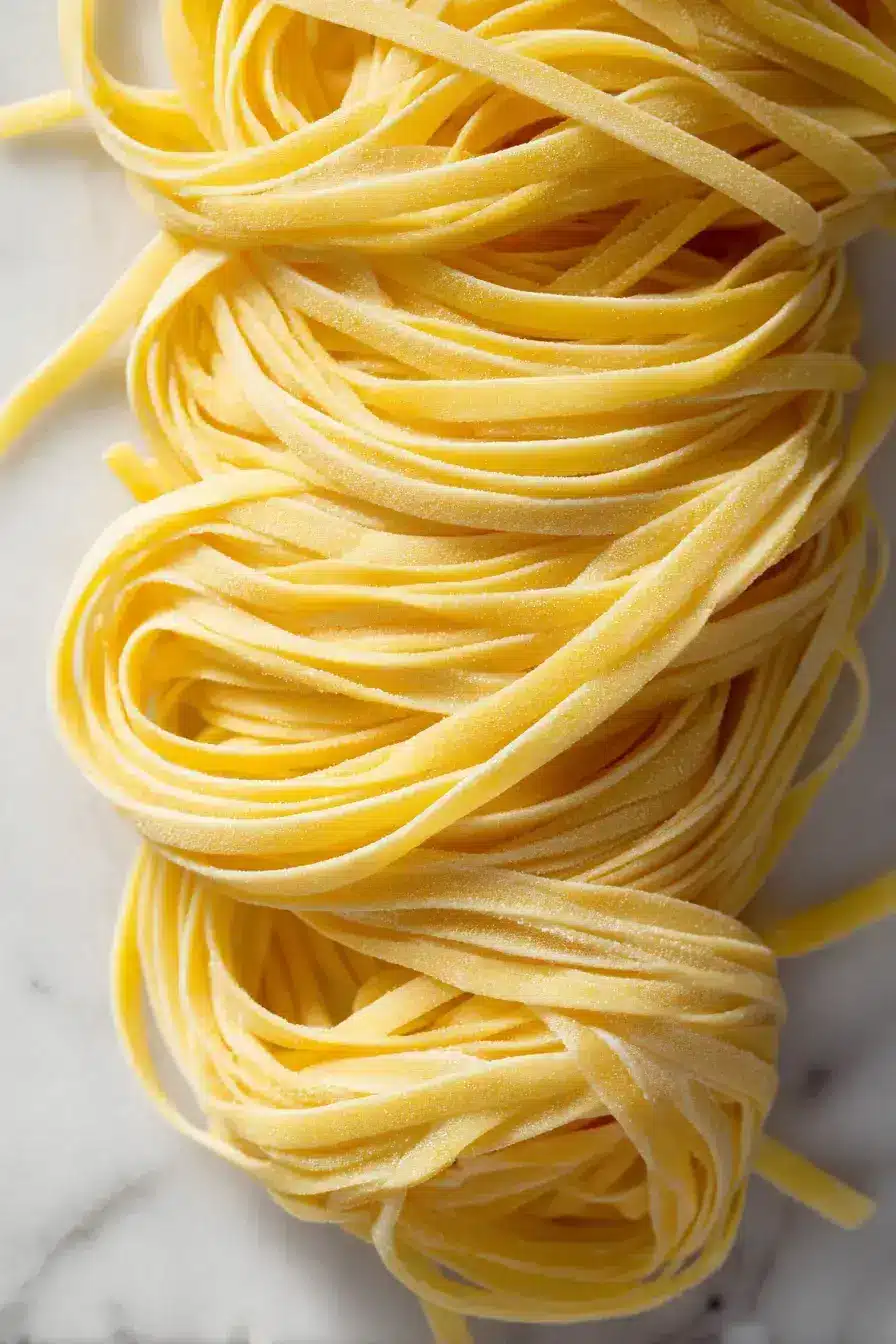
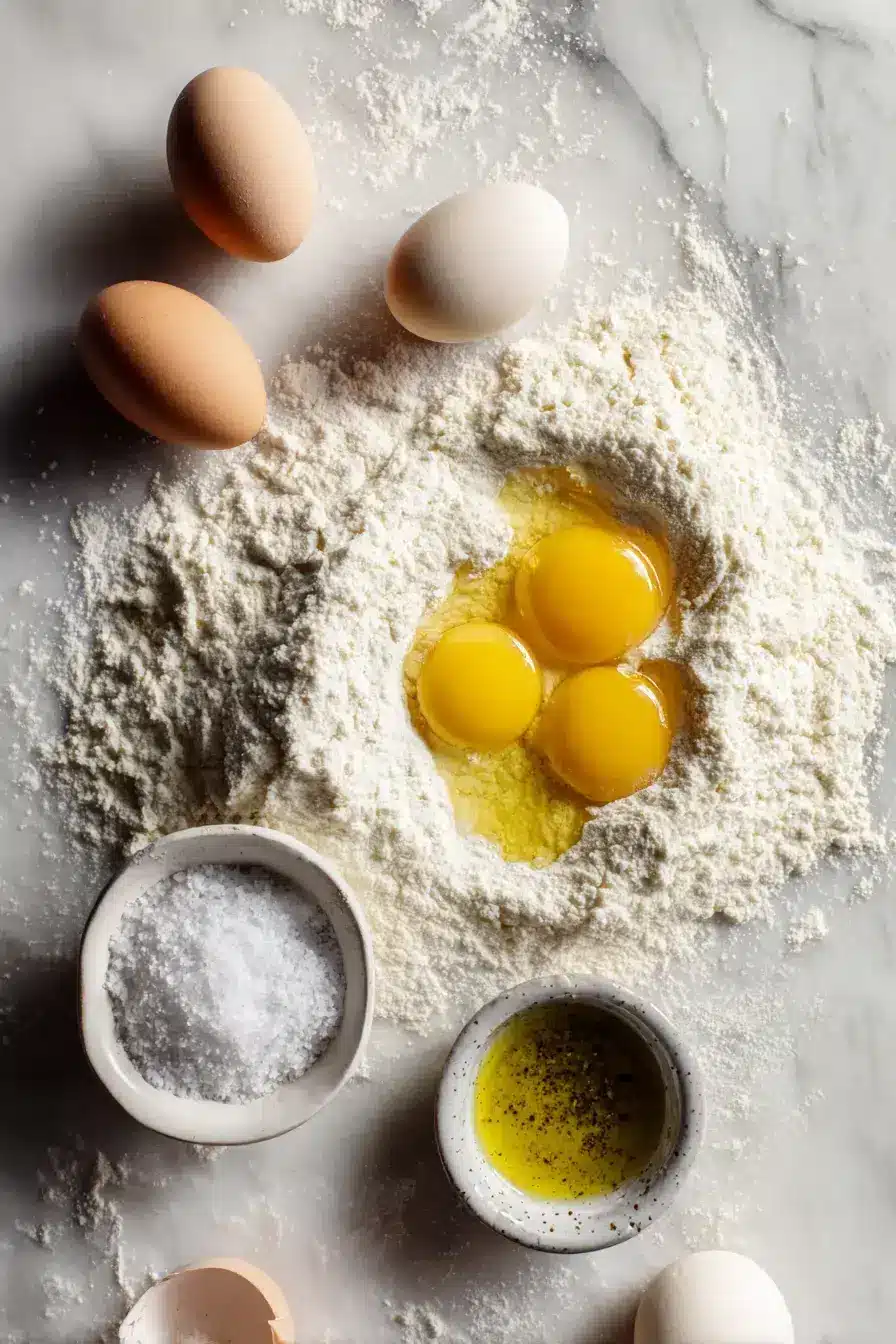
I know timing can feel like a big question mark with fresh pasta recipe attempts. But here’s the real deal: active hands-on time is about 15 minutes. The rest is letting the dough relax, which is the secret to easy rolling.
From start to finish, you’re looking at about 53 minutes total. That includes 50 minutes of prep (with 30 minutes of hands-off resting time) and a super quick 3-minute cook. Compared to waiting for water to boil for dried pasta, this feels like a win. It’s perfect for a weekend project or when you want a special weeknight meal, like my favorite vegan chickpea pasta.
The best part? This Italian pasta making ritual is actually relaxing. It’s a chance to unplug and create something beautiful with your hands.
I love that this basic Homemade Pasta dough is naturally low in sugar, which is great for those watching their glucose intake. For an even more blood sugar friendly option, you can experiment with substituting half of the all-purpose flour with whole wheat flour. This adds fiber and can help create a lower glycemic index meal.
Always pair your pasta with a protein-rich sauce and plenty of vegetables for balanced blood sugar. Portion control is also key for diabetic-friendly eating. A little goes a long way when the flavor is this fresh!
After making this more times than I can count, I’ve picked up a few tricks that make all the difference. First, don’t be afraid to get your hands a little messy! That’s part of the fun.
When you make pasta from scratch, you know exactly what’s going into it. This recipe is a source of protein from the eggs and provides energy from the carbohydrates in the flour.
Compared to many store-bought pastas, you control the sodium level. By using just a half teaspoon of salt in the entire batch, you keep it reasonable. For a nutrient-packed meal, toss your fresh pasta with a sauce like my vegan spinach alfredo to add vitamins and minerals. Pairing it with a protein source, like in this creamy mac and cheese, creates a more balanced dish.
According to a review on Healthline, pasta can be part of a healthy diet when paired with vegetables, lean proteins, and healthy fats. The key is portion size and what you serve it with!
If you’re looking to lighten things up, you have options! For a whole-grain boost, you can replace up to half of the all-purpose flour with whole wheat flour. The texture will be a bit more rustic, but the flavor is wonderful.
Another idea is to roll your dough even thinner to create more servings from the same batch of dough. This naturally makes each portion a bit lighter. Serve it with a veggie-loaded sauce for a meal that feels indulgent but is packed with goodness.
I’ll never forget the first time I served fresh pasta recipe to my family. Their eyes widened at the sight of those beautiful, irregular noodles. It feels like you brought a little piece of Italy right to your table.
The best sauces for fresh pasta are simple ones that let the pasta shine. A classic marinara, a light aglio e olio (garlic and oil), or a fresh pesto are all perfect choices. Because the pasta is so tender, it clings to sauce beautifully. For a heartier option, it would be fantastic with the meaty sauce from my slow cooker ravioli lasagna, or even layered in a sheet pan lasagna.
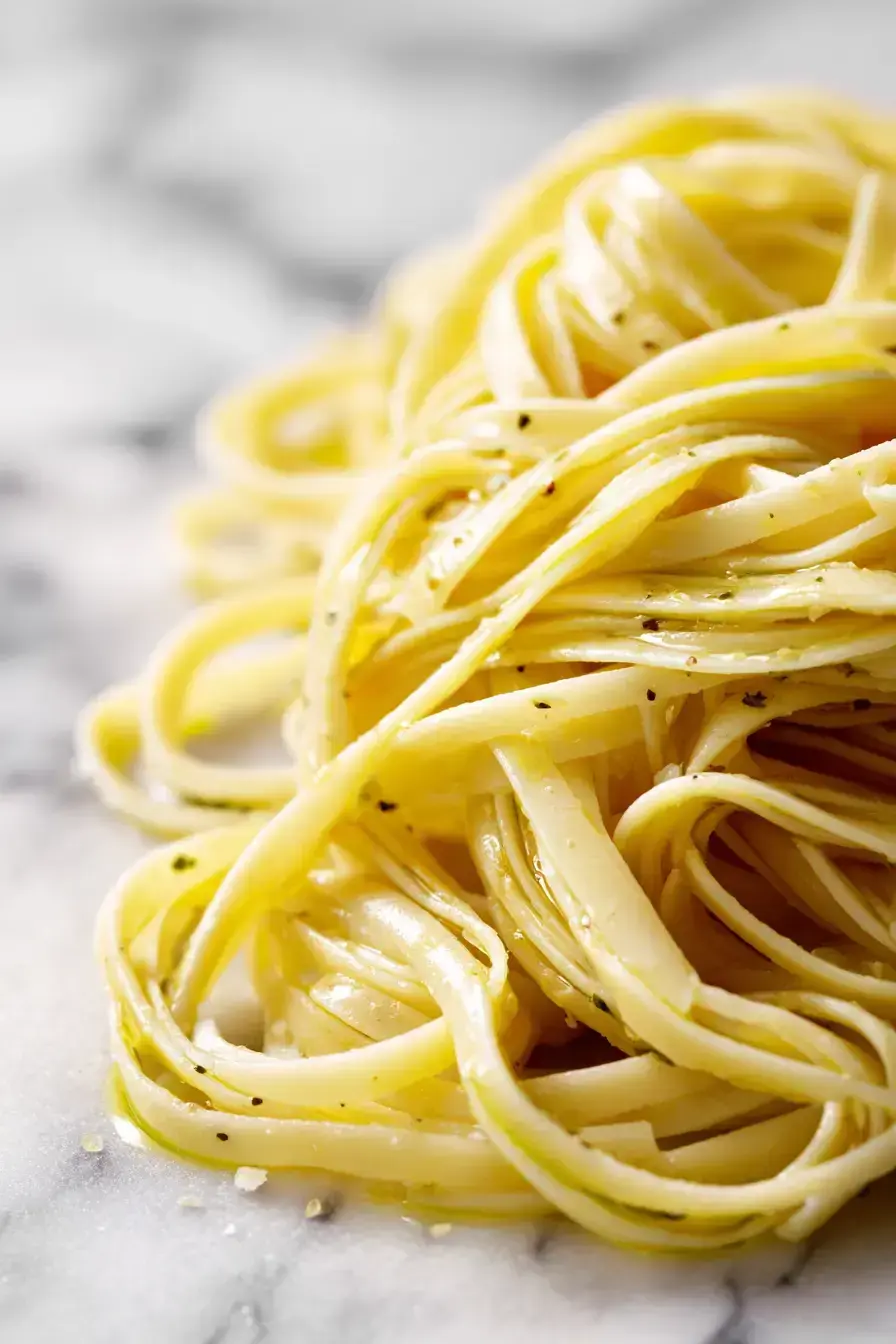
Don’t forget a simple green salad and some crusty bread to complete the meal. A glass of crisp white wine or sparkling water with lemon makes it feel extra special.
We’ve all been there – a dough that’s too tough, or noodles that stick together. Learning from these little hiccups is part of the journey!
Remember, even imperfect handmade pasta dough is still delicious. It’s a learning process, and every batch gets better. For more stuffed pasta ideas, check out my guides for vegan stuffed shells and spinach manicotti. The experts at The Kitchn also have great visual guides if you get stuck.
I think my favorite part of this whole process is that it connects me to generations of home cooks who have shared this same simple, satisfying act of creating food from scratch.
If you have leftovers (a rare occurrence in my house!), you can store the cooked pasta in an airtight container in the fridge for up to 3 days. To reheat, I find it’s best to plunge it briefly into a pot of simmering water for 30 seconds to 1 minute. This revives the texture much better than microwaving.
You can also freeze your uncooked pasta! Arrange the cut noodles in a single layer on a parchment-lined baking sheet and freeze until solid. Then, transfer them to a freezer bag. They’ll keep for up to 2 months. You can cook them straight from frozen, just adding a minute or two to the cooking time.
I truly hope you feel inspired to give this a try. There’s something incredibly satisfying about turning a few simple ingredients into a nourishing, delicious meal for your loved ones. This easy pasta tutorial is your starting point.
Once you master the basic dough, a world of possibilities opens up. You can make fettuccine, tagliatelle, or even cut it into squares for soups. It’s the foundation for so many classic dishes, from a simple mac and cheese to a baked pasta like this veggie baked ziti. You could even use it to create a unique twist on my vegan zucchini carrot pasta.
Remember, the goal isn’t perfection. It’s the joy of creating something with your own hands. So, gather your flour and eggs, clear a little space on your counter, and dive into the wonderful world of making Homemade Pasta.
Not at all! A rolling pin and a sharp knife are all you really need. A pasta machine can make rolling and cutting easier, especially for very thin shapes, but it’s absolutely not required for delicious Homemade Pasta. The rustic, hand-cut look is part of the charm.
The dough is ready when it feels smooth, elastic, and firm to the touch. It shouldn’t be sticky. A good test is to press your finger into the dough; if it springs back slowly, it’s perfectly kneaded. This usually takes about 8-10 minutes of kneading by hand.
Yes, you can! Wrap the dough ball tightly in plastic wrap and refrigerate it for up to 24 hours. This can actually improve the texture. Let it come to room temperature for about 15 minutes before you try to roll it out, as cold dough is much harder to work with.
Resting allows the gluten in the dough to relax. If you try to roll the dough immediately after kneading, it will be very elastic and fight you, shrinking back as you roll. After a 30-minute rest, the dough will be much more cooperative and easier to roll into a thin sheet.

Welcome to Mac Recipes! I'm here to prove that amazing home-cooked meals don't need to be complicated. From weeknight dinners to weekend treats, I create recipes that fit into your busy life—delicious, doable, and always worth making.
More About Me