Fresh Himalayan Salt Tips
This post may contain affiliate links.
Read our Disclaimer.
Leave a Comment ★★★★★
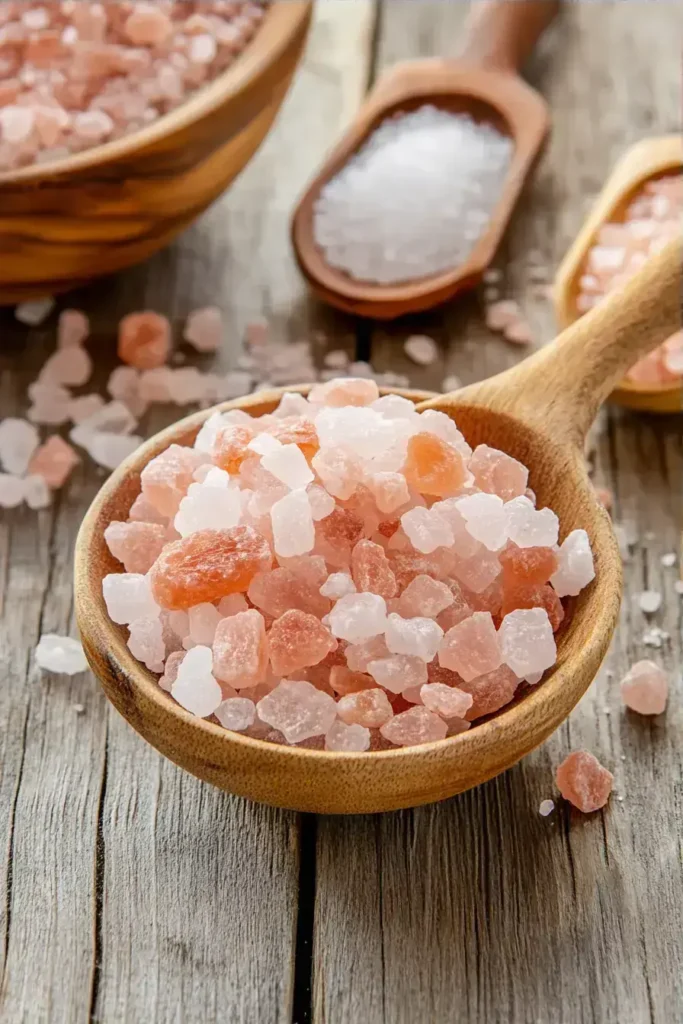
Himalayan Pink Salt is more than just a seasoning; it’s a cornerstone ingredient that brings out the best in your cooking with its unique mineral profile and subtle flavor. Understanding how to use and store this natural salt properly will elevate your dishes from good to chef-quality.
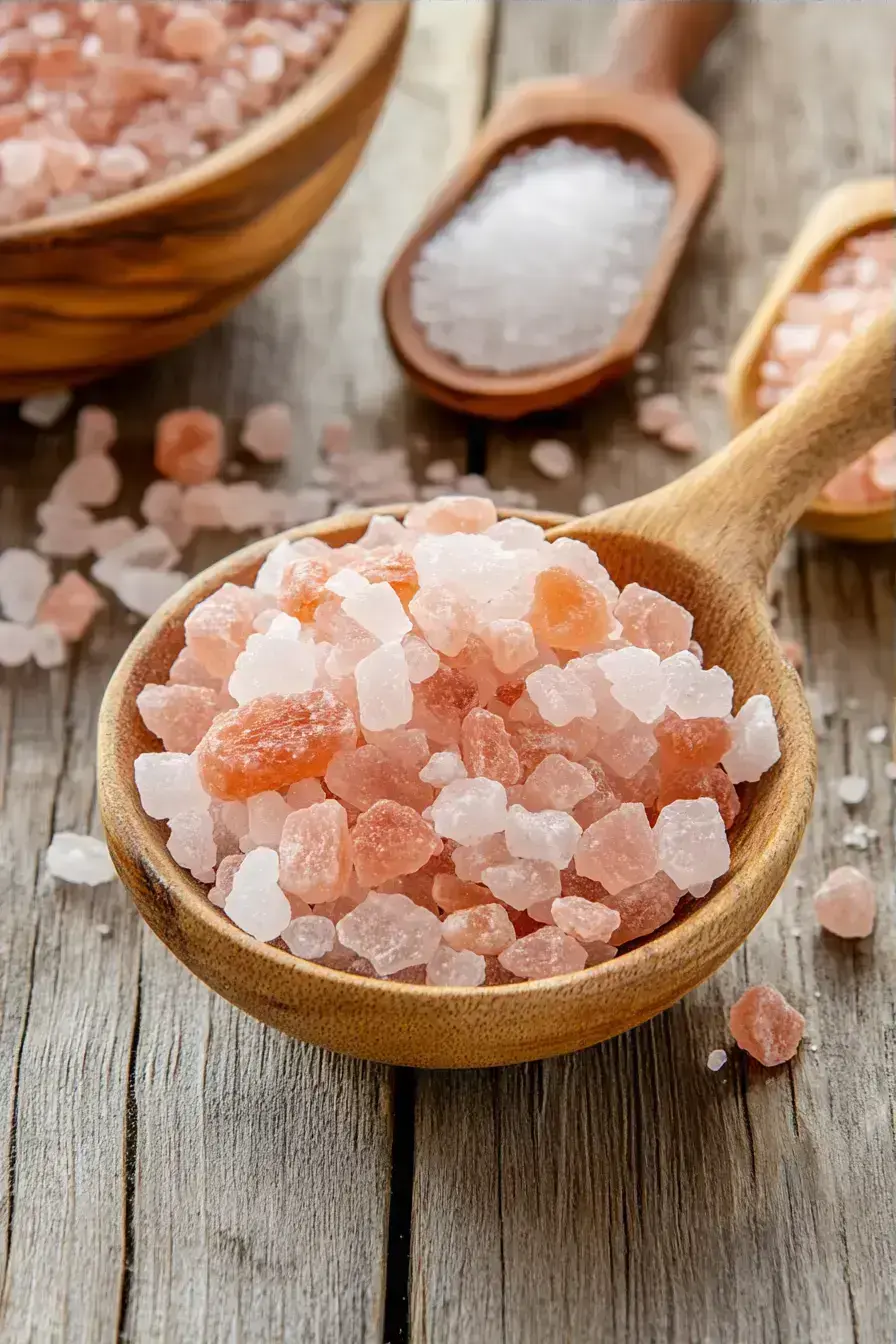
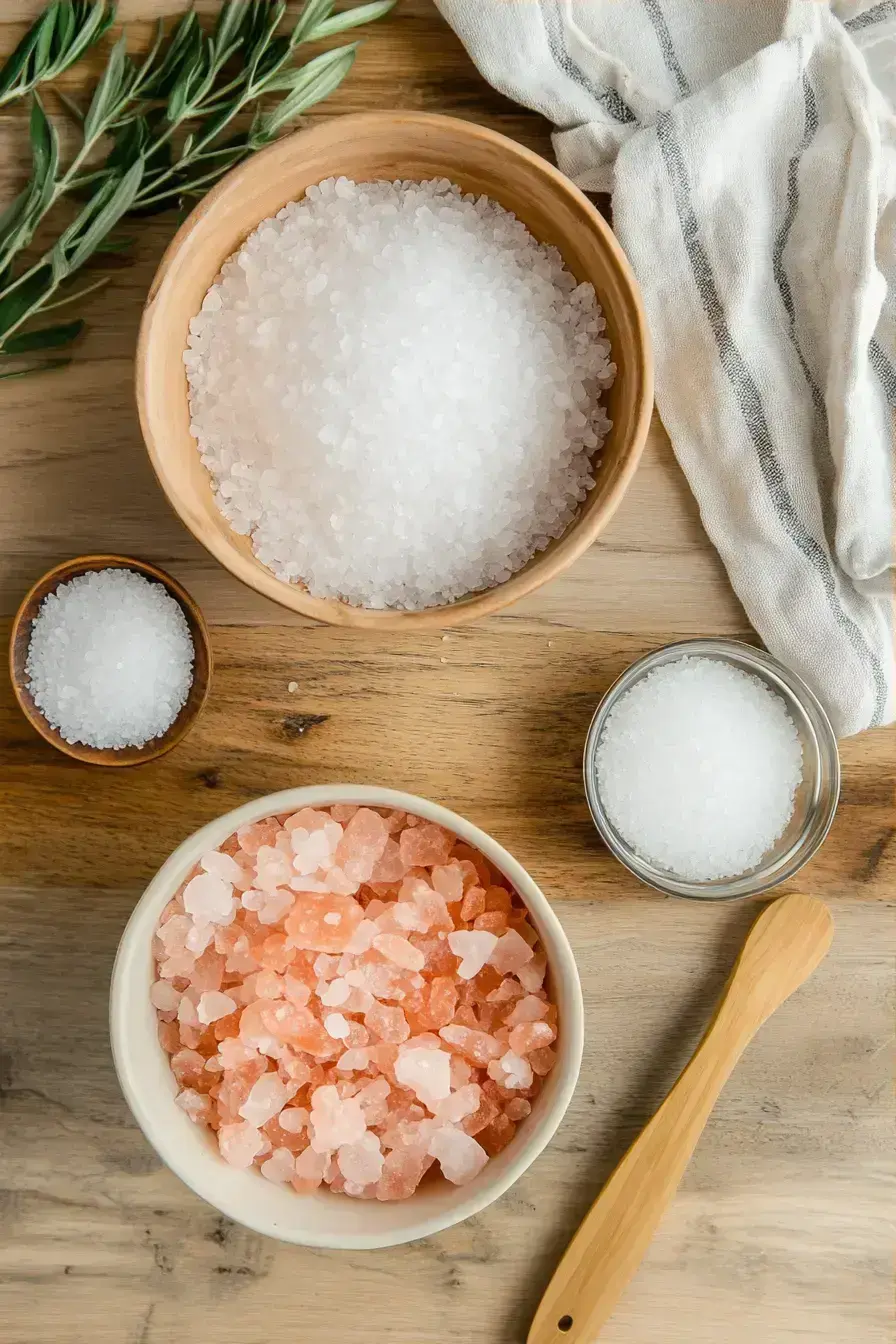
I love how quickly you can prepare Himalayan Pink Salt for your kitchen. This is truly a last-minute prep task that takes just 2 minutes from start to finish.
Since there’s no actual cooking involved, your total time remains a swift 2 minutes. This makes it one of the fastest pantry preparations you can do, perfect for busy weeknights when you need quality seasoning fast. For more quick-prep kitchen staples, check out my homemade taco seasoning blend.
When you’re Cooking with pink salt, it’s important to consider its sodium content, especially if you’re managing dietary needs. I always recommend consulting with a healthcare provider for personalized advice, but here are some general considerations.
For those watching sodium intake, remember that Himalayan Pink Salt contains sodium chloride similar to table salt, so use it sparingly. You might also explore using herb blends to reduce overall salt usage while maintaining flavor.
In my years as a chef, I’ve learned that technique matters most when handling quality ingredients like this. Here are my pro tips for getting the most from your Himalayan Pink Salt.
Himalayan Pink Salt contains trace minerals like calcium, potassium, and magnesium that regular table salt lacks. While these minerals occur in small amounts, they contribute to the salt’s unique profile and subtle flavor differences.
Many people appreciate that this Natural Himalayan salt is less processed than iodized table salt. It’s also free from anti-caking agents, making it a purer choice for seasoning. For more on how salts can complement healthy eating, explore my pickled cucumber recipe and this Vietnamese vegetable medley. Learn more about mineral content from reputable health sources.
If you’re looking to reduce sodium but still want flavor, try blending Himalayan Pink Salt with herbs and spices. This allows you to use less salt overall while maintaining robust seasoning power.
Consider mixing your salt with dried garlic, onion powder, and herbs like rosemary or thyme. This creates a flavorful blend where the salt enhances other ingredients rather than dominating them. For low-sodium pickling ideas, try my giardiniera recipe.
I remember the first time I tasted a perfectly seasoned steak with a Himalayan Pink Salt crust – it transformed my understanding of how salt can elevate simple ingredients. The key is using it as a finishing salt to maximize its texture and flavor.
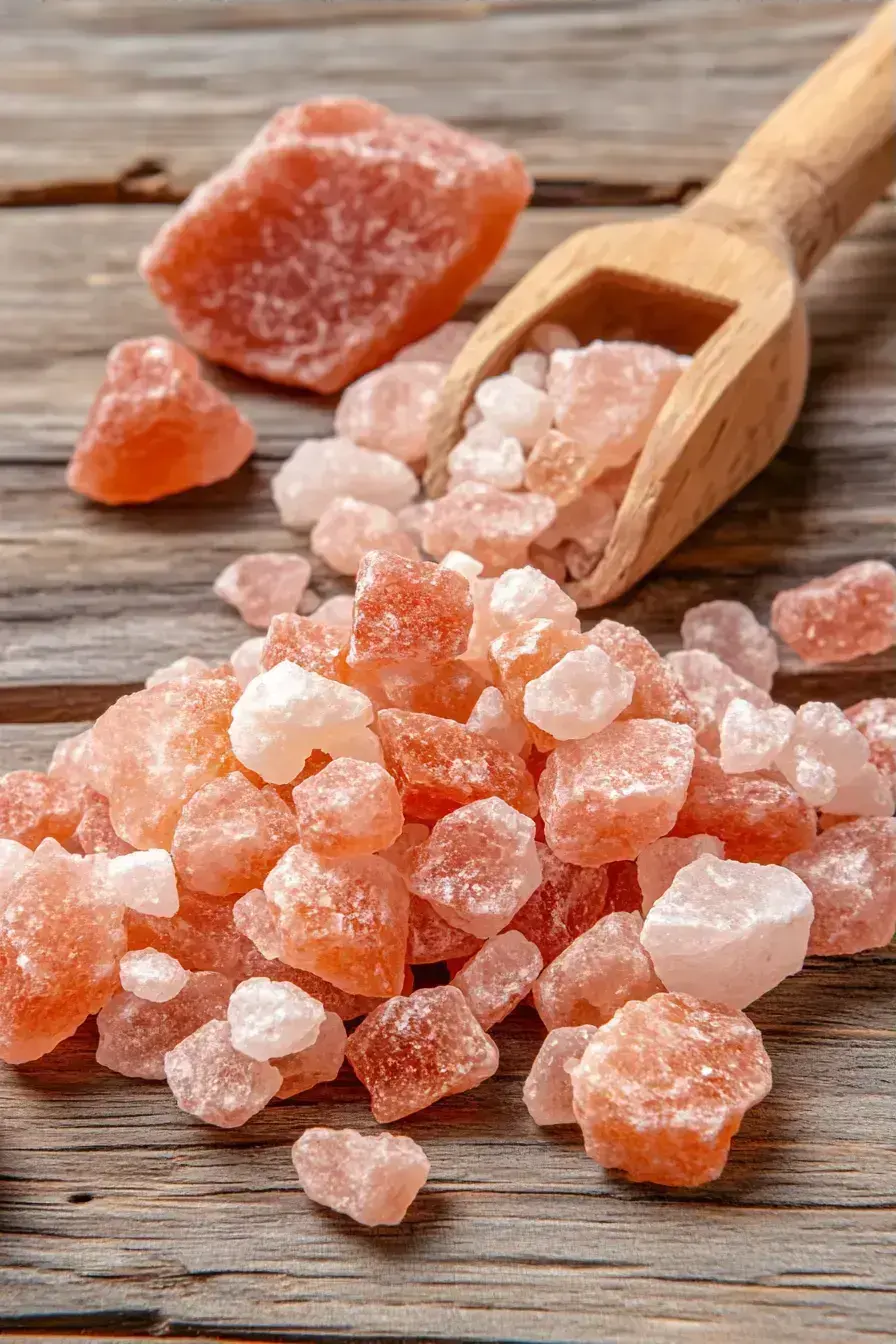
Sprinkle coarse Himalayan Pink Salt over roasted vegetables, grilled meats, or even chocolate desserts for a surprising contrast. It also makes a beautiful presentation in a small salt cellar beside your stove for easy access. Discover more serving ideas with my bread and butter pickles and this pickled asparagus.
Many home cooks make the mistake of using Himalayan Pink Salt exactly like table salt, which misses its unique qualities. Understanding these common errors will help you get the most from this special ingredient.
Why does my food taste different when I use pink salt? The mineral content can subtly alter flavors, so you may need to adjust quantities. How can I prevent my salt from clumping? Proper storage is key – always keep it in an airtight container away from moisture. For more troubleshooting tips, check my garlic dill pickles guide and this pickled onions recipe. Learn about proper storage from culinary experts.
I’ve found that the best results come from treating Himalayan Pink Salt with respect for its unique properties. When you understand its characteristics, you’ll unlock its full potential in your cooking.
My grandmother taught me that good ingredients deserve proper care, and this certainly applies to Himalayan Pink Salt. Proper storage preserves its quality and prevents waste.
Keep your salt in a cool, dry place away from direct sunlight. A ceramic or glass container with a tight seal works best to maintain freshness. For long-term storage, consider adding a few grains of rice to absorb any excess moisture. Explore more preservation techniques with my pickled eggs recipe.
I encourage every home cook to experience the difference that quality Himalayan Pink Salt can make in their kitchen. Its subtle complexity can transform everyday meals into something special.
Once you start using this salt, you’ll appreciate its versatility across all your cooking. From seasoning proteins to enhancing desserts, it brings a professional touch to home cooking. I think you’ll find that keeping Himalayan Pink Salt in your pantry becomes essential once you taste the difference it makes.
For more ways to incorporate quality ingredients into your cooking, try my easy pickling spice, quick pickled red onions, and Gordon Ramsay’s pickled celery. You might also enjoy these sweet and spicy pickles and my guide to pink salt benefits.
If you enjoyed working with Himalayan Pink Salt, you might love these other flavor-enhancing recipes that bring professional techniques to your home kitchen.
Homemade Dill Pickle Spice Blend – Create your own signature blend for crisp, flavorful pickles.
Easy Pickling Spice – A versatile blend perfect for vegetables and fruits.
Crisp Spicy Garlic Dill Pickles – Classic pickles with a bold garlic kick.
Bread and Butter Pickles – Sweet and tangy pickles perfect for sandwiches.
Pickled Cucumber – Quick-pickled cucumbers for instant crunch.
Pickled Eggs with Sausage and Onions – A hearty, flavorful preservation project.
Himalayan Pink Salt is a type of rock salt mined from the Punjab region of Pakistan. It gets its distinctive pink color from trace minerals, particularly iron oxide. Many chefs prefer it for its subtle flavor and mineral complexity compared to regular table salt.
The main differences lie in mineral content and processing. Himalayan Pink Salt contains trace minerals like calcium, potassium, and magnesium that table salt lacks. It’s also typically less processed and doesn’t contain anti-caking agents or iodine additives.
Absolutely! Himalayan Pink Salt works well in baking, but I recommend using a fine grind for even distribution. The subtle mineral notes can enhance both sweet and savory baked goods. Just remember to adjust measurements since the crystal size may differ from table salt.
While Himalayan Pink Salt contains trace minerals, the amounts are relatively small. The primary benefit many people appreciate is that it’s a less processed alternative to conventional table salt. However, it should still be used in moderation as part of a balanced diet.

Welcome to Mac Recipes! I'm here to prove that amazing home-cooked meals don't need to be complicated. From weeknight dinners to weekend treats, I create recipes that fit into your busy life—delicious, doable, and always worth making.
More About Me