Easy Yogurt Making Guide
This post may contain affiliate links.
Read our Disclaimer.
Leave a Comment ★★★★★
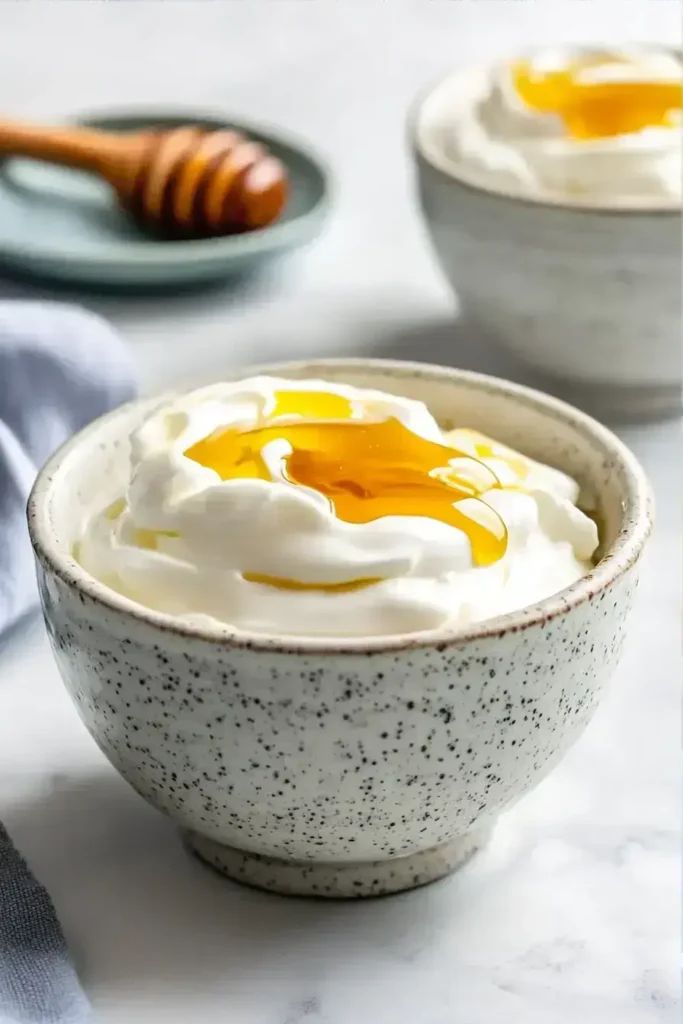
Greek Yogurt made at home is a tradition in my family, passed down like a cherished secret. This simple process connects us to generations past and fills our kitchen with the wholesome promise of fresh, probiotic-rich food. Let me share this organized method with you, so you can create your own creamy Greek Yogurt with live cultures, made with love from our table to yours.
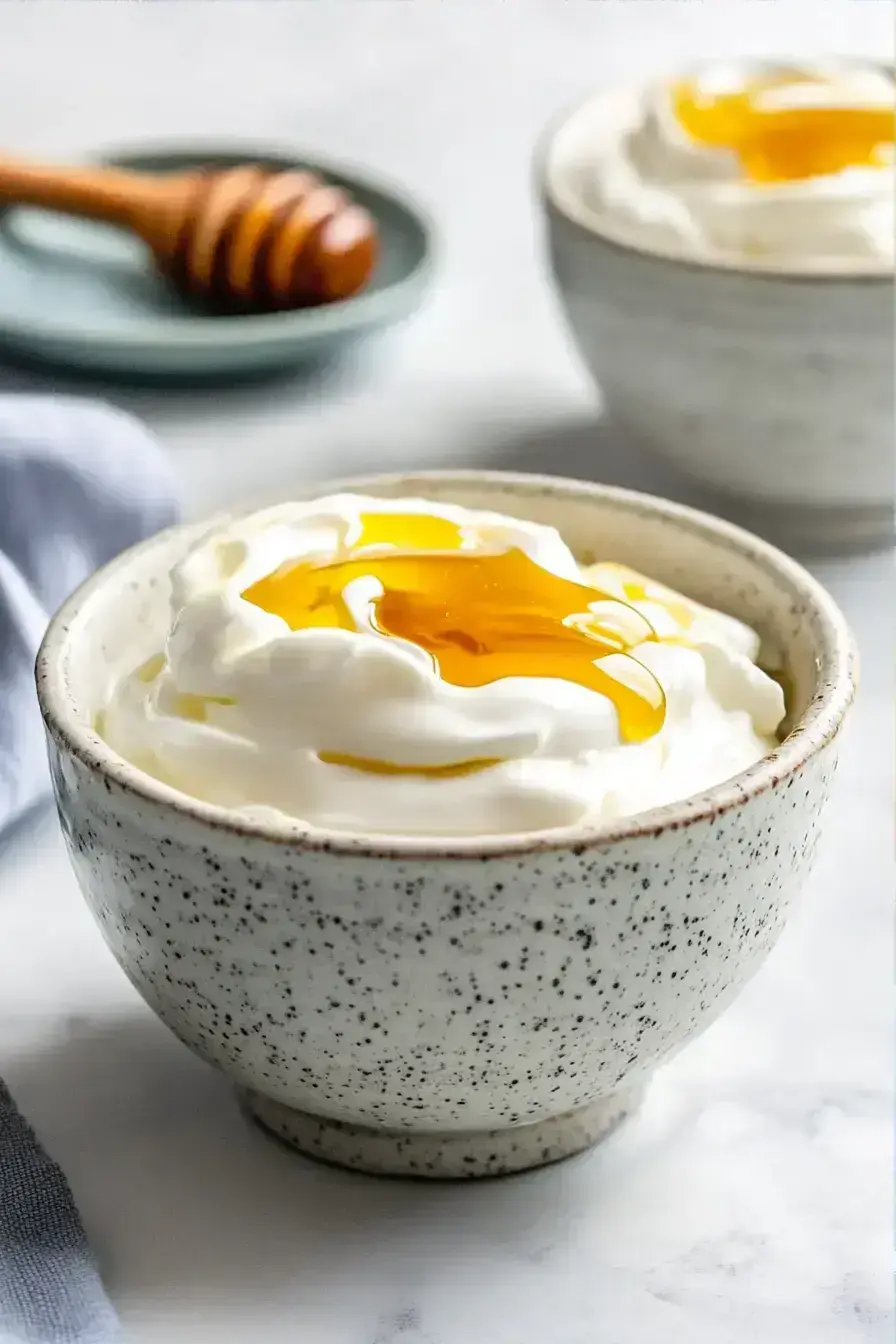
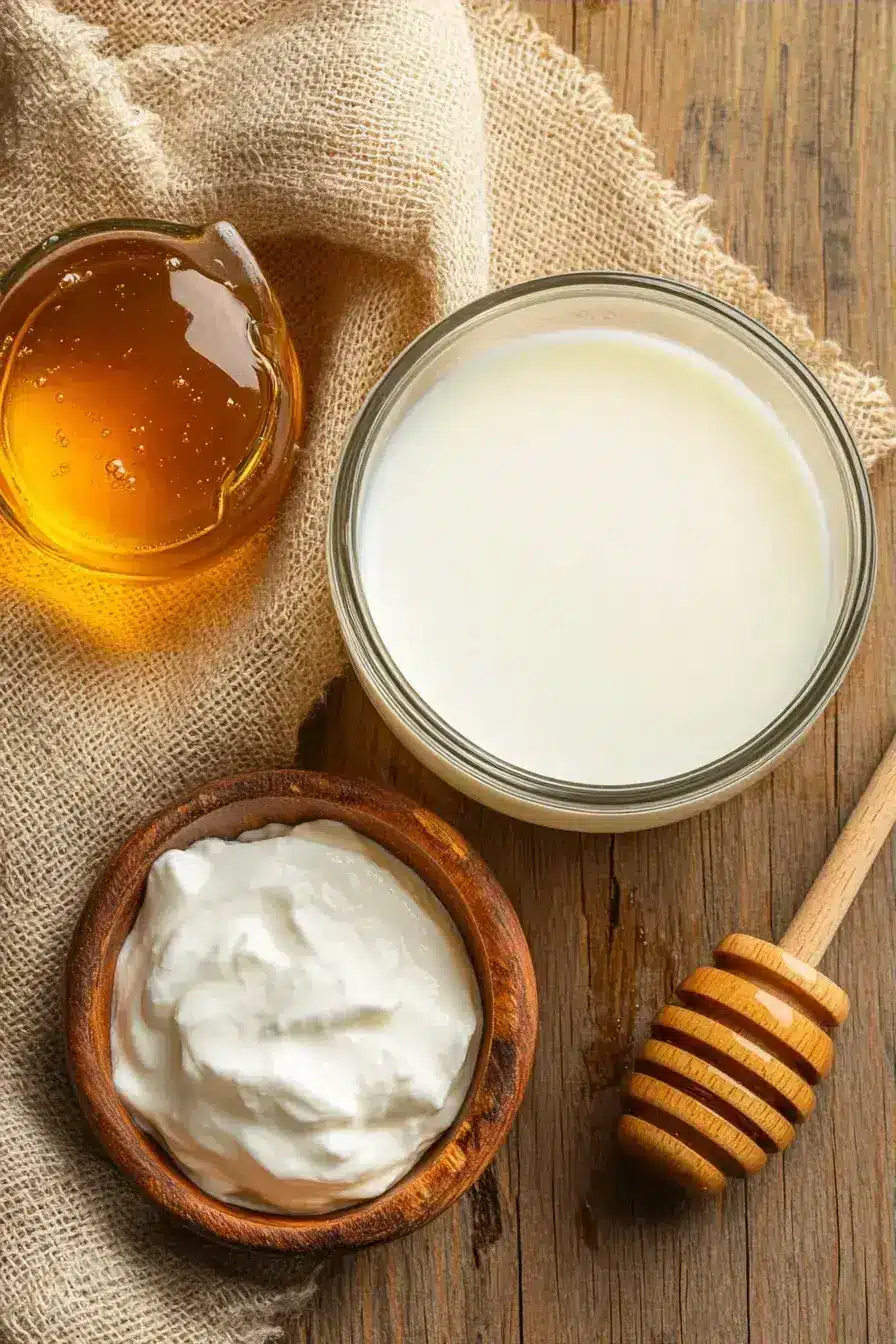
My dear, making Greek Yogurt is not about rushing. It is a patient, hands-off ritual. The active prep time is just 30 minutes, and the gentle heating takes about 20 minutes. Then, the magic happens while you wait.
The fermentation process requires 6 to 12 hours undisturbed, allowing the live cultures to work. Finally, a 2-hour chill in the refrigerator sets the perfect texture. This makes it an ideal weekend project, much like my overnight oats, where patience rewards you with a beautiful breakfast.
In our family, we believe good food is for everyone. If you are sugar-conscious or managing your blood sugar, this homemade Greek Yogurt is a wonderful blank canvas. You have complete control over sweeteners, making it naturally low in sugar.
For a diabetic-friendly version, simply omit the honey. The natural tang of the yogurt is delightful on its own. Alternatively, stir in a pinch of stevia or a sugar-free vanilla extract after chilling. Portion control is also easy with this probiotic yogurt, allowing you to enjoy it as part of a balanced, glucose-friendly diet.
After decades of making this traditional recipe, I’ve gathered a few secrets that ensure success every time. First, always bring your starter yogurt to room temperature; this helps it blend seamlessly into the warm milk.
For a flavor twist, try stirring in a splash of vanilla extract with the starter culture. If you prefer a thinner yogurt, simply reduce the fermentation time. To fix a grainier texture, whisk vigorously when adding the starter. For storage, remember that homemade yogurt lasts about two weeks in the fridge. It also makes a wonderful base for a creamy peanut butter smoothie or a refreshing peach smoothie.

This Greek Yogurt is not just tasty; it’s a powerhouse of nutrition. It’s an excellent source of protein and calcium, which are essential for strong bones and muscles. The live cultures contribute to a healthy gut, making this a true probiotic yogurt.
Compared to many store-bought versions, your homemade batch is lower in sugar, especially if you skip the honey. It’s a wholesome choice that fits into a healthy lifestyle. For another gut-friendly option, explore my strawberry chia pudding. According to experts at Harvard Health, fermented foods like yogurt can support digestive health. You can also use this yogurt to create a luxurious vanilla custard with berry compote.
If you’re looking for a lighter option, this recipe is wonderfully adaptable. You can easily use 2% or even 1% milk instead of whole milk for a reduction in fat. The result will still be creamy but slightly less rich.
For a dairy-free alternative, you could experiment with unsweetened almond or oat milk, though the fermentation process may differ. Remember, the beauty of this yogurt making at home is the ability to tailor it to your preferences, creating a perfect personalized treat.
I love remembering my Nonna serving thick yogurt in small bowls, topped with a drizzle of honey and walnuts. It was a simple, yet profoundly satisfying treat. Your freshly made Greek Yogurt can be the star of so many meals.
For breakfast, layer it with granola and fresh berries for a parfait, similar to my vegan berry parfait. It’s also fantastic as a tangy topping for pancakes or stirred into soups for creaminess. For a delightful dessert, try it in these chocolate strawberry yogurt clusters.
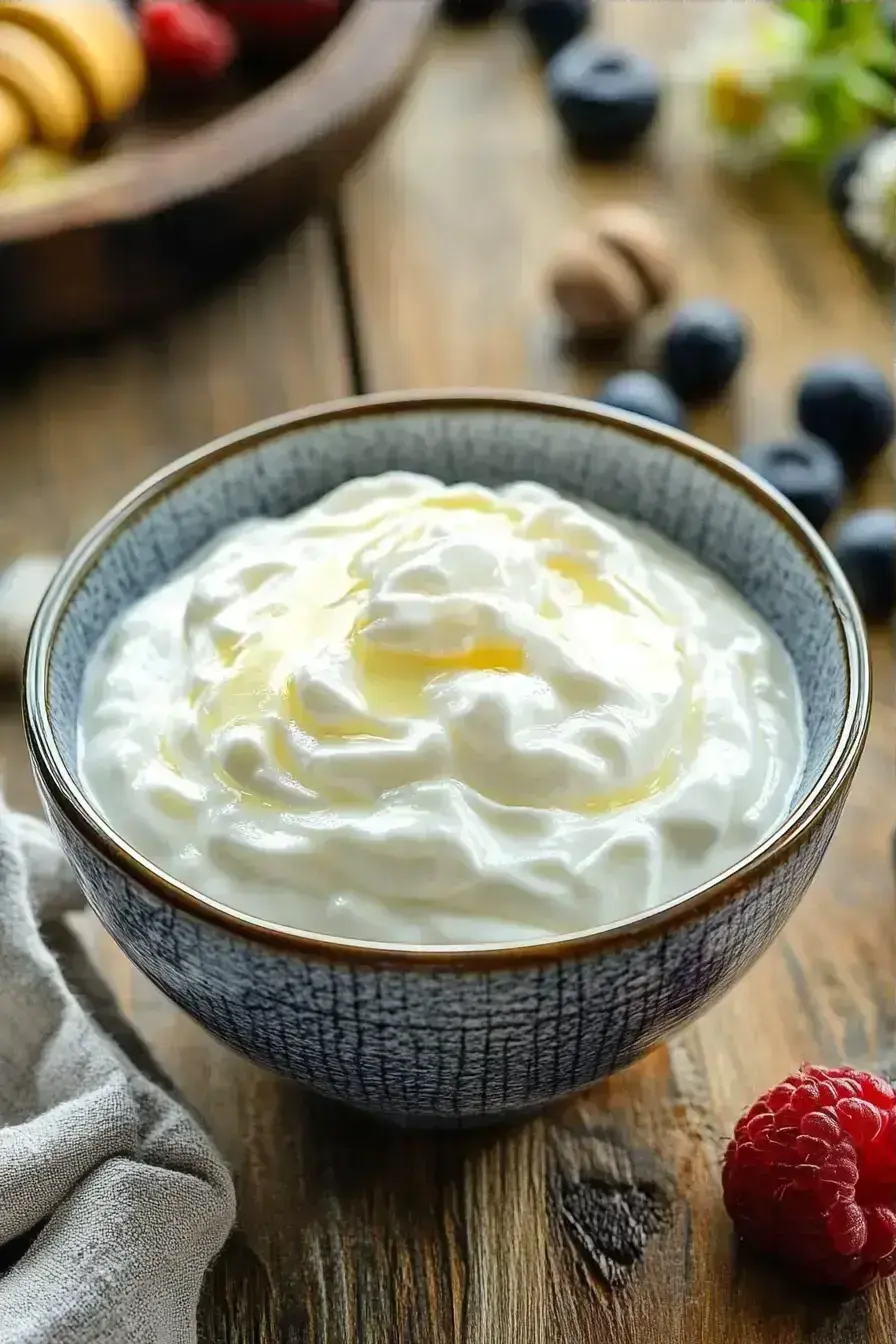
Even experienced cooks can run into issues with fermentation. The most common mistake is using milk that is too hot when adding the starter. If the milk is above 110°F, it will kill the live cultures. Always use a thermometer for accuracy.
Another issue is impatience. Don’t disturb the jars during the incubation period; this is crucial for the yogurt to set properly. If your yogurt is too thin, it may need a longer fermentation time. For more ideas on using creamy bases, see my tips for raspberry cheesecake bars. If you encounter problems, Food Network has a great troubleshooting guide. I also find that using a very clean container, like when making mini cheesecake bombs, prevents unwanted bacteria.
I recall my first batch, I was so nervous I checked it every hour! The yogurt was runny, a lesson in patience I never forgot. Trust the process, and you will be rewarded.
In our house, we never waste food, especially something made with such care. Your Greek Yogurt will keep beautifully in the refrigerator for up to two weeks. Store it in a clean, airtight glass jar to maintain its freshness.
You can also freeze it for longer storage, though the texture may become slightly grainy upon thawing—it’s best used in smoothies or baking after freezing. I often use leftover yogurt in refreshing smoothies to ensure nothing goes to waste.
There is a special pride that comes from making your own food, especially a staple like yogurt. This Greek Yogurt recipe is my gift to you, a piece of my family’s kitchen heart. It’s a simple act that yields something truly nourishing.
I encourage you to try it this weekend. Let the gentle process of yogurt making bring a sense of calm and accomplishment to your home. Once you master this, you might enjoy trying your hand at other homemade treats like strawberry swirl cheesecake, vegan chia pudding, or coconut quinoa pudding. From my family to yours, happy cooking!
If you loved the satisfaction of making your own Greek Yogurt, you might enjoy bringing that same homemade love to other kitchen creations. Here are a few more cozy recipes to try.
Apple Walnut Parfaits – A crunchy and spiced layered treat perfect for autumn mornings.
Mini Cheesecake Bombs – Bite-sized bursts of creamy cheesecake flavor, ideal for parties.
Greek Yogurt is strained to remove much of the whey, resulting in a thicker, creamier texture and a higher protein content compared to regular yogurt. This homemade version allows you to control the straining process to achieve your perfect consistency.
You must use a plain yogurt that contains live and active cultures listed on the label. This is essential for the fermentation process to begin. Avoid yogurts with additives or sweeteners for the best results in your yogurt making.
When stored properly in an airtight container in the refrigerator, your homemade Greek Yogurt will stay fresh for about 1 to 2 weeks. Always use a clean spoon to scoop it out to prevent contamination.
Thin yogurt can result from a shorter fermentation time, not using enough starter culture, or incubating at a temperature that is too low. For a thicker Greek Yogurt, allow it to ferment for the full 12 hours in a consistently warm spot.

Welcome to Mac Recipes! I'm here to prove that amazing home-cooked meals don't need to be complicated. From weeknight dinners to weekend treats, I create recipes that fit into your busy life—delicious, doable, and always worth making.
More About Me