Homemade Goat Cheese Recipe
This post may contain affiliate links.
Read our Disclaimer.
Leave a Comment ★★★★★
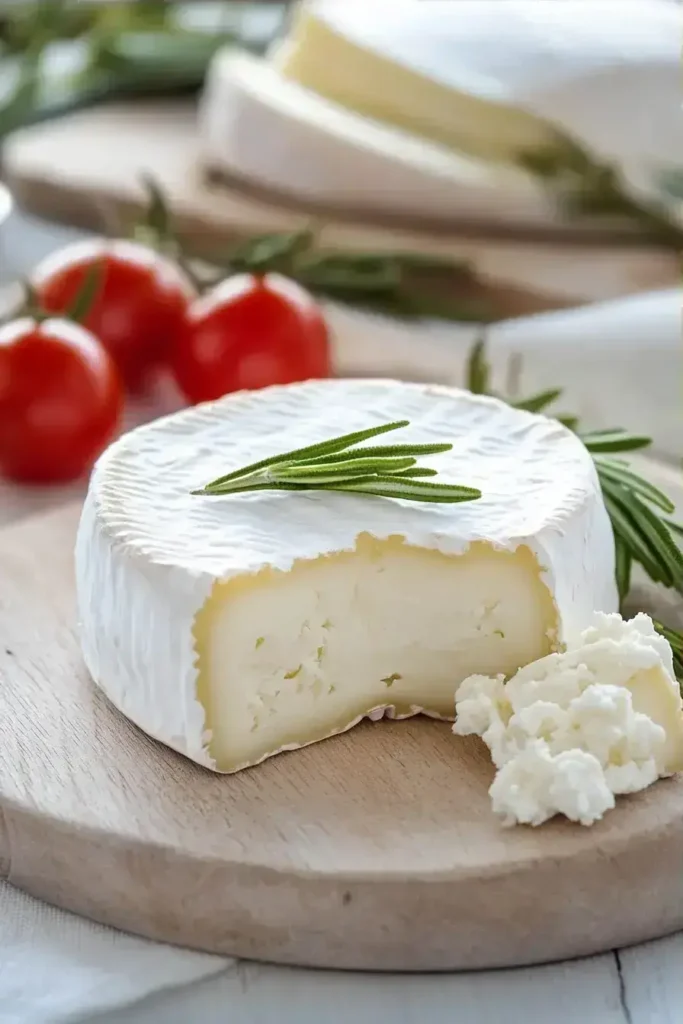
Making Goat Cheese at home is a rewarding experience that connects you to generations of tradition. This fresh cheese making process is simpler than you think, and the result is a creamy, tangy cheese perfect for so many dishes. From our table to yours, I’m sharing my family’s traditional recipe.
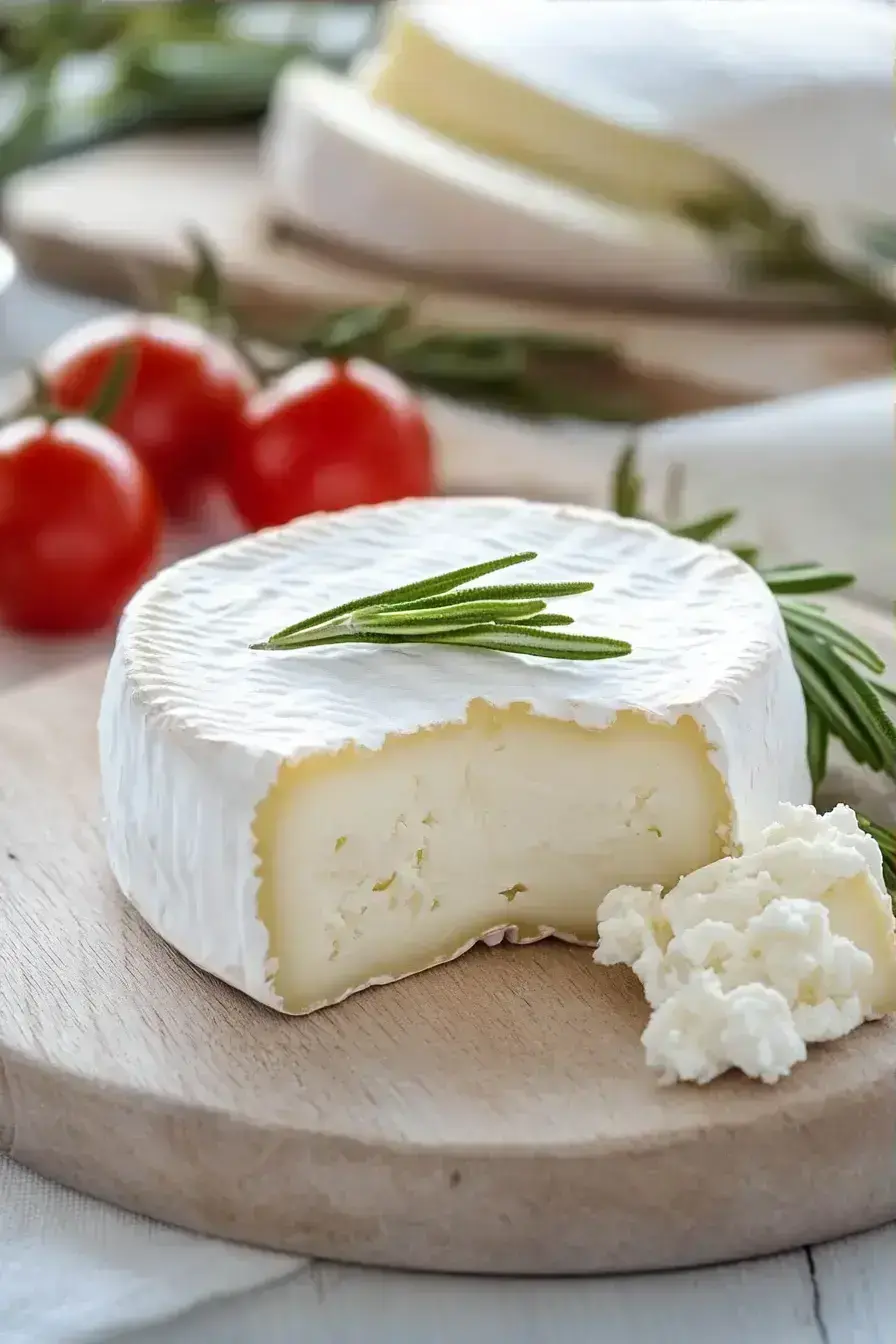
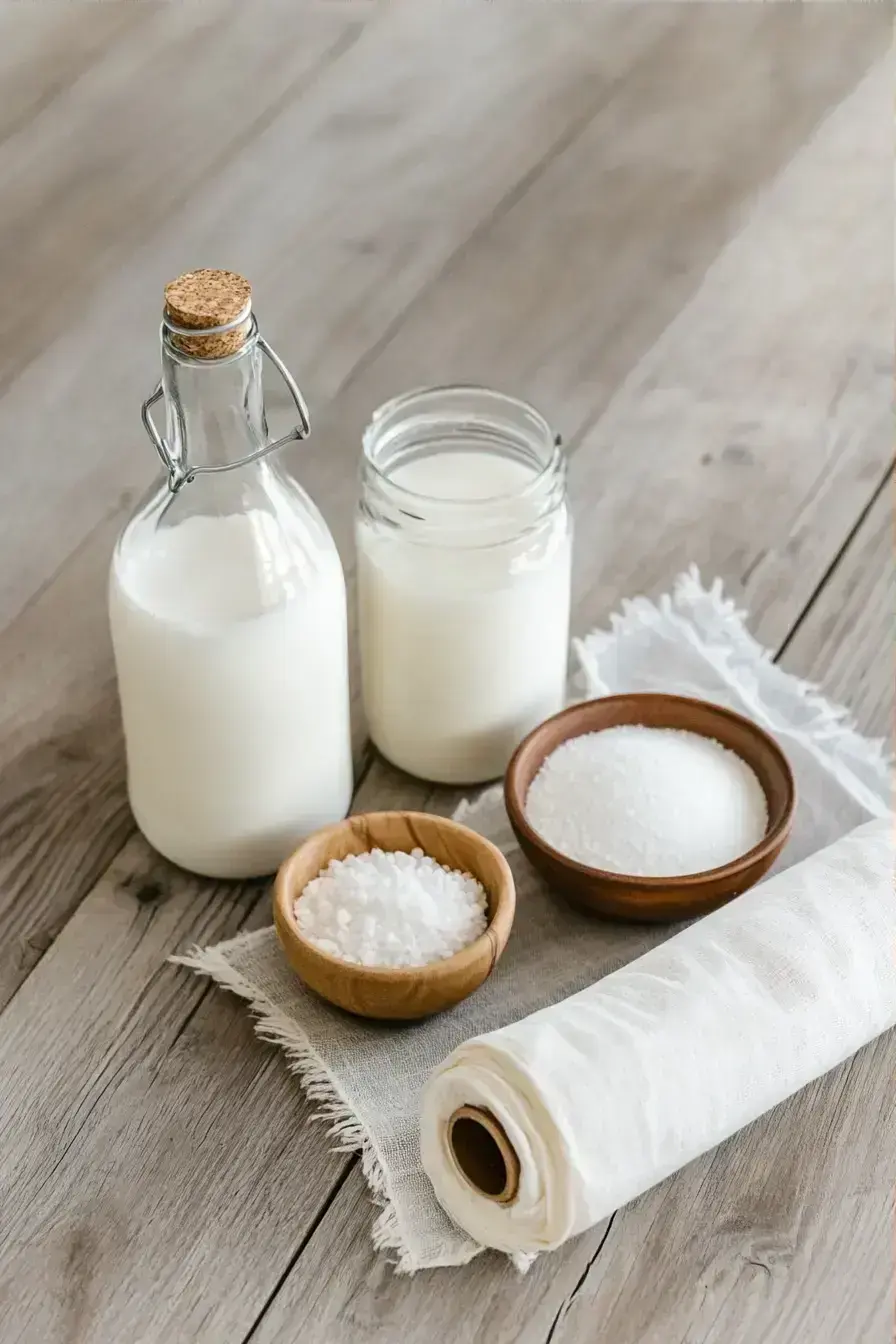
My dear, do not let the idea of making cheese intimidate you. This is one of those easy cheese recipes that feels like a weekend ritual but comes together so quickly. With just 15 minutes of active prep and 20 minutes of gentle heating, you’re well on your way.
The total time is about 35 minutes, plus a short rest in the refrigerator. It’s the perfect project for a relaxed afternoon. While the curds drain, you can easily whip up a side dish, like my simple Grilled Chicken Caprese, to enjoy alongside your fresh creation.
In our family, we believe good food is for everyone. This homemade goat cheese is naturally a lower sugar option compared to many store-bought dairy products, making it a thoughtful choice if you’re sugar conscious. The process itself doesn’t require any added sweeteners.
For those monitoring their intake, remember that portion size is key. A little of this flavorful cheese goes a long way. Since it’s a fresh cheese, it contains natural milk sugars, but its tangy profile means you’ll likely use less than a milder cheese.
After years of making this goat milk cheese, I’ve learned a few tricks that make all the difference. These small touches are the generational wisdom I love to share.
When you make your own goat cheese, you know exactly what’s in it. This fresh cheese is a good source of protein and calcium, which are essential for strong bones and muscles. Goat milk is often easier to digest for some people compared to cow’s milk, making this a potential dairy free alternative for those with sensitivities.
It’s also rich in healthy fats and contains important nutrients like phosphorus and vitamin A. Incorporating homemade cheese into a balanced diet can be part of a wholesome lifestyle. For another protein-packed meal, you might enjoy my Scalloped Portobello Mushrooms. Remember, for detailed nutritional guidance, it’s always best to consult a registered dietitian or reliable health resource. You can also use your Goat Cheese to create a decadent dessert like these Strawberry Swirl Cheesecake bars.
If you’re looking for a lighter take, this recipe is wonderfully adaptable. The beauty of this homemade goat cheese is that it’s already quite pure. For an even lighter version, you could use a low-fat goat milk if you can find it, though the texture might be slightly less creamy.
The salt is the main ingredient you can control for a lighter result. Simply reduce it to your liking. This versatile cheese can be crumbled over a salad instead of being used in richer dishes, keeping things light and fresh.
I remember my nonna serving fresh cheese on a wooden board with a drizzle of honey and some crusty bread. It was a simple yet profound joy. Your homemade goat cheese can be the star of so many meals.
Slice it and layer it in a sandwich, crumble it over a warm pasta dish, or simply spread it on a cracker. It pairs beautifully with fresh fruits like figs or pears. For a cozy dinner, try adding a dollop to my creamy Mac and Cheese for a tangy twist. And for a real treat, use it in these indulgent Cheesy Garlic Bliss Bread rolls.
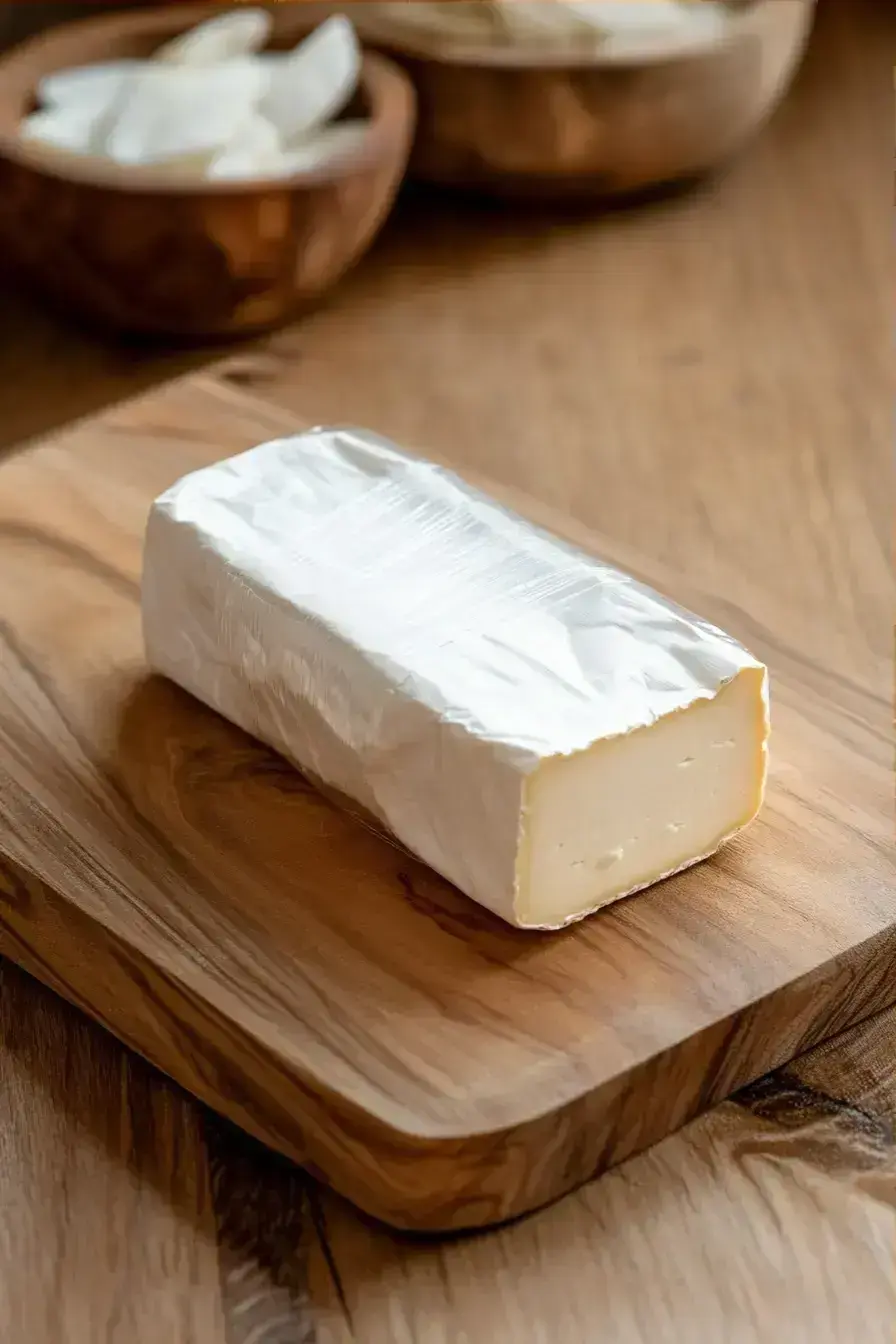
Let’s walk through a few common hiccups so you can avoid them. Why is my cheese too dry? This usually happens if the curds are over-drained or pressed too hard. Be gentle when handling them; they just need to lose the excess whey, not become compact.
How to prevent a grainy texture? The key is temperature control. Heating the milk too quickly or beyond 180°F can make the proteins tough. Use a thermometer and patience. Another mistake is using a weak acid. Distilled white vinegar works reliably. For more troubleshooting tips on cheesy dishes, check out this guide to making creamy Mac and Cheese. If you’re new to working with cheese, a resource like The American Cheese Society can be helpful. I also find that using the right technique for dishes like Cheesy Garlic Rolls relies on similar gentle handling.
I once rushed the cooling process and learned that good things truly come to those who wait. Let the milk mixture sit undisturbed for the full 10 minutes after adding the vinegar for a clean separation.
My family never wasted a crumb of our homemade cheese. To store your goat cheese, wrap it tightly in plastic wrap or place it in an airtight container. It will keep in the refrigerator for about a week.
For longer storage, you can freeze it. The texture may become slightly more crumbly after thawing, making it perfect for sprinkling over cooked dishes. Think of it as your secret ingredient for a quick weeknight meal. It’s a wonderful way to always have a bit of homemade goodness on hand, much like having a versatile cheese fondue base ready in the freezer.
Making this goat cheese is like touching a piece of history, a tradition passed down through hands and hearts. It connects you to the simple, honest pleasure of creating food from scratch.
I encourage you to give this recipe a try. Feel the satisfaction of turning milk into something beautiful and delicious. Share it with loved ones, and maybe start a new tradition in your own home. For more sweet projects, you might enjoy my Raspberry Cheesecake Bars, these delightful Mini Cheesecake Bombs, or these Strawberry Cheesecake Cookies. The journey of homemade Goat Cheese is one of love and simplicity.
If you loved the process of making something from scratch, here are a few more ideas to fill your home with wonderful aromas and flavors.
Mini Cheesecake Bombs Version 2 – Another take on our beloved bite-sized dessert, perfect for parties.
Cheese Charcuterie Board Ideas – Get inspired to create a beautiful board featuring your homemade goat cheese.
The best milk for homemade goat cheese is fresh, pasteurized whole goat milk. Avoid using ultra-high temperature (UHT) processed milk, as it may not form curds properly. The freshness of the milk directly impacts the flavor and texture of your final cheese.
While cheesecloth is ideal for its fine weave, you can use a very clean, thin kitchen towel or a fine-mesh strainer lined with a coffee filter in a pinch. The goal is to separate the curds from the whey effectively, so the material needs to be porous yet fine enough to catch the small curds.
When stored properly in an airtight container in the refrigerator, your homemade goat cheese will last for about one week. Always check for any off smells or mold before consuming. For longer storage, you can freeze it for up to two months.
Making goat cheese at home allows you to control the ingredients, ensuring there are no unnecessary additives or preservatives. It is a fresh, whole-food product. However, the basic nutritional profile regarding fat, protein, and calories will be similar to a plain, store-bought fresh goat cheese.

Welcome to Mac Recipes! I'm here to prove that amazing home-cooked meals don't need to be complicated. From weeknight dinners to weekend treats, I create recipes that fit into your busy life—delicious, doable, and always worth making.
More About Me