Fresh Goat Cheese Recipe
This post may contain affiliate links.
Read our Disclaimer.
Leave a Comment ★★★★★
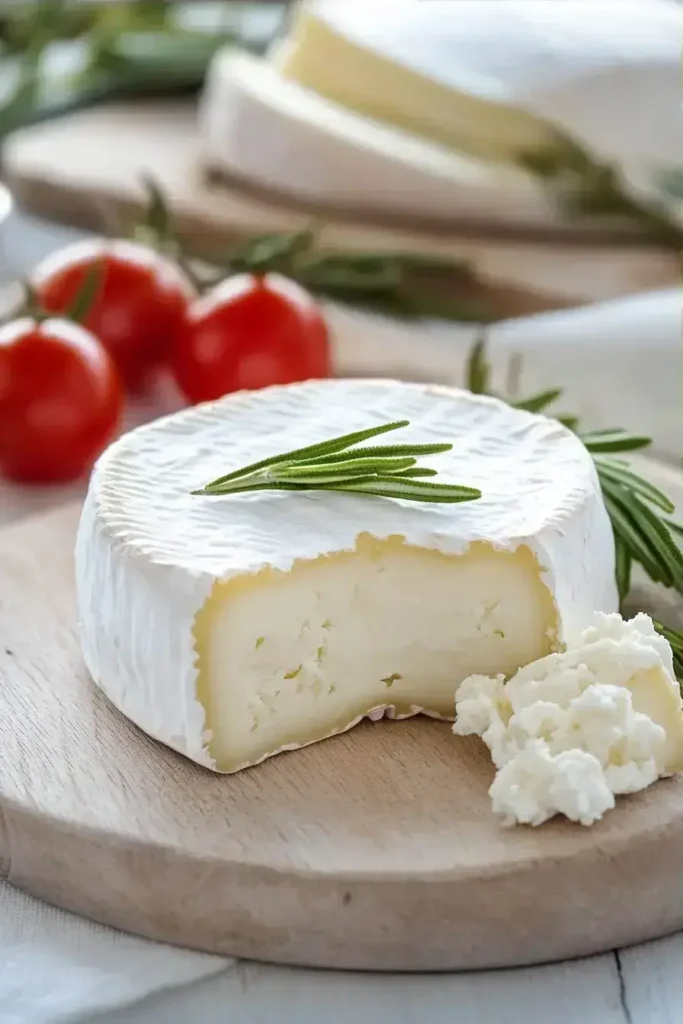
Making your own Goat Cheese at home is a rewarding process that brings bold flavors with zero fuss. This simple method for Goat Cheese uses just a few ingredients to create a fresh, tangy cheese that’s perfect for spreading, crumbling, or enjoying on its own.
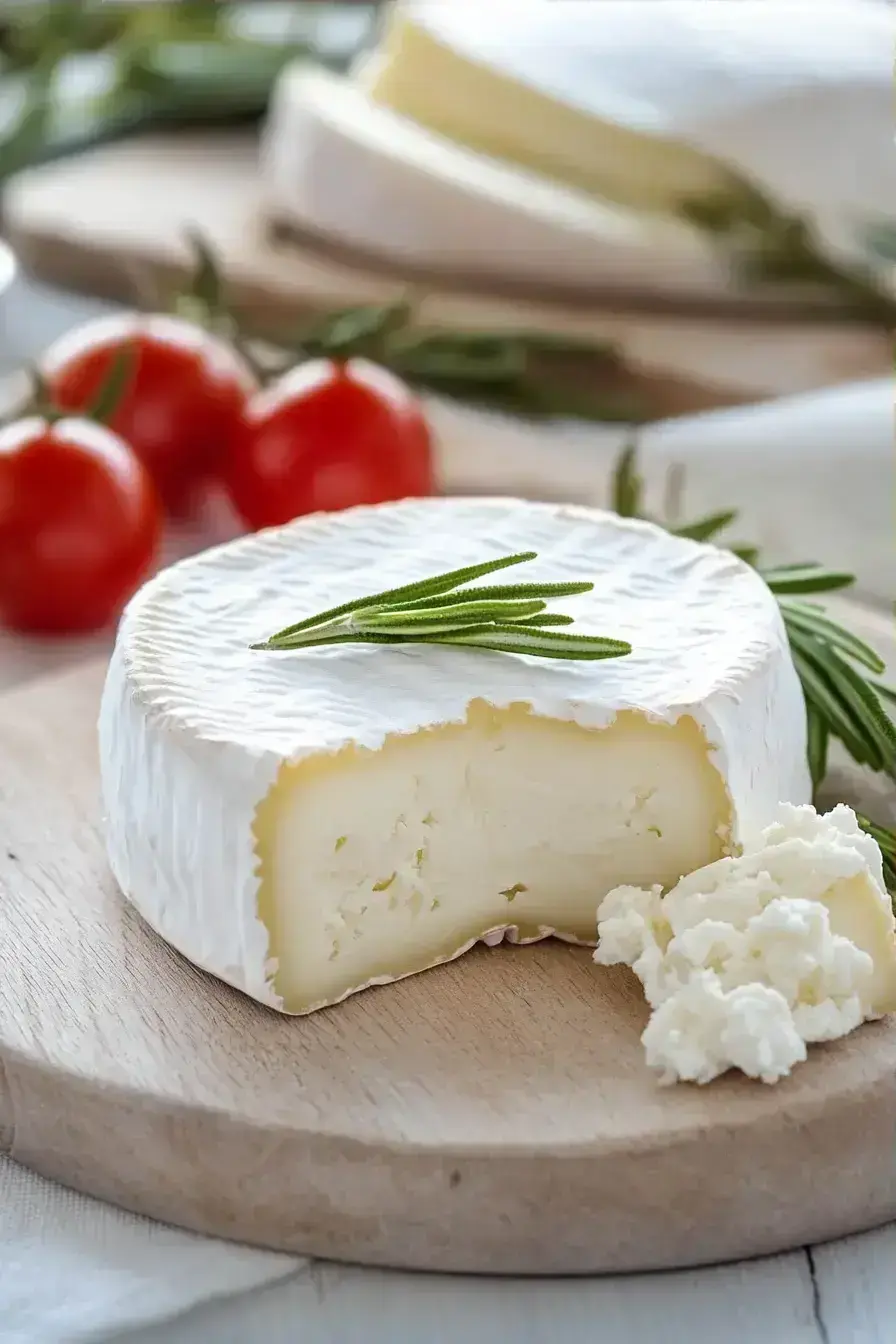
I love that this recipe proves that cheese making doesn’t have to be an all-day affair. With a total time of just 35 minutes, you can have fresh Goat Cheese
The active prep time is a brief 15 minutes, followed by a 20-minute cook time where the milk gently heats. This is a fantastic quick project, much faster than many other homemade cheese endeavors. The hands-off draining and chilling periods mean you can multitask easily.
For those who are sugar-conscious or managing dietary needs, this basic Goat Cheese is naturally a low glycemic option. Since it contains no added sugar, it fits well into a diabetic-friendly eating plan.
You can further customize it by reducing the salt if you’re watching sodium intake. For an even cleaner label, ensure you’re sourcing high-quality, pure goat milk without any additives.
After making this recipe countless times, I’ve picked up a few spice shortcuts that make a big difference. First, for a flavor twist, try stirring in fresh herbs like thyme or cracked peppercorns after draining.
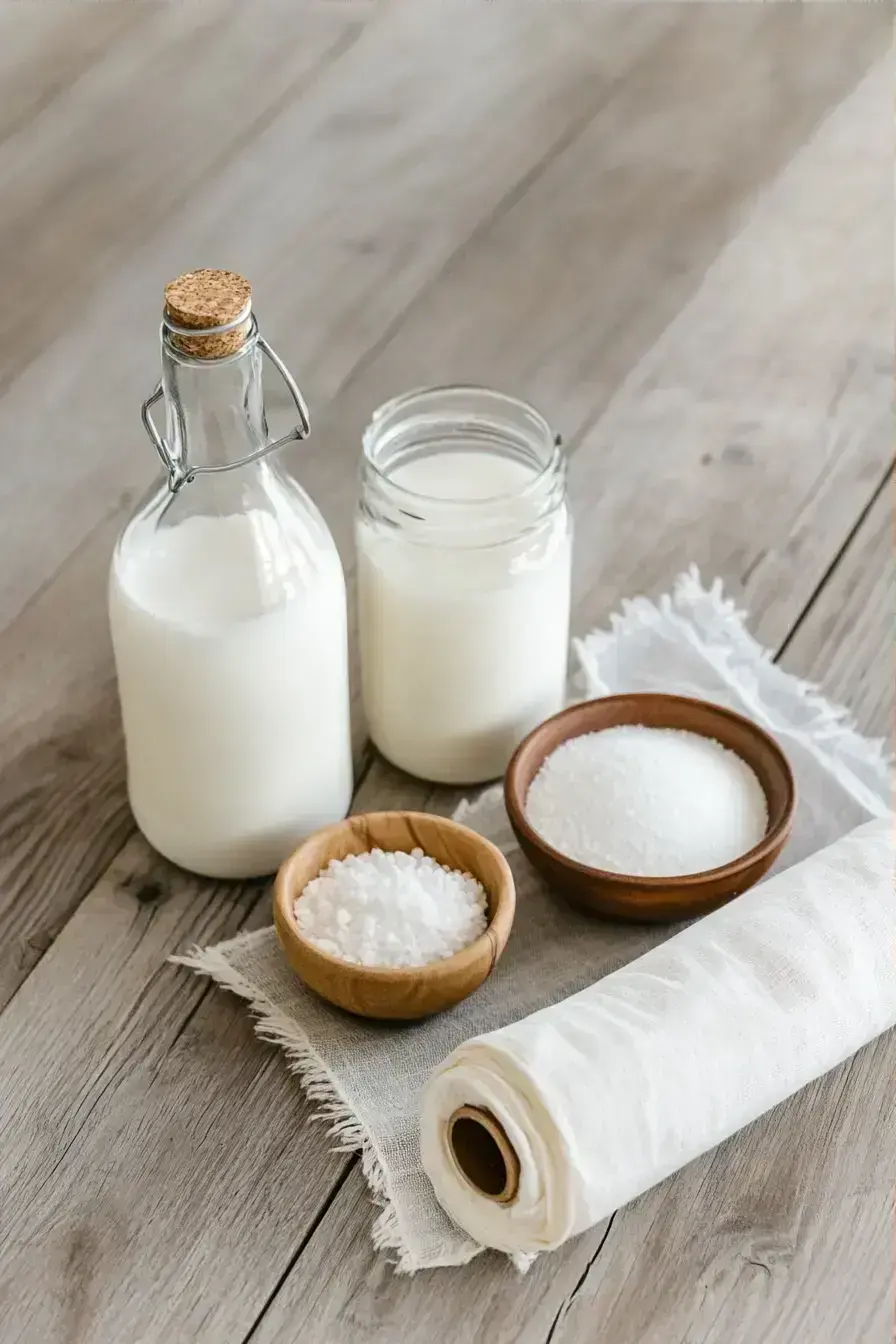
Goat Cheese is not only delicious but also offers several nutritional advantages. It’s often easier to digest than cheeses made from cow’s milk and is a good source of protein and calcium.
This Goat Cheese is particularly rich in essential nutrients like vitamin A and beneficial fatty acids. Compared to many soft cheeses, it can be a lighter option, which is why it’s a star in dishes like our lighter pasta bakes. Incorporating homemade cheese into your diet allows you to avoid preservatives. For more on building a balanced plate, resources from the Harvard T.H. Chan School of Public Health are excellent. It’s a versatile ingredient that adds flavor and nutrition to everything from a simple side dish to a main course.
If you’re looking to make this cheese even lighter, you can use a lower-fat goat milk, though the texture will be less creamy. The recipe is already quite simple and clean, but you have full control over the salt content.
For a dairy-free alternative, this method won’t work, but there are nut-based “cheeses” you can explore. The beauty of this Goat Cheese is its purity, making it a great base for a healthy snack board.
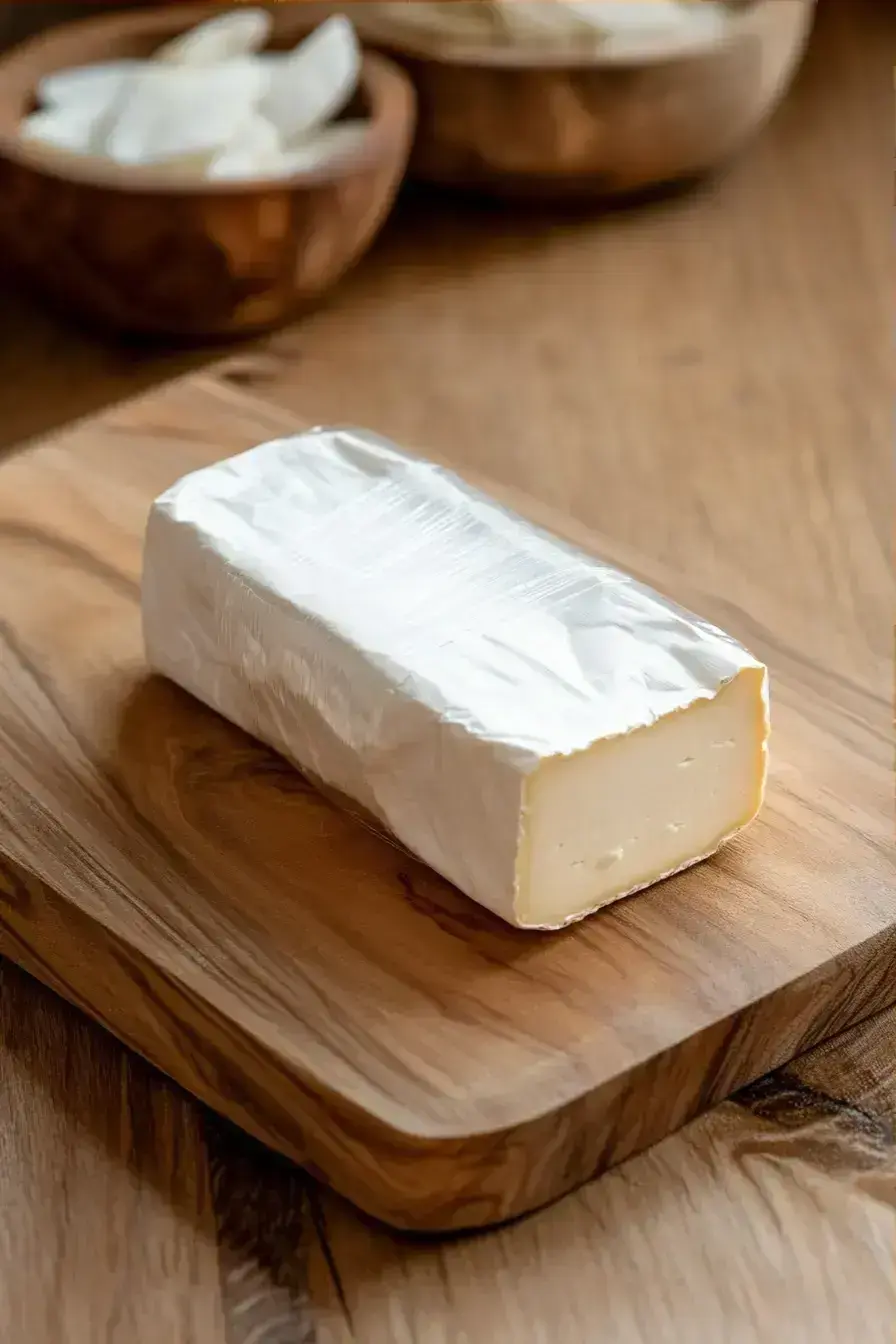
I love the moment of unwrapping the freshly set cheese log—it feels like a real culinary achievement. The ways to enjoy this Goat Cheese are endless, from simple to elegant.
Crumble it over a salad with beets and walnuts, spread it on crusty bread with a drizzle of honey, or stuff it into chicken breasts. It’s the perfect centerpiece for an impressive appetizer spread. For a heartier meal, try mixing it into our favorite meatloaf recipe for added moisture and tang.
One common issue is the milk not curdling properly. This usually happens if the vinegar isn’t stirred in gently or if the milk temperature isn’t hot enough. Always use a thermometer to hit that 180°F mark.
Another mistake is rushing the draining process. If you don’t let the curds drain for the full hour, your cheese will be too wet. Patience is key for the right texture. Have you ever ended up with a grainy cheese? This can occur if the milk is heated too quickly, causing it to scorch. Finally, seasoning after shaping can lead to uneven flavor. Always mix the salt into the curds thoroughly before forming your log. For more troubleshooting on dairy-based recipes, check out tips from Food Network. I learned the hard way that gentle heat is non-negotiable, a lesson that also applies to making a smooth classic fondue.
I always make a double batch because this cheese stores so well. Wrap the finished log tightly in plastic wrap or store it in an airtight container in the refrigerator, where it will keep for up to a week.
You can also freeze Goat Cheese for up to two months, though the texture may become slightly crumbly upon thawing, making it better for cooking than spreading. For ideas on using leftover cheese, our garlic rolls are a fantastic option.
The first time I successfully made cheese at home, I was hooked. There’s a special satisfaction in creating something so fundamental from scratch. This recipe for Goat Cheese is your gateway into the world of home cheesemaking.
It’s incredibly versatile, and once you have the basic technique down, you can experiment with different flavors. I encourage you to give it a try this weekend. If you love this, you might also enjoy our ultimate mac and cheese, a simple meat and cheese board, or a vibrant fruit and cheese platter. The journey into homemade Goat Cheese is one of the most rewarding in the kitchen.
If you loved the simplicity of making your own cheese, you’ll adore these other flavorful and straightforward recipes that celebrate from-scratch cooking.
Cheese and Cracker Charcuterie Board – An effortlessly elegant way to showcase your homemade goat cheese.
Budget-Friendly Charcuterie Board – Create a stunning spread without breaking the bank, perfect for gatherings.
Goat Cheese is primarily made from goat milk, an acid like vinegar or lemon juice to cause curdling, and salt for flavor. This simple combination is all you need to create a fresh, tangy cheese at home. The process separates the milk solids (curds) from the liquid (whey).
Yes, you can absolutely substitute fresh lemon juice for the vinegar when making Goat Cheese. Use an equal amount of lemon juice. The cheese will have a slightly different, citrus-tinged flavor profile, which can be a delightful variation on the classic recipe.
When stored properly in an airtight container in the refrigerator, your homemade Goat Cheese should last for about one week. Always check for any off smells or mold before consuming. For longer storage, it can be frozen for up to two months.
Goat Cheese often has fewer calories and less fat than standard cream cheese. It also contains different proteins that some people find easier to digest. Making it at home allows you to control the salt content, potentially making it a healthier choice.

Welcome to Mac Recipes! I'm here to prove that amazing home-cooked meals don't need to be complicated. From weeknight dinners to weekend treats, I create recipes that fit into your busy life—delicious, doable, and always worth making.
More About Me