German Chocolate Cake Rich Pecan Frosting
This post may contain affiliate links.
Read our Disclaimer.
Leave a Comment ★★★★★
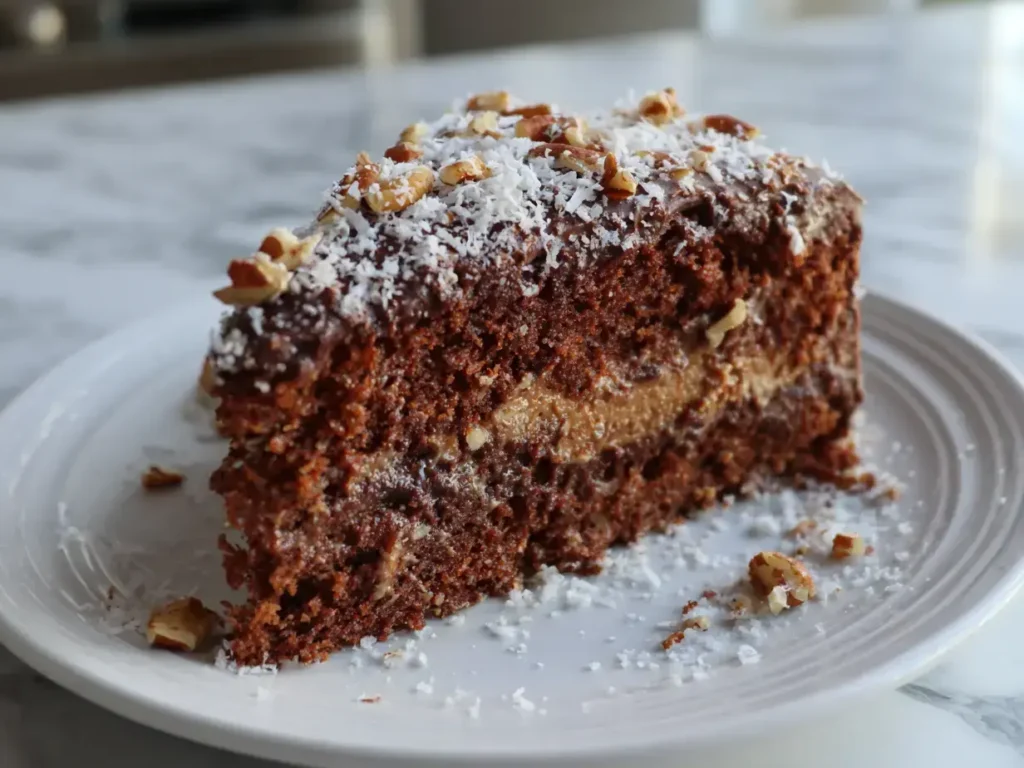
There’s something truly special about a classic German Chocolate Cake. It’s not just a dessert; it’s a warm embrace of nostalgia. Furthermore, this iconic cake, with its impossibly moist chocolate layers and rich, gooey coconut-pecan frosting, instantly transports me back to my grandmother’s kitchen in Burgundy. Interestingly, despite its name, this cake is a thoroughly American invention. Today, I’m thrilled to share my tried-and-true, from-scratch German chocolate cake recipe. Consequently, you’ll learn to create this stunning masterpiece in your own home.
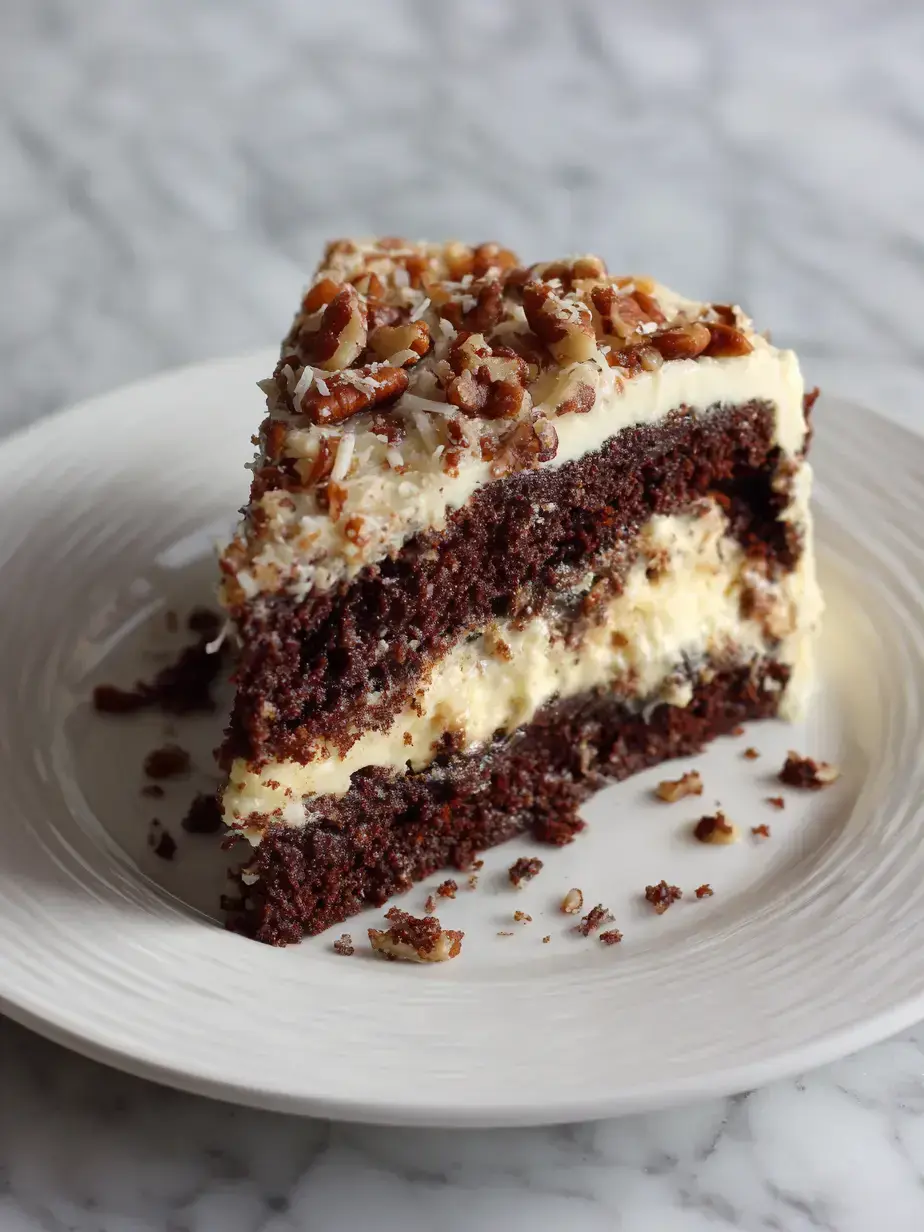
Table of Contents
Many folks are surprised to learn this beloved cake isn’t from Germany at all. Instead, its origin story is a charming American tale. In fact, the name comes from Sam German, an English-American chocolate maker. He developed a type of dark baking chocolate for the Baker’s Chocolate Company in 1852, originally called “Baker’s German’s Sweet Chocolate.” Later, a Dallas newspaper published a recipe using this chocolate, and the name “German’s Chocolate Cake” stuck. Eventually, the possessive was dropped, leading to the delicious misnomer we know today.
What truly sets a German chocolate cake apart is its distinctive frosting. Unlike other chocolate cakes that might be covered in buttercream or ganache, this cake features a cooked frosting that is almost like a rich, candied custard. Moreover, it’s packed with toasted pecans and sweet, chewy coconut. The cake itself is a deep, dark chocolate that provides the perfect balance to the sweet, nutty topping. This combination creates a symphony of textures and flavors that is simply unforgettable.
Making a homemade German chocolate cake from scratch requires a specific set of ingredients. Importantly, each one plays a crucial role in achieving that perfect texture and flavor. For instance, using high-quality cocoa powder is non-negotiable for a deep chocolate taste. Similarly, the buttermilk and oil work together to create an incredibly moist crumb that won’t dry out. Meanwhile, the hot coffee might seem unusual, but it magically intensifies the chocolate flavor without making the cake taste like coffee.
Let’s break down the key players for the cake layers. All-purpose flour provides the ideal structure. Granulated sugar sweetens and tenderizes. Unsweetened cocoa powder delivers that essential chocolate kick. Baking soda and baking powder are your leavening agents for a good rise. Kosher salt enhances every other flavor. Buttermilk adds tang and moisture, while vegetable oil ensures a soft texture. Room temperature eggs bind everything, and pure vanilla extract adds warmth. Finally, hot brewed coffee is the secret weapon for maximum chocolate intensity.
The iconic German chocolate cake frosting is a star in its own right. You’ll need unsalted butter for a creamy base. Evaporated milk contributes to the frosting’s rich, silky texture. Granulated sugar sweetens the mix, and egg yolks give it a luxurious, custard-like body. Pure vanilla extract is a must for flavor depth. Finally, chopped pecans and sweetened flaked coconut provide the signature crunch and chew. This combination is what makes the cake so uniquely irresistible.
Now, let’s get to the fun part: baking! First, always preheat your oven to 350°F (175°C). Then, prepare two 9-inch round cake pans by greasing them with butter and dusting with flour. I also highly recommend lining the bottoms with parchment paper circles; this guarantees your cakes will release perfectly. This initial prep might seem small, but it makes a huge difference in the final presentation. After that, you can start combining your dry ingredients in the bowl of your stand mixer.
Using a stand mixer with a paddle attachment makes this process a breeze. Combine all your dry ingredients first: flour, sugar, cocoa, baking soda, baking powder, and salt. Then, add the wet ingredients: buttermilk, oil, eggs, and vanilla. Mix on medium speed for a full two minutes until the batter is completely smooth. Next, with the mixer on low, slowly pour in the hot coffee. The batter will become quite thin—this is normal! Finally, divide this thin batter evenly between your two prepared pans for even baking.
Place your pans in the preheated oven and bake for 30-35 minutes. You’ll know they’re done when a wooden skewer inserted into the center comes out clean. Then, let the cakes cool in their pans on a wire rack for exactly 10 minutes. This allows them to set up slightly. After that, carefully run a knife around the edges and invert them onto the rack. Gently peel off the parchment paper and let the layers cool completely before you even think about frosting. A warm cake will melt your frosting and create a mess!
This cooked frosting is the heart of the German chocolate cake. While the cakes cool, grab a medium saucepan. Combine the butter, evaporated milk, sugar, and lightly beaten egg yolks. Cook this mixture over medium heat, and this is key: stir it constantly. You need to keep it moving for about 12 minutes to prevent the eggs from scrambling. You’re looking for the mixture to thicken noticeably. It should coat the back of a wooden spoon in a way that you can draw a clean line through it with your finger.
Once the mixture has thickened, immediately remove the pan from the heat. Then, stir in the vanilla extract, followed by the chopped pecans and flaked coconut. Now, keep stirring! As the frosting cools, it will continue to thicken to a perfect, spreadable consistency. This should take about 5 to 7 minutes of constant stirring. If it seems too runny, just be patient and let it cool a bit more. You want it thick enough to stay put when you spread it between the cake layers without oozing out the sides.
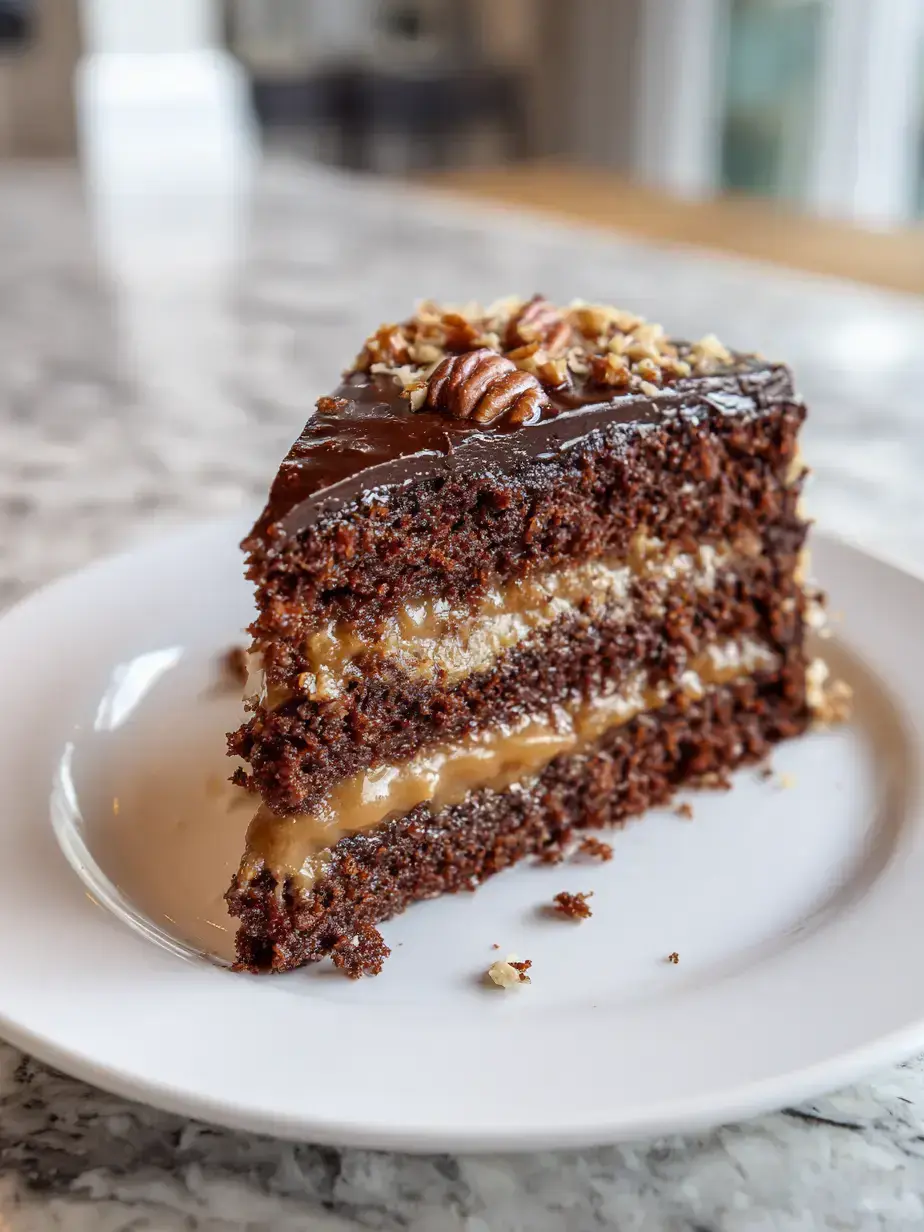
Assembly is the final, rewarding step. First, ensure your cake layers are completely cool—this is critical. Place one layer flat-side down on your serving plate or cake stand. Next, spread a generous, even layer of the coconut pecan frosting over the top of this first layer. You want to take it almost to the edge. Then, gently place the second cake layer on top, flat-side up. This gives you a nice, level surface for the final topping.
Here’s the signature look: you only frost the top of the cake. This classic German chocolate cake presentation leaves the beautiful dark sides of the cake exposed. Pour all of the remaining frosting onto the center of the top layer. Then, use an offset spatula to gently spread it evenly across the top, pushing it just to the edges so it drips slightly down the sides. This creates a rustic, beautiful finish that showcases the layers. Don’t worry about perfection; its homemade charm is part of its appeal!
For the best experience, let your assembled German chocolate cake set for at least an hour before slicing. This allows the flavors to meld and the frosting to set further. Use a sharp knife to slice clean pieces, wiping the blade between cuts for neat servings. This cake is incredibly rich, so smaller slices are often perfect. It pairs wonderfully with a glass of cold milk, a cup of black coffee, or even a dessert wine. It’s the perfect grand finale for a Sunday dinner or a special celebration.
Because of the custard-based frosting, this cake requires refrigeration. Simply cover it loosely with plastic wrap or place it in a cake carrier. It will keep beautifully in the fridge for up to 5 days. For longer storage, you can freeze the unfrosted cake layers tightly wrapped in plastic and foil for up to 3 months. Then, just thaw and make a fresh batch of frosting when you’re ready to serve. If you love bar cookies, my fudgy chewy brownies have similar storage tips!
While the classic recipe is perfection, sometimes it’s fun to mix things up! For a simpler, crowd-feeding option, you can bake this batter in a jelly roll pan to make a German chocolate sheet cake. Just adjust the baking time accordingly. If coconut isn’t your thing, you can absolutely make a German chocolate cake without coconut; simply omit it from the frosting for a rich pecan praline topping. The cake itself is so versatile and delicious. For another nutty dessert idea, check out my peanut butter bars.
This recipe adapts wonderfully into German chocolate cake cupcakes. Just line a muffin tin with papers, fill them 2/3 full, and bake for about 18-20 minutes. Then, top each cooled cupcake with a dollop of frosting. You can also add a twist to the cake batter by infusing it with a different flavor. Consider adding a teaspoon of cinnamon or a pinch of espresso powder to the dry ingredients for extra depth. If you enjoy fruity cakes, my peach upside-down cakes offer a wonderful flavor contrast.
After years of baking and tasting, I truly believe this is the best German chocolate cake recipe. Why? First, the method is flawless. Moreover, the combination of oil and buttermilk guarantees a moist cake that stays tender for days. The hot coffee doesn’t just add moisture; it actually amplifies the chocolate flavor on a molecular level, making it taste richer and more chocolatey without any coffee taste. Furthermore, the frosting recipe is the classic, cooked method that yields the perfect texture—not too runny, not too stiff, and packed with flavor.
This isn’t just a recipe; it’s a piece of my family history. I’ve made it for birthdays, holidays, and just because. It consistently receives rave reviews and requests for the recipe. It’s a from-scratch cake that feels special but is entirely approachable for bakers of most skill levels. The ingredients are common, and the steps are clear. If you’re looking for another classic dessert project, my NYT original plum torte is another timeless recipe. For more inspiration, browse all my dessert recipes.
Absolutely! If you prefer to avoid coffee, you can substitute an equal amount of hot water. The coffee simply deepens the chocolate flavor, but the cake will still be delicious with water.
Spread chopped pecans on a dry baking sheet. Bake at 350°F for 5-8 minutes, until fragrant. Watch closely to prevent burning! Toasted pecans add a deeper flavor.
Let it cool longer, stirring occasionally. The frosting thickens significantly as it cools. If it’s still too thin after 15 minutes, a brief chill in the fridge will help.
No, they are not interchangeable. Evaporated milk is unsweetened, while sweetened condensed milk is very sweet and thick. Using it would make the frosting overly sweet.
You can bake the layers up to 2 days ahead; wrap them tightly and store at room temp. Make the frosting the day you assemble, as it’s best fresh.
Yes! Add 1 tablespoon of lemon juice or white vinegar to 1 cup of regular milk. Let it sit for 5-10 minutes until it curdles slightly, then use as directed.
Baking this German Chocolate Cake is more than following a recipe; it’s about creating a moment of joy and connection. This cake has a way of bringing people together, sparking memories, and creating new ones. I hope this recipe gives you the confidence to bake this classic from scratch and share it with your loved ones. Don’t forget to snap a picture of your beautiful creation and share your baking story. Happy baking!

Welcome to Mac Recipes! I'm here to prove that amazing home-cooked meals don't need to be complicated. From weeknight dinners to weekend treats, I create recipes that fit into your busy life—delicious, doable, and always worth making.
More About Me