Fresh Cottage Cheese Making
This post may contain affiliate links.
Read our Disclaimer.
Leave a Comment ★★★★★
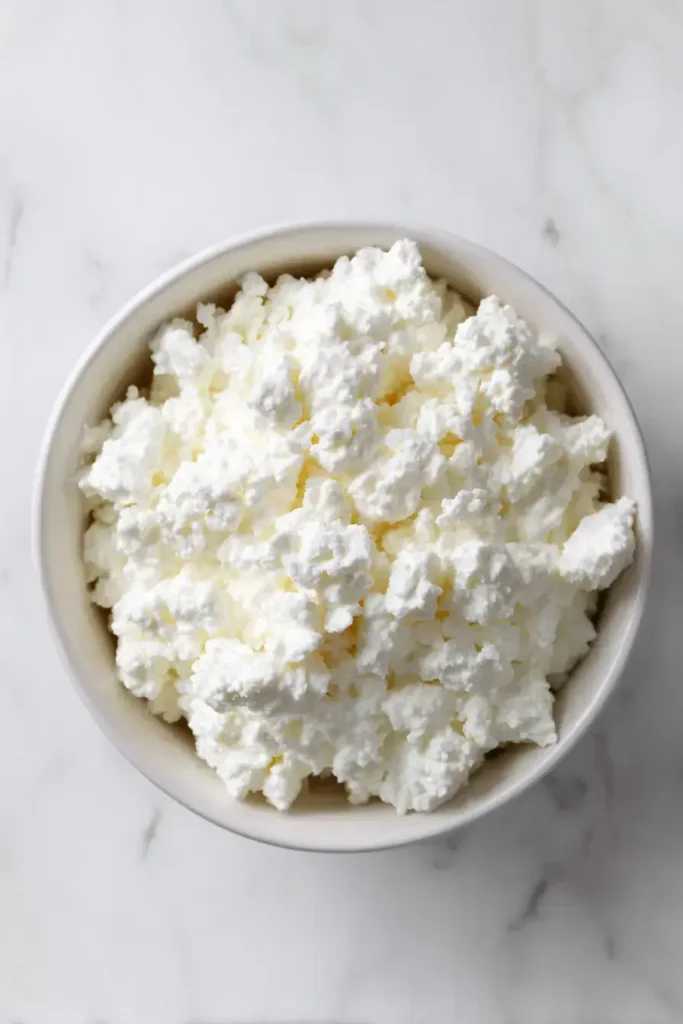
Making Cottage Cheese at home is a simple, rewarding process that brings generations of tradition right to your kitchen. With just a few wholesome ingredients, you can create a fresh, creamy delight that surpasses anything from a store. This traditional recipe is a family secret passed down with love, and today, I’m sharing it with you.
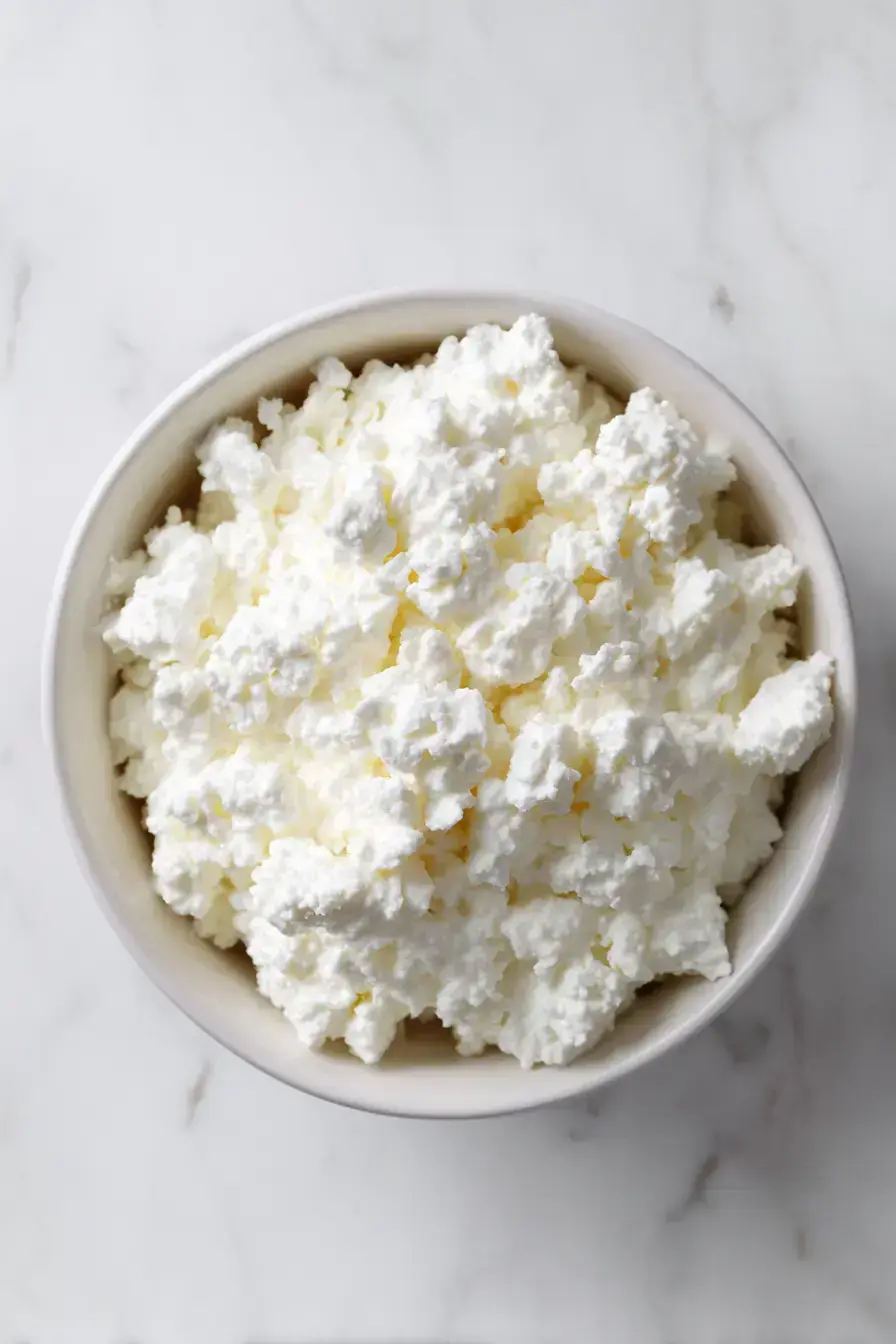
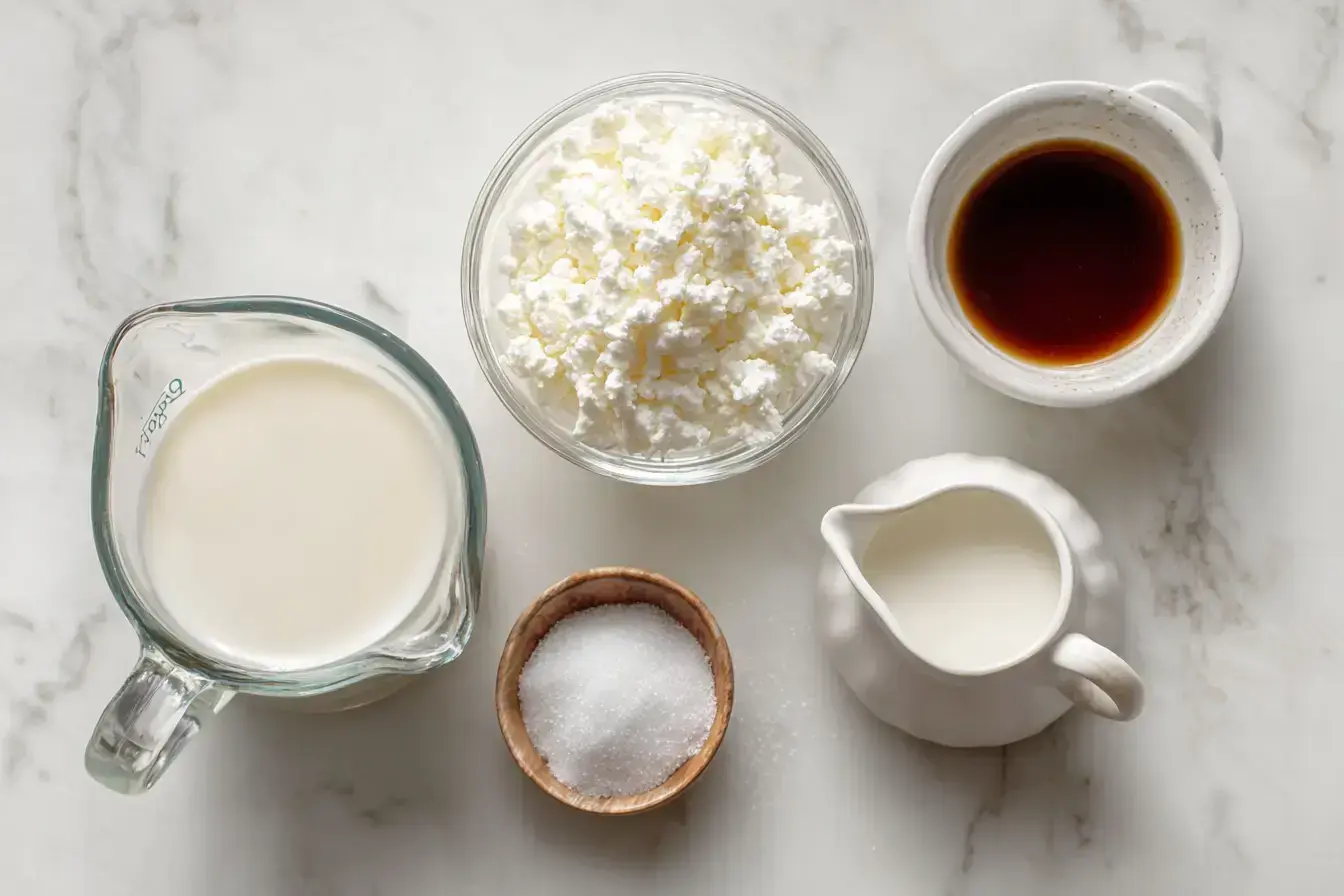
Now, don’t you worry about the clock, my dear. This entire process is a gentle, hands-off affair that takes about 45 minutes from start to finish. Your active time is a mere 5 minutes of preparation before you let nature do its work.
The gentle heating and resting take another 40 minutes, making this fresh cottage cheese recipe a perfect project for a quiet morning or a peaceful evening. It’s far simpler than many yeast-based bread recipes and yields something wonderfully fresh for your efforts.
This recipe is naturally sugar-free and can be a fantastic, high-protein option for those managing their diet. The simplicity of the ingredients makes it easy to fit into a health-conscious lifestyle.
For those monitoring sodium, you can absolutely reduce the fine sea salt to your taste or even omit it until serving. The beauty of this homemade cottage cheese is that you control everything that goes into it, making it perfect for a low-sugar, high-protein dietary approach.
After a lifetime in the kitchen, I’ve learned a few secrets that make all the difference. Here is my generational wisdom for you.
Use a heavy-bottomed saucepan to prevent the milk from scorching on the heat. This is non-negotiable for a smooth result. If you desire a richer, tangier flavor, you can substitute buttermilk for a portion of the vinegar. For a drier curd, let the cheesecloth bundle drain a few minutes longer. And remember, the gentle stir is key. You want fluffy clouds, not a tough mess. This careful technique is just as important as in our perfect mac and cheese. For another great use of simple, fresh ingredients, try your hand at these incredibly easy baked eggs.
This homemade cottage cheese is a true nutritional powerhouse, made with love. It’s an excellent source of high-quality protein and calcium, which are essential for strong bones and muscles. It also provides important nutrients like phosphorus and B vitamins.
Because you make it yourself, you avoid the stabilizers and excess sodium often found in commercial products. This focus on whole foods is a cornerstone of healthy cooking, much like the philosophy behind our wholesome broccoli cheddar soup. For a deeper understanding of cheese nutrition, the resource at Healthline is quite thorough. And if you love cheese for breakfast, our protein-packed meatloaf is another family favorite.
If you’re looking to lighten things up, you can use 2% milk instead of whole milk. The texture will be slightly less rich, but you’ll still achieve lovely curds. You can also skip the heavy cream entirely for a more traditional, leaner style of cheese.
For a different twist on a light, cheesy dish, my family often enjoys this simple orzo recipe that feels indulgent without being heavy.
I remember my Nonna enjoying a bowl of fresh cottage cheese with a drizzle of honey and some cracked black pepper for breakfast. It was her perfect start to the day. This versatility is what makes it so special.
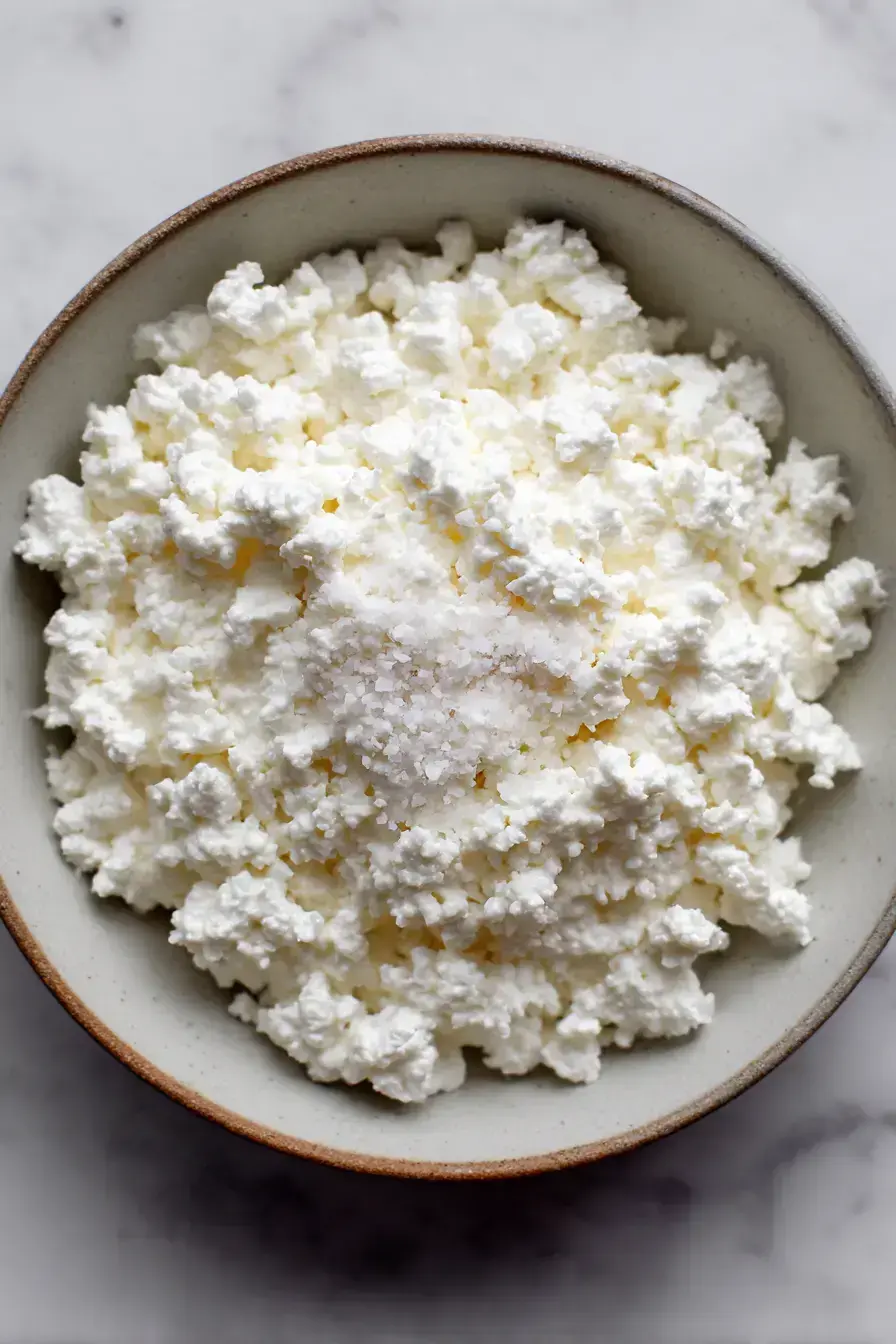
Enjoy it sweet with fresh berries and a touch of vanilla, or savory on crispbread with chives. It’s magnificent in lasagna instead of ricotta or simply scooped onto a salad. For a heartier meal, it pairs beautifully with the flavors in our savory broccoli cheddar wraps. And if you have a sweet tooth, consider using it as a base for a cheat-style no-bake cheesecake filling.
Even with a simple recipe, a little know-how prevents frustration. Here’s how to ensure success every time.
Why is my cottage cheese tough? Over-stirring or squeezing the curds too aggressively is usually the culprit. Handle them with a gentle touch. How to prevent a weak curd? Ensure your milk is the right temperature—too cool and it won’t separate fully. Why is my cheese too tangy? Measuring the vinegar accurately is key; too much will overpower the delicate milk flavor. Remember, patience is your friend, just like when perfecting a flaky biscuit recipe. For more universal baking tips that apply here, Bon Appétit has a great guide. And if you love cheesy rolls, the technique in our garlic roll recipe also requires a light hand.
We always made a batch to last the week. Transfer your cooled cottage cheese to an airtight container. It will keep beautifully in the refrigerator for up to 5 days. The flavor even improves slightly after a day!
I do not recommend freezing it, as the texture becomes watery and grainy upon thawing. It’s best enjoyed fresh, much like other dairy-based delights such as these no-bake cheesecake bars.
There is something truly magical about transforming milk into cheese on your stovetop. It connects us to generations of cooks who valued simplicity and wholesomeness. This creamy cottage cheese recipe is a testament to that timeless tradition.
I encourage you to try it. Feel the satisfaction of creating something pure and delicious from scratch. Share it with your family, and maybe one day, you’ll pass the recipe down to your grandchildren, just as I have to you. From our table to yours, I hope this homemade Cottage Cheese becomes a staple in your home as well. For more cheesy inspiration, explore our classic cheese fondue, our ultimate baked mac and cheese, or even a fun dessert like these mini cheesecake bombs.
If you loved making this homemade staple, you’ll adore these other comforting, cheesy recipes from our family kitchen.
Mini Cheesecake Bombs – A delightful, bite-sized treat that’s perfect for parties and satisfies any sweet craving.Cottage cheese is made from the curds of cultured milk, resulting in its characteristic lumps. Ricotta is traditionally made from reheating the whey left over from other cheese making, giving it a smoother, finer, and slightly grainy texture. This homemade cottage cheese is more distinct and less uniform.
Yes, you can absolutely substitute an equal amount of fresh lemon juice for the distilled white vinegar. The lemon will impart a very subtle, bright citrus note to your final cottage cheese, which can be a lovely variation.
The most common reason is the milk wasn’t hot enough. Ensure it reaches 120°F. Using ultra-pasteurized milk can also prevent proper curdling, as the proteins have been altered to withstand high heat. Always check your milk label.
For a creamier cottage cheese, you can stir a tablespoon or two of the reserved whey or a splash of milk back into the finished curds after salting. This helps moisten them and creates a saucier consistency that many people enjoy.

Welcome to Mac Recipes! I'm here to prove that amazing home-cooked meals don't need to be complicated. From weeknight dinners to weekend treats, I create recipes that fit into your busy life—delicious, doable, and always worth making.
More About Me