Moist Sweet Banana Bread
This post may contain affiliate links.
Read our Disclaimer.
Leave a Comment ★★★★★

Hello, my dear friends. It’s Olivia here, welcoming you back to my kitchen, a place that holds as many memories as my heart. Today, I’m sharing a recipe that feels like a warm hug on a chilly afternoon: my classic, moist banana bread. This isn’t just any banana bread recipe; it’s a page from my own life, a tradition passed down from my grandmother in Burgundy to my mother’s kitchen in the States, and now to you. The scent of ripe bananas and vanilla baking in the oven transports me instantly to simpler times. This easy banana bread is a testament to the beauty of homemade banana bread, a simple joy we can all create. Let’s bake together and fill our homes with that unmistakable, comforting aroma.

Table of Contents
After decades of baking, I firmly believe this is the best banana bread recipe you’ll find. Its magic lies in a perfect balance of flavor and texture. First, we use brown sugar instead of white for a deeper, caramel-like sweetness that complements the bananas beautifully. Second, we cream the butter and sugar properly to incorporate air, which gives the loaf a tender crumb. Finally, the secret to that legendary moisture is, of course, an abundance of those wonderfully overripe bananas. This method creates a loaf that is dense yet soft, sweet but not cloying, and utterly irresistible straight from the oven or toasted the next day.
There’s something profoundly satisfying about making a simple banana bread from scratch. Unlike a boxed mix, you control every element, from the quality of the butter to the ripeness of your fruit. This process connects us to a long tradition of home bakers. Moreover, the act of mashing bananas, creaming butter, and folding in flour is a form of meditation, a wonderful way to slow down and create something tangible and delicious with your own hands. The result is a genuine, homemade banana bread filled with love and intention.
This easy banana bread recipe is incredibly forgiving, making it perfect for bakers of all skill levels. The steps are straightforward, and the ingredients are pantry staples you likely already have. You don’t need any special equipment beyond a couple of bowls and a loaf pan. Whether you’re a seasoned pro or a nervous beginner, this guide will walk you through how to make banana bread that turns out perfectly every single time. Trust me, if I can do it with my two cats weaving between my ankles, so can you!
Using high-quality, fresh ingredients is the first step toward baking a phenomenal loaf. Let’s walk through each component and its role in creating our masterpiece. Each element works in harmony, so I don’t recommend skipping or substituting without reason. For a truly special treat, consider pairing your slice with a cup of tea and one of these decadent maple donut bars for the ultimate afternoon indulgence.
Our dry mix forms the structural base of the bread. All-purpose flour provides the perfect protein content for a soft, cake-like crumb that isn’t too tough. Baking soda is our leavening agent; it reacts with the acidic bananas to create bubbles of carbon dioxide, which makes the bread rise. A mere quarter teaspoon of salt is crucial; it doesn’t make the bread salty but instead enhances all the other flavors and balances the sweetness. Whisking these together first ensures they are evenly distributed throughout the batter.
This is where the richness and moisture come from. Unsalted butter, softened to room temperature, creams with packed brown sugar to create a light, fluffy base that traps air. Brown sugar contributes molasses notes for a more complex taste than white sugar. Room-temperature eggs emulsify into the fat, creating a stable and smooth batter. Vanilla extract adds a warm, aromatic background note that makes the entire kitchen smell divine. It’s a classic flavor combination, much like the one found in these fabulous fudgy chewy brownies.
Let’s talk about the star ingredient: the bananas! This is not the time for bright yellow, just-bought fruit. For the deepest flavor and natural sweetness, you need bananas that have gone far beyond their prime. I keep a spot on my counter specifically for bananas destined for bread. When they become too speckled for cereal, their destiny is sealed for a much greater purpose. This patience is rewarded with the most flavorful and moist banana bread imaginable.
You’re looking for bananas that are heavily covered in brown spots, with blackened peels, and they should feel very soft to the touch. The skin might even be leaking a little juice. This indicates that the starches inside have fully converted to sugars, which means maximum sweetness and a stronger banana flavor. If your bananas are still too yellow, you can speed up the ripening process by placing them in a brown paper bag on the counter for a day or two. Don’t worry if they seem almost too far gone; for banana bread, that’s actually perfect.
To mash them, I simply peel the bananas and use a fork in a bowl until they form a chunky puree. You can also use a potato masher for quicker results. Avoid using a blender or food processor, as this can make the bananas too liquidy. The recipe calls for 2 1/3 cups of mashed banana, which is typically about 4 to 5 large overripe bananas. It’s always best to measure after mashing to ensure accuracy. This mashed banana is what gives our loaf its signature dense, tender texture and incredible moisture.
Now for the fun part: bringing it all together! Follow these steps closely for a foolproof baking experience. First, always remember to preheat your oven to 350°F (175°C) and prepare your 9×5-inch loaf pan by greasing it thoroughly with butter or non-stick spray. This prevents sticking and ensures your beautiful loaf releases cleanly. I like to add a parchment paper sling for extra insurance, but it’s not strictly necessary if your pan is well-greased.

In a large bowl, cream the softened butter and brown sugar together with an electric mixer on medium speed for 2-3 minutes. This step is vital for incorporating air, so don’t rush it! The mixture should become pale and fluffy. Then, beat in the eggs one at a time, ensuring each is fully incorporated before adding the next. Finally, mix in the mashed bananas and vanilla extract until just combined. In a separate bowl, you’ll have your whisked dry ingredients ready. Gradually add the dry mixture to the wet ingredients, mixing on low speed or folding by hand with a spatula until the flour disappears.
Once the flour is incorporated, stop mixing! Overmixing develops gluten in the flour, which can lead to a tough, rubbery bread. If you’re adding nuts, like walnuts, now is the time to gently fold them in. Then, pour the thick batter into your prepared loaf pan. Use a spatula to spread it evenly into all the corners and smooth the top. For a pretty finish, you can sprinkle a few extra chopped nuts or a tablespoon of brown sugar on top before baking. This creates a delightful crunchy crust. The process is simple yet rewarding, much like making a batch of these comforting peach upside down cakes.
Place your loaf pan in the preheated oven on the center rack. Bake for 60 to 65 minutes. Oven temperatures can vary, so start checking around the 55-minute mark. The top should be a deep golden brown, and the edges will have started to pull away slightly from the sides of the pan. The most reliable test is the toothpick test. Insert a toothpick, wooden skewer, or cake tester into the very center of the loaf. It should come out clean, with no wet batter clinging to it. A few moist crumbs are okay, but it should not be wet.
If you notice the top of your banana bread browning too quickly before the center is done, don’t panic! Simply tent a piece of aluminum foil loosely over the top for the remainder of the baking time. This will shield the top from direct heat and prevent it from burning while allowing the center to continue cooking through. This is a common trick I use for many loaves and cakes, ensuring everything bakes evenly without sacrificing that beautiful crust.
This might be the hardest part: patience! When the bread is done, remove it from the oven and let it cool in the pan on a wire rack for exactly 10 minutes. This allows the structure to set slightly. Then, run a knife around the edges to loosen it and carefully invert it onto the wire rack to cool completely. Slicing into warm banana bread is tempting, but it will be gummy and prone to crumbling. Allowing it to cool completely gives the crumb time to firm up, resulting in neat, perfect slices. The wait is absolutely worth it.
Once fully cooled, your banana bread is ready to enjoy! I love a thick slice all on its own, but it’s also incredible lightly toasted and slathered with butter. For a real treat, try it with a smear of cream cheese or a drizzle of honey. It pairs wonderfully with coffee in the morning or as a sweet ending to a meal. If you’re looking for another fantastic make-ahead dessert, you must try my recipe for churro cheesecake; it’s always a crowd-pleaser.
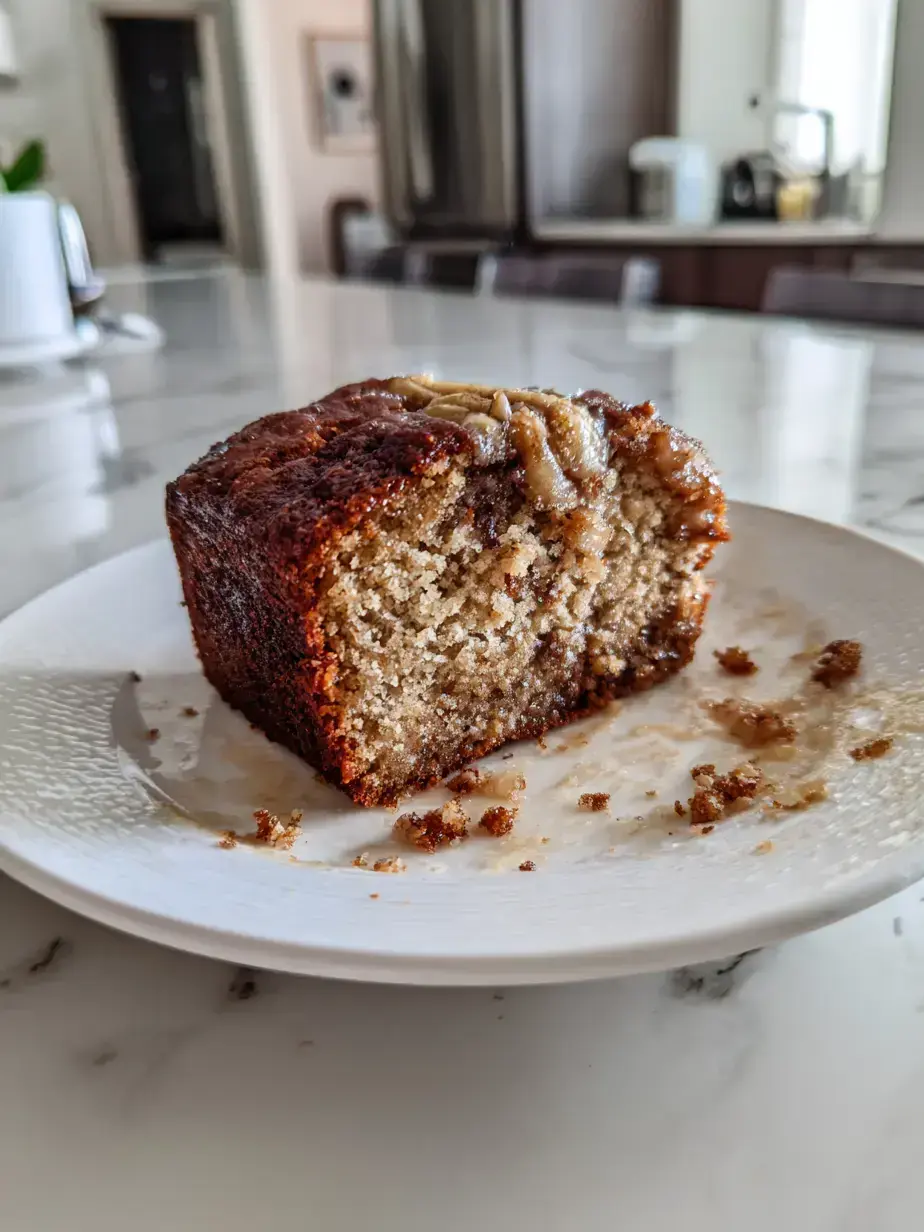
To keep your moist banana bread fresh, store it properly once cooled. Wrap the entire loaf tightly in plastic wrap or aluminum foil, or place it in an airtight container. It will stay fresh at room temperature for about 2 days. For longer storage, I recommend refrigerating it for up to a week. The refrigerator will dry it out slightly, so bringing a slice to room temperature or toasting it before eating is best. You can also refresh a whole loaf by warming it in a 300°F oven for 10 minutes.
This bread freezes beautifully! Wrap the completely cooled loaf (or individual slices) tightly in plastic wrap and then a layer of foil. Place it in a freezer bag, and it will keep for up to 3 months. Thaw overnight in the refrigerator or on the counter for a few hours. You can even toast frozen slices straight from the freezer. This is a fantastic way to always have a healthy banana bread option on hand for unexpected guests or a quick snack. It’s as convenient as having a batch of these ready-to-eat peanut butter bars in the freezer.
While the classic version is timeless, sometimes it’s fun to mix things up! This base recipe is wonderfully adaptable. For a decadent twist, my family adores chocolate chip banana bread. Simply fold in a cup of semi-sweet or dark chocolate chips along with the walnuts (or instead of them). The melted chocolate pockets take this humble loaf to a whole new level of indulgence. It satisfies a chocolate craving in the most delightful way.
For a traditional banana nut bread, walnuts are my go-to, but pecans are a delicious alternative. If you need a banana bread without eggs, you can try a flax egg substitute. For a vegan banana bread, use a plant-based butter and egg substitute, and ensure your sugar is vegan. To make a gluten free banana bread, swap the all-purpose flour for a 1:1 gluten-free baking blend. Each variation might require slight adjustments in baking time, so keep an eye on it. The versatility of this recipe is its superpower!
Don’t stop there! Feel free to get creative with your add-ins. A teaspoon of cinnamon or pumpkin pie spice adds wonderful warmth. Dried cranberries or blueberries can provide a tart contrast to the sweetness. For a tropical vibe, stir in a half cup of shredded coconut or chopped macadamia nuts. If you love the combination of banana and chocolate, you might also adore the flavors in this incredible brown butter brookie recipe. The possibilities are nearly endless!
Even with a great recipe, sometimes things happen. Here’s how to solve common banana bread problems. If your bread is sinking in the middle, it’s likely underbaked, the oven temperature was too low, or there was too much leavening or banana relative to the flour. Next time, ensure your oven is fully preheated and use an oven thermometer to check its accuracy. Also, double-check your measurements, especially for baking soda.
If your bread turns out dry, it may have been overbaked or had too much flour. Always spoon your flour into the measuring cup and level it off; scooping packs it down and adds too much. If it’s too dense or gummy, you probably overmixed the batter after adding the flour, which over-develops the gluten. Mix until just combined, and don’t worry about a few lumps. They will work themselves out in the oven. A dense texture can also mean your bananas weren’t ripe enough.
A burnt top is usually due to the oven rack being too high or the oven running hot. Always bake on the center rack and use the foil tenting trick if needed. A soggy bottom occurs if the bread cools in the pan for too long, trapping steam. Stick to the 10-minute cooling time before turning it out. Using a dark metal pan can also cause the bottom to over-brown; if this is a persistent issue, consider lowering your oven temperature by 25 degrees. For more baking inspiration, check out my guide to the best fall cake recipes for seasonal ideas.
Absolutely! Thaw frozen bananas completely at room temperature or in the microwave. They will release a lot of liquid, which is fine. Just include all the liquid when you mash them and add it to your batter. It actually makes for an incredibly moist loaf.
Yes, this batter works perfectly for muffins. Divide the batter into a lined muffin tin, filling each cup about 2/3 full. Bake at the same temperature for 20-25 minutes, or until a toothpick comes out clean.
A crack down the center is completely normal and even desirable for many quick breads! It indicates a good rise and is a classic sign of a well-baked loaf. It’s nothing to worry about.
You can, but keep in mind sugar contributes to moisture and browning. Reducing it by up to a quarter cup should be fine, but any more may affect the texture and make the loaf more dense.
Pecans are a wonderful substitute. If you want to avoid nuts altogether, you can leave them out completely or replace them with an equal amount of chocolate chips, oats, or even seeds like sunflower seeds.
This usually means your oven was too hot, causing the outside to bake too quickly before the heat penetrated the center. Use an oven thermometer to verify your oven’s temperature accuracy for next time.
This banana bread is more than just a recipe; it’s a keeper of memories, a simple pleasure, and a testament to the magic that happens in our kitchens. It’s about taking something simple, like overripe fruit, and transforming it into a loaf of pure comfort. I hope this guide gives you the confidence to bake this classic and make it your own. So gather those spotty bananas, preheat your oven, and create something wonderful. I’d love to hear how your loaf turns out. Happy baking, from my kitchen to yours!

Welcome to Mac Recipes! I'm here to prove that amazing home-cooked meals don't need to be complicated. From weeknight dinners to weekend treats, I create recipes that fit into your busy life—delicious, doable, and always worth making.
More About Me