Homemade Goat Cheese Recipe
This post may contain affiliate links.
Read our Disclaimer.
Leave a Comment ★★★★★
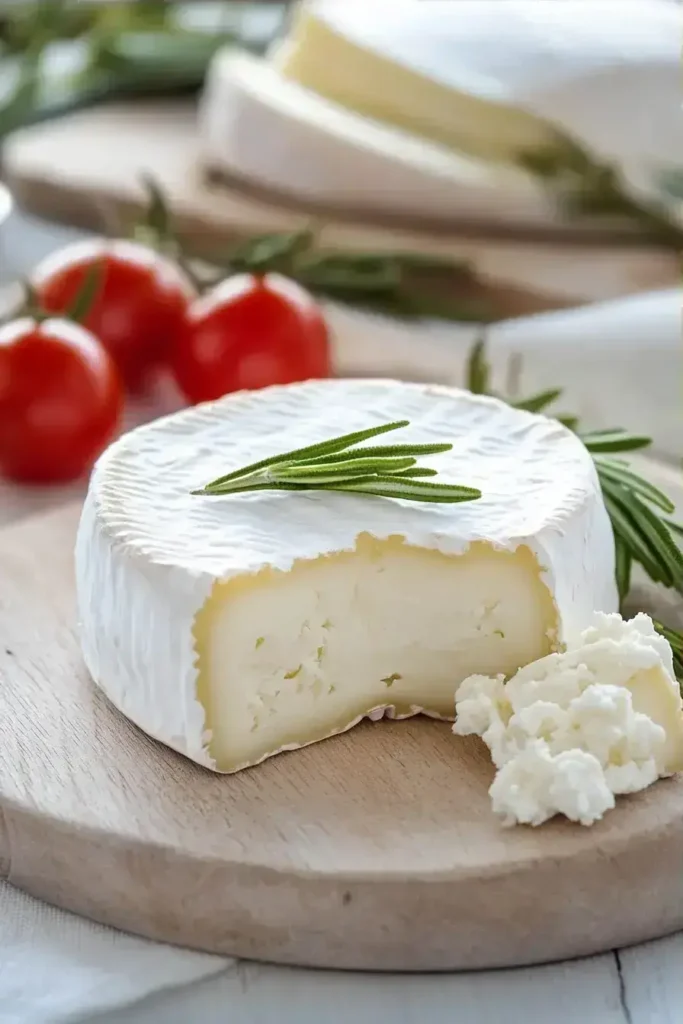
Making your own Goat Cheese at home is a surprisingly simple way to bring bold international flavors to your kitchen with zero fuss. This easy cheese recipe requires just a few ingredients and a little patience, rewarding you with a creamy, tangy homemade goat cheese that’s far superior to store-bought versions.
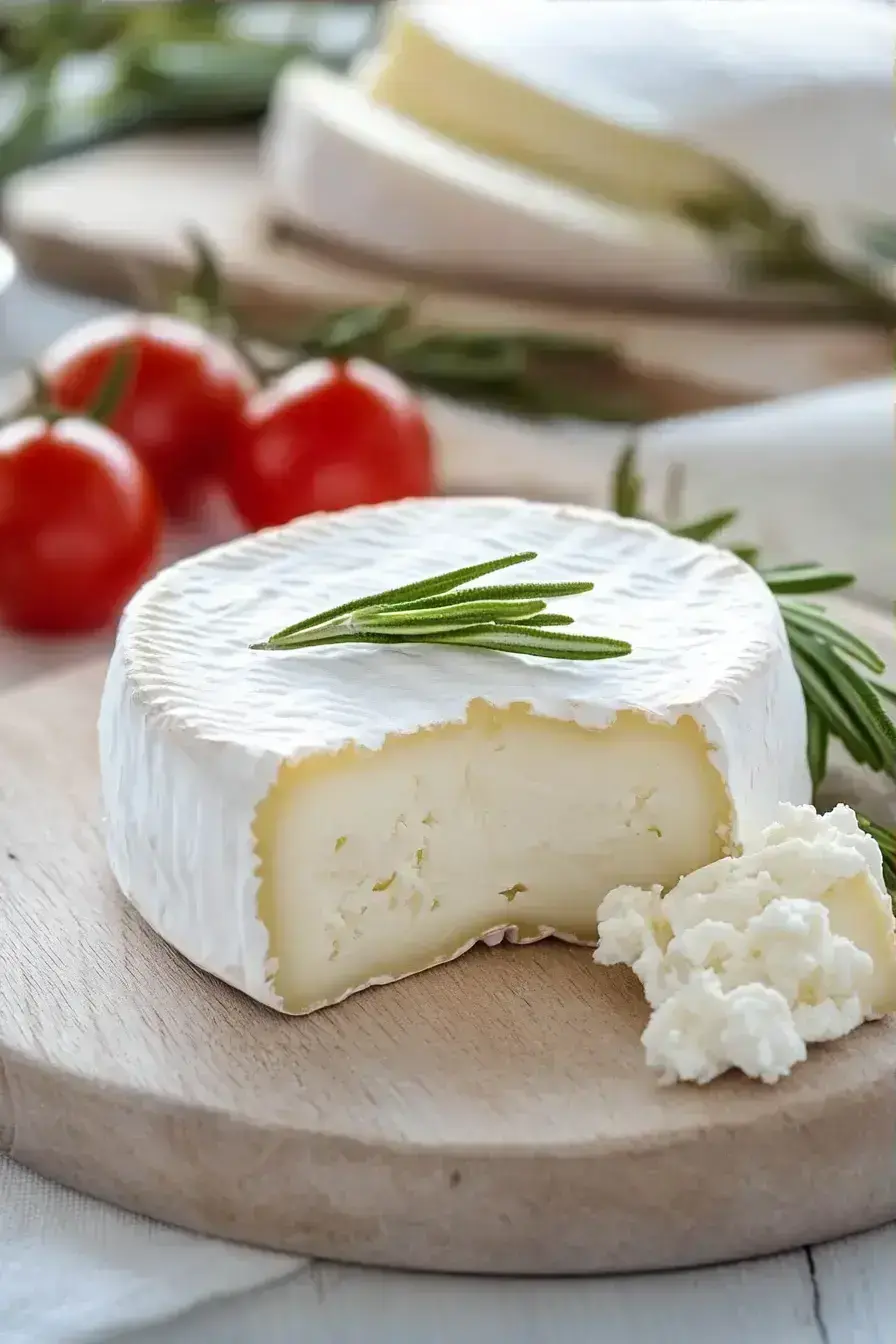
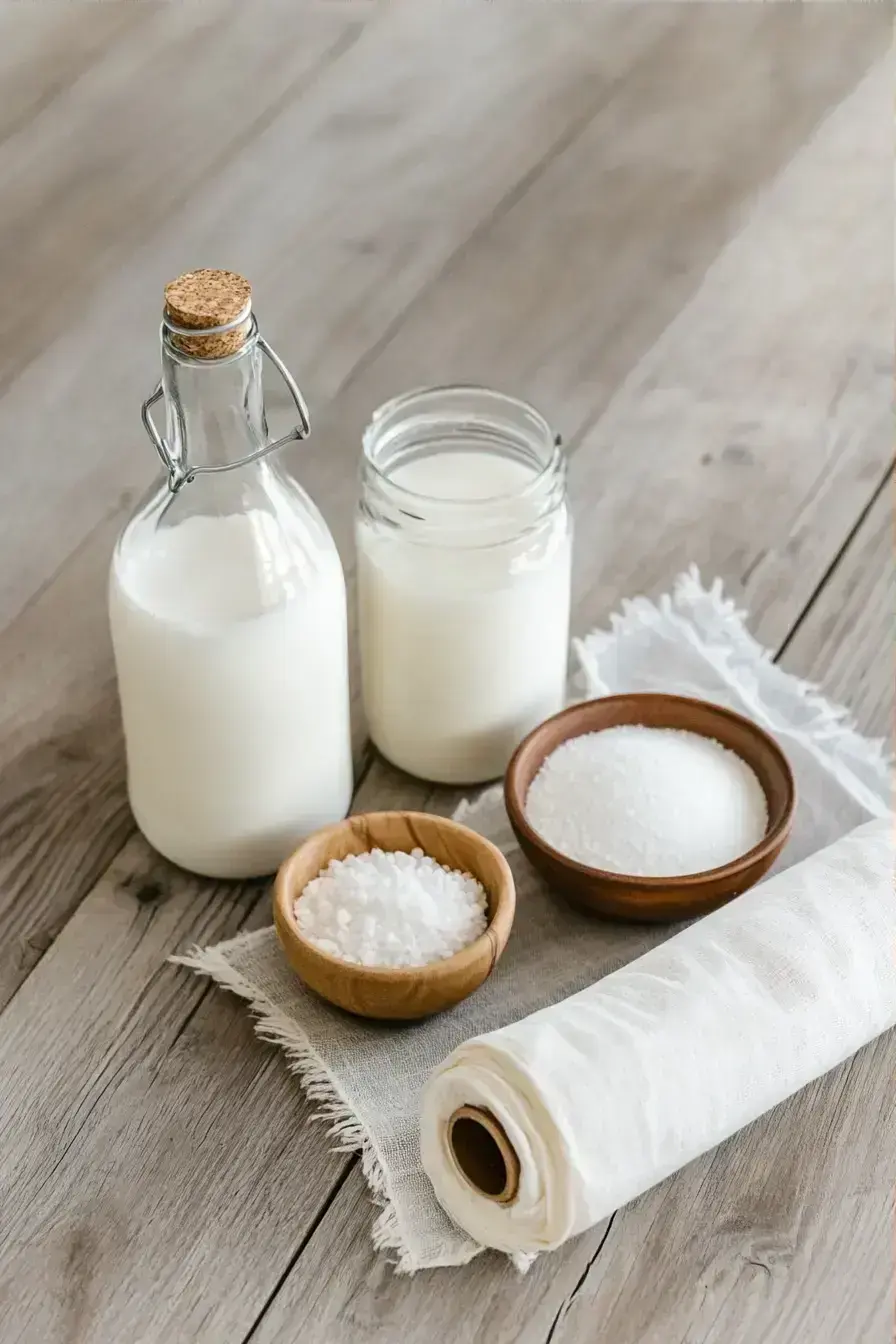
I love that this homemade goat cheese comes together in about 35 minutes of total time. With just 15 minutes of active prep and 20 minutes of gentle heating and resting, it’s a project that fits into a busy week. You’ll be amazed that such a flavorful cheese can be ready so quickly.
This is the perfect easy cheese recipe for a weekend when you want to feel accomplished in the kitchen without spending all day there. The hands-off time is ideal for prepping a salad or some crusty bread to go with your creation. For another quick and impressive dish, you might enjoy our Grilled Chicken Caprese.
As someone who loves flavor but is also health-smart, I appreciate recipes that can be easily adapted. This goat cheese is naturally lower in lactose than cow’s milk cheeses, which is a great starting point. For those who are sugar-conscious, remember that this is a savory cheese, so no added sugar is necessary.
If you’re looking for a dairy free alternative, you can apply similar acid-curdling techniques to nut milks. For portion control, which is helpful for glycemic management, shape the cheese into small individual disks.
After making this recipe countless times, I’ve picked up a few spice shortcuts that make a world of difference. Here’s how I get the most out of my fresh cheese making.
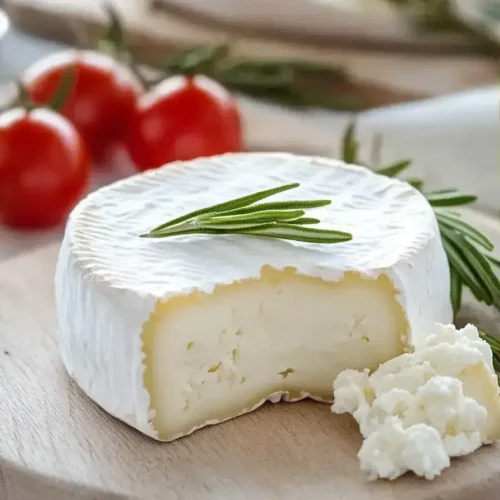
Goat cheese isn’t just about bold flavors; it’s also a nutritious choice. Goat milk cheese is often easier to digest for some people compared to cow’s milk cheese due to its different protein structure. It’s a good source of protein and calcium, essential for bone health.
Additionally, it provides important nutrients like phosphorus and vitamin A. When you make it at home, you control the salt, allowing you to keep the sodium content in check. For another recipe that celebrates wholesome, health-conscious ingredients, try our Strawberry Swirl Cheesecake with a nut-based crust. According to a Harvard Health publication, goat’s milk is a valuable source of key nutrients. You can also use your homemade cheese in a lighter cheesecake bar for a nutritious treat.
If you’re looking to reduce the fat content, you can experiment with using low-fat goat milk. The process remains the same, though the final yield might be slightly less. For a completely different but equally delicious dairy-free spread, blending soaked cashews with lemon juice and nutritional yeast creates a fantastic vegan alternative.
This versatile approach to fresh cheese making allows you to tailor the recipe to your dietary needs. For a sweet application of a creamy cheese, check out our Mini Cheesecake Bombs.
I love taking my freshly made goat cheese and creating a simple yet elegant plate. There’s nothing like the pride of serving something you made from scratch. My favorite way is to drizzle it with honey and sprinkle with thyme, then serve it with warm, crusty bread.
It’s my go-to appetizer when friends come over because it feels gourmet but was so simple to prepare. Crumble it over a salad with roasted beets and walnuts, or spread it on crackers for a quick snack. The possibilities are endless, making it a staple in my kitchen.
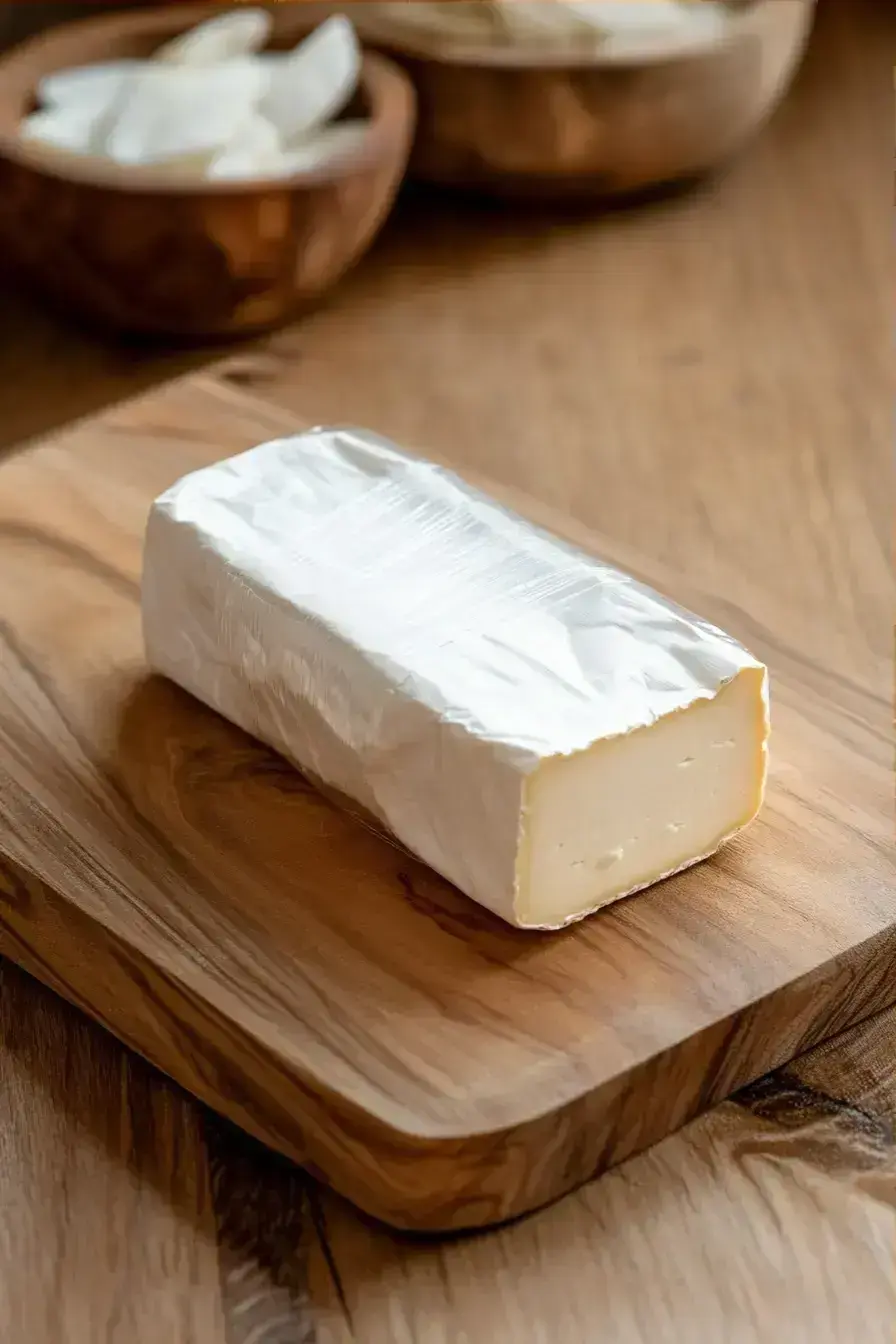
Even an easy cheese recipe has its pitfalls. The most common issue is not heating the milk to the correct temperature. If it doesn’t reach a full 180°F, the curds won’t form properly. Use a thermometer for accuracy.
Another mistake is stirring too vigorously after adding the vinegar. You want to gently incorporate it, then let science do its work undisturbed. Pouring the curds too quickly into the cheesecloth can cause splashing and loss of your precious cheese. Finally, salting the curds before they are adequately drained can draw out too much moisture, leading to a dry cheese. For more on perfecting cheesy dishes, see our tips for creamy mac and cheese. A resource like Cheese Science Toolkit explains the chemistry beautifully. I learned the hard way that patience is key, much like when waiting for a perfect loaf of bread to rise.
I always make a double batch because homemade goat cheese stores beautifully. Place the finished cheese in an airtight container in the fridge, where it will keep for up to a week. For longer storage, you can freeze it for up to three months, though the texture may become more crumbly upon thawing, making it ideal for sprinkling over dishes.
I like to wrap the log tightly in parchment paper before placing it in a container to prevent it from sticking. This method has never failed me, ensuring I have this flavorful cheese on hand whenever I need it.
I remember the first time I successfully made goat cheese at home; it felt like a culinary superpower. The process is almost magical, and the result is so rewarding. It connects you to a tradition of fresh cheese making that spans the globe.
This recipe is your invitation to experience that joy. The flavor of warm, fresh Goat Cheese straight from your kitchen is unparalleled. Once you try it, you’ll be hooked. For more cheesy inspiration, explore our ultimate mac and cheese, these irresistible cheesy garlic rolls, or a stunning charcuterie board to showcase your creation.
If you loved the process of making your own cheese, you’ll adore these other recipes that celebrate creamy, cheesy goodness. They’re perfect for turning a simple meal into something special.
Cheese Charcuterie Board Ideas – Create a stunning spread that will impress any guest.
Cheesy Loaded Meatloaf – Comfort food at its finest, with a surprise cheesy center.
Mini Cheesecake Bombs – Bite-sized desserts that are impossible to resist.
Strawberry Cheesecake Cookies – All the flavor of cheesecake in a soft, portable cookie.
Goat cheese is primarily made from goat milk. In this easy cheese recipe, we use an acid like vinegar to separate the milk into solid curds and liquid whey. The curds are then drained and salted to create the final fresh cheese. It’s a straightforward process that yields a delicious, tangy product.
While the technique is similar, using cow’s milk will result in a different flavor and texture, creating a simple farmer’s cheese instead of authentic goat cheese. The distinct tanginess of goat milk cheese comes from the unique properties of the milk itself. For a true goat cheese experience, stick with goat milk.
When stored properly in an airtight container in the refrigerator, your homemade goat cheese will stay fresh for about one week. Always check for any off smells or mold before consuming. For longer storage, freezing is an option, though it may alter the texture slightly.
No, traditional goat cheese is not dairy-free as it is made from animal milk. However, it is often better tolerated by those sensitive to cow’s milk. For a true dairy free alternative, you would need to use plant-based milks like almond or cashew milk with a similar acid-curdling method.

Welcome to Mac Recipes! I'm here to prove that amazing home-cooked meals don't need to be complicated. From weeknight dinners to weekend treats, I create recipes that fit into your busy life—delicious, doable, and always worth making.
More About Me