Quick Homemade Pickled Asparagus Recipe
This post may contain affiliate links.
Read our Disclaimer.
Leave a Comment ★★★★★
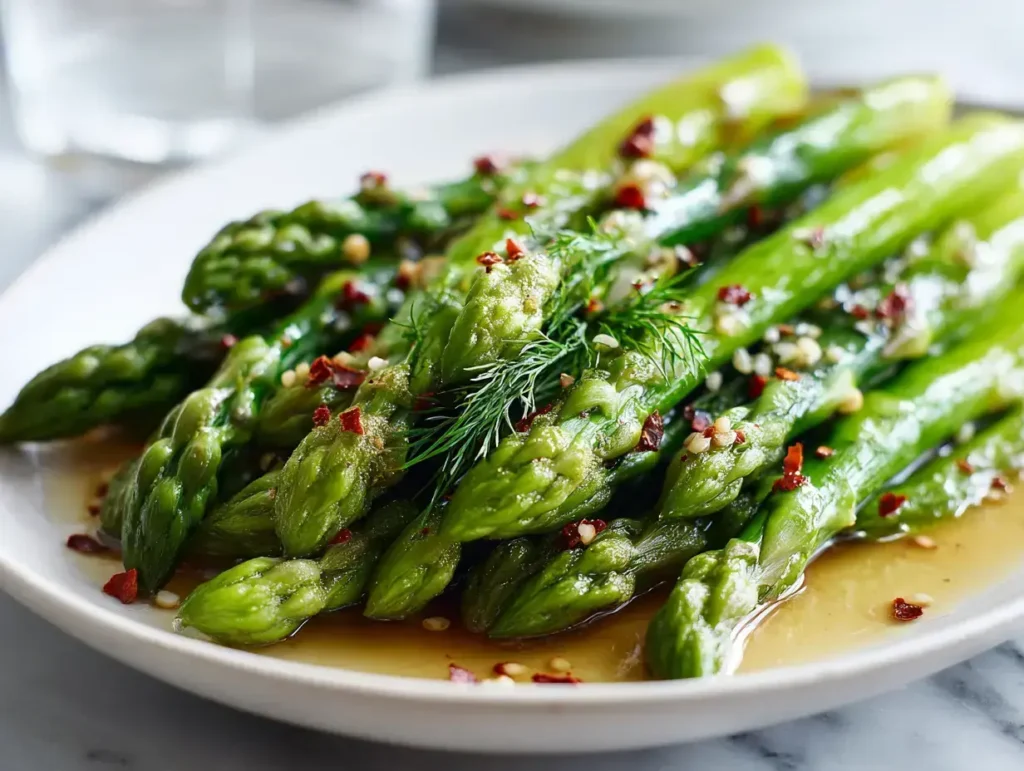
This Pickled Asparagus Recipe Quick Homemade delivers restaurant-quality asparagus pickles with minimal effort, perfect for elevating your charcuterie board or enjoying as a tangy snack.
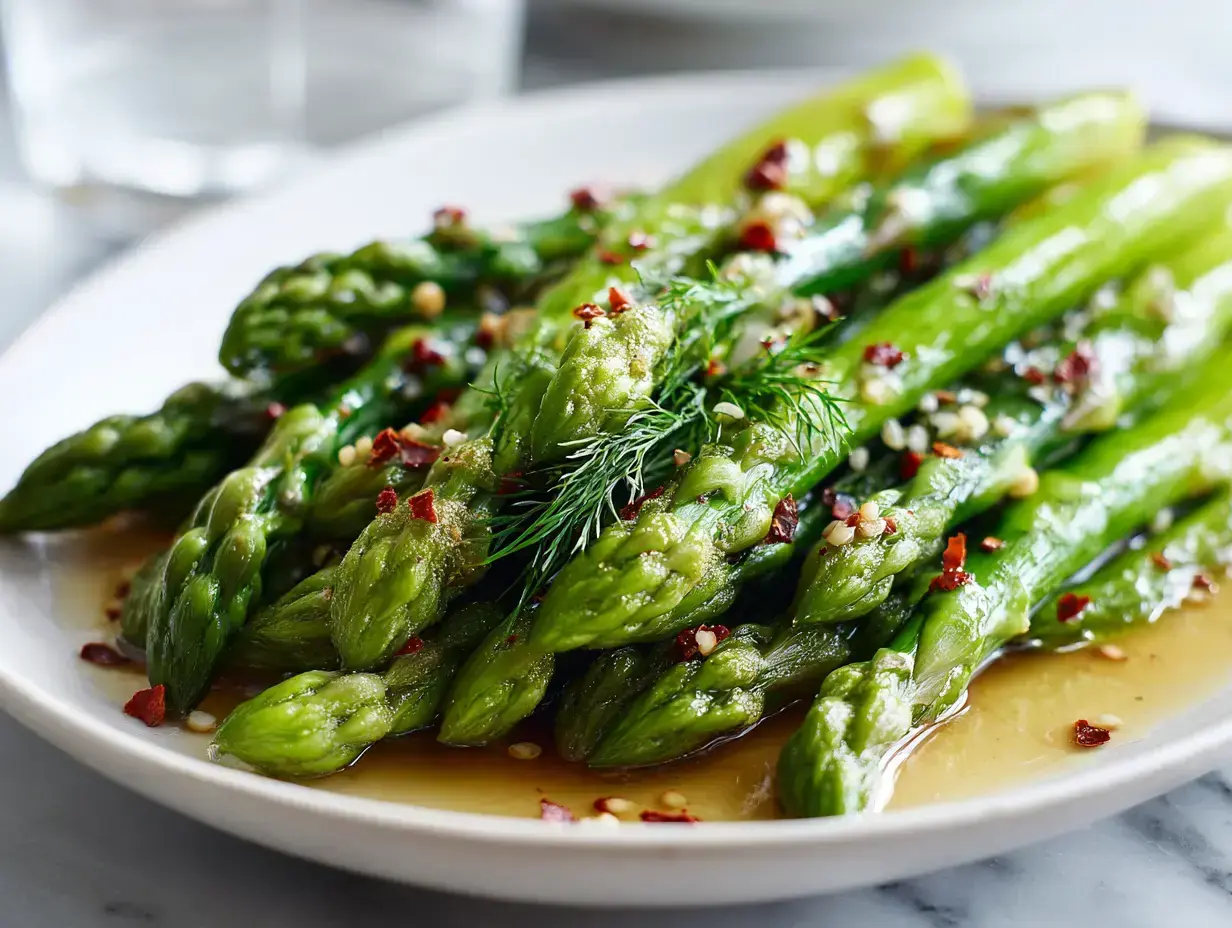
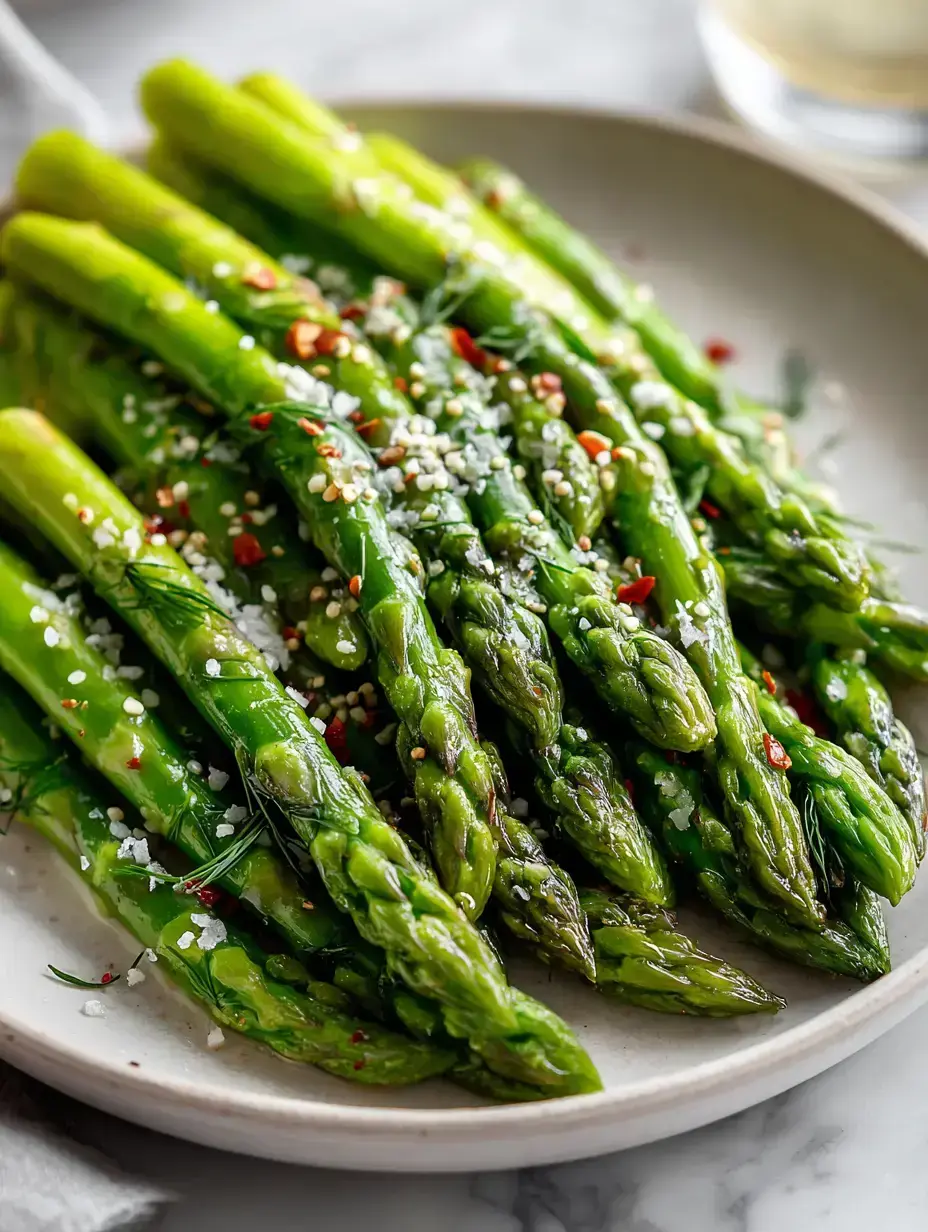
As a professional chef, I appreciate recipes that respect your time. This quick pickled asparagus recipe is a perfect example. With just 20 minutes of prep and 10 minutes of cook time, you can have jars of homemade pickled asparagus ready for the fridge in about half an hour.
The hands-on work is minimal. You’ll spend most of your time trimming the asparagus and packing the jars. The brine comes together in minutes on the stove. Since this is a refrigerator method and not a full asparagus canning recipe, you skip the lengthy processing time, making it an incredibly accessible project for any home cook.
I often get questions about adapting recipes for specific dietary needs, and this one is quite flexible. For a truly sugar-free version, you can replace the granulated sugar with a natural sweetener like stevia or xylitol. Just be sure to use a brand that measures 1:1 with sugar to maintain the brine’s balance.
Another great option for those monitoring their sugar intake is to simply reduce the sugar by half. The pickles will be tangier, which many people prefer. The recipe is naturally low in carbohydrates, making it a great choice for a diabetic-friendly snack or garnish.
After years of pickling everything from cucumbers to green beans, I’ve learned a few secrets that guarantee success. Here are my top tips for getting restaurant-quality results in your own kitchen.
This quick pickled asparagus recipe isn’t just delicious; it’s also a nutritious addition to your diet. Asparagus is a fantastic source of fiber, folate, and vitamins A, C, and K. The pickling process preserves these nutrients, making it a healthy snack option.
Compared to store-bought versions, this homemade pickled asparagus allows you to control the sodium and sugar content. You can easily adjust the recipe to suit your dietary needs. The vinegar base may also offer probiotic benefits, supporting gut health. For another healthy vegetable side dish, try my roasted broccoli recipe or these flavorful roasted Brussels sprouts.
According to a USDA study, fermented foods can contribute to a healthy microbiome. While this is a quick-pickle method, it still offers some of these benefits.
If you’re looking to lighten up this recipe even further, it’s easily adaptable. You can reduce the sugar by half without compromising the flavor profile significantly. The pickles will be more tart, which many people enjoy.
For a different vegetable option with a similar crisp-tangy appeal, my roasted garlic cabbage steaks offer a delicious low-carb alternative. The key to any lighter recipe is focusing on fresh, quality ingredients and balancing flavors without relying on excess fats or sugars.
I love serving these pickled asparagus spears as part of an antipasto platter alongside cheeses and cured meats. They add a bright, acidic counterpoint to rich flavors. They’re also fantastic chopped up in potato salad or as a garnish for a Bloody Mary.
For a full meal, pair them with other vegetable-forward dishes like my classic tomato bruschetta or a simple corn dip for a light lunch or appetizer spread. The possibilities are nearly endless!
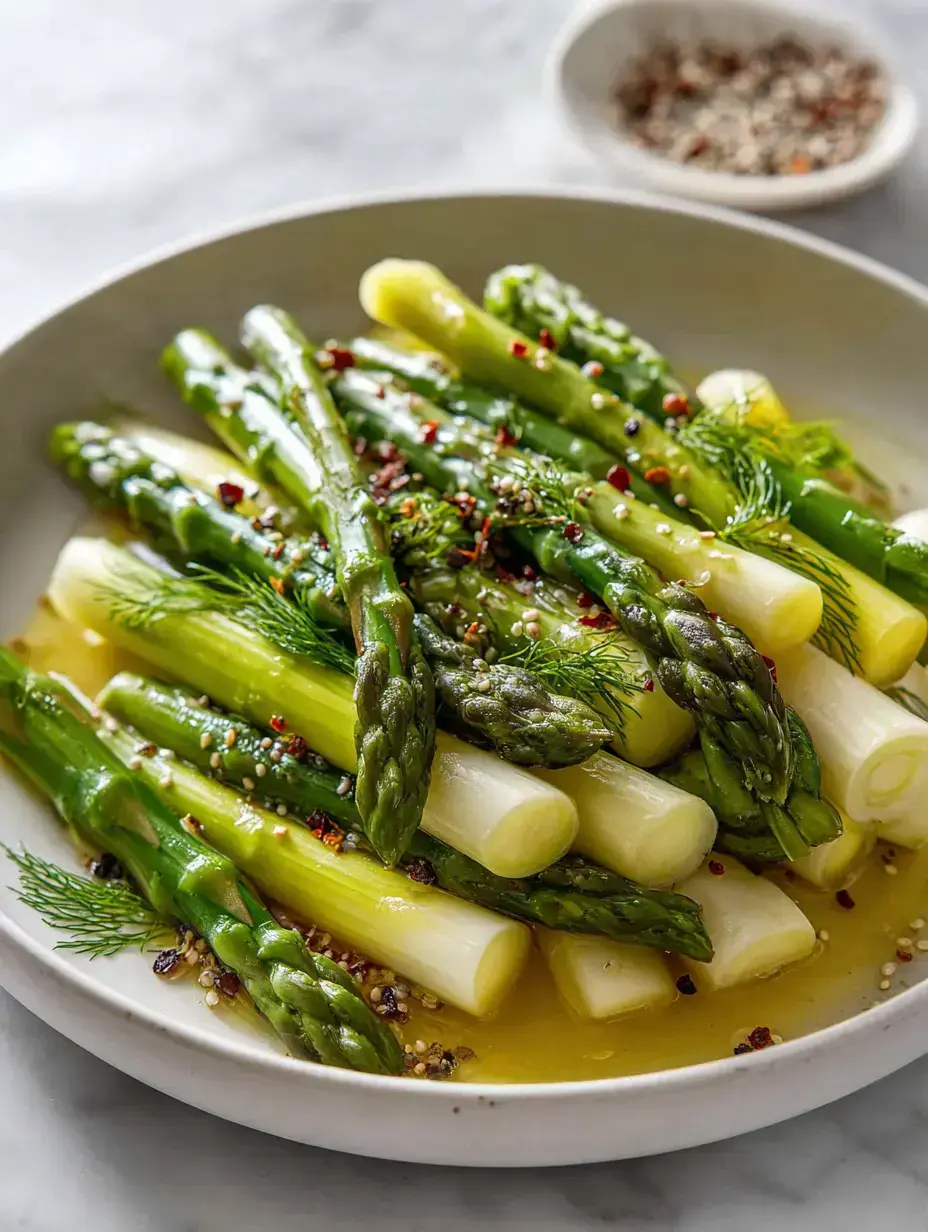
Even experienced cooks can run into issues with pickling. Here are the most common mistakes I see and how to avoid them for perfect asparagus pickles every time.
Why are my pickled asparagus soft? This usually happens if the asparagus is overcooked in the brine. Always remove the brine from heat as soon as it simmers. The residual heat is enough to pickle them without turning them mushy.
Why is my pickle brine cloudy? Cloudiness can come from using iodized salt or impurities in the spices. Always use pure kosher or pickling salt and high-quality, fresh spices for a clear brine.
How can I prevent my jars from leaking? Ensure the jar rims are perfectly clean before sealing. Any residue can prevent a proper seal. Also, don’t overtighten the lids; finger-tight is sufficient. For more on working with vegetables, see my tips for preparing Thanksgiving vegetables or avoiding common errors with holiday side dishes.
According to the National Center for Home Food Preservation, proper sterilization of jars is crucial for safety, especially for long-term storage.
Proper storage is key to maintaining the crisp texture of your homemade pickled asparagus. These refrigerator pickles will keep well for about 3-4 weeks when stored in the fridge. Always use clean utensils to remove spears from the jar to prevent contamination.
For a different storage-friendly dish, my labneh and burrata appetizer also holds up well for several days. The flavors in these pickles actually improve over the first week, so be patient for the best taste experience.
This quick homemade method delivers such superior flavor and texture compared to store-bought versions. I promise you’ll be amazed at how simple it is to create professional-quality asparagus pickles in your own kitchen. The satisfaction of making them yourself is incredibly rewarding.
If you enjoy this recipe, you might also love my other vegetable-centric dishes like modern Thanksgiving sides, classic holiday favorites, or this incredibly popular easy boat dip. For a more substantial meal, my creamy mixed vegetable casserole is always a crowd-pleaser. This Pickled Asparagus Recipe Quick Homemade is a technique worth mastering for any home cook.
If you enjoyed making these pickled asparagus, here are a few more of my favorite vegetable recipes that bring big flavor with simple techniques.
Simple Roasted Asparagus – The perfect side dish that lets the natural flavor of asparagus shine.
Braised Leeks and Peas – A elegant, sweet side that pairs beautifully with spring meals.
Perfect Roasted Broccoli – My method for getting crispy edges and tender florets every time.
When stored properly in the refrigerator, this quick pickled asparagus recipe will keep for about 3 to 4 weeks. Always use a clean fork to remove spears to prevent contamination and extend their shelf life.
This specific recipe is designed for refrigerator pickles. For safe long-term shelf-stable storage, you would need to use a tested asparagus canning recipe with proper processing times and acidity levels to prevent spoilage.
Packing the spears vertically ensures they’re fully submerged in the brine, which is essential for even pickling. It also creates a beautiful presentation and makes it easier to remove individual spears without breaking them.
For a spicy pickled asparagus variation, simply increase the amount of red pepper flakes. You can add up to a full teaspoon, or even include a small sliced chili pepper in each jar for extra heat.

Welcome to Mac Recipes! I'm here to prove that amazing home-cooked meals don't need to be complicated. From weeknight dinners to weekend treats, I create recipes that fit into your busy life—delicious, doable, and always worth making.
More About Me