Korean Spicy Chicken Stir Fry
This post may contain affiliate links.
Read our Disclaimer.
Leave a Comment ★★★★★
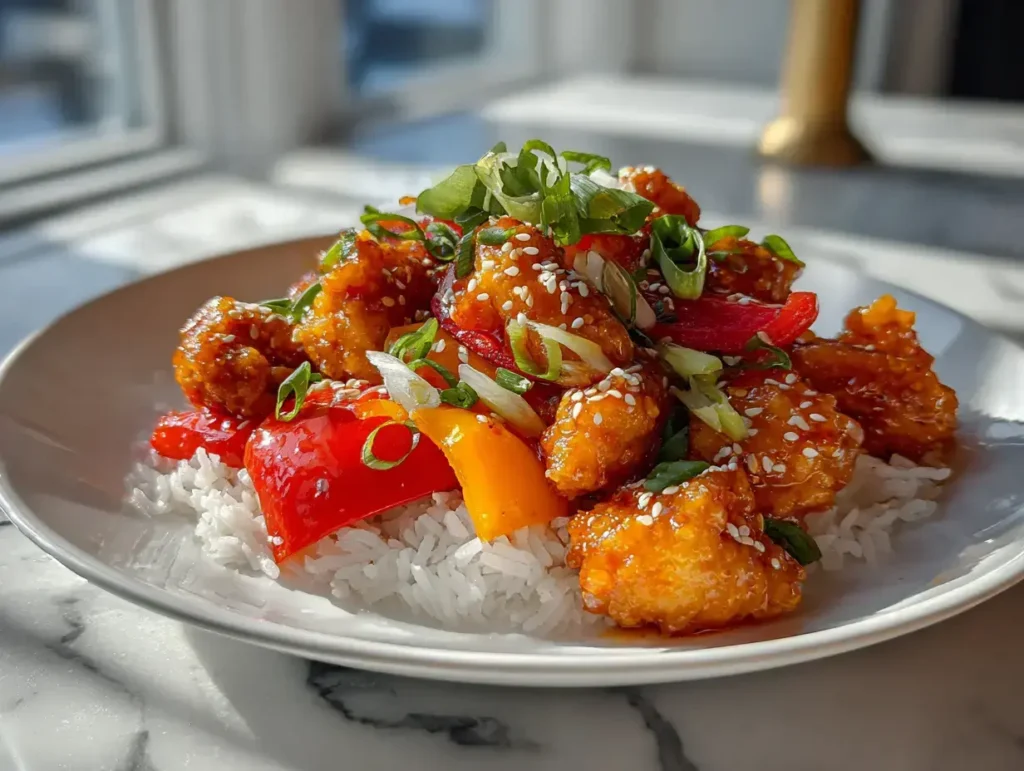
Making a Korean Spicy Chicken Stir Fry at home brings the vibrant, bold flavors of your favorite restaurant right to your skillet. This easy Korean stir fry is a perfect weeknight dinner recipe that comes together in about 35 minutes, featuring tender chicken and crisp vegetables coated in a rich gochujang sauce.
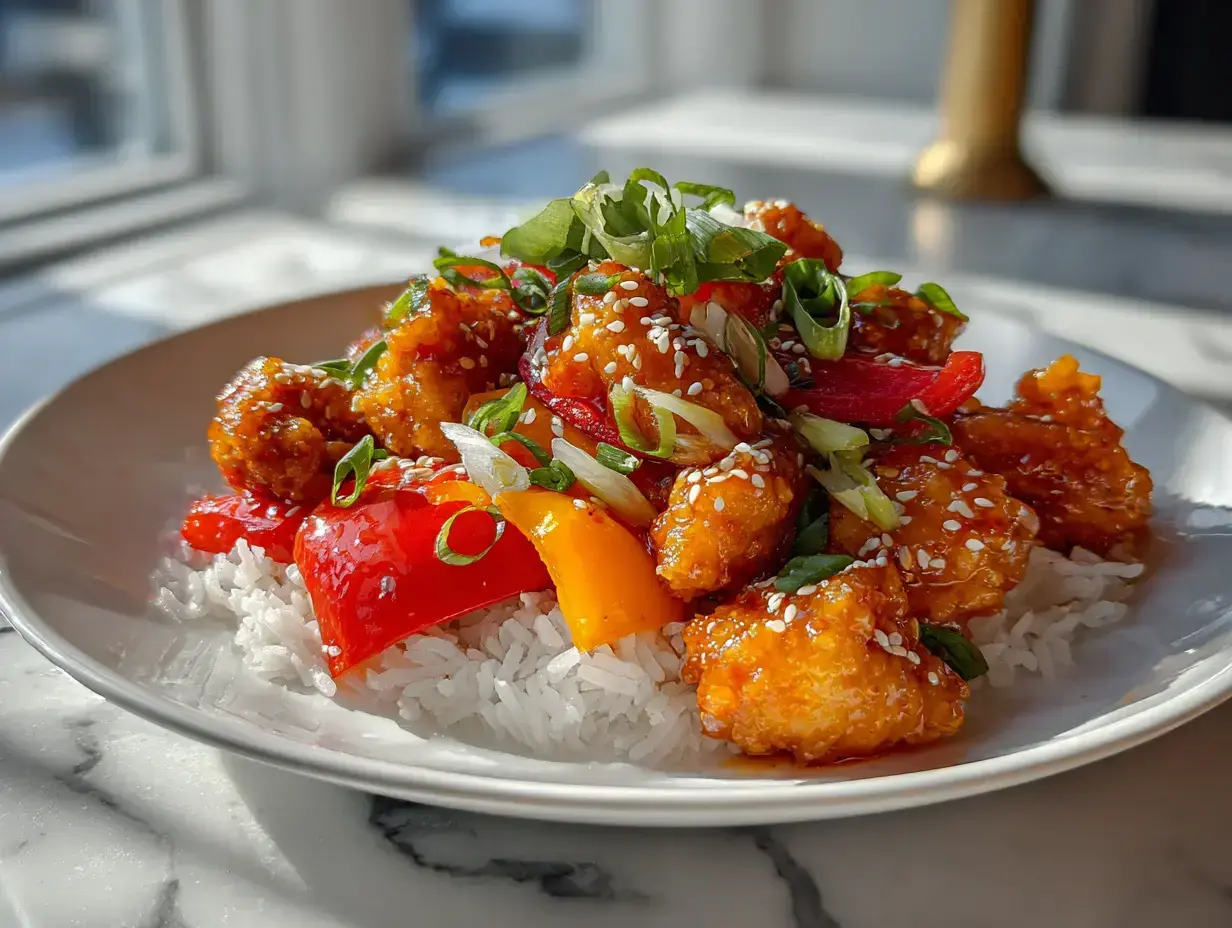
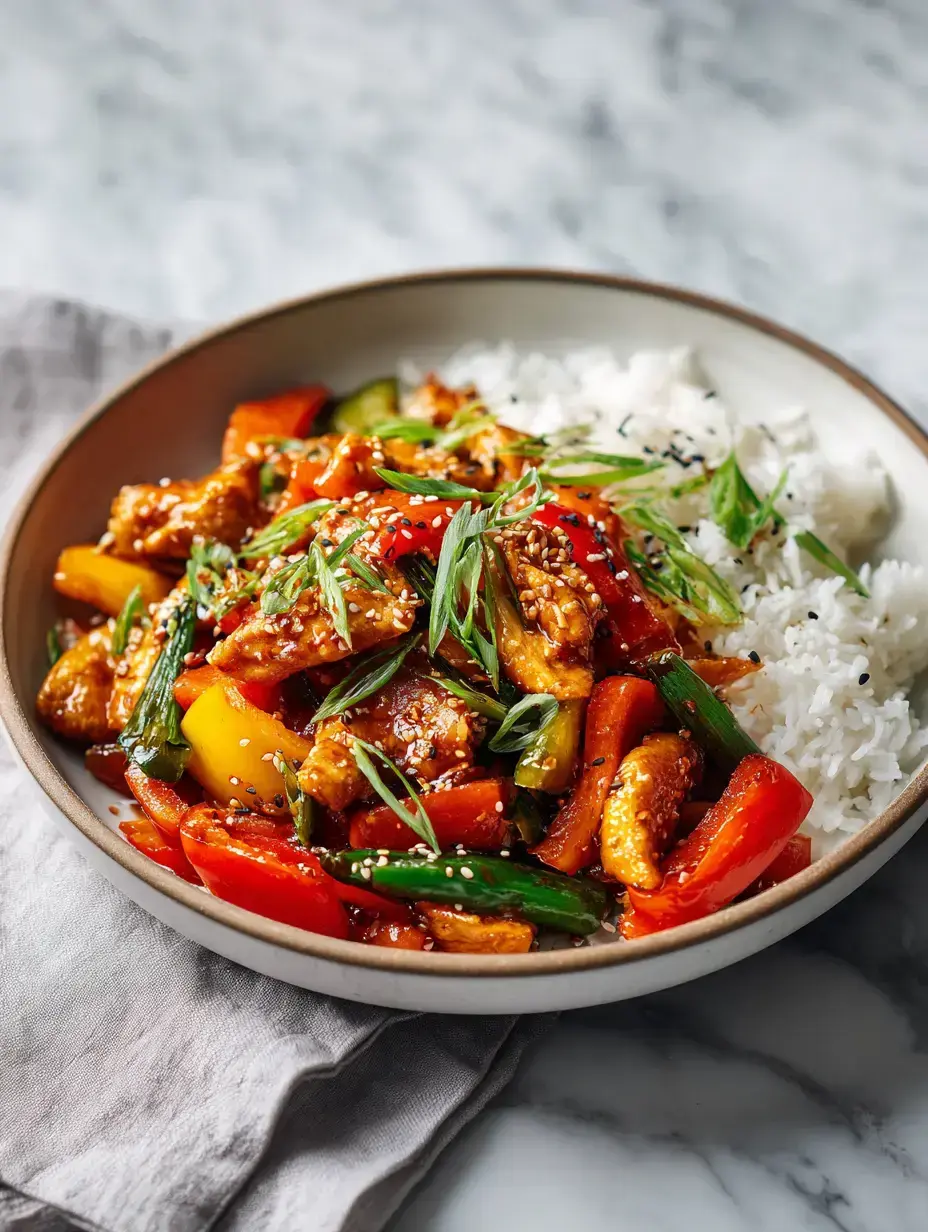
One of the best parts of this Korean Spicy Chicken Stir Fry is how quickly it comes together. With a prep time of just 15 minutes and a cook time of 20 minutes, you’ll have a restaurant-quality meal on the table in 35 minutes total. This makes it an ideal easy Korean stir fry for a busy weeknight.
I love that the active cooking time is so manageable. You’ll spend a few minutes prepping the sauce and vegetables, then the cooking process is fast and efficient. Compared to other slow-simmered chicken dishes, this recipe gets you a incredible result with minimal waiting. The hands-on time is focused, leading to a dish that feels both indulgent and practical.
As a chef, I believe great food should be accessible. This Korean Spicy Chicken Stir Fry can be easily adapted for a low-sugar or diabetic-friendly diet without sacrificing flavor. The key is making smart swaps that maintain the balance of sweet, spicy, and savory.
For a lower glycemic index, replace the honey with a sugar alternative like monk fruit sweetener or allulose, which behave similarly in cooking. You can also reduce the amount of gochujang slightly if you’re sensitive to sodium and use a low-sodium soy sauce. Portion control is another effective strategy; serving a smaller portion of the stir fry over a bed of cauliflower rice or zucchini noodles adds volume and nutrients while managing carbohydrate intake. Remember, these are simply culinary suggestions for a more sugar-conscious meal.
After teaching this recipe in many classes, I’ve gathered a few pro tips that make a significant difference. First, don’t skip patting the chicken dry. This ensures a good sear instead of steaming, which is crucial for texture. Second, have all your ingredients prepped and within reach before you turn on the heat—this is the “mise en place” approach that prevents burning.
This Korean Spicy Chicken Stir Fry isn’t just about incredible taste; it’s also packed with nutritional benefits. Chicken is an excellent source of lean protein, which is essential for muscle repair and keeping you full. The colorful array of vegetables provides a wide spectrum of vitamins and fiber.
Bell peppers, for instance, are rich in Vitamin C, while carrots offer beta-carotene. The gochujang sauce contains capsaicin from chili peppers, which some studies suggest can boost metabolism. Compared to a heavy, cream-based dish, this smothered chicken, this stir fry is a lighter option that doesn’t skimp on satisfaction. For more on building a balanced plate, the MyPlate guidelines are a great resource. Serving this with brown rice instead of white increases the fiber content even more, making it a truly wholesome alternative to lo mein.
If you’re looking to lighten up this dish, a few simple tweaks can reduce calories and fat while preserving the core flavors that make this spicy Korean chicken so good. Start by using chicken breast instead of thighs for a leaner protein base.
You can also lightly spray the wok with cooking oil instead of using two tablespoons, and increase the volume of vegetables like bell peppers and carrots to make the dish more filling with fewer calories. For the sauce, reducing the honey by half still provides sweetness but cuts back on sugar. These small adjustments yield a dish that feels indulgent but aligns with health-conscious goals, similar to the approach I take with my easy chicken tacos.
Presentation is the final touch that turns a great meal into a memorable one. I love serving this Korean Spicy Chicken Stir Fry family-style in a large, shallow bowl, garnished generously with the green onions and toasted sesame seeds. The vibrant red sauce against the colorful vegetables makes it visually stunning.
For a complete meal, fluffy white jasmine rice is the classic pairing, as it perfectly soaks up the extra sauce. A simple side of quick-pickled cucumbers or a light cabbage slaw provides a cool, crunchy contrast to the spicy chicken. If you’re serving a crowd, this dish pairs wonderfully with other Asian-inspired favorites like honey garlic chicken thighs or a simple black pepper chicken. It’s a spread that always impresses.
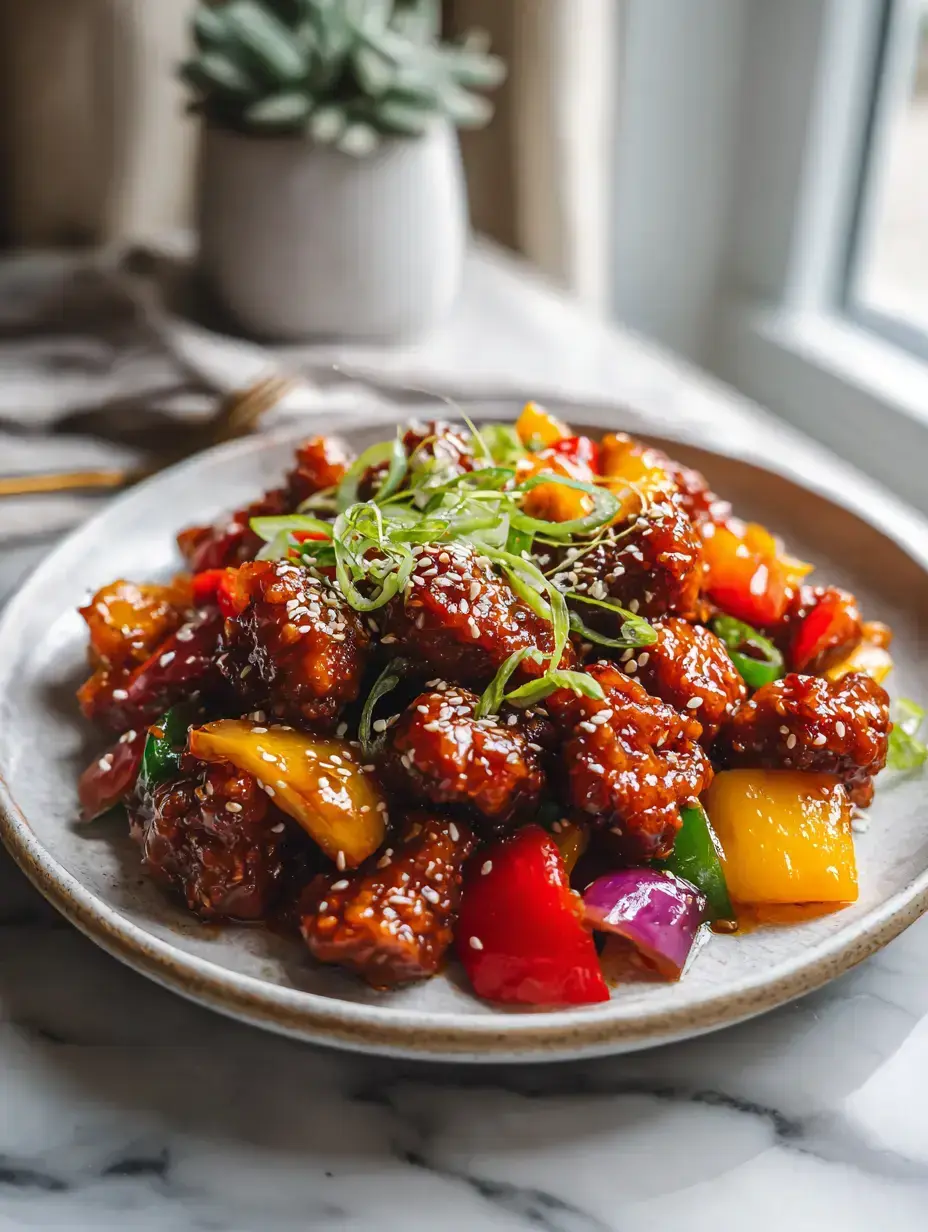
Even with a straightforward recipe, a few common mistakes can affect your final dish. The most frequent issue I see is overcrowding the pan. If you add too much chicken at once, it will steam instead of sear, resulting in a pale, rubbery texture. Cook in batches if your wok isn’t large enough.
Another mistake is adding the sesame oil too early. Since it has a low smoke point, adding it during high-heat cooking will make it bitter. Always stir it into the sauce off the heat. Finally, not tasting the sauce before adding it is a missed opportunity. Adjust the balance of sweet, salty, and spicy to your preference. For more on building flavors, the science of umami offers fascinating insights. A watery sauce is also common, which is why properly mixing the cornstarch slurry is key, a technique also vital for a thick chicken shawarma sauce. I learned the importance of the slurry the hard way early in my career, and now I never skip it!
This Korean Spicy Chicken Stir Fry makes fantastic leftovers. I often make a double batch intentionally. Allow the stir fry to cool completely before transferring it to an airtight container. It will keep in the refrigerator for up to 4 days.
For reheating, I prefer the stovetop. Gently warm it in a skillet over medium-low heat, adding a tablespoon or two of water or chicken broth to refresh the sauce. The microwave can work, but it may heat unevenly and make the vegetables a bit soft. While this dish can be frozen, the texture of the vegetables may change upon thawing. For a freezer-friendly option with similar flavors, my quick chili is a better candidate.
I encourage you to give this recipe a try. It’s a fantastic way to build confidence with Korean flavors at home. The process is systematic and rewarding, and the result is a dish that rivals any takeout. I remember the first time I perfected the sauce balance; the feeling of accomplishment was as great as the meal itself.
This recipe is a gateway to exploring more Asian cuisine. If you enjoy this, you might love the complex spices in Moroccan chicken, the savory simplicity of hibachi chicken, or the bold flavors of a hot chicken sandwich. Each recipe teaches a new technique. I am confident this Korean Spicy Chicken Stir Fry will become a regular in your dinner rotation.
If you loved the vibrant flavors of this stir fry, you’ll enjoy exploring these other international chicken recipes. Each one brings a unique taste adventure to your table.
Honey BBQ Chicken and Rice – A sweet and smoky American classic that’s always a crowd-pleaser.
Cajun Sausage and Rice Skillet – Packed with bold Cajun spice and hearty ingredients.
Marry Me Chicken Soup – A creamy, comforting soup with romantic Italian flavors.
Spicy Chili Charcuterie Board – A fun, interactive way to serve chili for game day or a party.
If you can’t find gochujang, you can make a substitute by mixing Sriracha or another chili garlic paste with a bit of miso paste and a sweetener like sugar or honey. This won’t be identical, but it will provide a similar spicy, savory, and sweet profile for your Korean Spicy Chicken Stir Fry.
To reduce the heat, start by using half the amount of gochujang. You can also increase the honey slightly to balance the remaining spice. Serve it with a cooling side, like a cucumber salad or a dollop of plain yogurt, to help tame the spiciness of the spicy Korean chicken.
Absolutely! This chicken stir fry recipe is very adaptable. Broccoli florets, snap peas, mushrooms, or zucchini would all be excellent additions. Just be mindful of cooking times; add harder vegetables like broccoli first, and quicker-cooking ones like zucchini last.
It can be easily made gluten-free by ensuring you use tamari instead of soy sauce. Always check the label on your gochujang, as some brands may contain wheat. With those simple swaps, you’ll have a delicious gluten-free Korean Spicy Chicken Stir Fry.

Welcome to Mac Recipes! I'm here to prove that amazing home-cooked meals don't need to be complicated. From weeknight dinners to weekend treats, I create recipes that fit into your busy life—delicious, doable, and always worth making.
More About Me