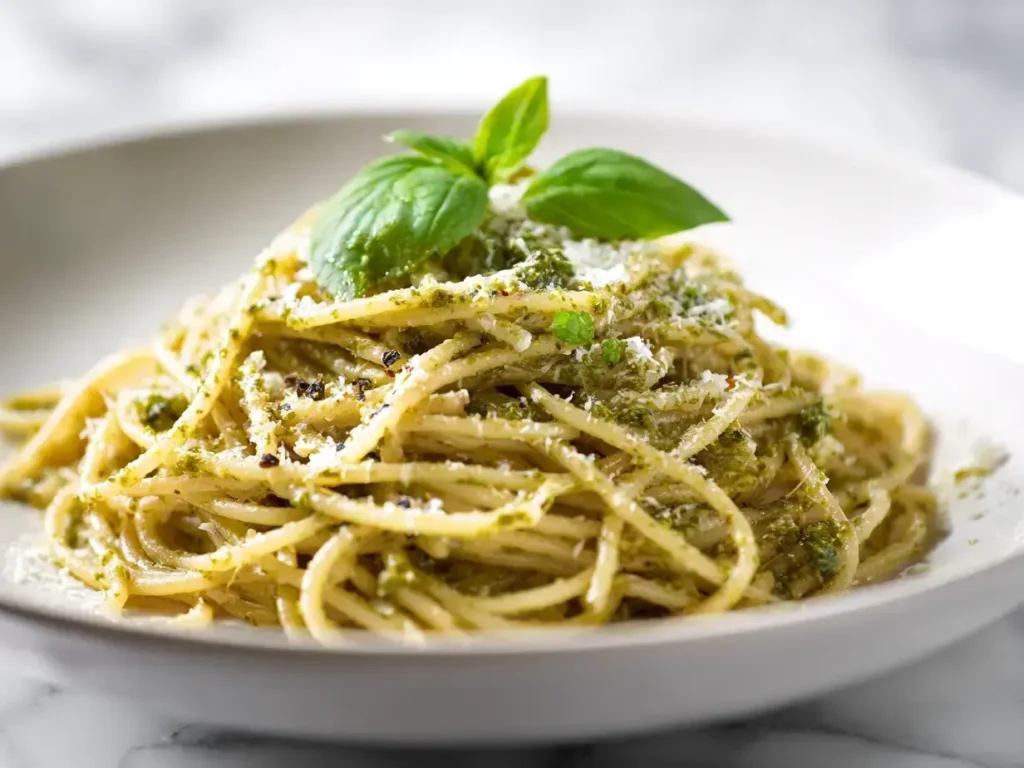
This Pesto Pasta is the ultimate weeknight lifesaver, transforming simple pantry staples into a vibrant, flavor-packed meal in just 30 minutes. Fresh basil, toasted pine nuts, and rich Parmesan cheese come together in a homemade sauce that clings perfectly to al dente spaghetti. It’s a quick dinner idea that feels gourmet but is incredibly easy to make, perfect for busy evenings when you crave something special.
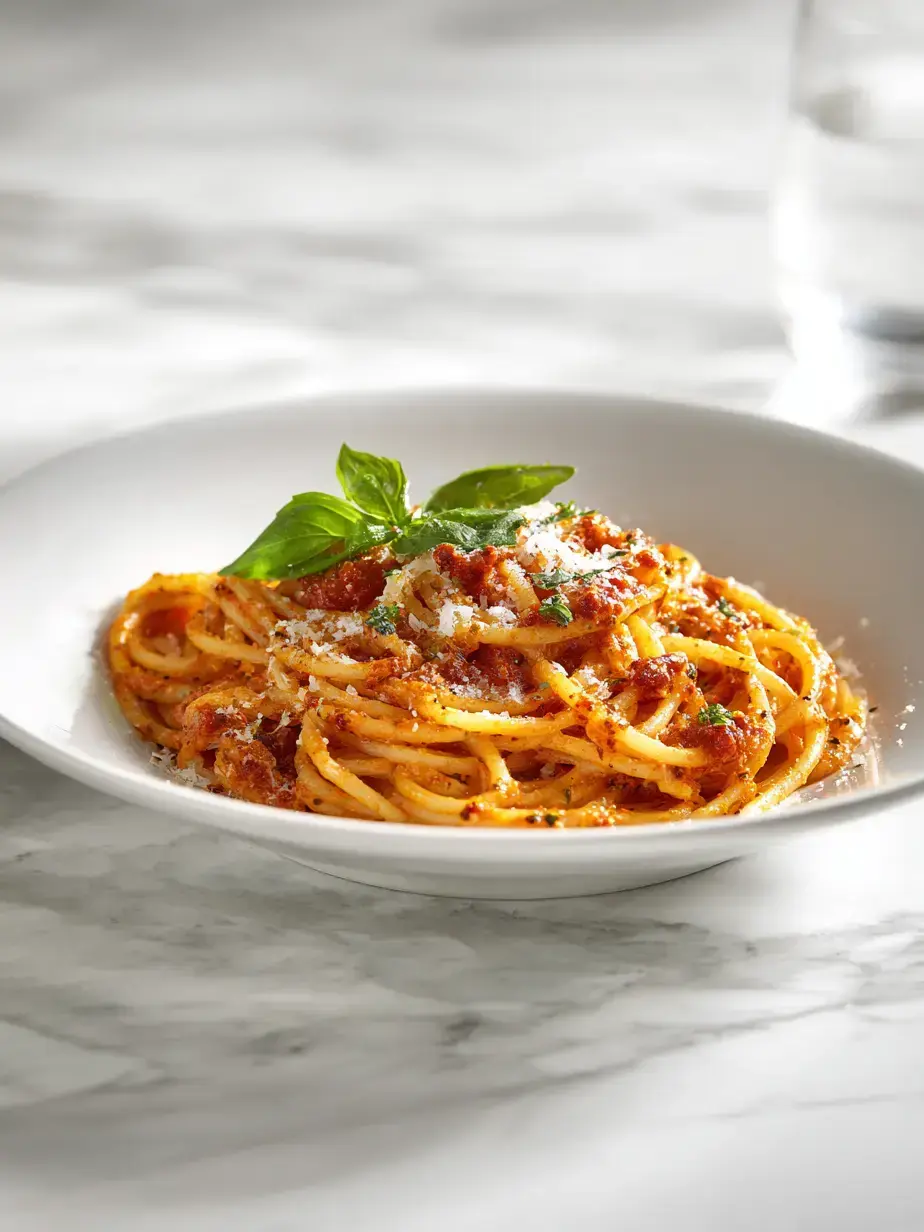
I first fell in love with pesto on a trip to the Italian coast, where the aroma of fresh basil was everywhere. That experience inspired me to perfect this Basil Pesto Recipe, and it has become a cherished staple in my kitchen. I love serving this easy pesto sauce alongside a green salad and a basket of warm homemade dinner rolls for a complete, satisfying meal. It also makes a wonderful partner to hearty mains like chicken parmesan when we’re feeding a crowd.
What Makes This Pesto Pasta So Irresistible
- Made From Scratch Flavor: The vibrant, herbaceous taste of homemade pesto is far superior to any store-bought version.
- Quick & Easy: From food processor to table in 30 minutes, making it perfect for a weeknight meal.
- Crowd-Pleasing Simplicity: Its fresh, classic flavors are loved by both kids and adults alike.
- Endless Customization: Easily adapt the recipe with different nuts, greens, or pasta shapes.
Your Pesto Pasta Ingredient Checklist
Be sure to see the recipe card below for the full listing of ingredients, instructions, notes, and estimated nutritional information.
For the Pesto Sauce
- Fresh Basil Leaves: Use fresh, not dried, for that unmistakable aromatic flavor.
- Pine Nuts: Lightly toasting them first enhances their nutty richness.
- Garlic: Fresh cloves provide a sharp, pungent kick that mellows as it blends.
- Parmesan Cheese: Freshly grated Parmesan melts seamlessly into the sauce for a salty, umami depth.
- Extra Olive Oil: A good quality olive oil is the base for a smooth, emulsified sauce.
For the Pasta
- Spaghetti: Its long strands are perfect for holding onto the creamy pesto sauce.
- Pasta Water: The starchy water is the secret to creating a silky, cohesive sauce.
Pesto Pasta
Make delicious homemade pesto pasta in just 30 minutes! Fresh basil, pine nuts, garlic & Parmesan create the perfect Italian sauce for spaghetti or linguine.
Prep Time 10 minutes mins
Cook Time 20 minutes mins
Total Time 30 minutes mins
Course Dinner
Cuisine Italian
Servings 4 servings
Calories 650 kcal
food processor
large pot
measuring cups
measuring spoons
tongs
long spoon
heatproof measuring cup
colander
large serving bowl
Pasta
- 1 pound spaghetti or linguine
- 1 tablespoon salt for pasta water
Pesto Sauce
- 2 cups fresh basil leaves packed
- 1/2 cup pine nuts
- 2 cloves garlic peeled
- 1/2 cup Parmesan cheese freshly grated
- 1/2 teaspoon fine sea salt
- 1/4 teaspoon black pepper freshly ground
- 1/2 cup extra virgin olive oil
In the bowl of a food processor, combine the packed fresh basil leaves, pine nuts, peeled garlic cloves, freshly grated Parmesan cheese, 1/2 teaspoon of fine sea salt, and 1/4 teaspoon of freshly ground black pepper. Pulse the mixture several times until the ingredients are finely chopped and combined. With the food processor running on low, slowly stream in the 1/2 cup of extra virgin olive oil until a smooth, vibrant green paste forms. Set the pesto aside.
Fill a large pot (at least a 6-quart capacity) with 4 quarts of cold water. Add 1 tablespoon of salt to the water. Place the pot over high heat and bring the water to a rapid, rolling boil.
Add the 1 pound of spaghetti to the boiling water, stirring occasionally with tongs or a long spoon to prevent the strands from sticking together. Cook the pasta according to the package directions, typically for 8 to 10 minutes, until it is al dente (tender but still firm to the bite).
Before draining the pasta, carefully scoop out 1 cup of the hot, starchy pasta cooking water using a heatproof measuring cup. This reserved water is crucial for helping to emulsify the pesto into a smooth, creamy sauce.
Drain the cooked pasta thoroughly in a colander, shaking gently to remove excess water. Do not rinse the pasta, as the residual starch on the noodles helps the pesto cling better.
Immediately transfer the hot, drained pasta to a large serving bowl. Add all of the prepared pesto to the pasta. Pour in 1/4 cup of the reserved pasta water. Using tongs, toss the pasta vigorously until it is evenly coated with the pesto and the sauce appears creamy and well-distributed. If the sauce seems too thick, add more reserved pasta water, 1 tablespoon at a time, until the desired consistency is reached.
Serve the pesto pasta warm, garnished with additional freshly grated Parmesan cheese or a few fresh basil leaves, if desired.
Do not rinse the pasta, as the residual starch on the noodles helps the pesto cling better.
Keyword homemade pesto, pesto pasta, quick dinner
Creative Pesto Pasta Variations
- Add Protein: Toss in grilled chicken, shrimp, or white beans for a more substantial meal.
- Nut-Free Version: Substitute pine nuts with sunflower seeds for a similar texture and flavor.
- Extra Vegetables: Stir in roasted cherry tomatoes, spinach, or sautéed mushrooms for added color and nutrients.
My Pro Tips for Perfect Pesto Pasta
- Use Fresh Ingredients: The quality of your basil and Parmesan directly impacts the final flavor of your Italian pasta dish.
- Don’t Rinse the Pasta: The starch left on the noodles helps the garlic basil sauce adhere beautifully.
- Emulsify with Pasta Water: Adding the starchy water gradually helps create a creamy, restaurant-quality sauce.
- Toss While Hot: Combine the pasta and pesto immediately after draining for the best absorption. For another pasta dish that relies on perfect timing, check out my hibachi noodles recipe.
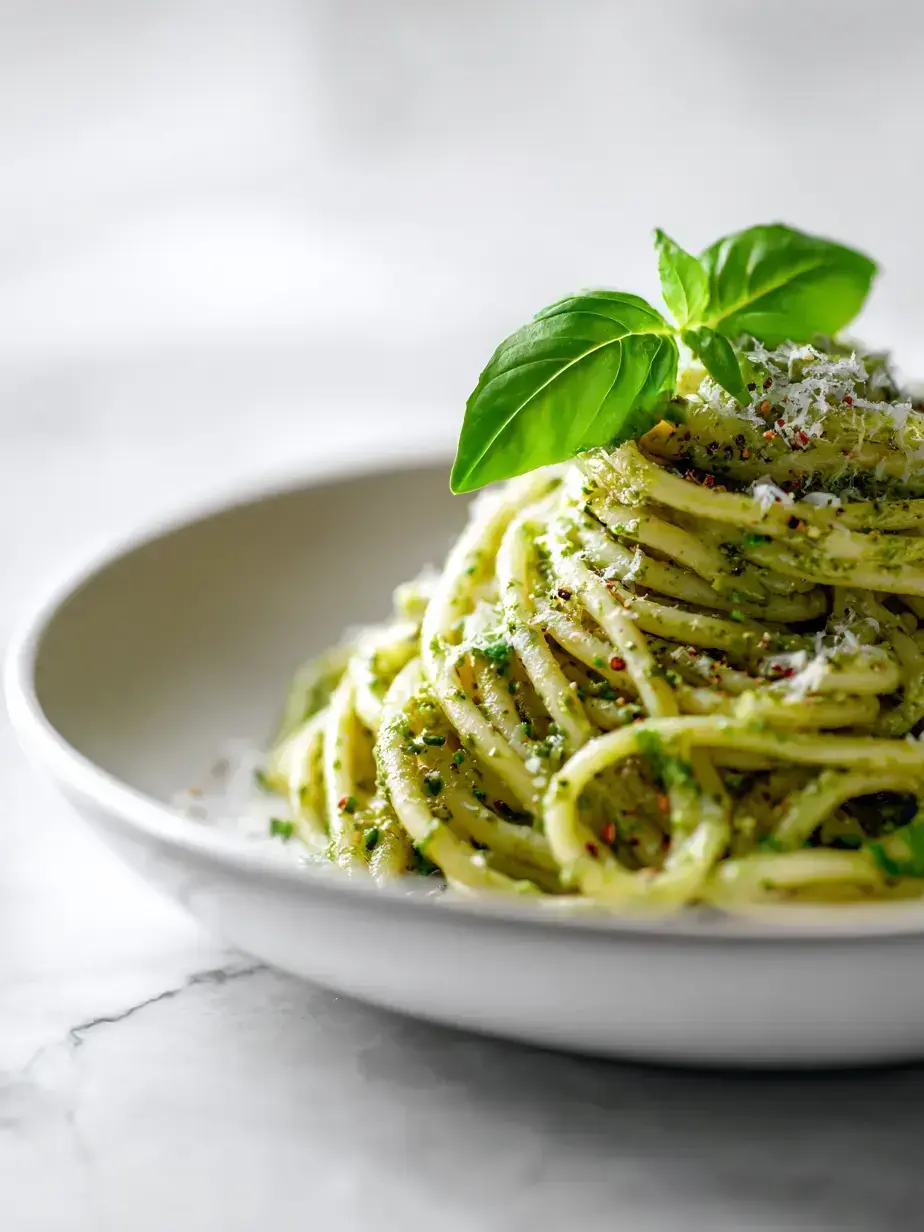
How to Keep Your Pesto Pasta Fresh
- Store: Place leftovers in an airtight container in the refrigerator for up to 4 days. The pesto may darken, which is natural.
- Freeze: Freeze pesto sauce alone (without pasta) in an ice cube tray for up to 3 months for quick future meals.
- Reheat: Gently warm in a skillet over low heat with a splash of water or olive oil to revive the sauce.
- Make-Ahead Tip: You can make the pesto sauce up to 3 days in advance and store it in the fridge with a layer of oil on top.
Frequently Asked Questions
How do you keep pesto pasta from drying out?
The key is using the reserved starchy pasta water. When tossing the hot pasta with the pesto, add the water a little at a time until the sauce becomes creamy and clings to the noodles. If your leftovers seem dry when reheating, add a tablespoon of water or olive oil.
What is the best pasta for pesto?
Long, flat pasta like spaghetti, linguine, or fettuccine are ideal because their surface area helps the pesto coat evenly. Shapes like fusilli or penne are also great as their nooks and crannies trap the sauce beautifully.
Can I make pesto without a food processor?
Yes, you can make a traditional pesto using a mortar and pestle for a more textured, authentic result. A high-powered blender will also work, though you may need to scrape down the sides more frequently to ensure an even blend.
Why did my pesto turn brown?
Pesto can oxidize and turn brown when exposed to air. To prevent this, press a piece of plastic wrap directly onto the surface of the pesto before storing it, or add a thin layer of olive oil on top. It’s still safe to eat if it darkens.
More Delicious Pasta Dishes to Try
Why This Pesto Pasta Becomes a Favorite
With its vibrant color, fresh herbaceous aroma, and creamy texture, this homemade pesto pasta is a recipe you’ll return to again and again. It proves that a truly satisfying Italian pasta dish doesn’t need to be complicated. I hope it brings as much joy to your table as it has to mine. Give it a try tonight and taste the difference that fresh ingredients make.