Quick Stracciatella Soup
This post may contain affiliate links.
Read our Disclaimer.
Leave a Comment ★★★★★
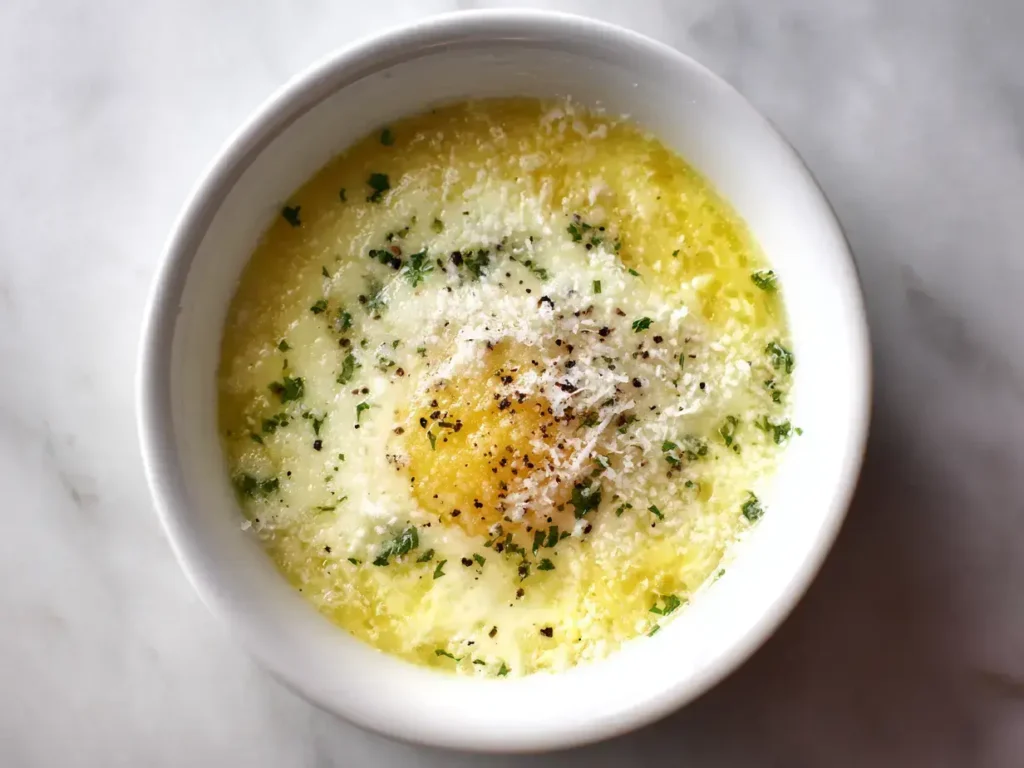
When I think of comfort food that warms both body and soul, my mind always wanders back to Italy, where I first discovered the magic of Stracciatella Soup. This traditional Roman egg drop soup, known locally as Stracciatella alla Romana, represents everything I love about Italian cooking: simplicity, elegance, and profound flavor. Picture delicate egg ribbons dancing in golden chicken broth, enriched with Parmesan cheese and fresh herbs—it’s like a warm hug in a bowl. I’m excited to share this cherished recipe with you today because it’s not just food; it’s a memory, a tradition, and one of the easiest Italian comfort food soups you’ll ever make.
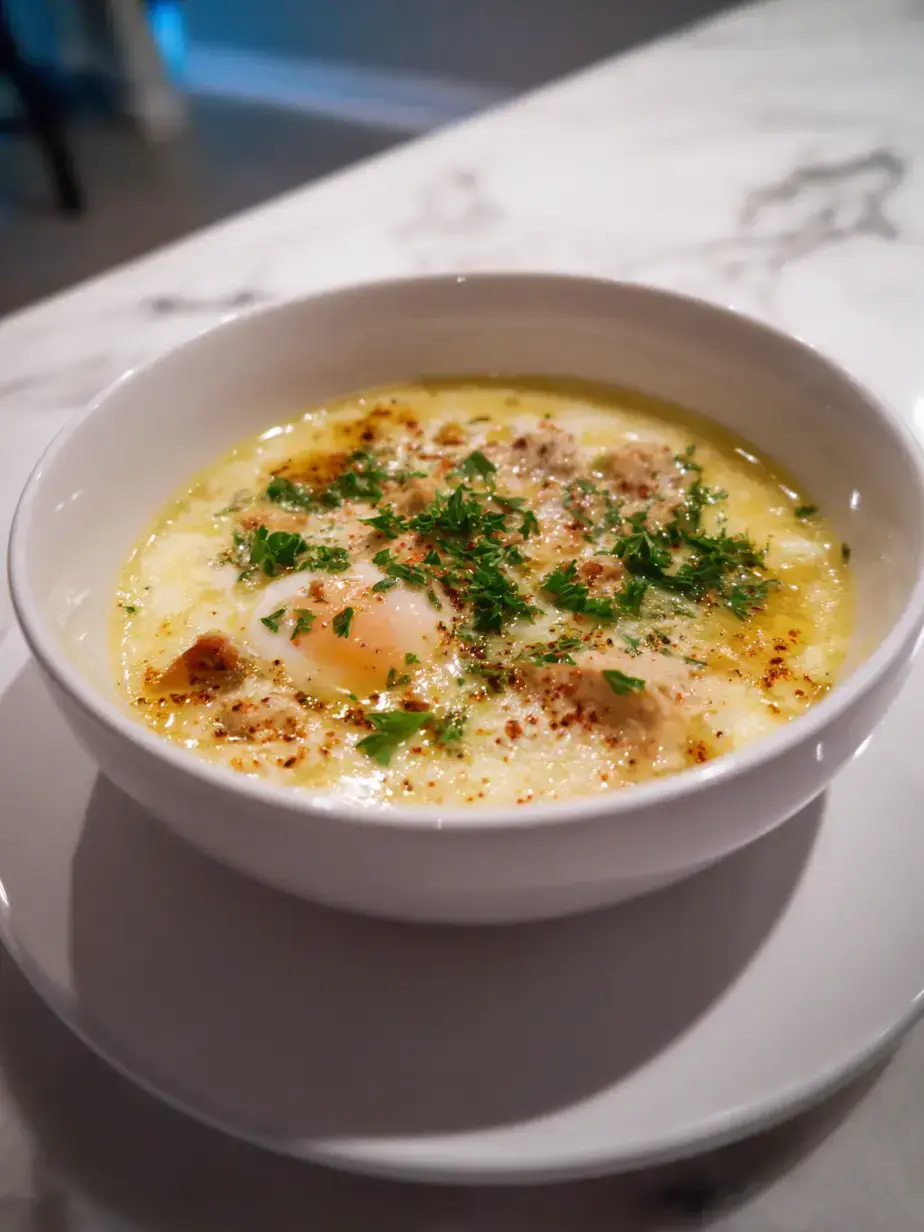
What makes Stracciatella Soup so special is its incredible simplicity. With just a handful of ingredients—eggs, cheese, broth, and herbs—you can create something truly extraordinary in minutes. This quick Italian egg soup has been a staple in Roman households for generations, often served as a light first course or as a soothing remedy for chilly evenings. Interestingly, it’s sometimes called Italian wedding soup alternative because it offers similar comfort without the meatballs. Whether you’re new to Italian cooking or a seasoned pro, this recipe will become a cherished addition to your repertoire.
Table of Contents
Stracciatella Soup, at its heart, is the Italian version of egg drop soup, but with a distinctive Roman character that sets it apart. The name “stracciatella” comes from the Italian word “stracciare,” which means “to tear” or “to shred,” perfectly describing the beautiful egg ribbons that form when the egg mixture hits the hot broth. This traditional Roman Stracciatella has been comforting Italians for centuries, particularly in the Lazio region where Rome is located. It’s often considered one of those fundamental Italian comfort food soups that every nonna knows how to make perfectly.
In Rome, Stracciatella Soup isn’t just food—it’s a piece of culinary heritage. Typically served as a primo piatto (first course), this soup sets the stage for more substantial dishes to follow. During my travels through Italy, I noticed that every family has their slight variation, but the core elements remain consistent: quality broth, fresh eggs, good Parmesan, and a touch of semolina to help the eggs form those characteristic ribbons. Unlike many Americanized versions, authentic Stracciatella alla Romana maintains a delicate simplicity that celebrates each ingredient’s natural flavor.
While it might remind you of Chinese egg drop soup, Roman egg soup has its own distinct personality. The addition of Parmesan cheese and semolina flour creates a richer, slightly thicker consistency with deeper flavor notes. Unlike some egg soups that can be somewhat bland, Stracciatella bursts with savory goodness from the Parmesan and the aromatic quality of good chicken broth. It’s also different from Italian wedding soup, which contains meatballs and greens, making this Parmesan egg ribbon soup a wonderful gluten-free Italian soup option for those with dietary restrictions.
The magic of Stracciatella Soup lies in its simplicity, which means each ingredient must be of the highest quality. You’ll need just seven basic components to create this masterpiece, and I cannot stress enough how important it is to choose them wisely. When I first learned to make Stracciatella from an Italian friend’s grandmother, she emphasized that great soup begins with great ingredients—there are no shortcuts when it comes to authentic flavor.
Your soup foundation begins with low-sodium chicken broth, which allows you to control the seasoning precisely. I recommend using homemade broth if possible, as it provides a depth of flavor that canned varieties simply cannot match. However, if you’re using store-bought, opt for a quality brand with clean ingredients. The broth should be flavorful but not overpowering, as it needs to complement rather than dominate the delicate egg ribbons. If you enjoy chicken-based soups, you might appreciate my hearty ginger chicken soup recipe as well.
For the eggs, always choose large, fresh eggs at room temperature—they’ll create more substantial ribbons. The Parmesan cheese should be freshly grated from a block, never pre-shredded, as the anti-caking agents in pre-shredded cheese can affect the texture. Look for Parmigiano-Reggiano for authentic flavor, though other hard Italian cheeses like Pecorino Romano can work nicely too. The semolina flour helps bind the mixture and creates those beautiful “stracciatelle” or little rags that give the soup its name.
Now let’s walk through the process of creating this beautiful soup together. The entire preparation takes less than 15 minutes from start to finish, making it one of the quickest comforting meals you can prepare. I’ve made this Stracciatella Soup countless times, and each time I’m amazed at how such simple steps yield such spectacular results. Remember, the key to perfect egg ribbons is patience and constant stirring.
Begin by cracking two large eggs into a small mixing bowl. Add two tablespoons of semolina flour, two tablespoons of freshly grated Parmesan cheese, one tablespoon of finely chopped fresh parsley, a quarter teaspoon of freshly ground black pepper, and a quarter teaspoon of kosher salt. Now, whisk vigorously until the mixture becomes completely smooth with no lumps remaining. The consistency should be similar to a thin pancake batter. This step is crucial—if you don’t whisk thoroughly, you might end up with clumps rather than delicate ribbons.
While you’re preparing the egg mixture, heat four cups of low-sodium chicken broth in a medium saucepan over medium heat. You want it to reach a gentle simmer with small bubbles rising to the surface—not a rolling boil. Once the broth is ready, slowly pour the egg mixture into the pot in a thin, steady stream while stirring the broth constantly with a fork or whisk. This constant motion ensures the eggs distribute evenly and form those beautiful thin ribbons rather than clumping together. Continue stirring gently for two to three minutes until the egg strands are fully set.
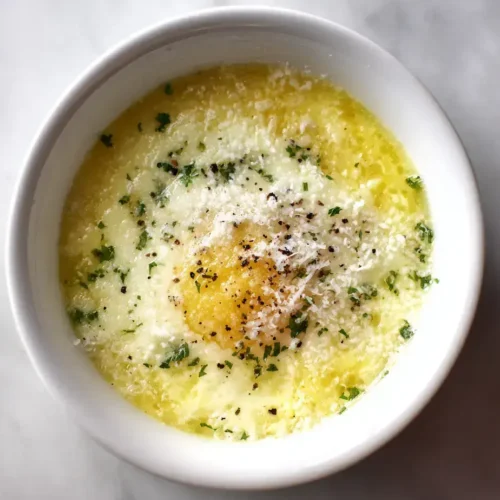
While Stracciatella Soup is remarkably simple, a few technical insights can elevate your results from good to extraordinary. Through trial and error (and plenty of advice from Italian cooks), I’ve gathered these essential tips that will help you achieve restaurant-quality soup at home. The difference often lies in the details, so pay attention to these nuances for the best possible outcome.
The signature of great Stracciatella Soup is those delicate, wispy egg ribbons suspended throughout the broth. To achieve this, your broth must be at the right temperature—hot enough to cook the eggs instantly but not boiling vigorously, which would break them into unattractive bits. The pouring technique matters too: hold your bowl high above the pot and pour in a slow, thin stream while stirring constantly. I find that using a fork rather than a whisk gives me more control and creates more defined ribbons. If you enjoy techniques that transform simple ingredients, you might like my creamy garlic pasta method.
Several missteps can compromise your Stracciatella Soup. First, avoid using cold eggs straight from the refrigerator—they can shock the broth and affect cooking. Also, don’t be tempted to add more semolina than recommended, as this will make the soup too thick and starchy. Another common error is overcooking—once the eggs form ribbons, immediately remove the pot from heat to prevent them from becoming rubbery. Finally, never stop stirring while adding the egg mixture; even a brief pause can cause clumping. If you’re looking for another simple yet impressive dish, try my spinach manicotti recipe.
Part of the joy of Stracciatella Soup is how beautifully it presents at the table. This humble soup transforms into something quite elegant with just a few thoughtful touches. I love serving it in wide, shallow bowls that show off the delicate egg ribbons against the golden broth. The presentation should be simple and rustic, reflecting the soup’s peasant origins while still feeling special enough for company.
Garnishes not only add visual interest but also complementary flavors and textures. A light sprinkle of additional freshly grated Parmesan cheese adds a salty richness. Fresh parsley or basil leaves provide a pop of color and freshness. For a slightly different twist, try a drizzle of high-quality olive oil just before serving—it adds fruitiness and sheen. Sometimes I add a twist of black pepper or a few croutons for textural contrast. If you enjoy well-presented meals, you might appreciate the visual appeal of my stuffed bell peppers.
Stracciatella Soup makes an excellent first course before heartier Italian mains. I often serve it before pasta dishes or as a light precursor to meat courses. For a complete Italian meal, follow the soup with a simple pasta like spaghetti with marinara sauce or my traditional Italian meatballs. For a lighter meal, pair it with a crisp green salad and crusty bread. The soup also stands beautifully on its own for lunch with a slice of toasted bread rubbed with garlic. If you’re planning a full Italian feast, consider my Detroit-style pizza for a different course.
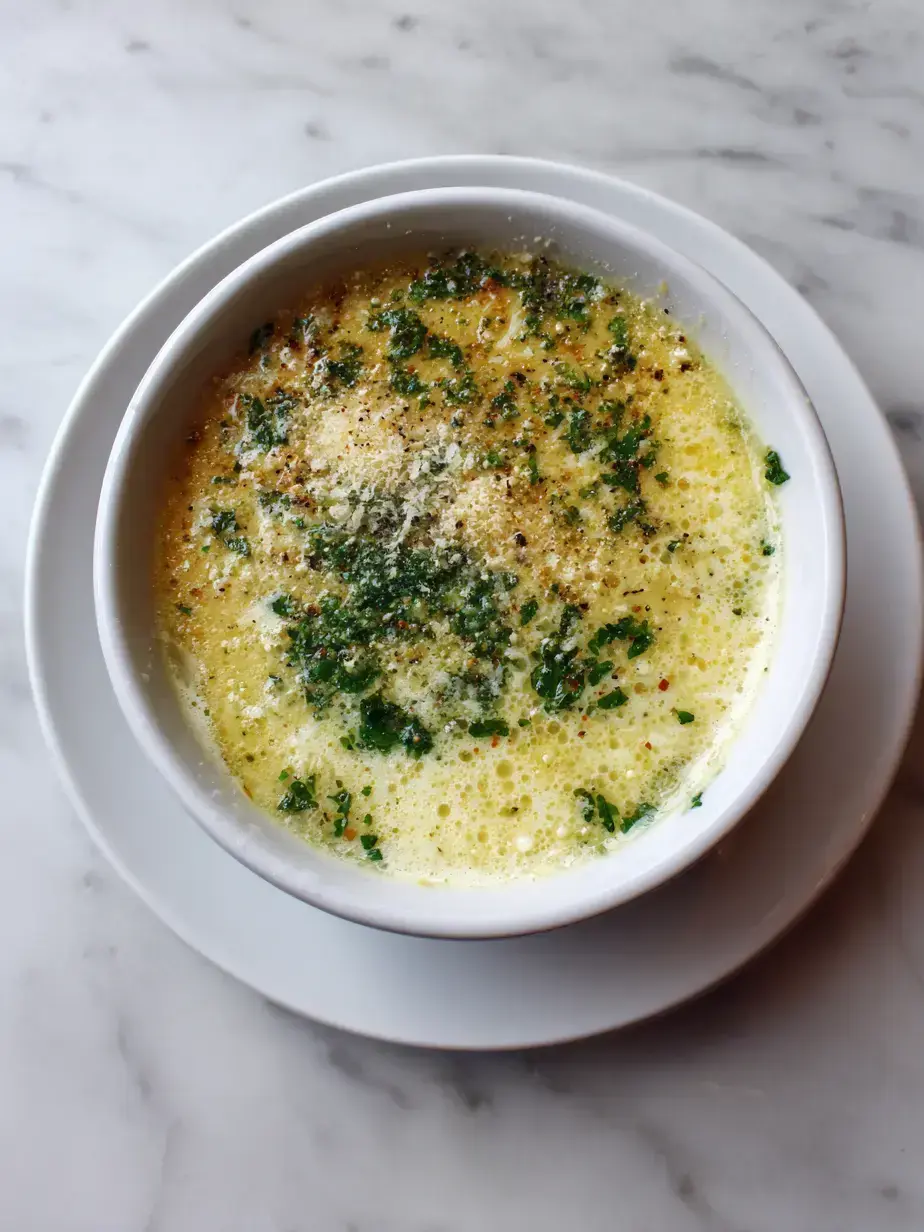
While traditional Stracciatella Soup is perfect in its simplicity, there’s room for creativity if you want to put your own spin on this classic. Over the years, I’ve experimented with various additions and modifications, some inspired by regional variations I’ve encountered in Italy. Whether you’re looking to add more vegetables, adjust the flavor profile, or accommodate dietary needs, these variations maintain the spirit of the original while offering new dimensions.
One popular variation is Lemon Stracciatella soup, which adds brightness to the rich broth. Simply add the zest of one lemon to the egg mixture and a tablespoon of lemon juice to the broth before adding the eggs. You can also experiment with different herbs—basil, chives, or thyme can substitute for or complement the parsley. For a more substantial version, add cooked shredded chicken or tiny meatballs reminiscent of Italian wedding soup. If you enjoy herb-forward dishes, you might like my Crockpot Salisbury steak meatballs.
This soup adapts beautifully to various dietary needs. For vegetarian Stracciatella, use vegetable broth instead of chicken broth. The soup is naturally gluten-free if you ensure your broth and semolina are certified gluten-free (though some use breadcrumbs instead of semolina in certain regions). For dairy-free versions, nutritional yeast can substitute for Parmesan, though the flavor will be different. You can also add spinach or kale in the last minute of cooking for extra nutrients and color.
Beyond its delightful taste and comforting qualities, Stracciatella Soup offers substantial nutritional benefits that make it an excellent choice for health-conscious cooks. This simple egg drop soup provides high-quality protein, essential vitamins, and minerals without excessive calories or fat. It’s the kind of nourishment that feels good both during and after eating—light yet satisfying, simple yet nutrient-dense.
The eggs in Stracciatella Soup provide complete protein containing all nine essential amino acids, while the Parmesan cheese adds additional protein and calcium. Unlike many comfort foods that leave you feeling heavy, this soup provides sustained energy without weighing you down. The combination of protein and warm liquid makes it particularly satisfying on cold days or when you need a light but nourishing meal. If you’re interested in other protein-rich dishes, check out my hibachi chicken recipe.
This simple Italian egg soup is famously easy on the digestive system, which is why it’s often recommended for those feeling under the weather or needing gentle nutrition. The warm broth helps with hydration, while the eggs provide easily digestible protein. The simplicity of ingredients means it’s unlikely to cause digestive upset, and the absence of heavy fats or complex carbohydrates makes it suitable for various dietary needs. It’s also low in carbohydrates, making it appropriate for those monitoring their carb intake.
While Stracciatella Soup is best enjoyed immediately after preparation, you can store and reheat leftovers with good results if you follow proper techniques. The egg ribbons may change texture slightly upon reheating, but the flavor remains excellent. I’ve developed these methods through experience to help you enjoy your soup even on the second day.
Allow the soup to cool completely before transferring it to an airtight container. Store in the refrigerator for up to two days—any longer and the eggs can become rubbery. I don’t recommend freezing Stracciatella Soup as the egg ribbons tend to become tough and watery upon thawing. If you’ve made a large batch but want fresh soup later, consider preparing the broth and egg mixture separately, then combining them when ready to serve. For other make-ahead meals, my sheet pan lasagna stores beautifully.
To reheat, place the soup in a saucepan over low heat, stirring gently until warmed through. Avoid boiling, as high heat will make the egg ribbons tough. If the soup has thickened in the refrigerator, you can add a small amount of additional broth or water to adjust the consistency. Microwave reheating is possible but less ideal—use medium power and stir frequently to distribute heat evenly. The soup may not look quite as beautiful upon reheating, but the flavor will still be wonderful.
Stracciatella comes from the Italian verb “stracciare,” which means “to tear” or “to shred.” The name perfectly describes the appearance of the egg ribbons in the soup, which look like little torn pieces or rags floating in the broth.
Yes, you can substitute fine breadcrumbs or even all-purpose flour if needed, though the texture will be slightly different. Some traditional recipes use only eggs and cheese without any thickening agent, resulting in more delicate ribbons.
No, they’re different soups. Italian wedding soup contains meatballs and leafy greens like escarole or spinach, while Stracciatella is a simpler broth with egg and cheese ribbons. However, both are traditional Italian comfort soups.
Absolutely! Simply substitute vegetable broth for the chicken broth. The egg and cheese provide plenty of flavor, so you’ll still have a delicious vegetarian version of this classic soup.
Clumping usually occurs if the broth is boiling too vigorously or if you pour the egg mixture too quickly without constant stirring. Ensure a gentle simmer and pour in a thin stream while stirring continuously.
This soup pairs beautifully with crusty bread, a simple green salad, or as a first course before pasta dishes. It’s also substantial enough to stand alone as a light lunch or dinner.
Stracciatella Soup represents everything I love about Italian cooking: the transformation of humble ingredients into something extraordinary through technique and respect for tradition. This Roman egg soup has become one of my go-to recipes when I need comfort, nourishment, or a quick impressive first course for guests. It reminds me that the best dishes often come from simplicity rather than complexity. I encourage you to try this beautiful soup—share it with family, enjoy it on a quiet evening, or introduce it to friends who appreciate authentic Italian cuisine. Once you master the technique, you’ll understand why this simple egg drop soup has been cherished for generations.

Welcome to Mac Recipes! I'm here to prove that amazing home-cooked meals don't need to be complicated. From weeknight dinners to weekend treats, I create recipes that fit into your busy life—delicious, doable, and always worth making.
More About Me