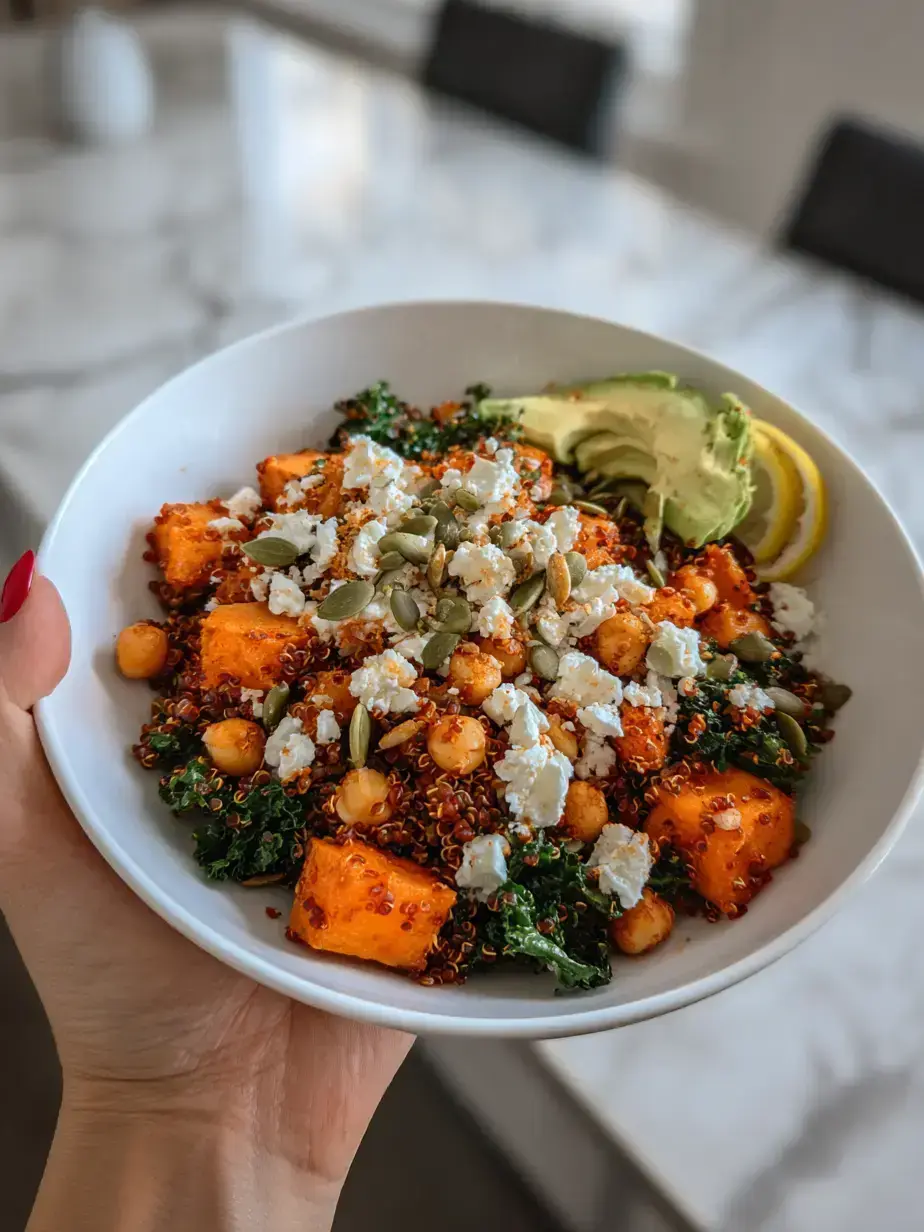
Quinoa Sweet Potato Chickpea Avocado Bowl
This post may contain affiliate links.
Read our Disclaimer.
Leave a Comment ★★★★★
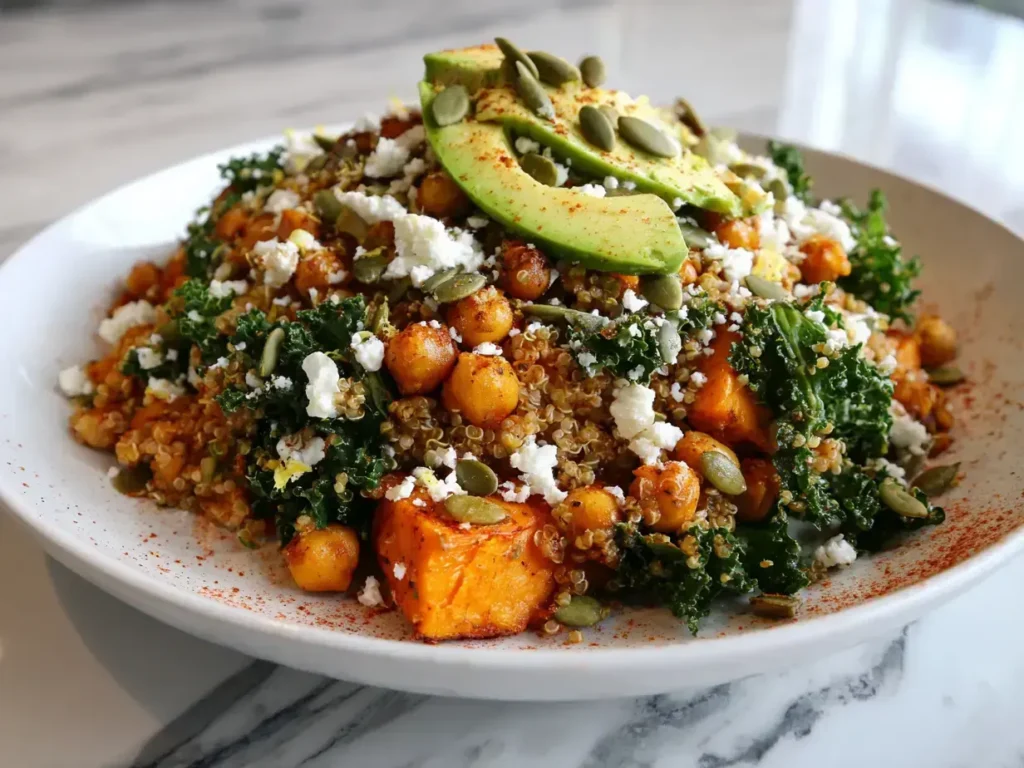
Hello, my dear friends! Olivia here, coming to you from my cozy kitchen in Burgundy. There’s something incredibly comforting about crafting a beautiful, nourishing meal in a single bowl. Today, I want to share my absolute favorite vegetable grain bowl recipe with you. It’s a symphony of flavors and textures that always reminds me of sunny Sunday afternoons spent with family. This isn’t just a meal; it’s a hug in a bowl, packed with everything your body needs to feel fantastic. Whether you’re a seasoned plant-based eater or just looking for a healthy grain bowl recipe, this one is a guaranteed winner.
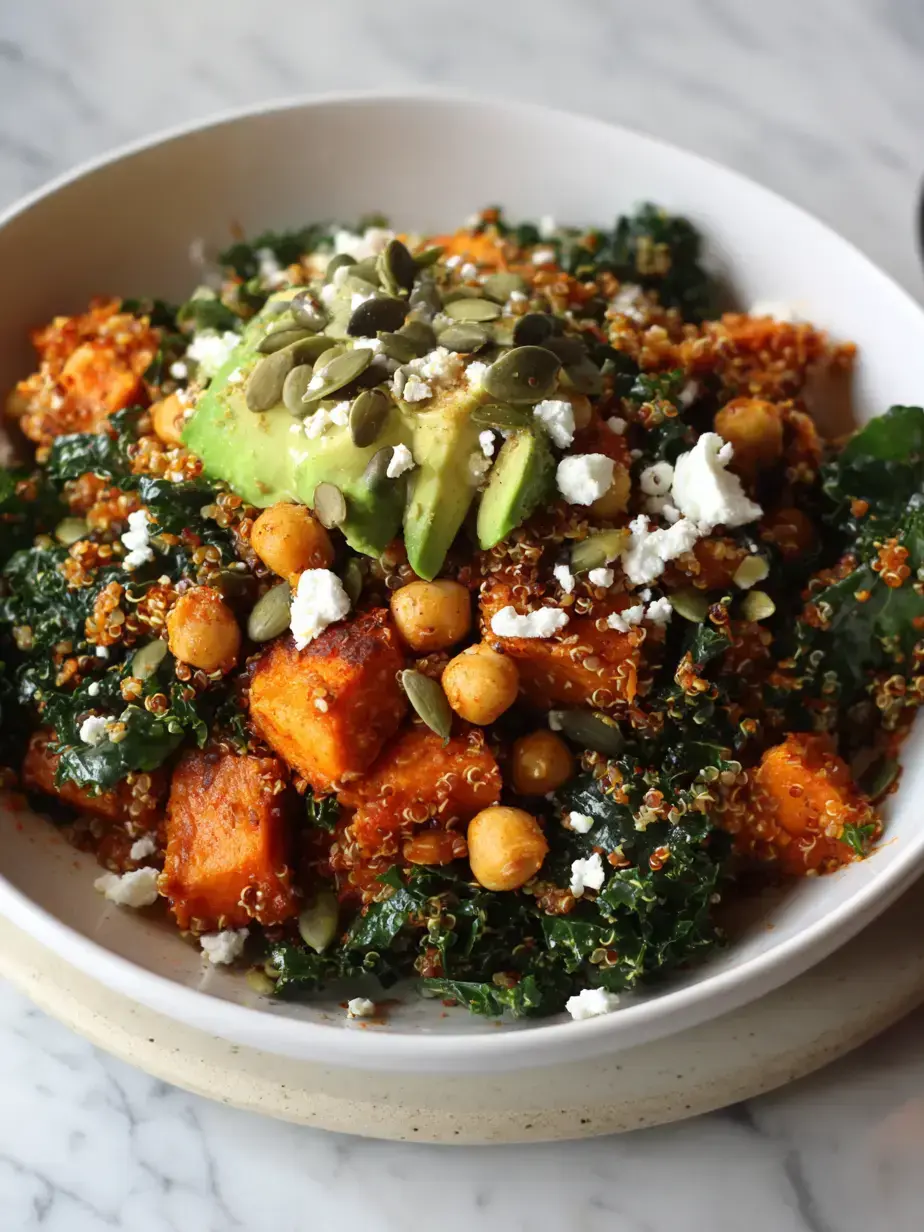
Table of Contents
This particular plant based grain bowl recipe holds a special place in my heart. It’s the perfect combination of hearty, healthy, and downright delicious. First, it’s incredibly versatile. You can swap ingredients based on what’s in your fridge, making it a fantastic solution for reducing food waste. Second, it’s a complete meal packed with fiber, plant-based protein, and essential vitamins. Finally, it’s just as beautiful as it is tasty. Creating a colorful vegetable bowl is a small act of culinary artistry that always brings me joy.
Every component of this nutritious bowl meal serves a purpose. The quinoa and chickpeas provide a solid protein punch, keeping you full and satisfied for hours. The sweet potatoes are loaded with beta-carotene and fiber, while the kale offers a powerhouse of vitamins K, A, and C. Furthermore, the healthy fats from the avocado and olive oil help your body absorb all those fat-soluble vitamins. It’s a true nutritional win-win.
I rely on this formula for everything from busy weeknight dinners to impressive casual lunches with friends. It’s an easy grain bowl to assemble, especially if you practice a little meal prep. I often make a big batch of grains and roasted veggies on a Sunday, which sets me up for success all week long. If you enjoy planning ahead, you must check out our guide to make ahead grain bowl strategies for the busy home cook.
The foundation of any great grain and vegetable bowl is, unsurprisingly, the grain! Choosing the right base sets the tone for the entire dish. For this recipe, I use quinoa because it’s fluffy, protein-rich, and cooks quickly. However, don’t feel limited. The beauty of a whole grain bowl is its flexibility. You can use any grain you love or have on hand.
Quinoa is my go-to for a veggie quinoa bowl because it’s a complete protein, meaning it contains all nine essential amino acids. It has a lovely, slightly nutty flavor and a light, fluffy texture that pairs wonderfully with the heavier roasted vegetables. Always remember to rinse quinoa thoroughly under cold water before cooking. This removes its natural coating, called saponin, which can taste bitter.
If you want to experiment, the world of grains is your oyster! Brown rice is a classic choice for a brown rice vegetable bowl, offering a chewy texture and nutty flavor. Farro is another fabulous option; it’s chewy and hearty with a slight sweetness. For a deeper dive into ancient grain bowl possibilities, consider trying freekeh or amaranth. Each brings a unique texture and nutritional profile to your meal.
Roasting vegetables is my favorite way to build deep, caramelized flavor into a hearty vegetable bowl. The high heat of the oven transforms humble veggies like sweet potatoes into sweet, tender, and slightly crispy delights. The key is cutting your vegetables into uniform sizes so they cook evenly. This step is simple, but it makes all the difference in the final texture of your dish.
While this recipe highlights sweet potatoes and chickpeas, you can absolutely get creative. Bell peppers, red onions, broccoli, and zucchini all roast beautifully. The goal is to create a mix of colors and textures. For more inspiration on combining roasted vegetables, our sheet pan veggies guide is a fantastic resource. It’s all about building that perfect colorful vegetable bowl.
Don’t be shy with the seasonings! A good drizzle of olive oil, smoked paprika, and garlic powder is my holy trinity for roasting. The oil helps the vegetables crisp up, while the paprika adds a warm, smoky depth that complements the sweetness of the potatoes. If you’re a fan of Mediterranean flavors, you could also try oregano and a squeeze of lemon juice after roasting.
To make your vegetable grain bowl a truly satisfying meal, protein is essential. In this recipe, we get it from two fantastic sources: chickpeas and quinoa. Together, they create a protein grain bowl that will keep you energized. Chickpeas are a legume powerhouse, providing protein, fiber, and iron. They also get wonderfully crispy when roasted.
Chickpeas are incredibly versatile. For this vegan bowl with grains, I simply toss them with the sweet potatoes. However, you could also pan-fry them with extra spices for even more crunch. If you love chickpeas as much as I do, you’ll adore our quinoa and black bean bowl recipe for another tasty option. It’s another fantastic plant based grain bowl staple.
We shouldn’t forget about the greens! Kale is the star here, but any sturdy green like spinach or Swiss chard would work. Massaging the kale with a bit of lemon juice and olive oil is a game-changer. It breaks down the tough fibers, making it tender and much more enjoyable to eat. This step transforms kale from rough and bitter to a soft, flavorful bed for your other ingredients.
The finishing touches—the dressing and toppings—are what elevate a simple grain and vegetable bowl into a restaurant-quality experience. They add layers of flavor, texture, and visual appeal. For this bowl, we use a simple combination of lemon juice and olive oil on the kale, but the possibilities are endless. Toppings provide the crucial crunch and creaminess that make every bite interesting.
You don’t need a complicated recipe for a great dressing. Often, a bright, acidic element like lemon juice or vinegar paired with good-quality olive oil is all you need. For a Mediterranean grain bowl vibe, a tahini-lemon dressing would be divine. The key is to balance fat, acid, and salt. Drizzle it over your assembled bowl right before serving to keep everything fresh.
Toppings are the fun part! I love the creamy contrast of avocado against the crispy chickpeas and the salty tang of feta cheese. For crunch, toasted pumpkin seeds are perfect, but sunflower seeds or chopped almonds work too. If you’re making a vegan bowl with grains, simply omit the feta or use a plant-based alternative. These elements turn a good bowl into a great one.
Now, let’s walk through the simple process of bringing your vegetable grain bowl to life. The method is straightforward, but a few pro tips will ensure perfect results every time. The general workflow is to cook your grain, roast your veggies, wilt your greens, and then assemble everything with your toppings. It’s an efficient process that yields a spectacular result.
Start by getting your quinoa cooking. Remember to rinse it first! While it simmers, chop your sweet potato into small, even cubes and drain your chickpeas. Toss them with oil and spices on a single sheet pan—this makes cleanup a breeze. Roasting them together is efficient, but keep an eye on them as chickpeas can sometimes cook faster than the potatoes. You want everything golden and tender.
While the oven works its magic, turn your attention to the kale. Remove the tough stems and chop the leaves. Heating it briefly in a skillet with a touch of oil and lemon juice softens it perfectly. Now for the best part: assembly! Start with a fluffy base of quinoa, then artfully arrange your roasted veggies and kale on top. Finally, garnish generously with your toppings. For a different take on bowl assembly, see how we build our rainbow veggie bowls.
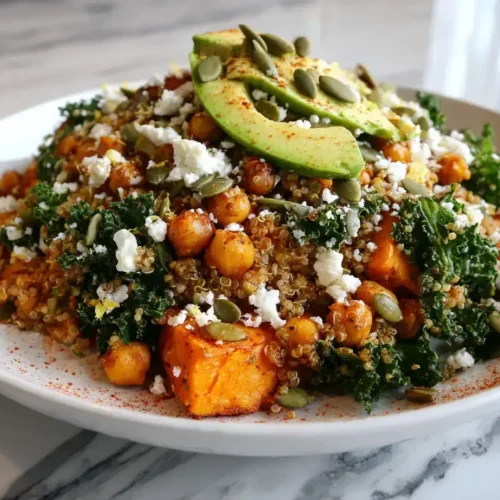
Once you master the basic formula for a vegetable grain bowl, a world of culinary creativity opens up. Don’t be afraid to swap ingredients based on the season or your cravings. The best bowls are often born from a quick scan of the refrigerator! This recipe is a wonderful template, and I encourage you to make it your own.
Take your taste buds on a trip! For an Asian-inspired twist, use brown rice, edamame, shredded carrots, and a ginger-soy dressing. To create a Mediterranean grain bowl, use farro, cucumbers, tomatoes, kalamata olives, and a lemon-oregano vinaigrette. If you love bold flavors, our Banh Mi rice bowls are a must-try fusion dish that follows a similar principle.
Embrace what’s fresh and local. In the fall, try roasted butternut squash and Brussels sprouts. In the summer, use fresh corn, zucchini, and juicy tomatoes. For a winter warmer, our winter veggie bowls are packed with hearty, seasonal comfort. The template remains the same—a grain, a protein, veggies, and a dressing—but the flavors evolve throughout the year.
One of the greatest virtues of a make ahead grain bowl is its fantastic storage capability. With a little planning, you can enjoy a healthy, homemade lunch all week with minimal daily effort. The key is storing the components separately so they don’t get soggy. Then, assembly takes just a minute before you’re ready to eat.
To meal prep this healthy grain bowl recipe, cook a large batch of quinoa and let it cool completely before storing it in an airtight container in the fridge. Roast a big tray of your favorite vegetables and store them separately. Keep your greens, dressings, and crunchy toppings in their own containers. This way, you can mix and match throughout the week without repetition. For a breakfast version, our quinoa veggie breakfast bowl is a great way to start the day.
Prepared components will keep well in the refrigerator for about 4-5 days. The only exception is avocado; it’s best sliced fresh. When you’re ready to eat, simply grab a container of quinoa, warm up your roasted veggies if desired, add a handful of fresh greens, and top with your favorites. In minutes, you have a restaurant-quality nutritious bowl meal that didn’t break the bank or your schedule.
Absolutely! This recipe is naturally gluten-free. Just ensure that any packaged grains you use, like quinoa or certified gluten-free oats, are labeled gluten-free to avoid cross-contamination. All the other ingredients—veggies, chickpeas, seeds, and avocado—are naturally safe for a gluten-free diet.
There are many easy ways to boost protein. You can add a scoop of hummus, a handful of edamame, a soft-boiled egg, baked tofu, or even some leftover grilled chicken. Chickpeas and quinoa are already great sources, but feel free to get creative to make it a more substantial protein grain bowl.
For the best results, reheat the grain and roasted vegetable components separately in the microwave or a skillet. Always add fresh greens, creamy toppings like avocado, and any dressings *after* reheating. This keeps everything from getting mushy.
Of course! Baby spinach is a wonderful, tender alternative that doesn’t require wilting—just add it fresh. Arugula would add a lovely peppery kick. If you prefer heartier greens, Swiss chard or collard greens would also work beautifully when sautéed.
Yes, it’s an excellent make ahead grain bowl candidate! Store the cooked quinoa, roasted veggies, and dressing in separate airtight containers in the fridge for up to 4 days. Assemble your bowls each day, adding the fresh elements like avocado and greens at the last minute.
A simple tahini-lemon sauce is fantastic. A balsamic vinaigrette or a creamy avocado cilantro dressing would also be delicious. The rule of thumb is to match the dressing to the flavor profile you’re aiming for, whether it’s Mediterranean, Asian, or something entirely unique.
My dear friends, I hope this recipe brings as much joy to your table as it does to mine. Remember, a perfect vegetable grain bowl is more than just a meal; it’s a canvas for your creativity and a simple path to nourishing your body with whole, delicious foods. Don’t stress about following the recipe exactly. Use it as a guide, listen to your cravings, and most importantly, have fun in the kitchen. Here’s to many happy, healthy meals shared with those you love!
Welcome to Mac Recipes! I'm here to prove that amazing home-cooked meals don't need to be complicated. From weeknight dinners to weekend treats, I create recipes that fit into your busy life—delicious, doable, and always worth making.
More About Me