Fresh Cottage Cheese Making
This post may contain affiliate links.
Read our Disclaimer.
Leave a Comment ★★★★★
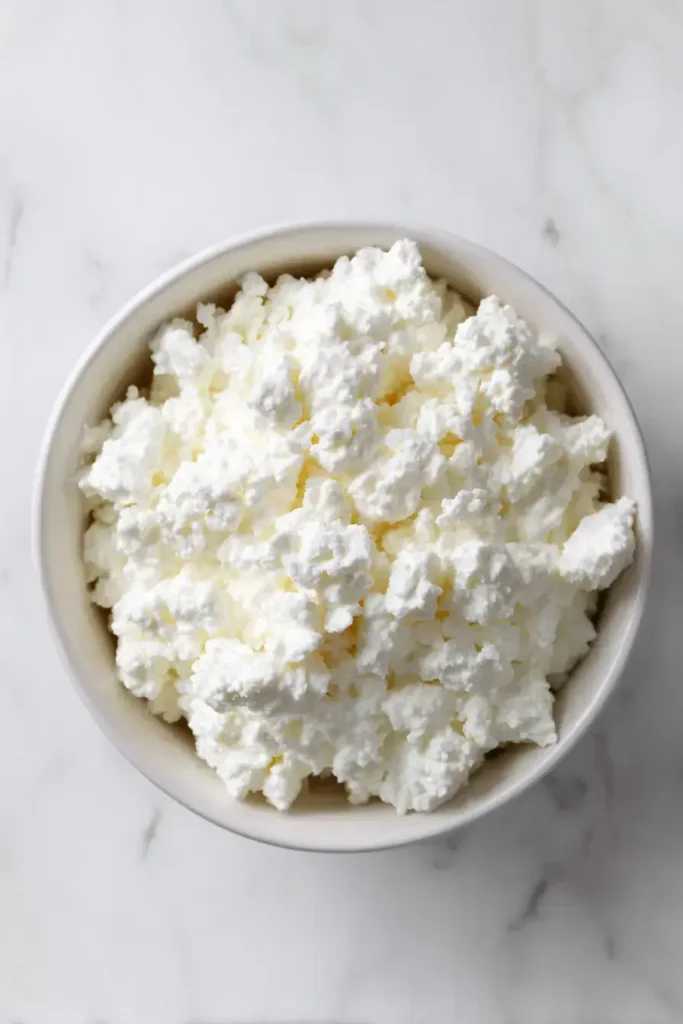
Making Cottage Cheese at home is simpler than you think and delivers professional results with just four ingredients. This fresh cottage cheese recipe gives you complete control over texture and flavor, turning basic dairy into a creamy, wholesome staple for your kitchen.
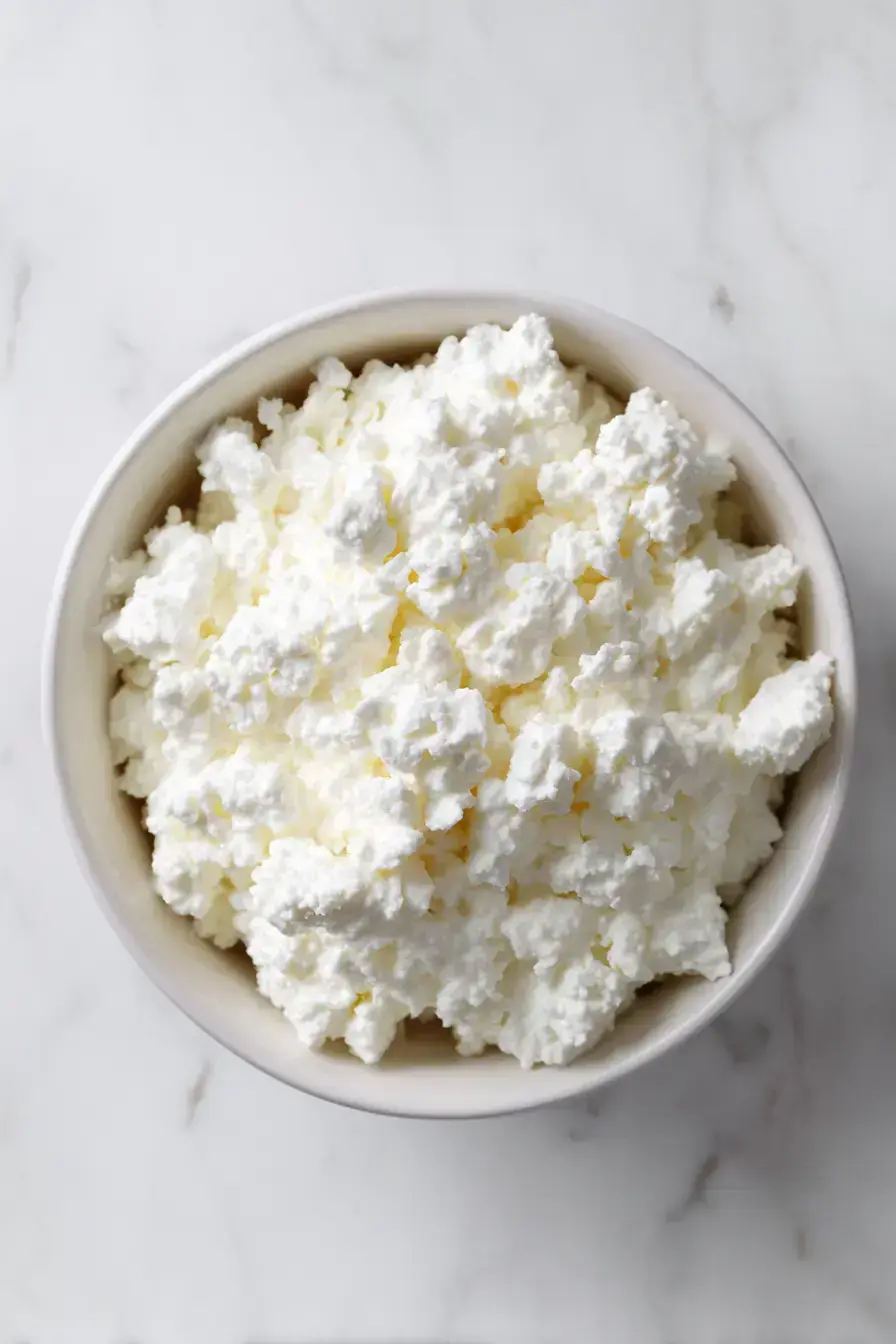
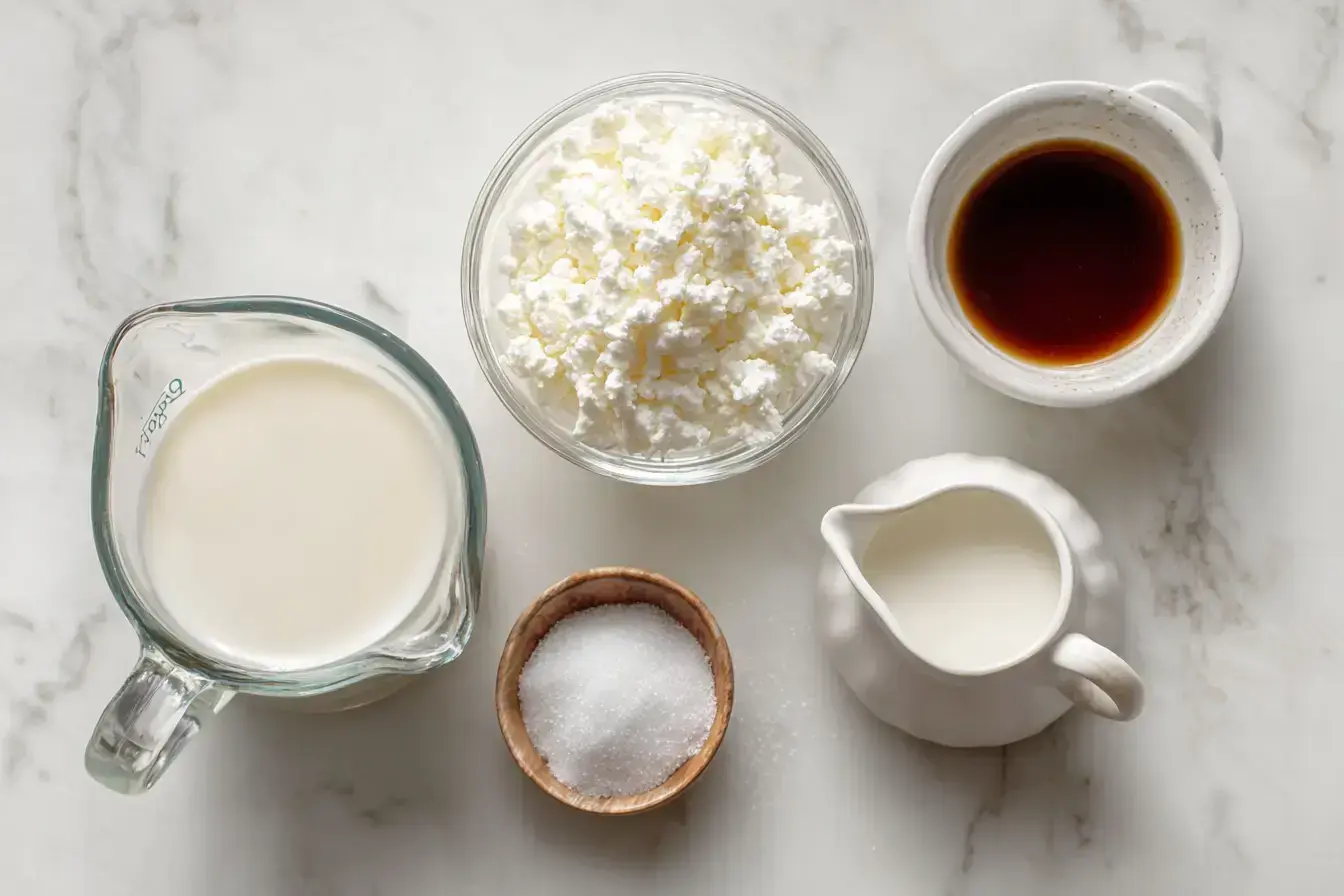
This creamy cottage cheese recipe is incredibly efficient. With just 5 minutes of active prep, you can have a batch ready in under an hour. The majority of the time is hands-off while the milk cultures, making it an easy project for a quiet morning or afternoon.
You will spend about 10 minutes heating the milk and another 5 minutes straining the curds. The crucial resting period takes 30 minutes. This brings the total time to a quick 45 minutes, which is ideal for a fresh cheese you can use immediately. For another recipe that uses a similar hands-off technique, check out my cheesy baked eggs.
This homemade cottage cheese is naturally a great option for those who are sugar-conscious, as it contains no added sugar. Its high protein content also supports glycemic control, making it a satisfying choice.
For a lower-fat version, you can substitute the heavy cream with half-and-half. While the texture will be less rich, the cheese will still be delicious. Always check labels if you require a strict lactose-free product, though the culturing process reduces lactose content.
After testing this method countless times, I’ve found a few professional tweaks that guarantee success. These small technique matters elevate your results from good to exceptional.
Temperature is Everything. Use a digital thermometer to ensure the milk reaches exactly 120°F. Too hot, and the curds become tough; too cool, and they won’t form properly.
Gentle Handling. When straining, avoid squeezing the cheesecloth too aggressively. A gentle press keeps the curds tender and moist, which is the hallmark of a great cottage cheese.
Creamy Add-In. For extra richness, stir a tablespoon of fresh cream back into the finished, salted curds. This mimics the style of traditional small-curd cottage cheese.
Flavor Infusion. For a savory twist, add freshly cracked black pepper, minced chives, or everything bagel seasoning after salting. It transforms it into a perfect snack. For another cheesy, savory application, try this method in my cheesy loaded meatloaf or as a topping for broccoli cheddar soup.
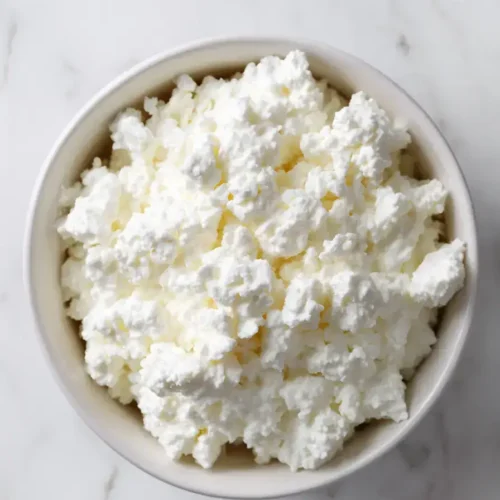
This homemade cottage cheese is a nutritional powerhouse. A single serving is packed with high-quality protein, which is essential for muscle repair and keeping you full. It’s also a fantastic source of calcium and phosphorus, supporting strong bones and teeth.
Because you make it yourself, you know exactly what’s inside—no unnecessary additives or stabilizers. It’s a whole food that fits beautifully into a balanced diet. For more on the benefits of cooking from scratch, the Harvard T.H. Chan School of Public Health offers great resources. If you enjoy protein-rich dishes, you might also love my cheesy orzo or these cheddar bay biscuits.
You can easily adjust this recipe to fit different dietary needs. For a lower-calorie option, use 2% milk and omit the heavy cream entirely. The texture will be less indulgent but still wonderfully fresh.
If you are avoiding dairy, this specific method will not work, as it relies on dairy proteins to form curds. For a similar cheesy flavor in other dishes, explore my broccoli cheddar wraps which can be adapted with vegan cheese.
I love serving this fresh cottage cheese simply, with a drizzle of honey and fresh berries for a classic breakfast. It’s also incredible savory—try it on toasted rye bread with radishes and a sprinkle of salt.
For a protein-packed lunch, mix it into a salad in place of feta or stir it into hot pasta for instant creaminess. The possibilities are truly endless. For another dish that uses cheese as a star ingredient, my cheesy garlic bliss bread is always a crowd-pleaser.
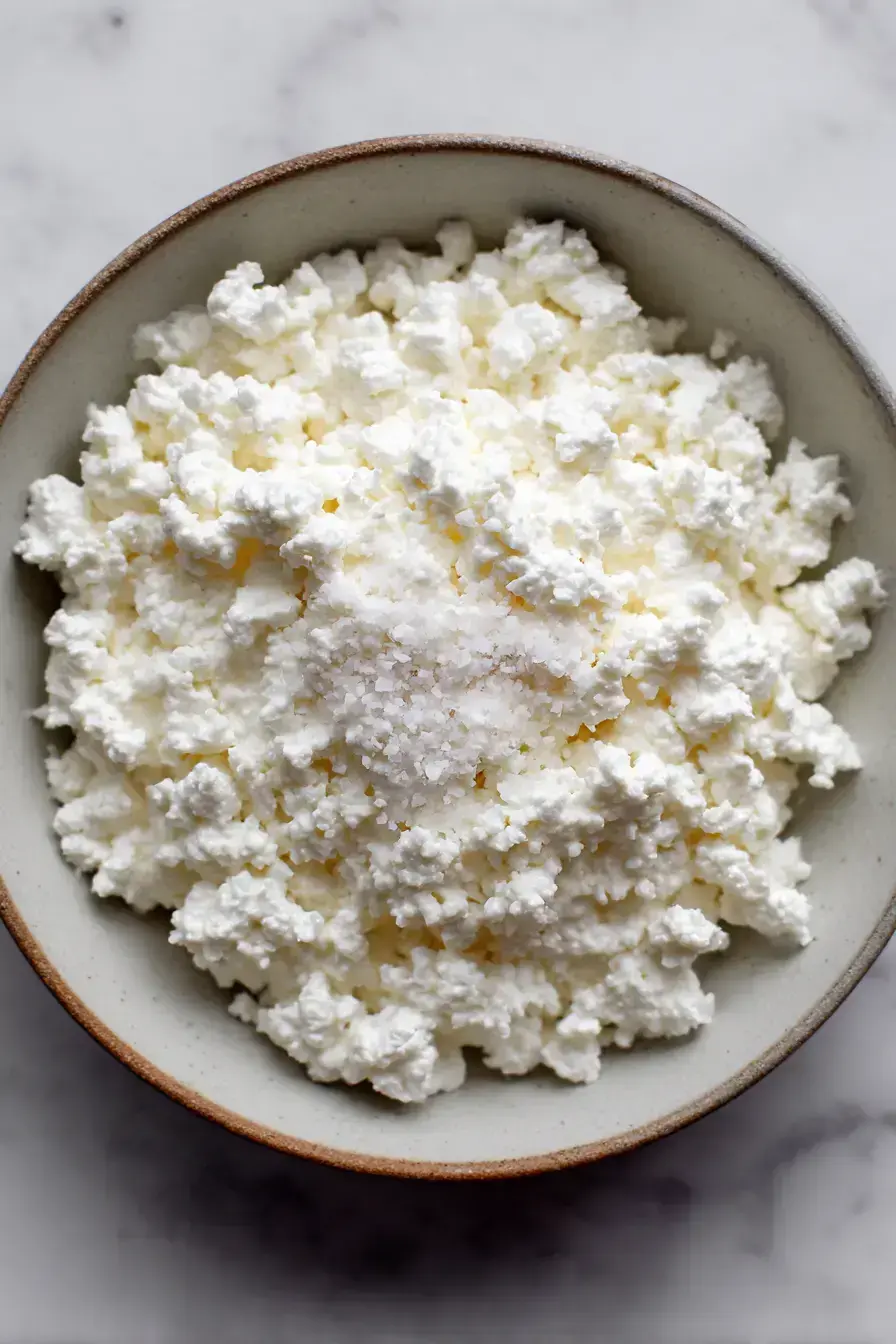
Even experienced cooks can run into issues. Here’s how to avoid the most common mistakes and ensure professional results every time.
Why are my curds tough? This usually happens if the milk gets too hot. Always use a thermometer and pull it from the heat at 120°F. Over-squeezing during straining also creates a dense texture.
Why didn’t my milk separate? If your curds are scant, the milk may have been too cold, or the vinegar was not acidic enough. Always use distilled white vinegar for consistent results.
Why is my cheese too dry? You likely pressed out too much whey. Remember, the goal is moist curds. A gentle squeeze is all you need. For more troubleshooting on dairy-based recipes, the USDA Food Safety site provides excellent guidelines. For another recipe where technique is key, see my tips for mac and cheese or avoiding cracks in a strawberry swirl cheesecake.
Freshness is the greatest advantage of making your own cottage cheese. Store it in an airtight container in the refrigerator for up to one week. Make sure to include a bit of the reserved whey to help keep the curds moist.
I do not recommend freezing it, as the texture becomes watery and grainy upon thawing. It is best enjoyed fresh. For a great use of leftovers, try blending it into a smoothie or using it in a dip. If you’re looking for a baked good that stores well, my cheesy garlic rolls are perfect for making ahead.
I encourage you to try this process. There’s a deep satisfaction that comes from turning simple milk into a beautiful, fresh cheese with your own hands. It’s a foundational technique that opens doors to so many other culinary creations.
Once you master this homemade cottage cheese, you’ll never look at the grocery store tub the same way. The flavor and texture are simply superior. For your next kitchen project, consider pairing it with my raspberry cheesecake bars, mini cheesecake bombs, or a classic creamy mac and cheese. This is how you build real kitchen skills.
If you loved the process of creating something from scratch, you’ll enjoy these other comforting and cheesy recipes. They bring the same level of satisfaction and delicious results.
Classic Cheese Fondue – A fun, interactive dish perfect for gatherings and dipping.
Mini Cheesecake Bombs – Bite-sized treats that are irresistibly creamy and perfect for parties.
Yes, you can use apple cider vinegar, but it will impart a slight fruity flavor to your cottage cheese. For the most neutral taste that lets the dairy flavor shine, distilled white vinegar is the chef’s secret.
When stored in an airtight container in the refrigerator, your fresh cottage cheese will stay fresh for up to 5-7 days. Always give it a quick smell check before using it if it’s been stored for a few days.
Don’t pour it out! The whey is nutritious. Use it to add protein to smoothies, as a liquid for baking bread, or to cook grains like rice or quinoa for a nutritional boost.
A little whey separating is normal. Simply stir it back in. If it’s excessively watery, you may not have strained it long enough. Next time, let it drain for a few extra minutes.

Welcome to Mac Recipes! I'm here to prove that amazing home-cooked meals don't need to be complicated. From weeknight dinners to weekend treats, I create recipes that fit into your busy life—delicious, doable, and always worth making.
More About Me