Easy Sago Pudding
This post may contain affiliate links.
Read our Disclaimer.
Leave a Comment ★★★★★
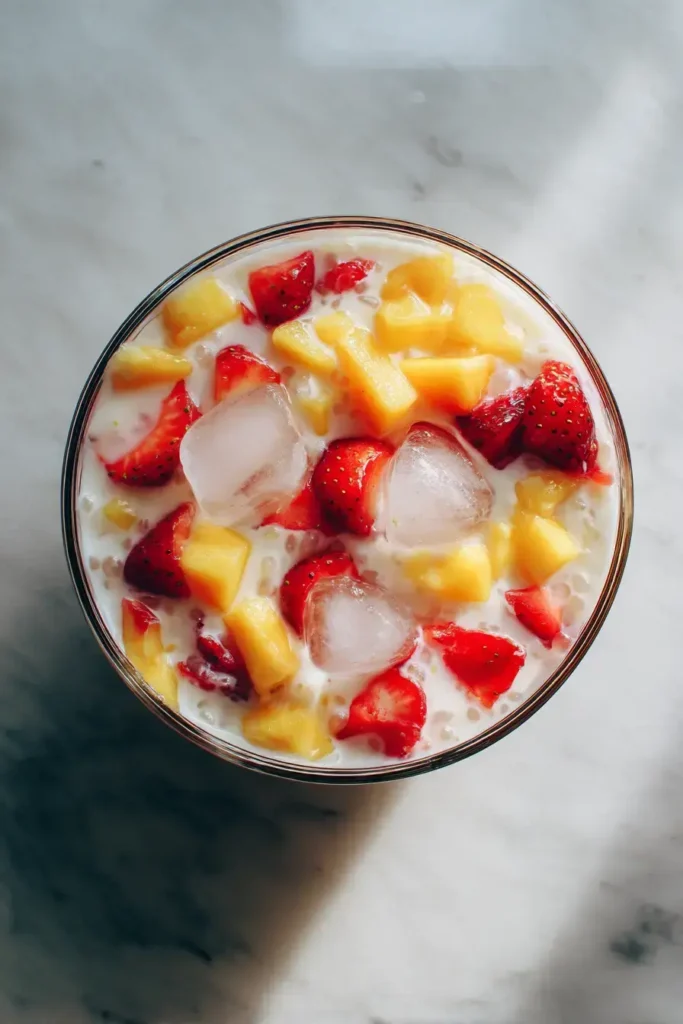
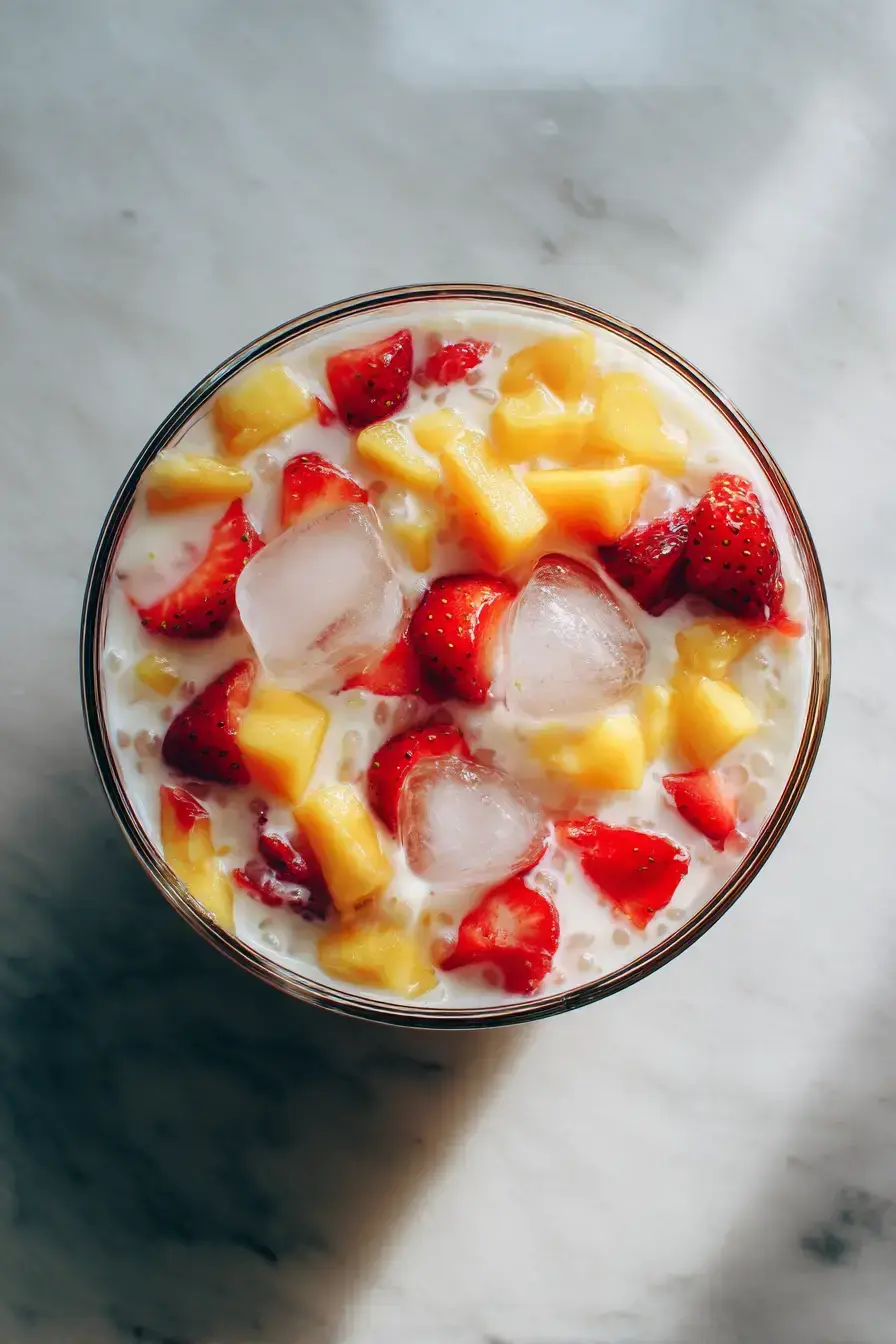
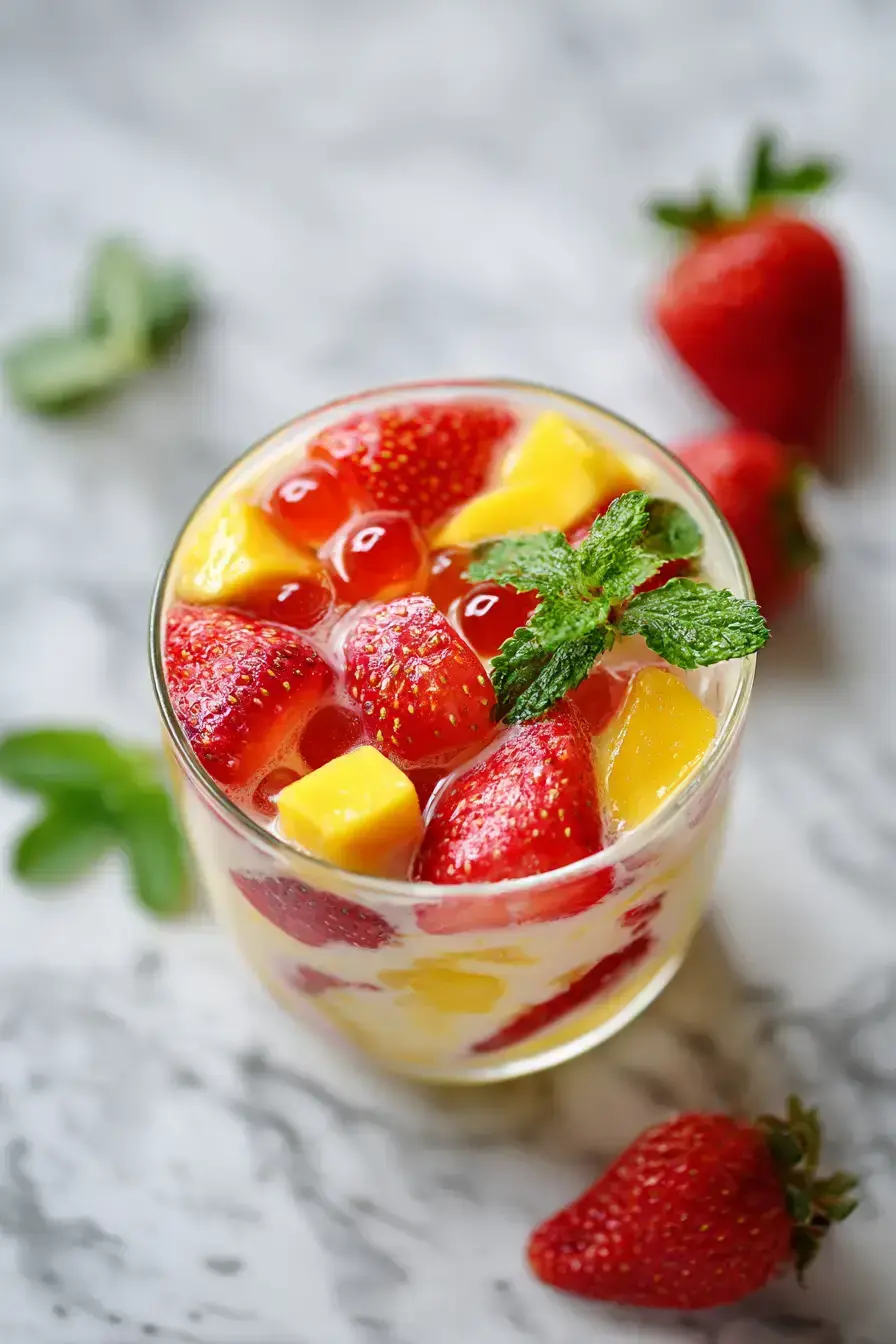
Making a refreshing Strawberry Mango Sago is our family’s favorite way to celebrate summer. This tropical fruit sago pudding is a no-bake delight that comes together with just a few simple steps, offering a cool, creamy treat that’s perfect for warm days.
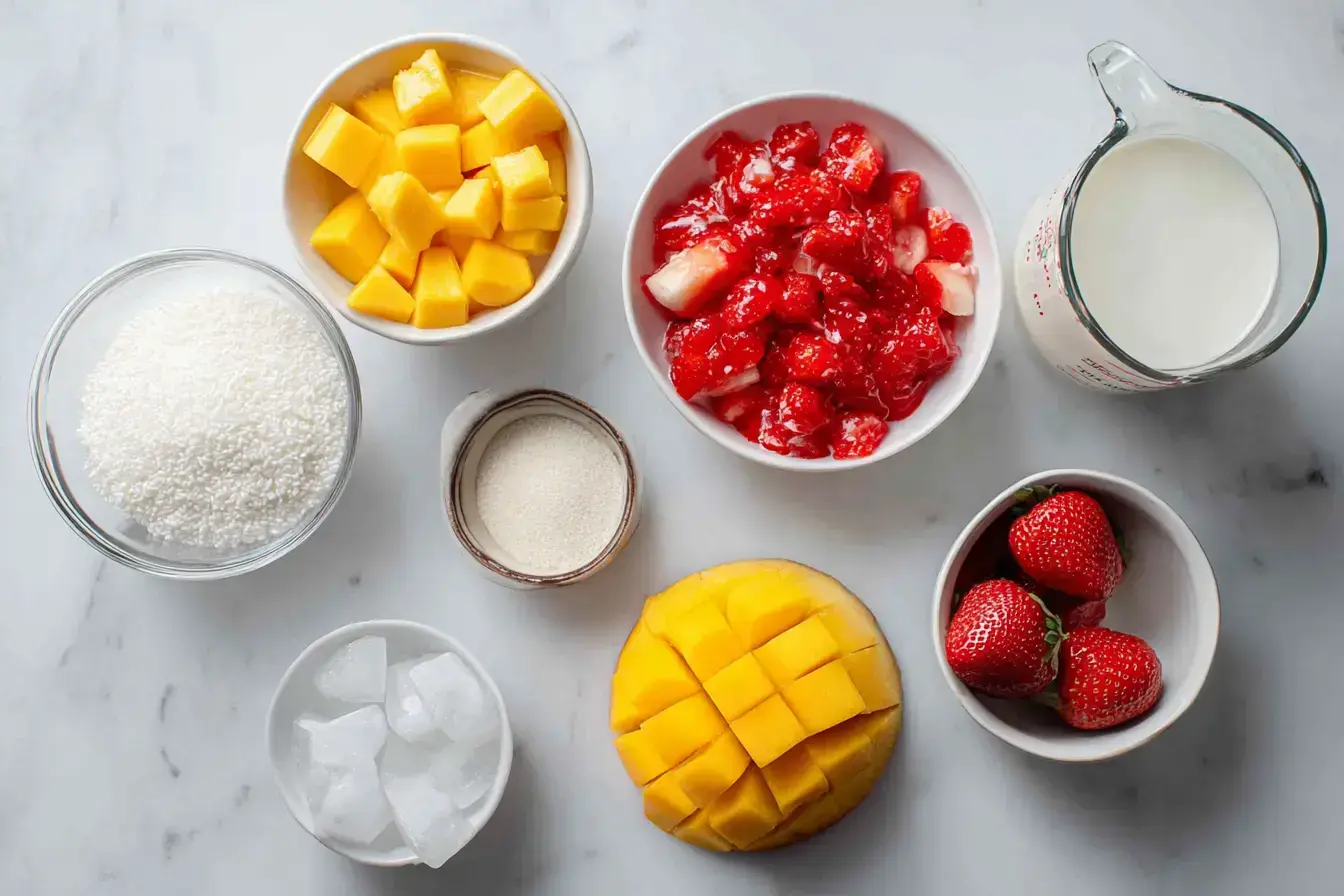
Now, let me share how the timing works for this beautiful dessert. The active preparation takes about 20 minutes of your time, which I find perfect for a weeknight treat.
The cooking itself requires 25 minutes, mostly hands-off while the sago pearls work their magic. This gives you time to prepare the fruit and creamy mixture. The total time comes to 45 minutes plus chilling, making it ideal for planning ahead.
Compared to other desserts, this Strawberry Mango Sago is quite efficient. While it needs chilling time, the active work is minimal. You might also enjoy my strawberry chia pudding if you’re looking for another make-ahead option.
For those watching their sugar intake, this recipe adapts beautifully. I’ve served it to family members who are sugar conscious and they always ask for seconds.
You can reduce the granulated sugar or use natural sweeteners like stevia for a low glycemic version. Another option is to use ripe fruit’s natural sweetness and skip added sugar entirely. Portion control also helps maintain this as a blood sugar friendly treat.
Over the years, I’ve perfected this recipe through much trial and error. These little tips will help you achieve the best results on your first attempt.
First, always rinse the cooked sago pearls thoroughly under cold water. This stops the cooking process and removes excess starch that can make your pudding gummy.
For a flavor twist, try adding a splash of citrus juice to brighten the fruits. If you’re serving this for a special occasion, consider my strawberry swirl cheesecake as another delightful option.
When dicing your mango, make uniform pieces so they distribute evenly throughout. For another tropical fruit idea, check out my tropical smoothie bowl recipe.
This dessert is best served the same day but will keep refrigerated for up to two days. The sago will continue to absorb liquid, so you may need to add a splash of milk before serving leftovers.
This delightful dessert offers more than just incredible taste. The combination of fruits and coconut milk provides several nutritional advantages worth mentioning.
Mangoes are rich in vitamins A and C, supporting immune health and vision. Strawberries contribute additional vitamin C and valuable antioxidants. Together, they make this fruit sago pudding a nutrient-dense treat.
The coconut milk provides medium-chain triglycerides, which are easily metabolized for energy. For another healthy dessert option, consider my coconut quinoa pudding. If you enjoy fruit-based desserts, you might also appreciate winter fruit salad with lime dressing.
While this is a dessert, it contains more natural fruit and less processed sugar than many alternatives. As with all sweets, enjoy it as part of a balanced diet.
If you prefer a lighter take on this classic, a few simple adjustments work beautifully. I often make these changes when serving guests with different dietary preferences.
You can replace the evaporated milk with additional coconut milk or a light coconut milk. For reduced sugar, decrease the granulated sugar by half and allow the natural fruit sweetness to shine through. Another option is to use almond milk or oat milk as the base for a different flavor profile.
I remember my grandmother serving this dessert in pretty glass bowls, showing off the colorful layers of fruit and creamy sago. She always said we eat with our eyes first, and she was right.
Serve your dessert chilled over ice cubes for the most refreshing experience. It pairs wonderfully with other tropical flavors or as a light finish to richer meals. For another strawberry dessert option, try my strawberry shortcake truffles. If you’re planning a full menu, vegan mango tacos make a wonderful main course.
Over the years, I’ve seen a few common issues that can affect your results. Let me help you avoid them so your dessert turns out perfectly.
Undercooking the sago pearls leaves them with hard centers that are unpleasant to eat. Make sure they become fully translucent before you drain and rinse them. Overcooking can make them mushy, so watch them carefully during the last few minutes.
Another common error is not dissolving the sugar completely in the milk mixture. Whisk vigorously until you no longer feel graininess when you taste a small amount. For another recipe where sugar dissolution matters, check strawberry sugar cookies.
Adding the fruit while the sago is still warm can cause the strawberries to bleed color and become mushy. Always ensure everything is cooled before combining. For those who love mango in savory dishes, Vietnamese mango wraps offer a wonderful alternative.
I once made the mistake of skipping the chilling time and serving it immediately. The flavors hadn’t melded properly, teaching me that patience is indeed a virtue in dessert making.
We rarely have leftovers of this dessert in our house, but when we do, I store them properly. My grandchildren know to check the refrigerator for any remaining portions.
Store any leftover dessert in an airtight container in the refrigerator for up to two days. The sago will continue to absorb liquid, so you may need to add a splash of milk or coconut milk when serving leftovers. This dessert doesn’t freeze well as the texture changes significantly when thawed.
This recipe holds a special place in my heart, reminding me of family gatherings and summer celebrations. The combination of sweet mango and bright strawberries against the creamy sago base never fails to bring smiles.
I encourage you to make this for your next family meal or gathering with friends. It’s simpler than it looks and always impresses guests. For more strawberry inspiration, try strawberry cheesecake cookies or strawberry icebox cake. If you enjoyed this, you might also appreciate chocolate strawberry yogurt clusters or Valentine strawberry cookies for other occasions.
This Strawberry Mango Sago represents generations of family love and tradition in every spoonful. From our table to yours, may it bring you as much joy as it has brought my family.
If you enjoyed this tropical treat, you might appreciate these other light and fruity desserts that perfect for warm weather entertaining.
Strawberry Leek Salad – A surprising combination that creates a sweet and savory side dish perfect for summer meals.Sago comes from the pith of tropical palm stems, particularly the sago palm. It’s processed into starch and formed into the pearls we use in this Strawberry Mango Sago recipe. These pearls become translucent when cooked and provide a delightful texture to desserts.
Yes, frozen mango and strawberries work well in this recipe. Thaw them completely and drain any excess liquid before adding to your Strawberry Mango Sago. The texture may be slightly softer than fresh fruit, but the flavor will still be wonderful.
Sago pearls typically take about 15 minutes of simmering plus 10 minutes of resting off heat to become fully translucent. The exact time can vary slightly by brand, so watch for when the white centers disappear in your Strawberry Mango Sago preparation.
Absolutely! For a vegan version of this Strawberry Mango Sago, replace the evaporated milk with additional coconut milk or a plant-based milk. Ensure your sugar is vegan-friendly (some sugars use bone char in processing). The result will be just as delicious.

Welcome to Mac Recipes! I'm here to prove that amazing home-cooked meals don't need to be complicated. From weeknight dinners to weekend treats, I create recipes that fit into your busy life—delicious, doable, and always worth making.
More About Me