Cheesecloth Turkey Cooking Hack
This post may contain affiliate links.
Read our Disclaimer.
Leave a Comment ★★★★★
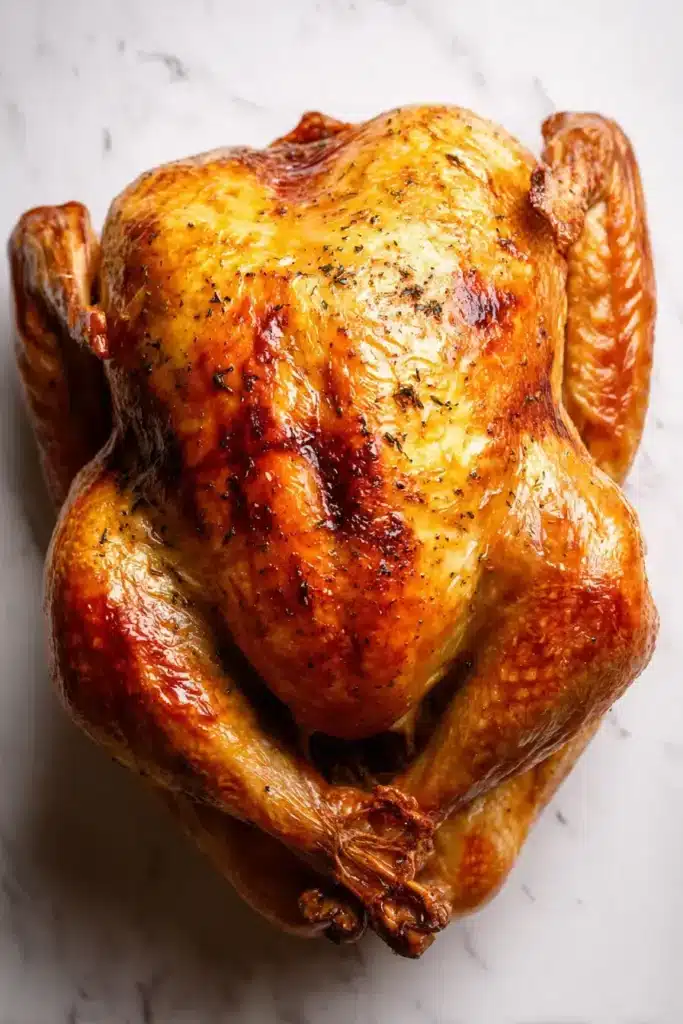
Master the cheesecloth turkey hack for the juiciest, most flavorful bird you’ve ever roasted at home. This professional technique uses a simple butter-soaked cloth to lock in moisture and create a perfectly golden, restaurant-quality skin with minimal effort. Let me show you how this chef-approved method delivers exceptional results every time.
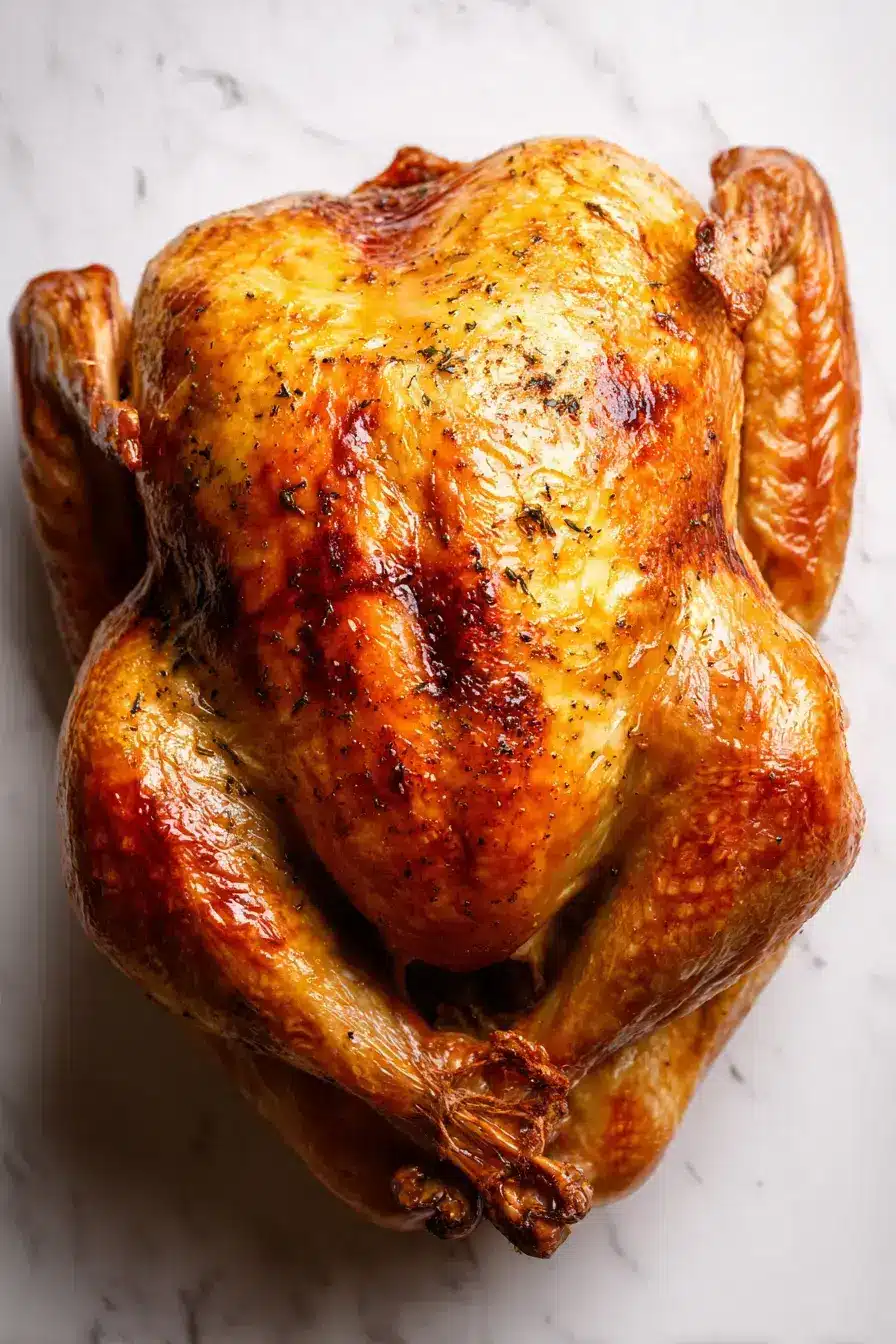
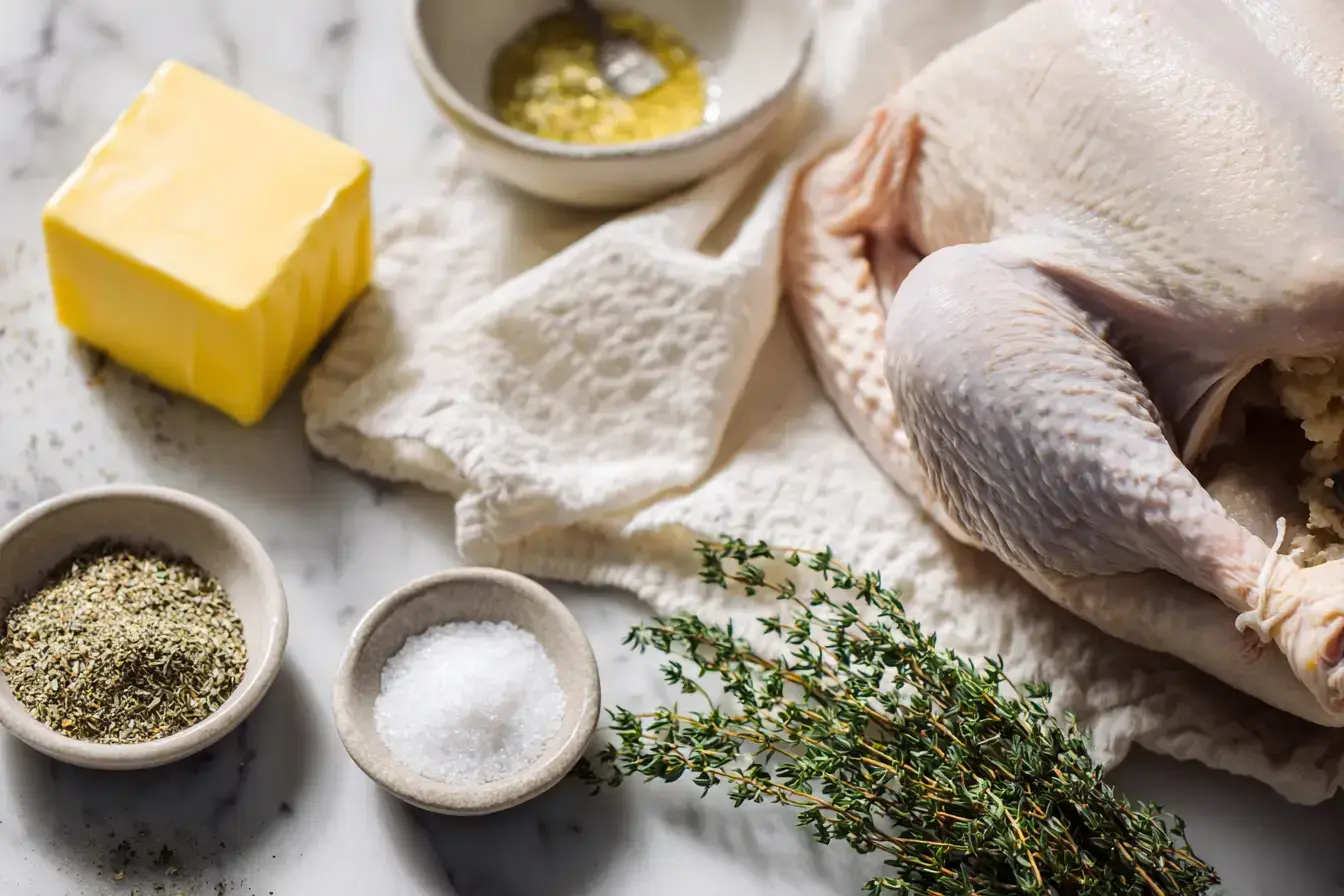
This cheesecloth turkey hack requires some patience but delivers incredible results. With just 20 minutes of active preparation, your turkey roasts hands-off for about 3 hours and 15 minutes. You’ll have a magnificent centerpiece ready in under 4 hours total.
The extended cooking time allows the butter to slowly penetrate the meat while the cheesecloth protects it from drying out. Compared to traditional methods, this moist turkey recipe significantly reduces active cooking time since you’re not basting constantly. For a similar cooking method with poultry, try my crispy garlic chicken that uses a different technique for juicy results.
This cheesecloth turkey hack can easily adapt to various dietary needs. For sugar-conscious or diabetic-friendly meals, ensure your chicken broth has no added sugars. The natural juices from the turkey provide plenty of flavor without needing sweeteners.
Consider using salt-free herb blends if monitoring sodium intake. The butter can be replaced with olive oil for a different fat profile. Portion control remains important for glycemic management, so plan servings accordingly with plenty of vegetable sides.
After testing this cheesecloth turkey method countless times in professional kitchens, I’ve gathered my best advice. These tips will help you avoid common pitfalls and achieve the best possible results with this technique.
Flavor Swap: Add orange zest to your butter mixture for a citrus note that cuts through richness. Diet Tweak: Use ghee instead of butter for a lactose-free option. Texture Fix: Pat your turkey extremely dry before applying the cheesecloth for crispier skin. Storage Tip: Remove meat from bones before refrigerating for easier storage and quicker cooling.
For other poultry dishes that use different techniques, my sheet pan chicken offers a complete meal approach. If you enjoy these herb flavors, try them in turkey meatballs for a different application.
This cheesecloth turkey hack provides lean protein essential for muscle maintenance and repair. Turkey is naturally rich in B vitamins, particularly B6 and niacin, which support energy production and cognitive function. The cooking method minimizes added fats since the butter mostly stays on the surface.
Using skin-on turkey during roasting helps retain moisture, but you can remove it before eating for lower fat content. The broth steaming method creates natural juices without needing additional oils. For vegetable sides that complement this nutrition profile, consider roasted broccoli or roasted asparagus. The USDA recommends poultry as part of a balanced diet for its high-quality protein content.
For a lighter take on this cheesecloth turkey hack, reduce the butter by half and supplement with chicken broth on the cloth. You can also use olive oil instead of butter for a different fat profile with health benefits. Remove the skin before serving to significantly reduce fat content while still enjoying moist meat from the cooking method.
Herb-heavy rubs add flavor without calories. Consider using a salt-free seasoning blend if monitoring sodium intake. For complementary lighter sides, try roasted root vegetables with just a light oil coating.
I always feel a sense of pride when presenting a perfectly roasted turkey using this cheesecloth method. The golden-brown skin and incredible aroma make it a showstopping centerpiece for any gathering. Let the turkey rest properly before carving to ensure juicy slices.
Serve with classic sides that complement the rich flavors. Creamy potatoes like garlic herb potato gratin pair beautifully with the turkey’s savory notes. For stuffing options, both grandma’s classic stuffing and herb stuffing work wonderfully with this preparation method.
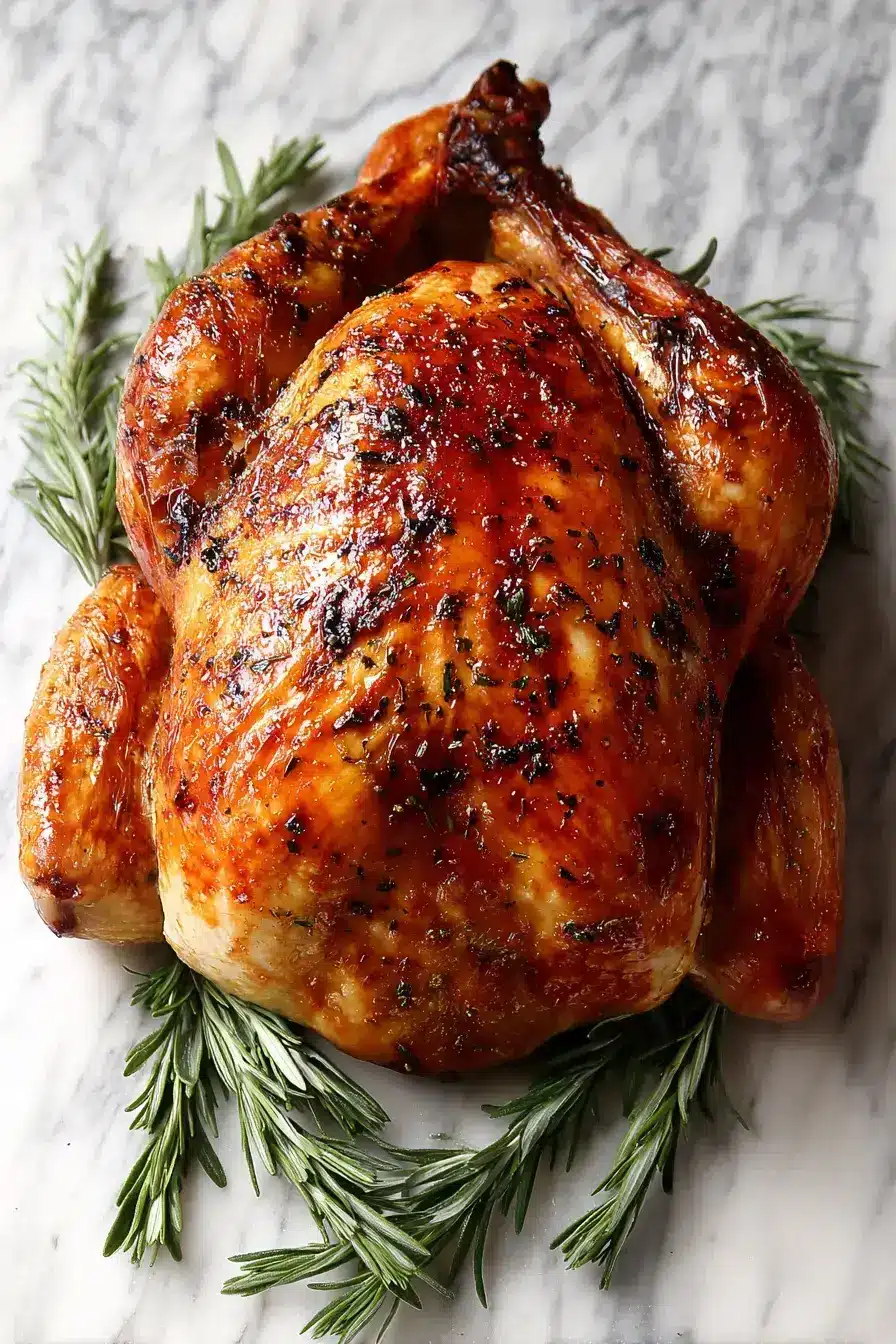
Many home cooks struggle with dry turkey, but this cheesecloth method solves that problem. However, people still make avoidable errors. Understanding these common pitfalls will ensure your success with this technique.
Using too small a cheesecloth leaves parts exposed and defeats the purpose. Not fully saturating the cloth in butter reduces its effectiveness. Removing the cheesecloth too early prevents it from doing its protective work. Opening the oven frequently to check disrupts the cooking environment.
Another mistake is not letting the turkey rest, which causes juices to escape. For other cooking techniques that require similar attention to rest times, check out my honey garlic chicken thighs. The Food Safety and Inspection Service recommends always using a meat thermometer to ensure proper doneness without guesswork.
I always make extra turkey because the leftovers are incredibly versatile. Remove meat from bones within two hours of cooking and store in airtight containers. Properly stored, your turkey will last 3-4 days refrigerated or up to 3 months frozen.
Use leftover turkey in soups like turkey taco soup for a completely different meal experience. The moist meat from this cheesecloth method holds up well to reheating without drying out.
This cheesecloth turkey hack transformed how I approach holiday cooking and weeknight poultry. The method consistently delivers moist, flavorful results that impress guests and family alike. I encourage you to try this professional technique for your next special meal.
The combination of simple ingredients and innovative method makes this approach accessible to all home cooks. Once you master this cheesecloth turkey hack, you’ll never return to traditional roasting methods. For more turkey inspiration, explore our complete thanksgiving turkey guide that covers various preparation methods.
If you enjoyed this cheesecloth turkey method, you’ll love these other comforting dishes that perfect your holiday table. Each recipe brings something special to create memorable meals.
Cheesy Garlic Bliss Bread – Pull-apart bread loaded with garlic and melted cheese.
Cheesy Garlic Rolls – Individual rolls perfect for sopping up turkey juices.
Roasted Sweet Potatoes – Caramelized sweet potatoes with crispy edges.
Herb Stuffing – Classic herb-packed stuffing with perfect texture.
The cheesecloth turkey hack involves soaking cheesecloth in seasoned butter and draping it over the turkey before roasting. This creates a continuous basting effect that keeps the meat incredibly moist while promoting even browning. It’s a professional technique adapted for home cooks.
The butter-soaked cheesecloth acts as a protective barrier that slowly releases moisture and fat throughout cooking. It prevents the turkey from drying out while allowing heat to circulate properly. This method essentially creates a steamy microenvironment around the bird.
No, you should discard the cheesecloth after use. It absorbs turkey juices and fats during cooking, making it unsuitable for reuse. Always use fresh cheesecloth for each application to ensure food safety.
You need a single piece large enough to completely cover the entire turkey with some overhang. For a 12-14 pound bird, a 2-foot square typically works well. The cloth should drape over the breast, legs, and wings without stretching taut.

Welcome to Mac Recipes! I'm here to prove that amazing home-cooked meals don't need to be complicated. From weeknight dinners to weekend treats, I create recipes that fit into your busy life—delicious, doable, and always worth making.
More About Me