Homemade Sourdough Rolls
This post may contain affiliate links.
Read our Disclaimer.
Leave a Comment ★★★★★
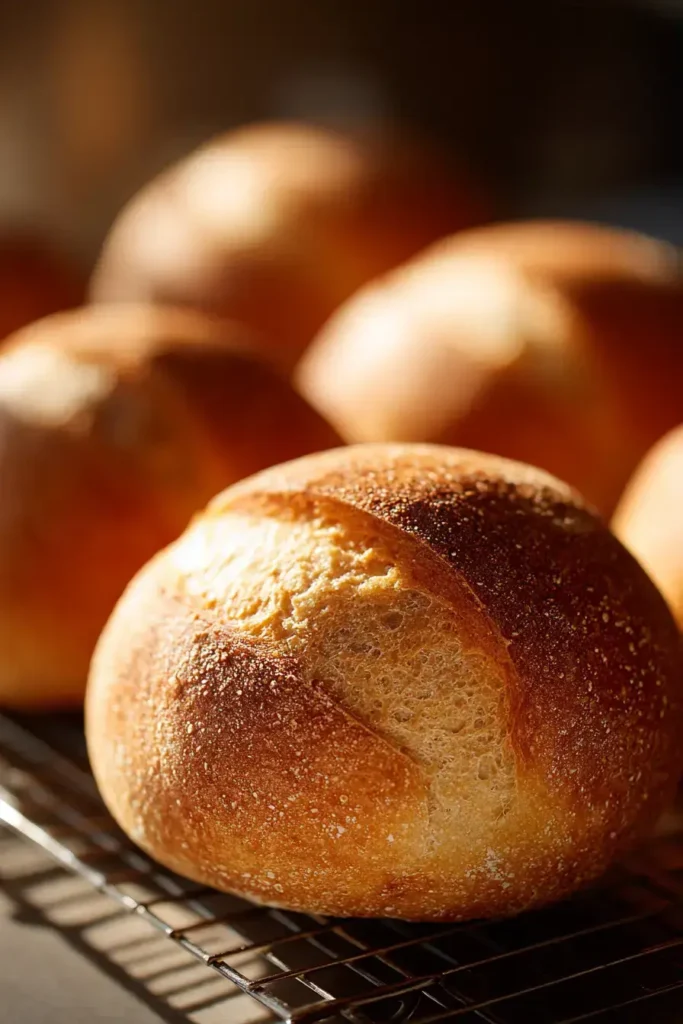
Making Sourdough Rolls from scratch is one of the most rewarding kitchen traditions, filling your home with a warm, tangy aroma that speaks of generations past. These Homemade Sourdough Rolls are soft, fluffy, and carry that distinct artisan character we all love.
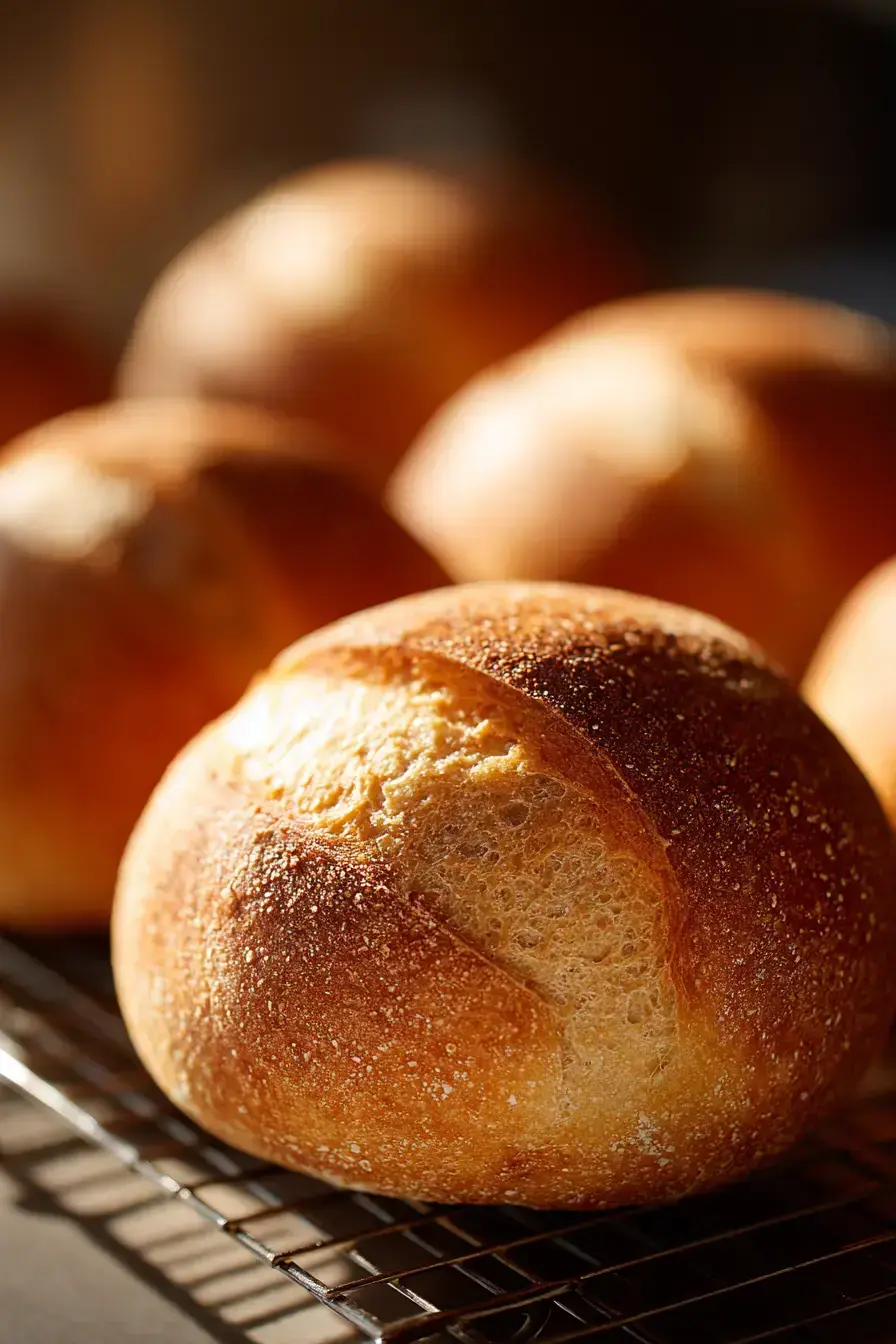
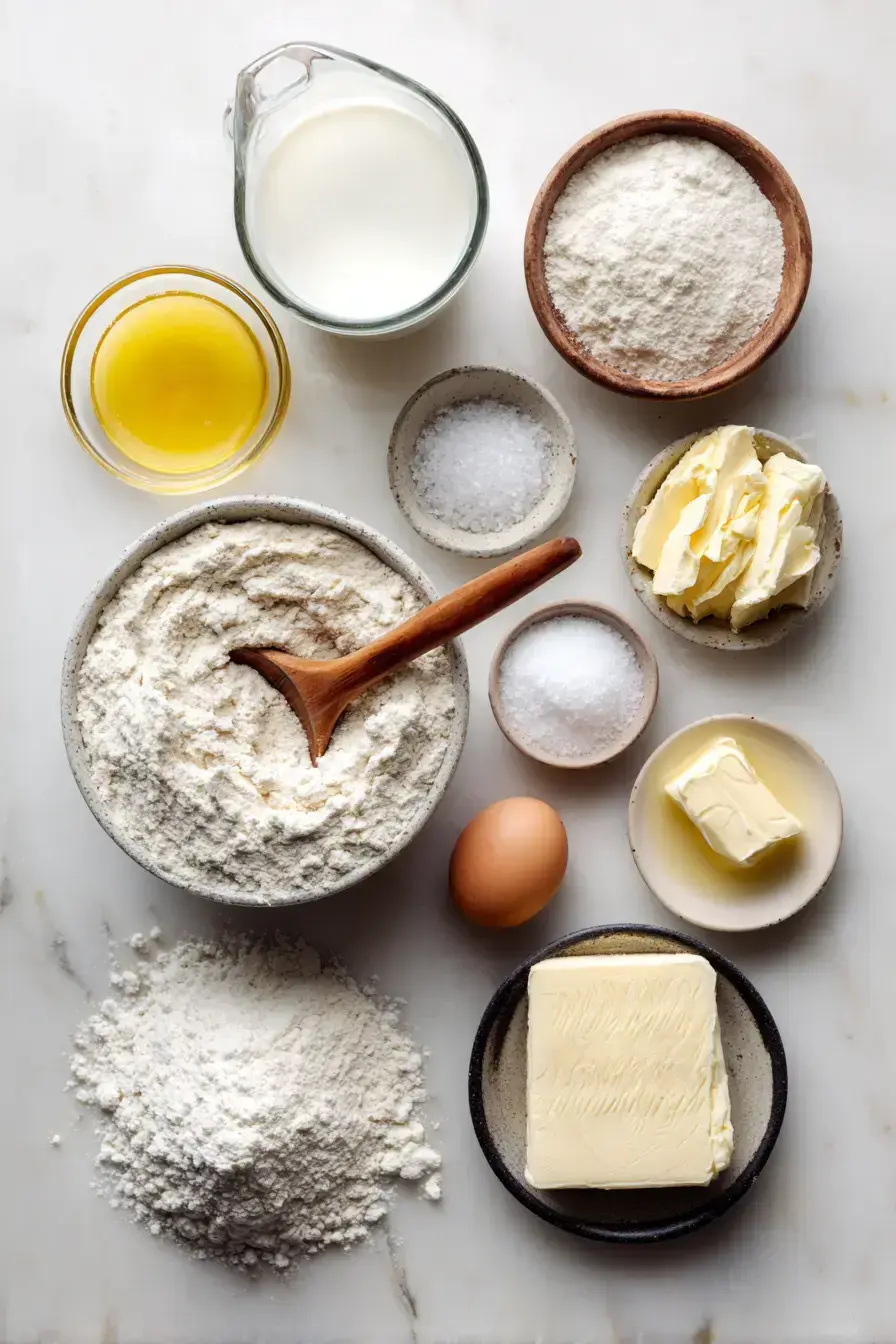
Now, cara mia, making these Easy Sourdough Rolls is not a rushed affair. It’s a slow, cozy ritual. The active time is only about 30 minutes of prep and 25 minutes of baking.
However, the magic happens during the rising times. The first rise takes 4 to 6 hours, and the second proofing is another 1 to 2 hours. So, the total time from start to finish is about 7 to 8 hours. But most of that is hands-off, waiting for the yeast to work its magic. It’s a perfect recipe for a relaxed weekend. For a quicker bread option, you might enjoy my Cheddar Bay Biscuits on a busy weeknight.
I believe everyone should have a place at the table. If you are sugar conscious or managing your intake, you can make a few simple adjustments to these rolls. For instance, the small amount of sugar is primarily to feed the yeast. You could experiment with a natural sweetener like a touch of honey, though it may change the browning slightly.
Another idea is to simply enjoy a smaller portion. One of these satisfying rolls is often plenty. Remember, the fermentation process of the sourdough starter can also have a positive effect on the final product’s characteristics.
Over the years, I’ve learned a few secrets to make these rolls truly exceptional. First, always ensure your starter is bubbly and active—it should pass the float test. If you love the flavor of garlic, try adding a teaspoon of garlic powder to the dough for a savory twist, similar to the spirit of my Cheesy Garlic Rolls.
For a lighter texture, you can replace one cup of all-purpose flour with bread flour. To keep them soft after baking, store them in an airtight container once completely cool. And if you have leftovers, they make incredible mini sandwiches or can be turned into croutons for a salad, much like you would with a loaf from my Cheesy Garlic Bliss Bread recipe.
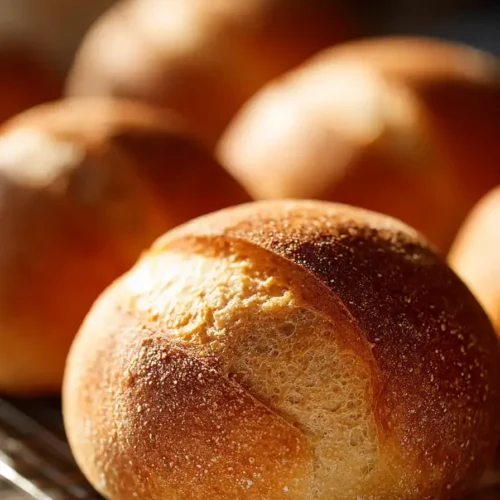
These Sourdough Rolls are more than just delicious. The fermentation process involved in making sourdough can help pre-digest some of the starches in the flour, which some people find makes it easier to digest. They are a source of carbohydrates for energy.
When you make them at home, you control the ingredients, avoiding any unnecessary additives. For a side dish that’s also packed with wholesome ingredients, pair your rolls with my Garlic Herb Potato Gratin. You can learn more about the fermentation process from reliable sources like King Arthur Baking. And for another comforting carbohydrate option, try my Loaded Mashed Potatoes.
If you’re looking for a slight variation, you can use low-fat milk instead of whole milk. The texture will still be lovely. You can also brush the tops with a little olive oil instead of butter after baking for a different flavor profile.
For a different kind of roll altogether that uses a unique dough, explore my recipe for Homemade Pizza Rolls. They are a fun, handheld treat.
I remember my Nonna always bringing a basket of warm bread to the table before the main course. It’s a gesture of welcome. Serve these Artisan Sourdough Rolls warm from the oven, brushed with that melted butter. They are perfect for sopping up sauces from a hearty stew or alongside a simple soup.
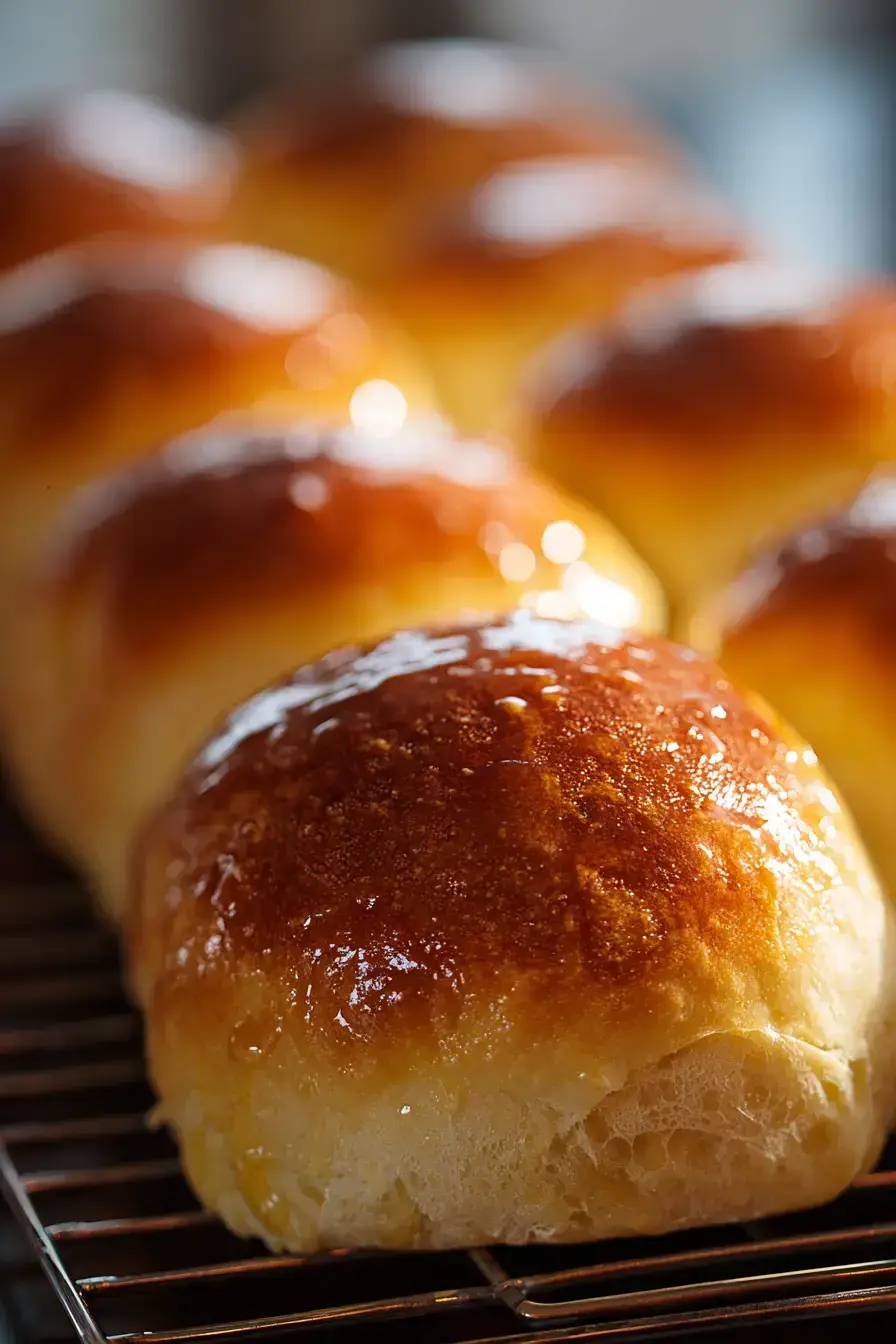
For a full feast, they pair beautifully with a classic roast chicken or a holiday meal. Consider serving them with other classic sides like my Cornbread Stuffing or some Garlic Parmesan Potato Wedges. Don’t forget a dish for dipping them in, like my Irresistible Olive Oil Bread Dip.
Let’s talk about a few common hiccups so you can avoid them. First, using a sleepy starter that isn’t active enough will result in dense rolls. Make sure it’s ripe and ready. Second, adding too much flour during kneading makes the dough tough. The dough should be slightly tacky, not dry.
Third, not letting the rolls proof long enough the second time. They should look puffy and jiggle when you tap the pan. If you rush this, they won’t be as light. For more baking insights, check out resources from Serious Eats. And if you love cinnamon rolls, learn from common issues with my Red Velvet Cinnamon Rolls or my Apple Pie Cinnamon Rolls.
I’ve made all these mistakes myself over the years! But each time, you learn, and the next batch is even better. That’s the beauty of baking.
We always made extra bread to last the week. Once your rolls are completely cool, store them in a bread box or a paper bag at room temperature for up to 2 days. For longer storage, wrap them tightly and freeze for up to 3 months.
To refresh them, thaw at room temperature if frozen, then warm in a 300°F oven for 5-10 minutes. They also make fantastic breadcrumbs or a base for Baked Potatoes topped with a crunchy stuffing, or you can use stale rolls in a savory bread pudding.
This recipe is a piece of my family’s history, and I’m so happy to share it with you. There is nothing quite like the smell of baking bread and the joy of breaking a warm roll with loved ones. I promise, the effort is worth it.
If you enjoy these, you might also like to try your hand at other baked goods. My Homemade Dinner Rolls are a classic, or for something sweeter, there are Cinnamon Roll Sugar Cookies and the decadent Ooey Gooey Date Caramel Cinnamon Rolls. From our table to yours, I hope you love making these Sourdough Rolls as much as we do.
If you enjoyed the process of making these artisan rolls, here are a few more heartfelt recipes to fill your kitchen with warmth and wonderful aromas.
Homemade Dinner Rolls – A timeless, soft yeast roll that’s perfect for any gathering.
Cheesy Garlic Rolls – Savory, cheesy, and utterly irresistible pull-apart rolls.
Cinnamon Roll Sugar Cookies – All the cozy flavor of cinnamon rolls in a fun, slice-and-bake cookie.
Yes, you can substitute up to half of the all-purpose flour with whole wheat flour for your Sourdough Rolls. The rolls will be denser and have a nuttier flavor, so it’s a great way to add whole grains. Just note that you may need a bit more liquid as whole wheat flour absorbs more water.
An active starter should be bubbly, have a pleasant, slightly sour aroma, and should have roughly doubled in volume after a feeding. A good test is the “float test”: drop a small spoonful of starter into a glass of water. If it floats, it’s ready to leaven your Sourdough Dinner Rolls.
Dense Sourdough Rolls are often caused by an inactive starter, under-proofing (not letting the dough rise long enough), or adding too much flour. Ensure your starter is lively, be patient with the rising times, and aim for a slightly tacky, not dry, dough during kneading for a lighter texture.
Absolutely. You can let the dough have its first rise in the refrigerator overnight (for about 8-12 hours) instead of at room temperature. This slow, cold fermentation develops even more flavor. In the morning, let it come to room temperature, then shape, proof, and bake your Easy Sourdough Rolls as directed.

Welcome to Mac Recipes! I'm here to prove that amazing home-cooked meals don't need to be complicated. From weeknight dinners to weekend treats, I create recipes that fit into your busy life—delicious, doable, and always worth making.
More About Me