Smooth Ermine Frosting
This post may contain affiliate links.
Read our Disclaimer.
Leave a Comment ★★★★★
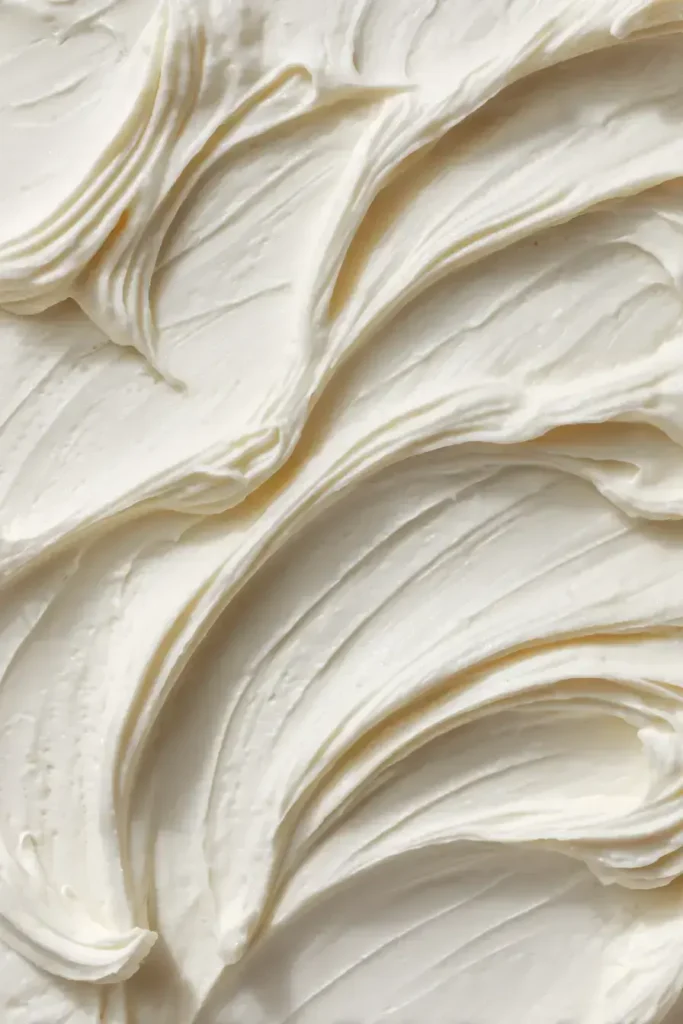
Creating Ermine Frosting is a professional technique that yields a silky, not-too-sweet buttercream perfect for cakes and cupcakes. This flour-based frosting, also known as boiled milk frosting, is incredibly stable and has a wonderfully light texture that holds its shape beautifully.
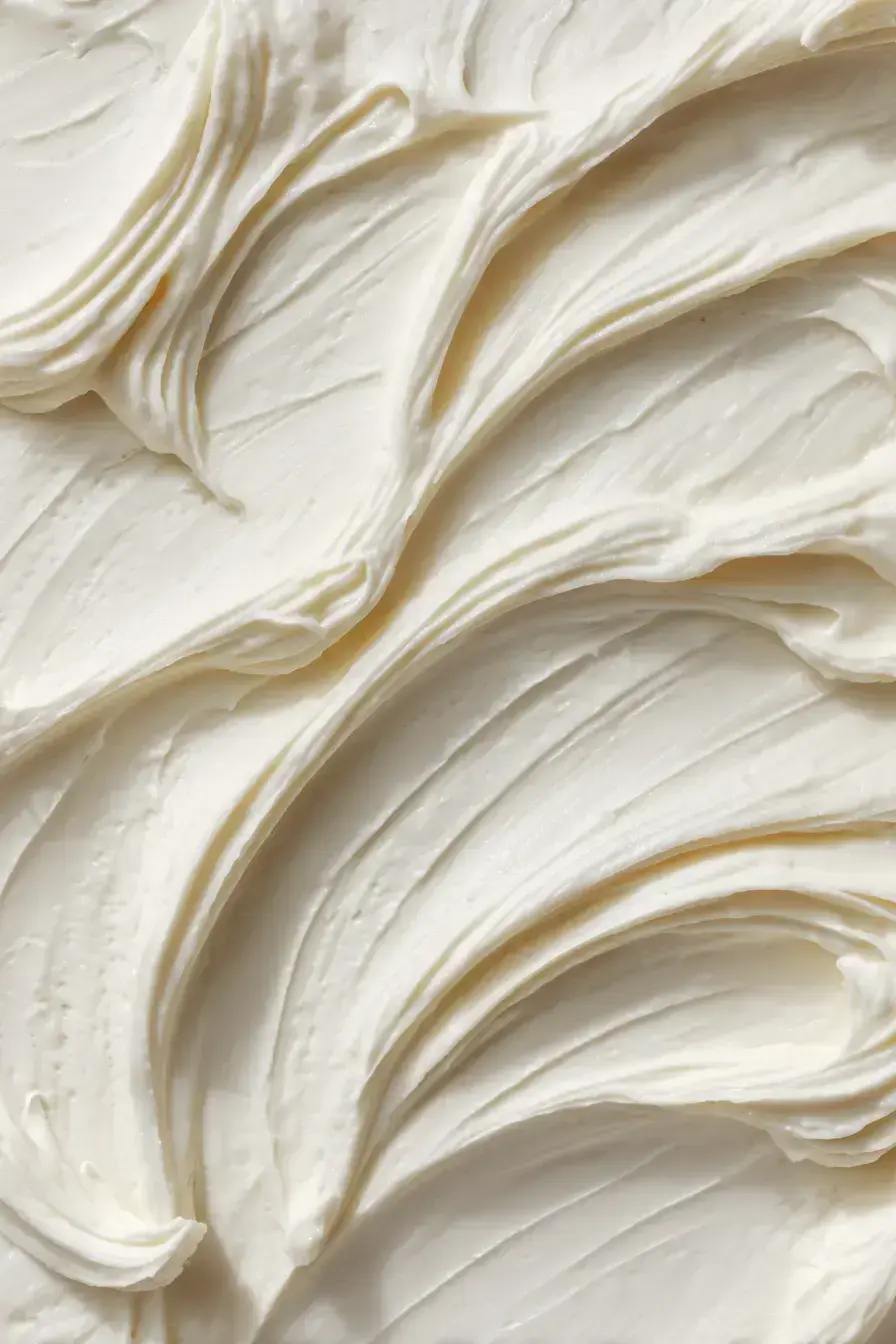
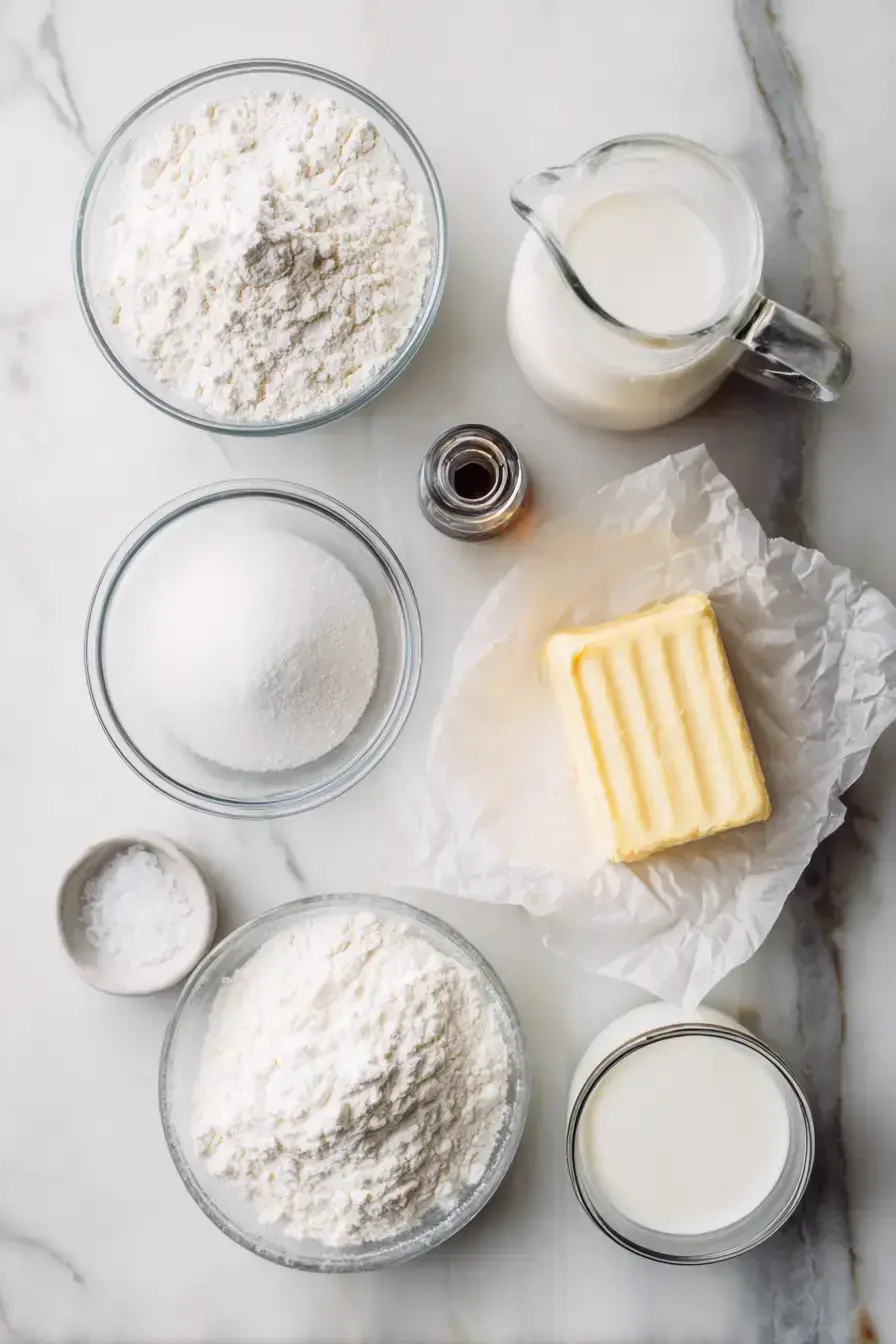
I want to reassure you that the timing for this Ermine Frosting is very manageable. While the total time is about 20 minutes, most of that is hands-off while the flour paste cools. The active cooking time is just 10 minutes, making this a relatively quick project.
The key is planning ahead for the cooling step. You’ll spend about 10 minutes prepping and cooking the base, then allow a full hour for it to cool to room temperature. This is the perfect time to bake your cake, like a classic red velvet cake. The final whipping stage takes about 10 minutes, resulting in a professional frosting ready to use.
For those who are sugar-conscious or managing their glucose levels, this flour-based frosting can be adapted. Since the sweetness is already more subtle than traditional buttercream, it’s a great starting point.
You can experiment with natural sugar alternatives like stevia or xylitol in the cooked paste, though I recommend testing a small batch first as it can affect the texture. Another simple tweak is to slightly reduce the granulated sugar; the frosting will still be wonderfully creamy. For a completely sugar-free version, use a 1:1 sugar substitute designed for baking.
After making this Ermine Frosting countless times in professional kitchens, I’ve gathered my best tips to ensure your success. Technique truly matters here.
While frosting is a treat, this Ermine Frosting offers a few advantages over other types. Because it’s a flour buttercream, it uses less sugar than traditional American buttercream to achieve a sweet flavor. This can be a better option for those looking to reduce their sugar intake.
The primary ingredients provide energy, and using real butter contributes fat-soluble vitamins. When paired with a fruit-based cake like carrot cake, you create a more balanced dessert. As with any sweet, moderation is key. For another delicious dessert option, consider a classic flan, which also uses simple ingredients. According to a resource on healthier desserts, using whole ingredients is a positive step.
If you’re looking to lighten up this Ermine Frosting, a few simple swaps can help. You can use a plant-based butter alternative and almond milk to reduce the saturated fat content. The texture will be slightly less rich, but still very spreadable.
For a different light dessert that doesn’t require frosting, you might enjoy a no-bake strawberry icebox cake. Another option is to use this lighter frosting on a German chocolate cake, complementing the coconut-pecan topping.
I love using this Ermine Frosting on a classic birthday cake. It spreads like a dream and holds intricate piping designs. The smooth, less-sweet flavor is the perfect complement to a rich chocolate or vanilla cake.
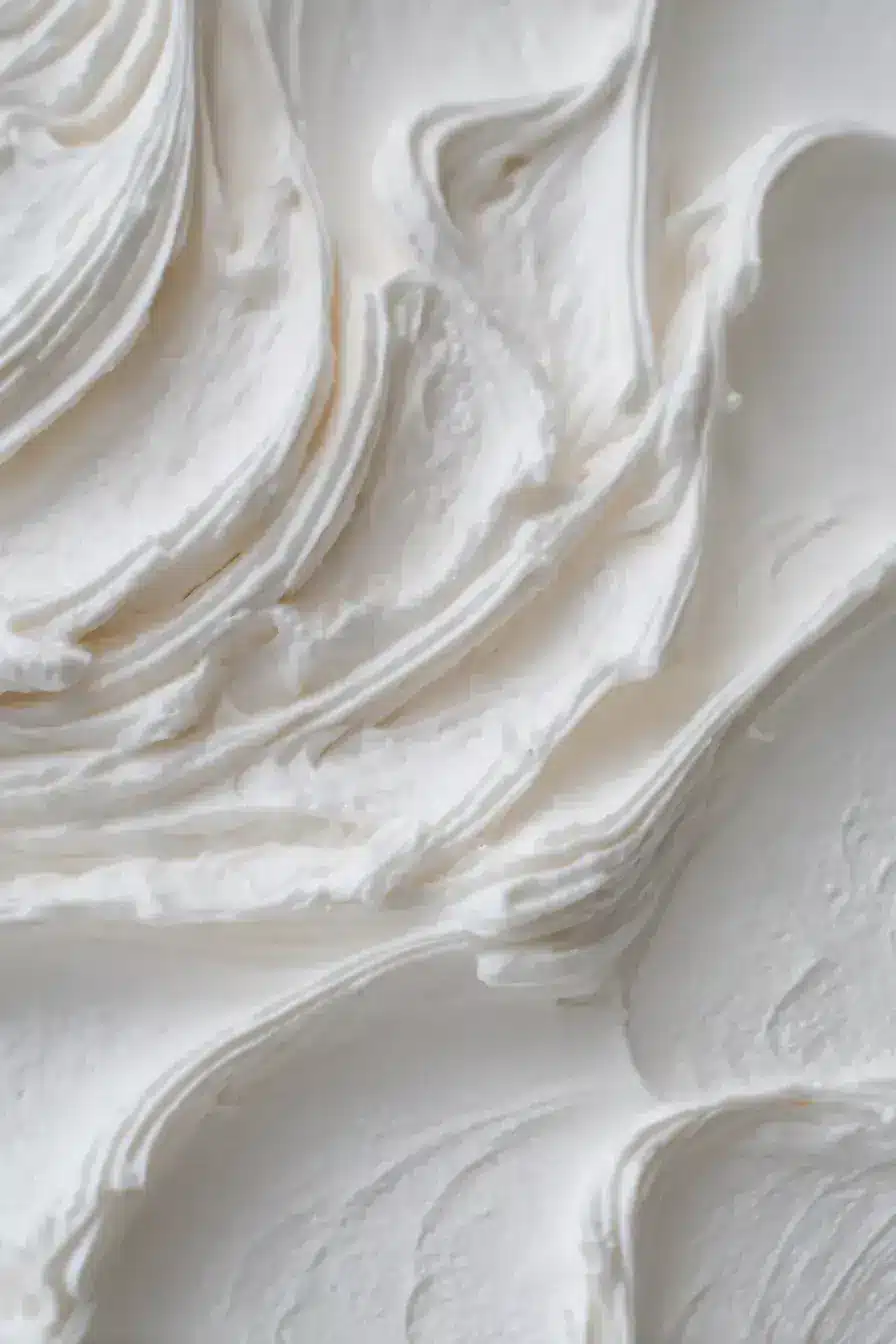
For a stunning presentation, try it on a vibrant purple velvet cake. It also makes delightful cupcakes—try it on pumpkin chocolate chip cupcakes for a fall treat. The stability of this boiled milk frosting makes it ideal for layered cakes that need to stand at room temperature for a few hours.
Many home cooks run into a few common issues when first making this Ermine Frosting. The most frequent mistake is adding the flour paste to the butter before it is completely cool. This will melt the butter and result in a runny frosting that won’t whip up properly.
Another error is not whipping the butter long enough at the beginning. You need to beat it until it’s very pale and fluffy, which takes a full 5-7 minutes. This incorporates air that is essential for the light texture. Under-whipping after adding the paste is also common; the mixture will look curdled at first but will become smooth if you keep beating. For more dessert building techniques, see tips for a classic trifle. A guide to frosting mistakes can provide additional insight. I remember the first time I made this, I almost gave up when it looked grainy, but patience is the secret ingredient.
This Ermine Frosting stores exceptionally well. I often make a batch ahead of a big baking day. Place it in an airtight container in the refrigerator, where it will keep for up to one week.
When you’re ready to use it, let it come to room temperature for about an hour, then rewhip it in your stand mixer for 2-3 minutes to restore its fluffy texture. It can also be frozen for up to three months. Thaw it overnight in the refrigerator before rewhiping. This makes it a fantastic make-ahead component for a cheesecake decoration or other projects.
I encourage every home baker to try making this Ermine Frosting at least once. It might seem different from what you’re used to, but the result is so superior. The silky texture and balanced flavor will elevate your cakes to a new level.
It’s the perfect frosting for a special occasion Boston cream pie or a simple weekend project. You might also enjoy it on a coconut cream pie as a topping. For a fruity twist, try it with a strawberry swirl cheesecake. If you love bar cookies, this frosting would be lovely on raspberry cheesecake bars. Mastering this recipe opens up a world of professional baking at home. This Ermine Frosting is truly a game-changer for anyone who loves to bake.
If you loved learning this technique, you might be looking for other beautiful cakes to showcase your skills. Here are a few more recipes that pair perfectly with a smooth frosting.
Classic Red Velvet Cake – The traditional partner for ermine frosting, a timeless favorite.
German Chocolate Cake – A rich, nutty cake that welcomes a smooth frosting layer.
Pumpkin Chocolate Chip Cupcakes – A spiced fall treat topped with creamy frosting.
Ermine Frosting is a type of buttercream, but it’s unique because it uses a cooked flour and milk paste as its base. This gives it a less sweet, silkier texture compared to American buttercream, which is just butter and powdered sugar. It’s also more stable than other cooked frostings.
If your Ermine Frosting is runny, the most common cause is that the flour paste wasn’t cooked long enough to thicken properly, or it was still warm when added to the butter. Ensure you cook the paste until it’s very thick and let it cool completely to room temperature before incorporating it.
Absolutely. For a chocolate Ermine Frosting, add 1/2 cup of sifted cocoa powder to the flour and sugar in the first step. You may need to add a tablespoon or two more milk to achieve the same pudding-like consistency. The result is a rich, fudgy frosting.
This frosting stores very well. In an airtight container in the refrigerator, it will last for up to one week. You can also freeze it for up to three months. Always let it come to room temperature and rewhip it briefly before using to restore its fluffy texture.

Welcome to Mac Recipes! I'm here to prove that amazing home-cooked meals don't need to be complicated. From weeknight dinners to weekend treats, I create recipes that fit into your busy life—delicious, doable, and always worth making.
More About Me