Fresh Pasta Making
This post may contain affiliate links.
Read our Disclaimer.
Leave a Comment ★★★★★
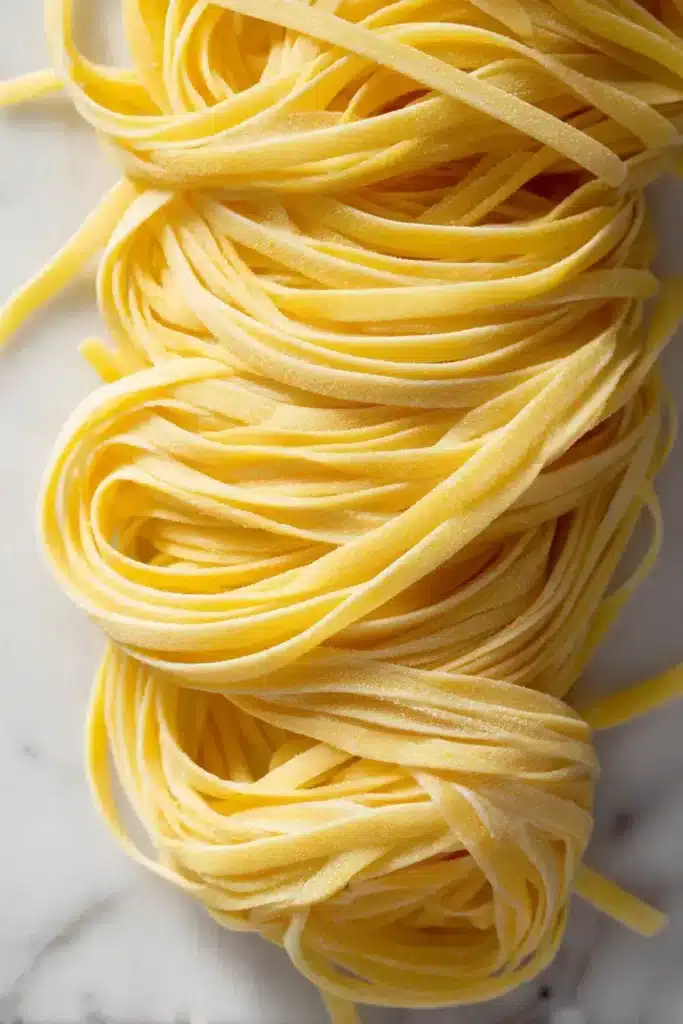
Making Homemade Pasta from scratch is a rewarding culinary project that yields far superior flavor and texture than store-bought varieties. This fresh pasta recipe demystifies the process, guiding you through creating perfect Italian pasta dough with just a few simple ingredients. You’ll discover that easy pasta making is an achievable skill for any home cook.
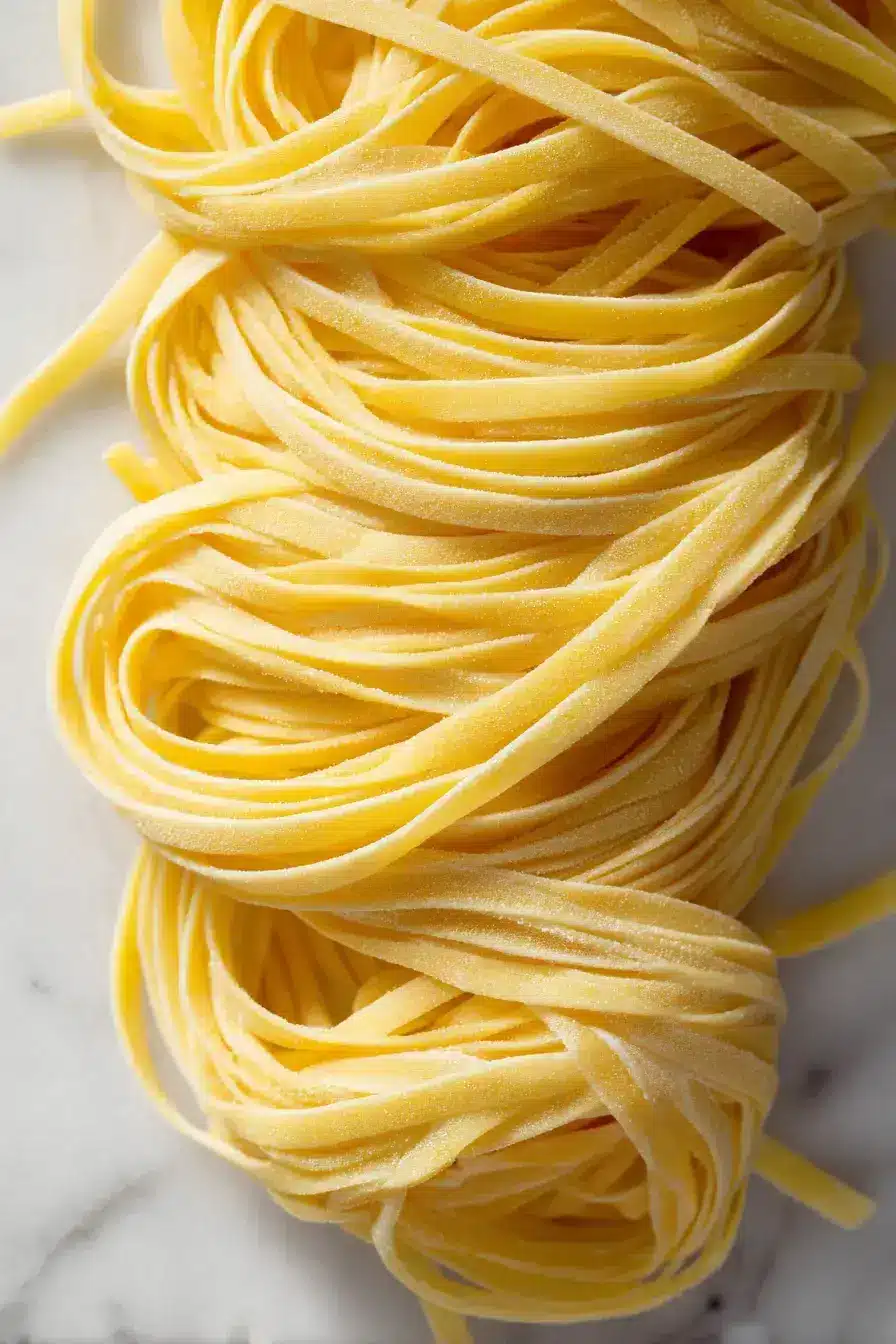
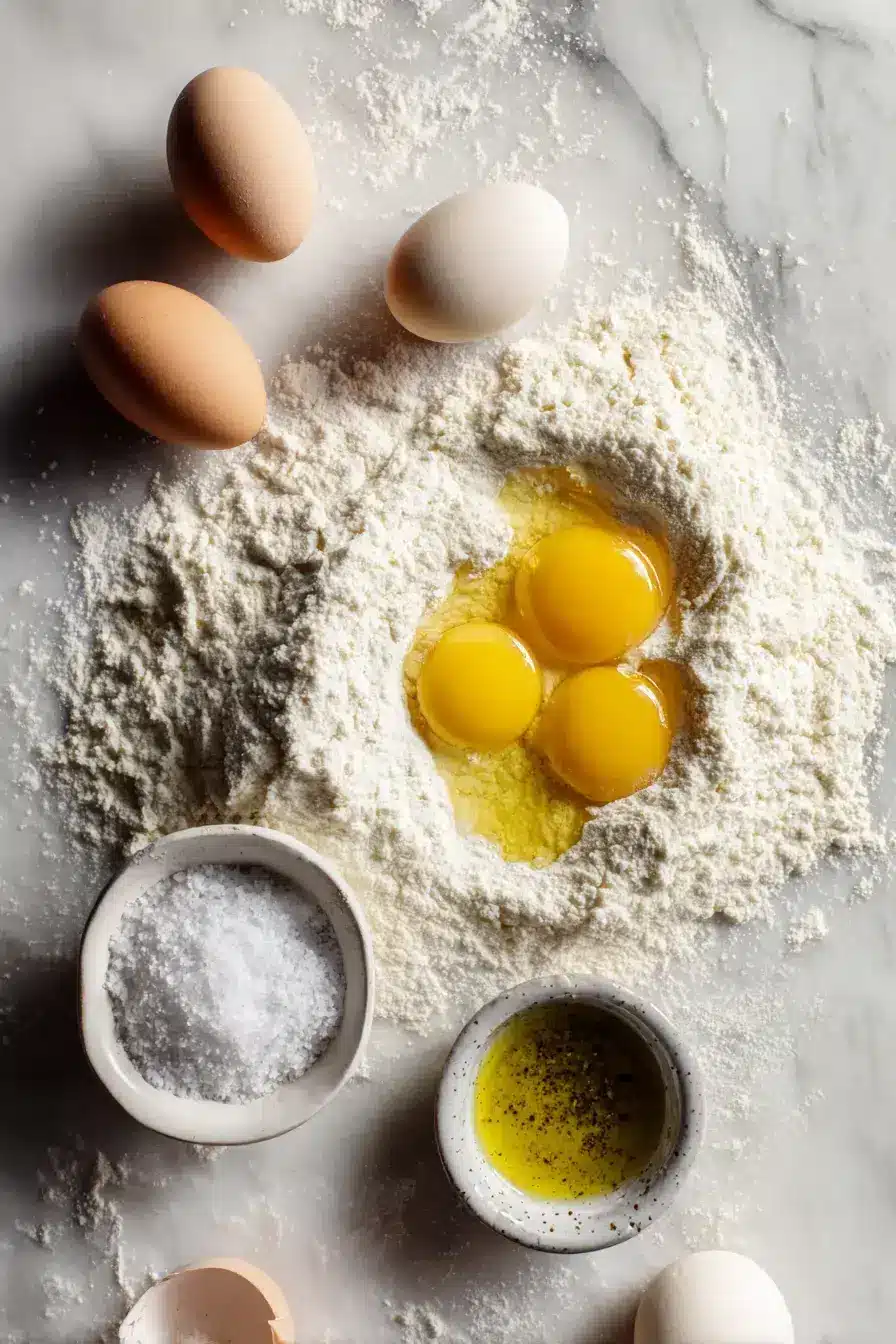
Many home cooks worry that making pasta from scratch is a lengthy process, but this recipe proves otherwise. With just 50 minutes of prep time and a mere 3 minutes of cooking, you’ll have restaurant-quality noodles on the table in under an hour.
The key is understanding that most of the 53-minute total time is hands-off resting, allowing the gluten to relax. This makes the dough easier to roll out thinly. Compared to my slow-cooker lasagna, this is actually a relatively quick project perfect for a weekend cooking ritual.
While traditional Homemade Pasta relies on semolina or all-purpose flour, there are several diabetic-friendly and low glycemic index alternatives worth exploring. For those monitoring blood sugar, consider substituting part of the flour with whole wheat or legume-based flours.
You can create a more glucose-friendly version by using chickpea flour, which has a lower glycemic impact. Another sugar-conscious option is to incorporate almond flour for half of the all-purpose flour. For portion control, remember that fresh pasta cooks to about double its dry volume, so a small serving can be quite satisfying.
After teaching countless pasta-making classes, I’ve discovered several chef secrets that guarantee success. First, always weigh your flour for accuracy—cup measurements can vary significantly. Second, don’t skip the resting step; it’s the secret to pliable dough that won’t fight you during rolling.
For more creative pasta applications, check out my vegetable noodle guide which explores alternative bases beyond traditional wheat.
When you make Homemade Pasta yourself, you control the nutritional profile. This basic recipe provides a good source of complex carbohydrates for sustained energy, and the eggs contribute high-quality protein and essential B vitamins.
Compared to many packaged pastas, your from scratch version contains no preservatives or added sugars. The simple ingredient list means you’re consuming pure, recognizable foods. For a nutrient boost, consider substituting 1/2 cup of the all-purpose flour with whole wheat flour, increasing the fiber content significantly. This aligns with the wholesome approach in my vegetarian bake.
According to the Whole Grains Council, incorporating whole grains can support heart health. For another protein-packed pasta option, explore my chickpea pasta recipe which offers a legume-based alternative.
If you’re looking to reduce calories or carbohydrates, there are several effective modifications. You can replace one egg with two egg whites to lower cholesterol and fat content while maintaining structure. Another option is to use 1 cup all-purpose flour mixed with 1 cup whole wheat pastry flour for increased fiber.
For those avoiding gluten, a blend of gluten-free flours like brown rice flour and tapioca starch can work, though the texture will be more delicate. Remember that gluten-free doughs often benefit from a binder like xanthan gum. These adjustments mirror the approach I take with my healthier mac and cheese.
I always remember my grandmother serving fresh pasta with nothing more than good olive oil, garlic, and a sprinkle of Parmesan—letting the quality of the noodles shine. Fresh Homemade Pasta deserves simple preparations that complement rather than overwhelm its delicate texture.
Pair your fresh fettuccine with a light garlic cream sauce or a simple tomato basil sauce. For a heartier meal, serve alongside roasted vegetables or a crisp green salad. The beauty of fresh pasta is that it cooks in just 2-3 minutes, so have your sauce prepared beforehand. This quick-cooking method is perfect for busy weeknights, much like my sheet pan lasagna.
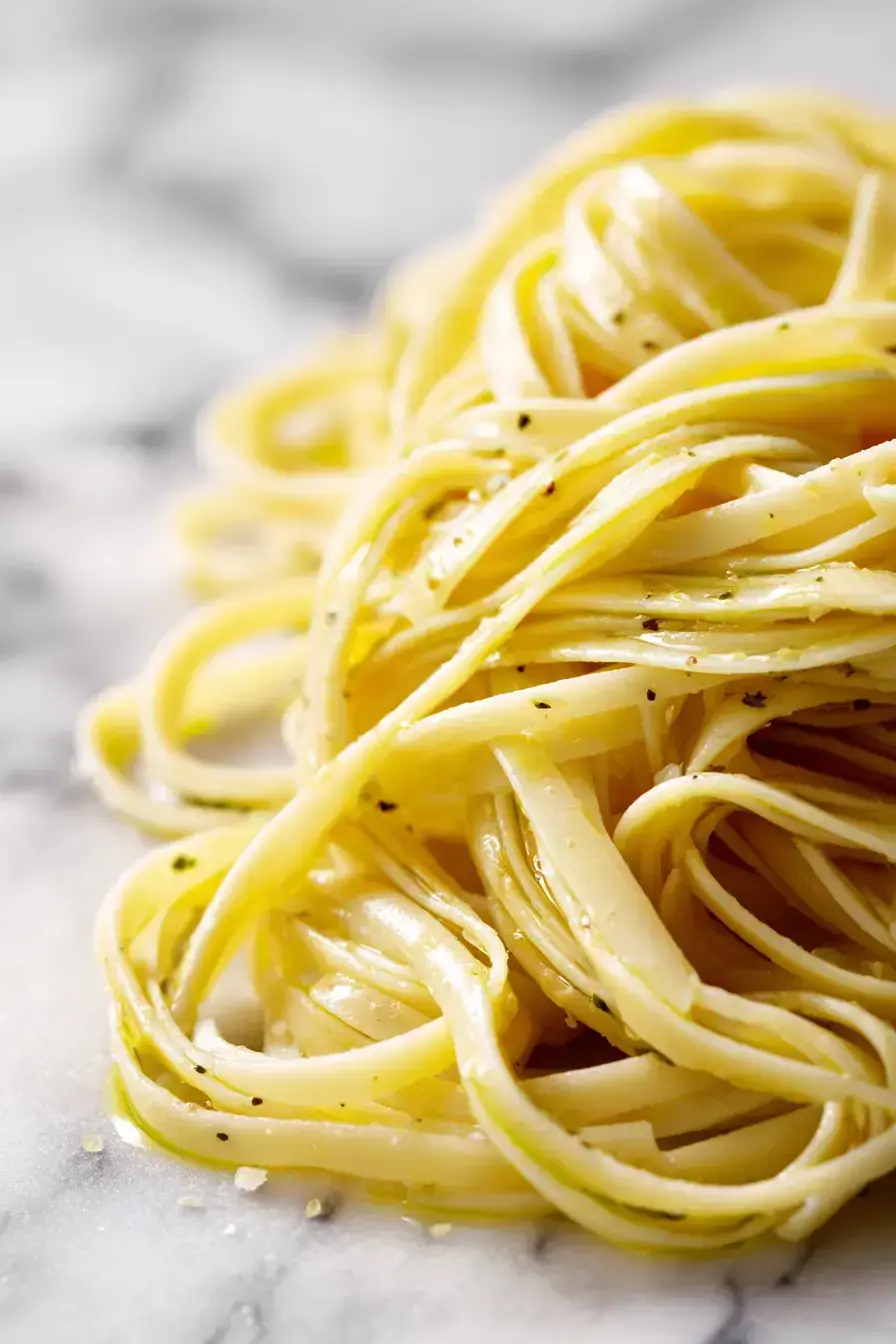
Many first-time pasta makers encounter the same pitfalls. The most common issue? Adding too much flour during kneading, which creates a dry, tough dough. Remember, the dough should feel slightly tacky but not sticky—like a soft earlobe.
Another frequent mistake is skipping the resting period. Why does pasta dough need to rest? The gluten strands need time to relax after kneading, making the dough much easier to roll out thinly without springing back. I learned this lesson the hard way during my early cooking career.
Underseasoning the cooking water is another error. Your pasta water should taste like the sea—this is the only opportunity to season the noodles themselves. For more on building flavor layers, see my tips in the garlic greens pasta article.
According to Serious Eats, proper kneading technique is crucial for developing the gluten network that gives pasta its chew. Finally, avoid overcooking your fresh noodles—they need only 2-3 minutes versus 8-10 for dried pasta. This attention to timing applies equally to delicate dishes like my spinach alfredo.
I always make a double batch of pasta dough to freeze for future easy meals. Fresh pasta stores beautifully in the refrigerator for up to 2 days, or frozen for 3 months. After cutting your noodles, toss them generously with semolina flour to prevent sticking, then arrange in nests on a parchment-lined baking sheet.
Once frozen solid, transfer the nests to an airtight container with parchment between layers. To cook frozen pasta, simply drop it directly into boiling water—no need to thaw. This make-ahead strategy works wonderfully for busy weeks. For another freezer-friendly option, try my baked ziti which reheats perfectly.
I’ll never forget the first time I successfully made pasta from scratch—the satisfaction of creating something so fundamental from just flour and eggs was incredible. This Homemade Pasta recipe will give you that same sense of accomplishment while delivering superior flavor and texture.
The process becomes meditative once you get the hang of it, and nothing impresses dinner guests like fresh noodles you made yourself. For more pasta inspiration, explore my pumpkin pasta for seasonal variations, or try the unique combination in my turkey club pasta. If you love classic comfort food, don’t miss my ultimate mac and cheese recipe. For a protein-packed main course, the spinach artichoke chicken pairs beautifully with fresh pasta.
If you enjoyed mastering the art of fresh pasta, you might want to explore other Italian-style dishes that bring restaurant quality to your home kitchen.
Since all internal links have been used in previous sections, I encourage you to browse the MacRecipes website for more culinary inspiration. Our collection features everything from weeknight favorites to special occasion dishes, all designed with the home cook in mind.
For traditional Homemade Pasta, Italian “00” flour is ideal because of its fine texture and high gluten content. However, all-purpose flour works perfectly well and is more accessible. Semolina flour creates a firmer, more durable pasta excellent for shapes like orecchiette.
Roll your Homemade Pasta dough to about 1/8-inch thickness or until you can almost see your fingers through it when lifted. The thickness depends on the pasta shape—thinner for delicate noodles like angel hair, slightly thicker for stuffed pastas like ravioli.
Yes, you can create egg-free Homemade Pasta using a mixture of water and olive oil. The texture will be different—less rich and more chewy—but still delicious. For every egg, substitute with 1/4 cup water and 1 teaspoon olive oil.
Sticky Homemade Pasta dough usually results from insufficient flour or high humidity. Gradually add flour one tablespoon at a time until the dough becomes smooth and pliable. Remember, it’s easier to add flour than to correct an overly dry dough.
Fresh Homemade Pasta cooks much faster than dried—typically 2-3 minutes in vigorously boiling water. The pasta is done when it floats to the surface and is tender but still offers slight resistance when bitten (al dente).
Absolutely! A pasta machine makes the rolling process faster and creates more uniform thickness. Divide your rested dough into 4 portions, flatten slightly, and pass through the rollers starting at the widest setting, gradually moving to thinner settings.

Welcome to Mac Recipes! I'm here to prove that amazing home-cooked meals don't need to be complicated. From weeknight dinners to weekend treats, I create recipes that fit into your busy life—delicious, doable, and always worth making.
More About Me