Fresh Pasta Making
This post may contain affiliate links.
Read our Disclaimer.
Leave a Comment ★★★★★
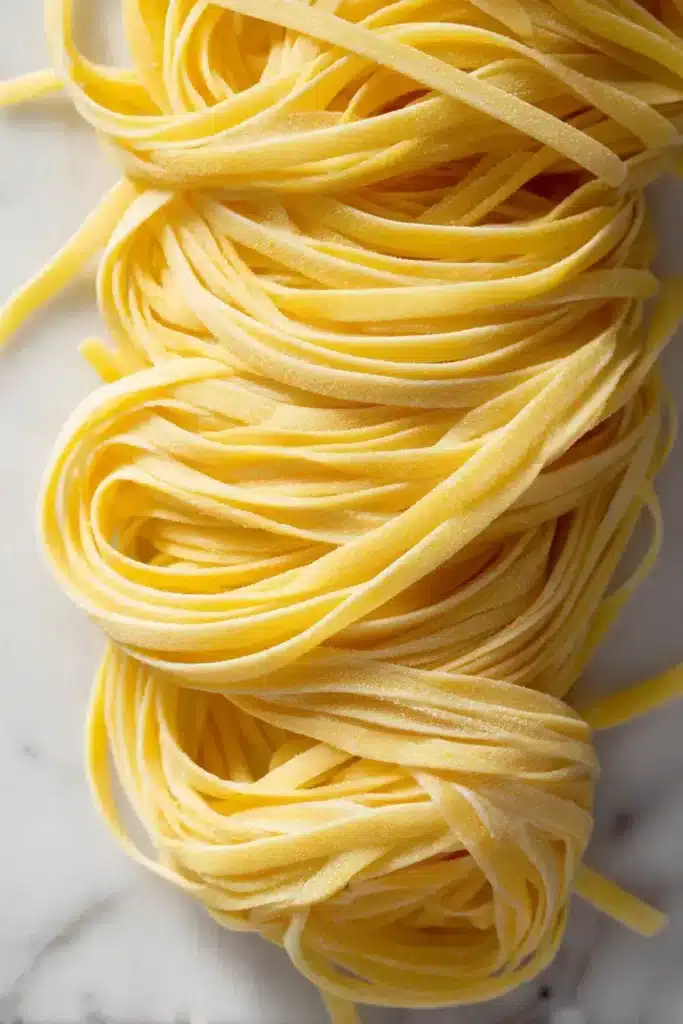
Homemade Pasta is one of those magical kitchen experiences that transforms simple ingredients into something truly special. It’s a chance to create fresh, delicious noodles with bold flavors and zero fuss, all from scratch. I love how this process connects me to Italian culinary traditions while fitting perfectly into a busy schedule. Let’s get started on your new favorite Homemade Pasta recipe.
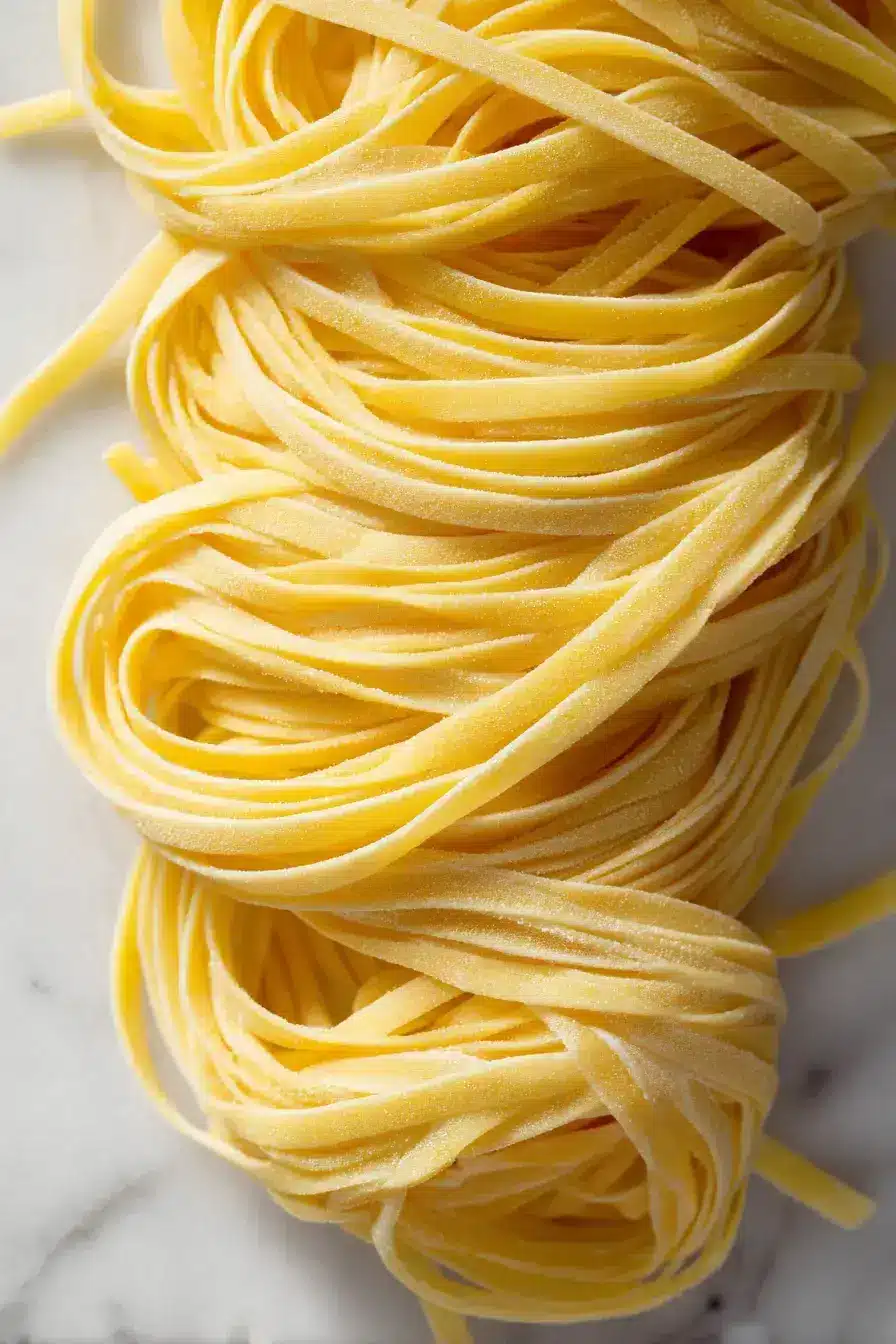
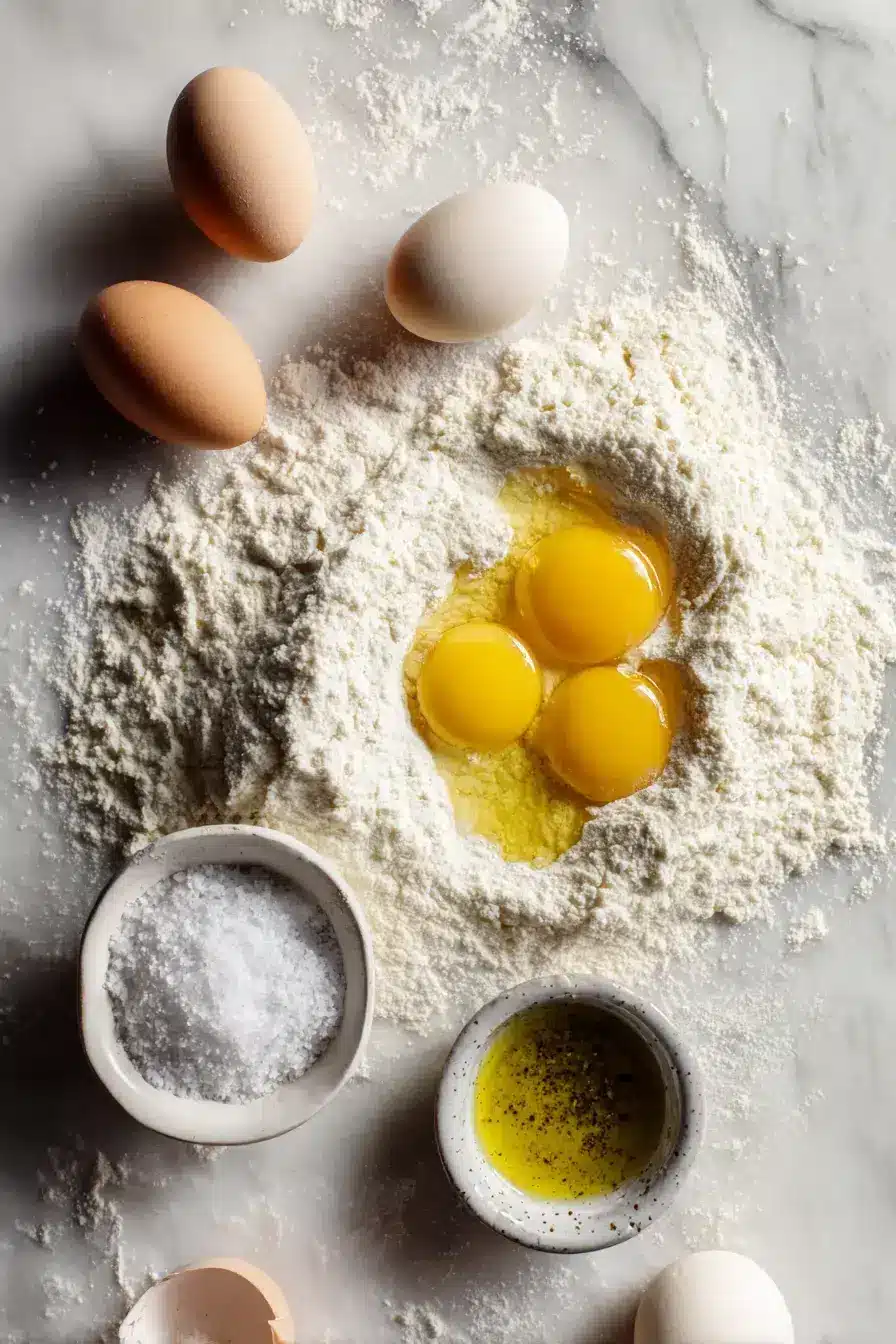
I know 50 minutes of prep time might sound like a lot, but most of that is hands-off resting time for the dough. Think of it as a relaxing weekend ritual. The active work is about 15 minutes of kneading and rolling, followed by a quick 3-minute cook. So, in just under an hour, you’ll have a from scratch pasta dinner that beats any boxed option.
This Homemade Pasta is perfect for a cozy Sunday supper where you can enjoy the process. The timeline is very similar to my hearty vegetarian pasta bake, making it a great foundational recipe to master. You’ll be amazed at how the simple act of making dough becomes a satisfying kitchen accomplishment.
For those managing sugar intake or following a low glycemic diet, this Homemade Pasta is a fantastic base. Since it contains no added sugar, it’s naturally a better choice for sugar-conscious eating. You can pair it with vegetable-heavy sauces like a marinara or a vegan broccoli sauce to keep the meal balanced and blood sugar friendly.
After making countless batches of Homemade Pasta, I’ve picked up a few tricks that make all the difference. First, don’t rush the kneading. Those 8-10 minutes are essential for developing the gluten, which gives the noodles their wonderful chew. Secondly, if you love garlic, try infusing the olive oil with a crushed clove before adding it to the well for a subtle, aromatic flavor.
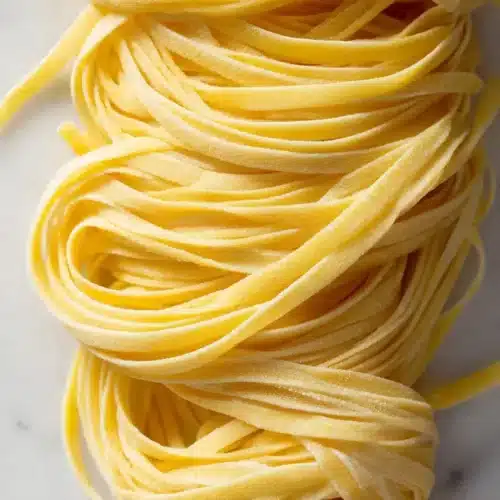
When you make Homemade Pasta from scratch, you control exactly what goes into it. This recipe is a good source of protein from the eggs and provides energy from the complex carbohydrates in the flour. Compared to many processed foods, it contains no artificial additives or preservatives. For a nutrient-packed meal, toss your fresh noodles with a sauce like this vegan spinach alfredo or a chickpea pasta sauce. According to a source on whole grains, incorporating whole foods into your meals is a key part of a healthy diet.
If you’re looking for a lighter take, you can incorporate up to 50% whole wheat flour for extra fiber. The nutty flavor pairs beautifully with hearty sauces. For a dairy-free and lighter sauce option, my vegan pumpkin pasta is a creamy and satisfying choice that complements the fresh noodles perfectly.
I love the simplicity of letting the Homemade Pasta shine. Toss it with a high-quality olive oil, a pinch of sea salt, and a generous shower of Parmesan cheese. For a more decadent twist, it’s incredible with a rich meat sauce or a creamy garlic sauce. The beauty of fresh pasta is that it carries sauces so well. Serve it immediately after cooking for the best texture and temperature.
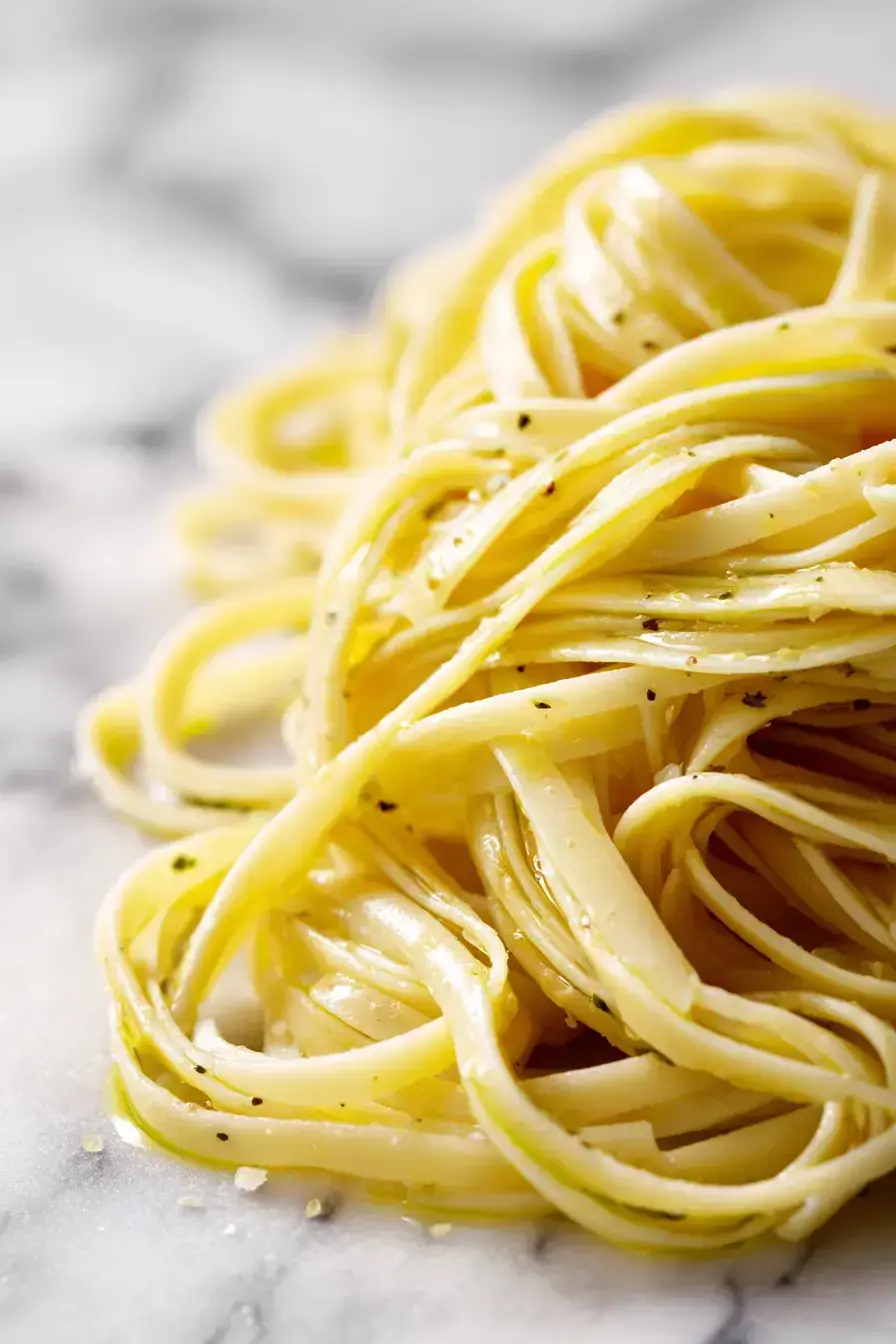
Making Homemade Pasta is straightforward, but a few common stumbles can happen. The biggest one? Not letting the dough rest. Skipping the 30-minute rest makes the gluten tense and difficult to roll out. Another frequent issue is adding too much flour during rolling, which can make the noodles tough. And always cook fresh pasta in a large pot of well-salted boiling water—crowding the pot leads to sticky noodles.
I remember my first attempt, I was so impatient I tried to roll the dough immediately. It was a battle! Now I use the rest time to clean up and get my sauce simmering, like this simple garlicky greens pasta sauce. For more layered pasta dishes, check out this guide to cooking pasta perfectly. Learning these small tweaks turns a good pasta into a great one.
Fresh Homemade Pasta is best enjoyed right away, but you can store it easily. For short-term storage, toss the uncut noodles lightly in flour, coil them into nests, and refrigerate on a parchment-lined tray for up to 2 days. To freeze, place the floured nests on a tray until solid, then transfer to a freezer bag. Cook from frozen, adding an extra minute to the boiling time. For a ready-made baked option that freezes beautifully, my veggie baked ziti is a family favorite.
There’s a unique pride that comes with serving a bowl of Homemade Pasta you made yourself. The texture is silkier, the flavor is richer, and the entire experience is incredibly rewarding. It’s a fantastic way to bring a touch of authentic Italian cooking into your home. Once you master the basic dough, you can explore so many shapes and dishes.
If you love this hands-on approach, you might also enjoy making vegan stuffed shells or a comforting slow cooker ravioli lasagna. For a different twist on a classic, try my sheet pan lasagna or the ultimate mac and cheese. I hope this recipe inspires you to create your own delicious Homemade Pasta traditions.
Now that you’ve mastered fresh pasta, keep the global flavors coming with these other comforting recipes.
Vegan Turkey Club Pasta – a surprisingly delicious and hearty twist on a classic sandwich flavor.
Vegan Zucchini Carrot Pasta – a light, vegetable-forward dish that’s perfect for a quick summer meal.
Spinach Artichoke Chicken Pasta – all the creamy, cheesy flavor of the beloved dip in a satisfying pasta bake.
For classic Homemade Pasta, all-purpose flour works perfectly. For a more traditional Italian texture, you can use “00” flour, which is finely milled and creates a silkier dough. Semolina flour is another great option, especially for shapes like orecchiette, as it gives a firmer bite.
Your Homemade Pasta dough is ready when it transforms from shaggy to completely smooth, elastic, and firm. It should spring back slowly when you poke it. A good test is to stretch a small piece thinly; if it doesn’t tear easily, the gluten is well-developed.
Absolutely! This Homemade Pasta recipe is designed for hand-rolling. Just use a floured rolling pin to roll the dough as thinly as possible on a floured surface. It takes a bit more effort, but the result is just as delicious and authentic.
Tough Homemade Pasta is often caused by over-kneading or using too much flour during the rolling process. Be sure to rest the dough adequately to relax the gluten, and dust with flour only as needed to prevent sticking. Overcooking can also make the noodles unpleasantly soft.

Welcome to Mac Recipes! I'm here to prove that amazing home-cooked meals don't need to be complicated. From weeknight dinners to weekend treats, I create recipes that fit into your busy life—delicious, doable, and always worth making.
More About Me